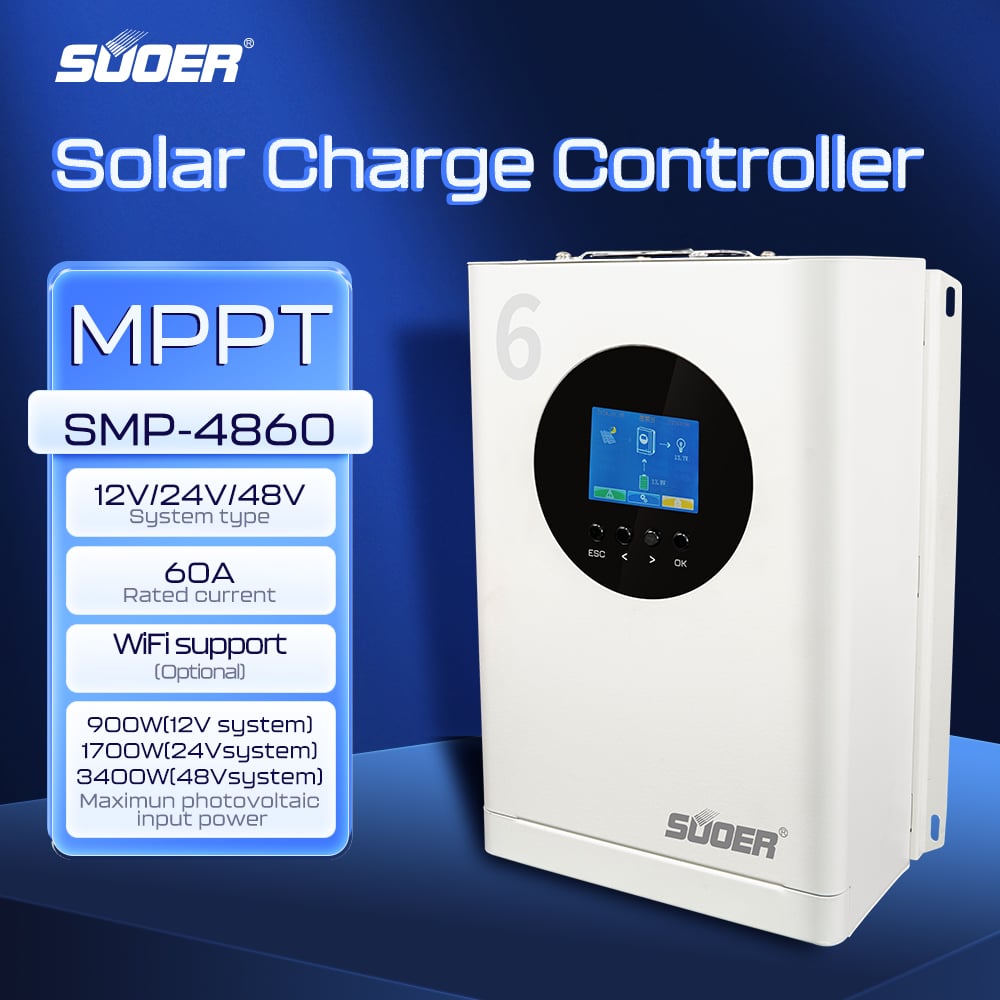
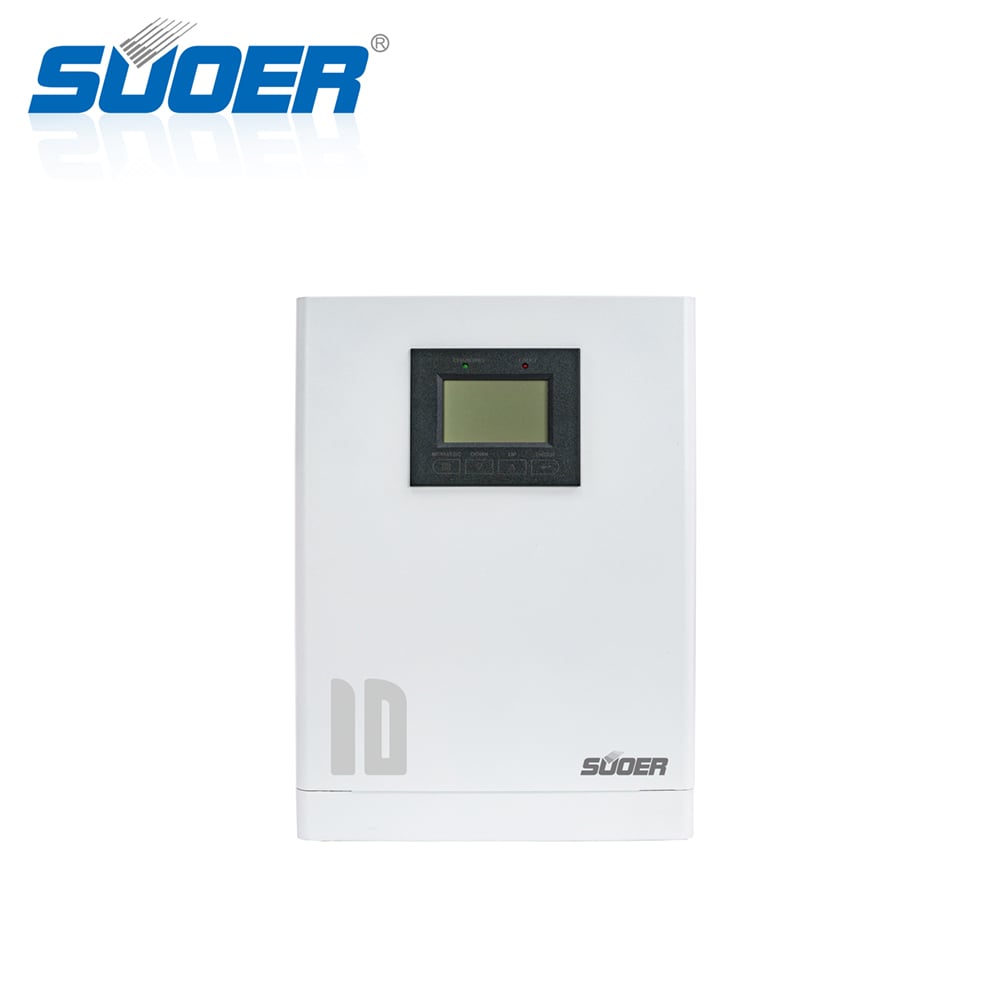
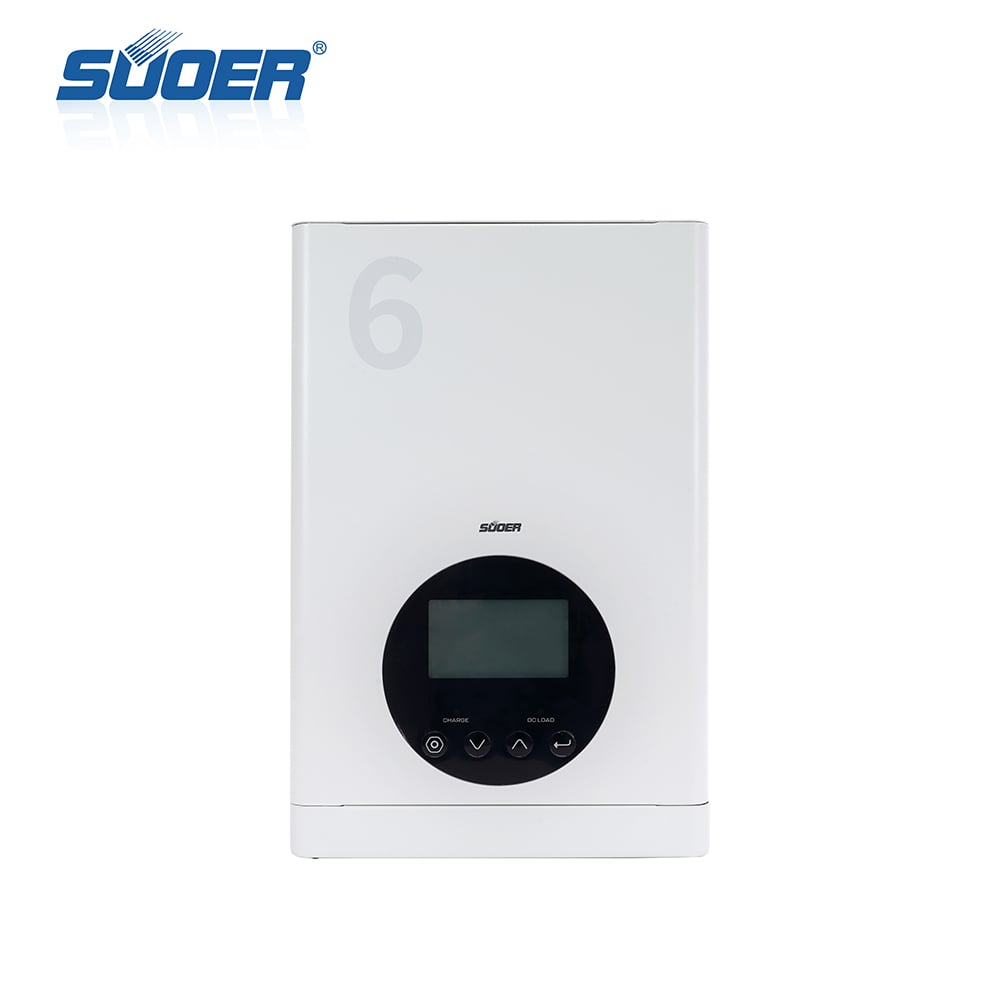
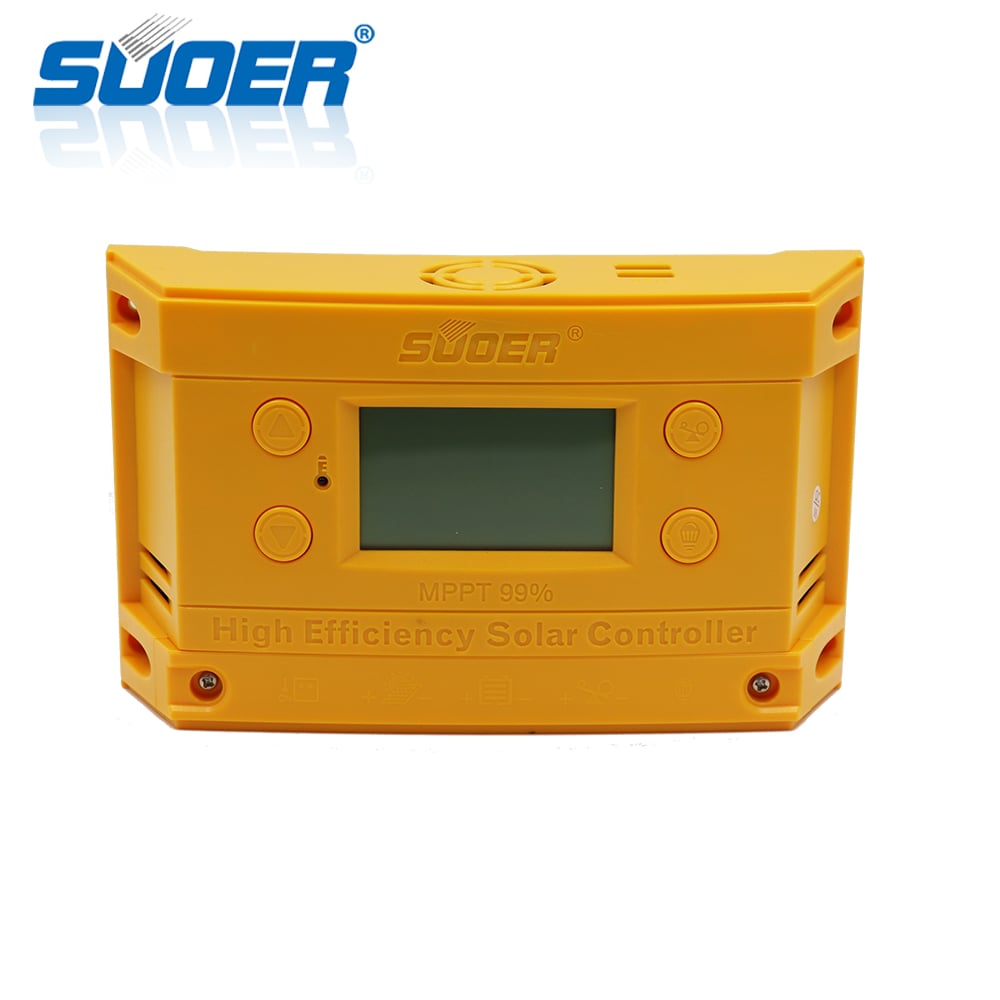
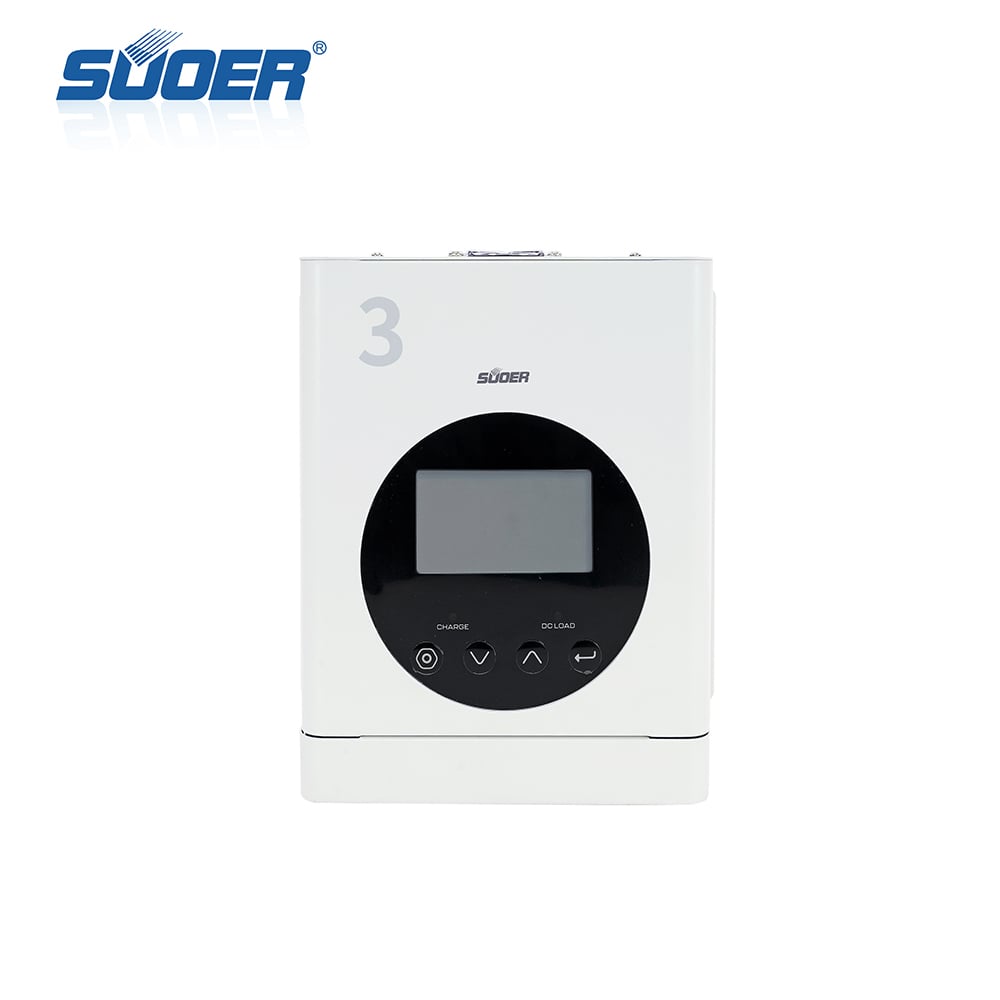
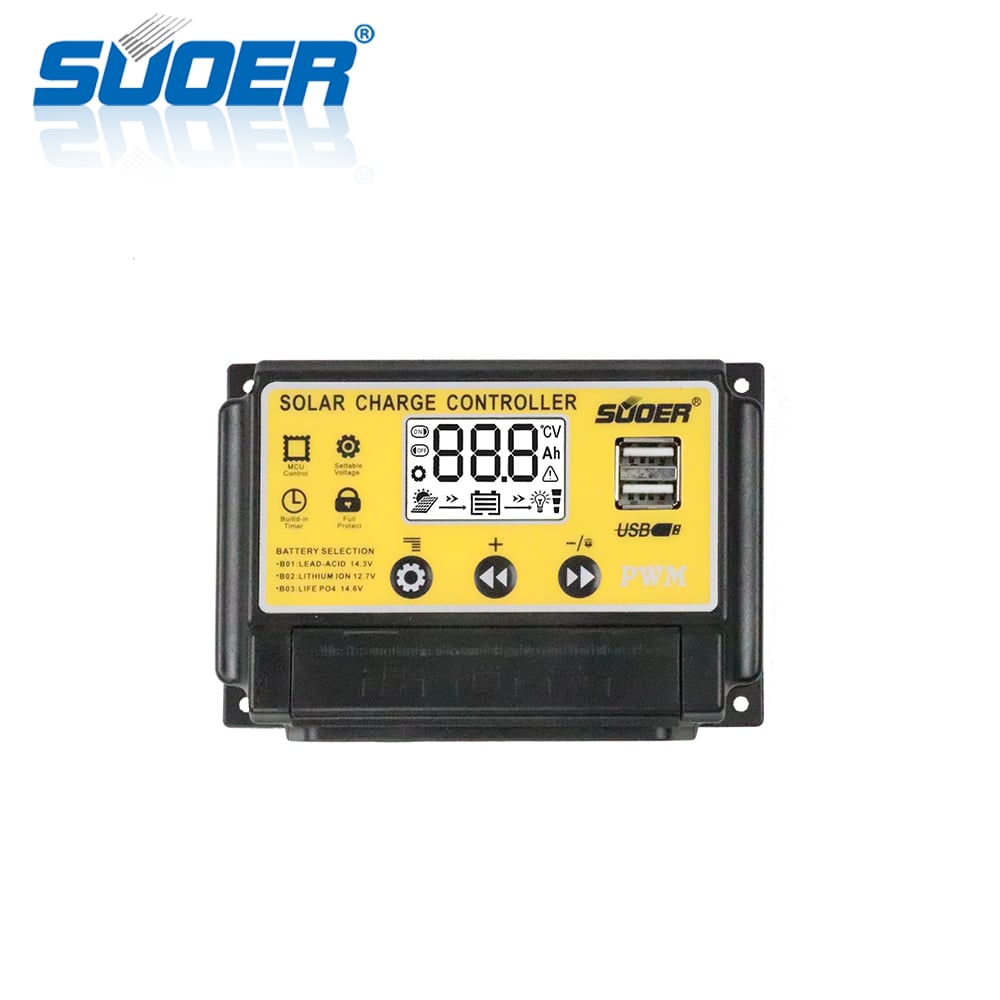
Small solar charge controllers are essential devices in photovoltaic systems that manage the flow of energy from solar panels to batteries. They help prevent overcharging, ensuring the longevity of battery life, and are crucial for applications ranging from small off-grid systems to larger commercial installations. As a B2B buyer, you may have concerns regarding compatibility, performance specifications, and the reliability of suppliers. This article will guide you through selecting the right small solar charge controller, sourcing options, supplier reliability, and important considerations before making a purchase.
Selecting the appropriate small solar charge controller involves understanding your specific application requirements. Key specifications to consider include:
Voltage Rating: Ensure the controller matches the voltage of your solar panels and batteries. Common ratings include 12V, 24V, and 48V systems.Current Rating: The controller must handle the maximum current generated by your solar panels. Exceeding this rating can damage the equipment and lead to system failure.Type of Controller: There are two main types: PWM (Pulse Width Modulation) and MPPT (Maximum Power Point Tracking). PWM controllers are generally less expensive but less efficient than MPPT controllers, which optimize energy harvesting and can be beneficial for larger systems.Protection Features: Look for controllers with built-in protections like overcharge, over-discharge, and reverse polarity to enhance system reliability and safety. Additionally, incorporating systems like Home Energy Storage can further improve the efficiency and reliability of your solar energy setup.Understanding these specifications helps ensure you select a controller that meets your operational needs and system design.
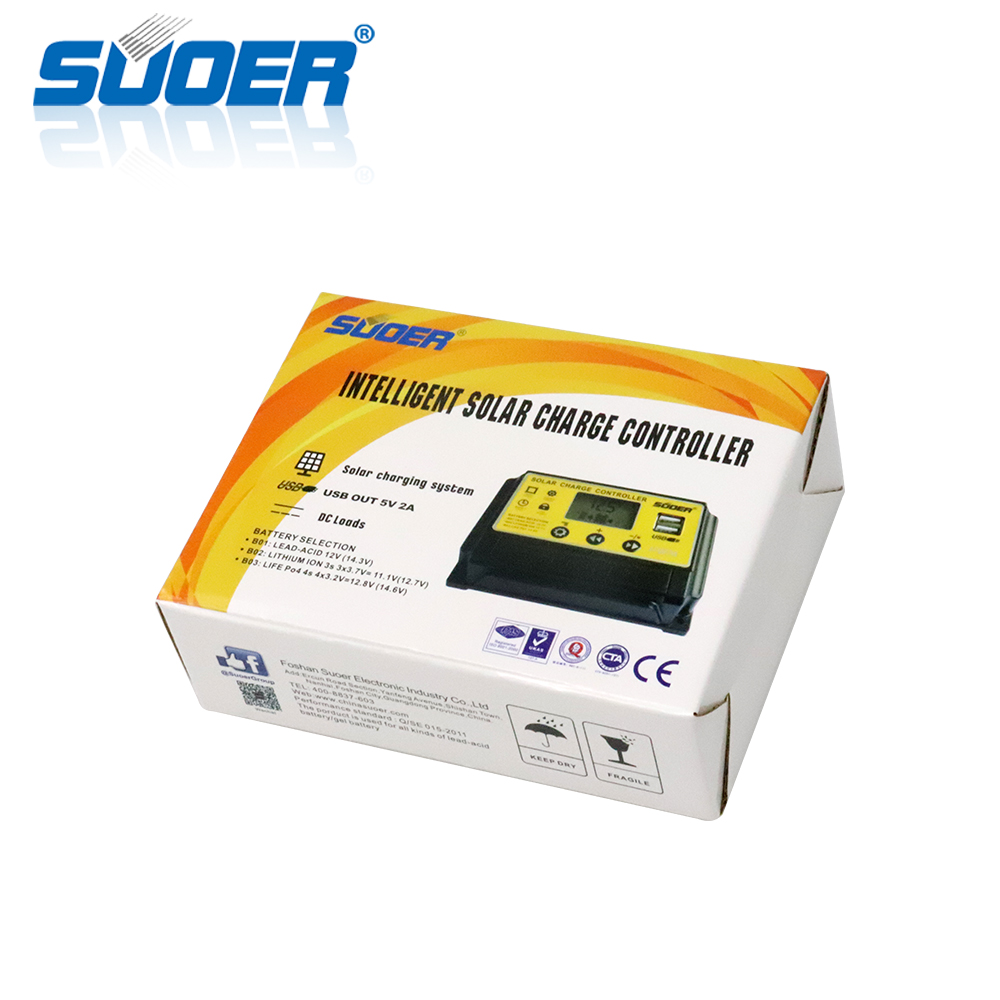
Sourcing small solar charge controllers can be approached through multiple channels. Consider the following:
Direct Manufacturers: Engaging with manufacturers, like our company, allows you to discuss your specific needs, explore customization options, and potentially negotiate pricing based on order volume.Distributors: Authorized distributors can provide quick access to various brands and models, offering a breadth of choices, often with stock availability to meet immediate needs.Online Marketplaces: E-commerce platforms can be useful for finding competitive pricing and a variety of options. However, exercise caution regarding supplier reputation and product quality.Trade Shows and Industry Events: Participating in industry events can provide insights into new technologies and networking opportunities with suppliers and manufacturers. If you’re interested in the latest in Renewable Energy, these events are invaluable.When sourcing, it is vital to evaluate supplier reliability based on their quality certifications, production capabilities, and customer feedback.
Finding reliable suppliers requires due diligence. Look for suppliers who:
Have Established Certifications: Certifications such as ROHS, CE, and ISO9001 indicate adherence to quality and safety standards. Verify these certifications to ensure product reliability.Demonstrate Experience: Suppliers with a proven track record in the industry, especially those familiar with electric vehicle applications and telecommunications, tend to have a deeper understanding of quality requirements and technology advancements.Offer Product Samples: Reliable suppliers should provide product samples for testing. Conducting performance evaluations in real-world conditions can help identify any potential issues before committing to larger orders.Maintain Strong Customer Support: Look for suppliers who are responsive and provide comprehensive support, including technical assistance and warranty options.Engaging with suppliers who meet these criteria can enhance your procurement process and ensure you receive a quality product.
When evaluating small solar charge controllers, consider the following factors:
Customization Options: Depending on your application, you may require specific features or configurations. Discuss customization capabilities with your supplier to ensure the controller meets your unique needs.Production Capacity: Understand the supplier's production capabilities, especially if you anticipate high volume or need scalability in your projects. Ensure they can meet your lead times.Quality Inspection Procedures: Inquire about the supplier’s quality control processes. A robust quality inspection protocol can significantly reduce the risk of defects and ensure product consistency.Export Markets: If you are sourcing internationally, confirm that the supplier can accommodate shipping and logistics to your location without delays.Taking these considerations into account helps mitigate risks and enhances your overall purchasing experience.
When preparing to purchase a small solar charge controller, use the following checklist to guide your decision-making process:
Specification Confirmation: Verify voltage, current, and controller type according to your system requirements.Supplier Evaluation:Check certifications (ROHS, CE, ISO9001).Review customer testimonials and case studies.Confirm sample availability for evaluation.Customization Needs: Specify any unique requirements for your project.Order Quantity: Determine your minimum order quantity (MOQ) and whether it aligns with your budget and needs.Lead Time Understanding: Discuss lead times with your supplier to ensure timely delivery.Quality Control Checks: Understand the quality inspection procedures and request reports if available.Packaging and Shipping Requirements: Confirm how the product will be packaged and shipped, especially if you have specific logistics needs.By following this checklist, you can ensure that you are making an informed purchasing decision that aligns with your operational goals.
In summary, selecting the right small solar charge controller involves a thorough understanding of your requirements, diligent sourcing of reliable suppliers, and careful consideration of product specifications and supplier capabilities. By leveraging this knowledge, you can enhance the effectiveness and reliability of your solar energy systems.

Discover Suoer’s premium range of solar inverters and power inverters designed for reliable renewable energy solutions.Trusted by customers worldwide for exceptional performance and durability.
Suoer Industrial Zone, Ercun Road Section, Yanfeng Avenue, Shishan Town,Foshan city,Guangdong Province,China
Copyright © 2024 Foshan Suoer Electronic Industry Co., Ltd. Privacy Policy - Blog

 EN
 AR
 NL
 FR
 DE
 EL
 IT
 JA
 KO
 PT
 RU
 ES
 VI
 TH
 TR
 BG
 HR
 CS
 NO
 PL
 TL
 ID
 SR
 UK
 SQ
 HU
 MT
 AF
 MS
 IS
 HY
 AZ
 BN
 BS
 GU
 LO
 LA
 MN
 NE
 TA