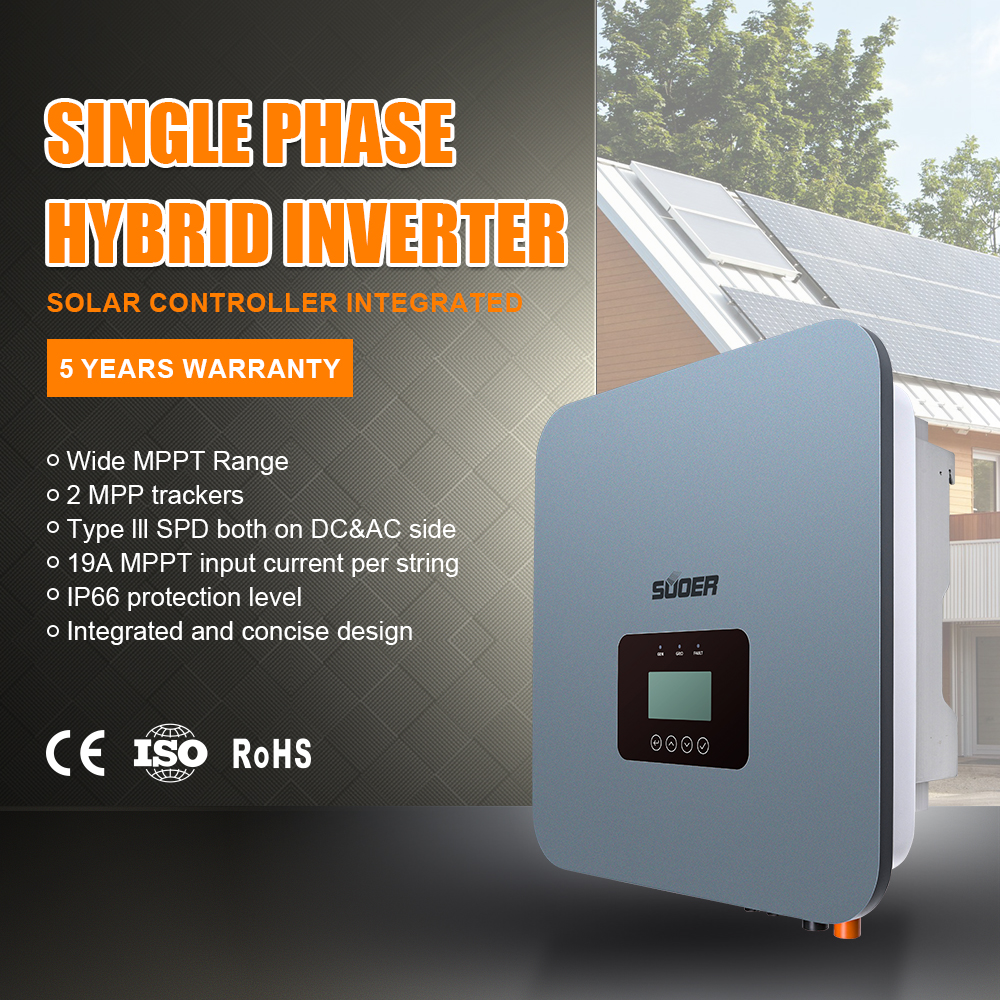
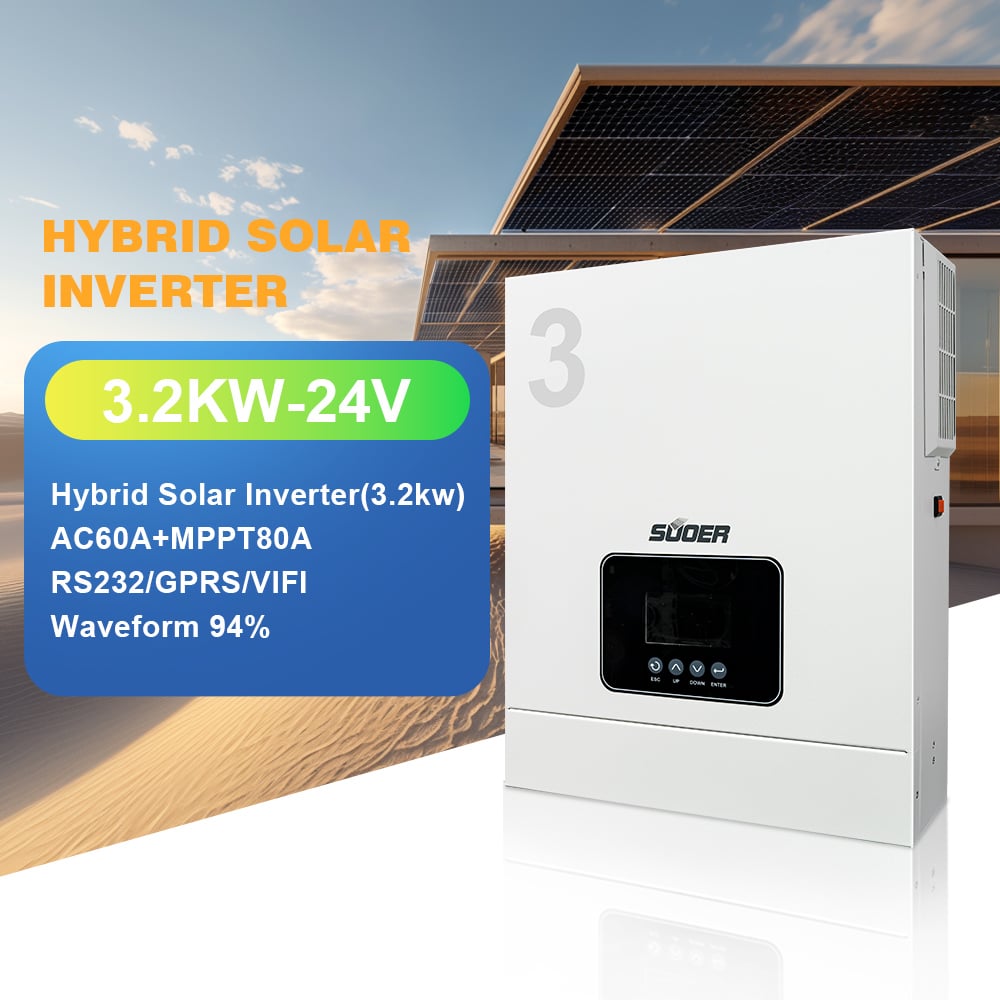
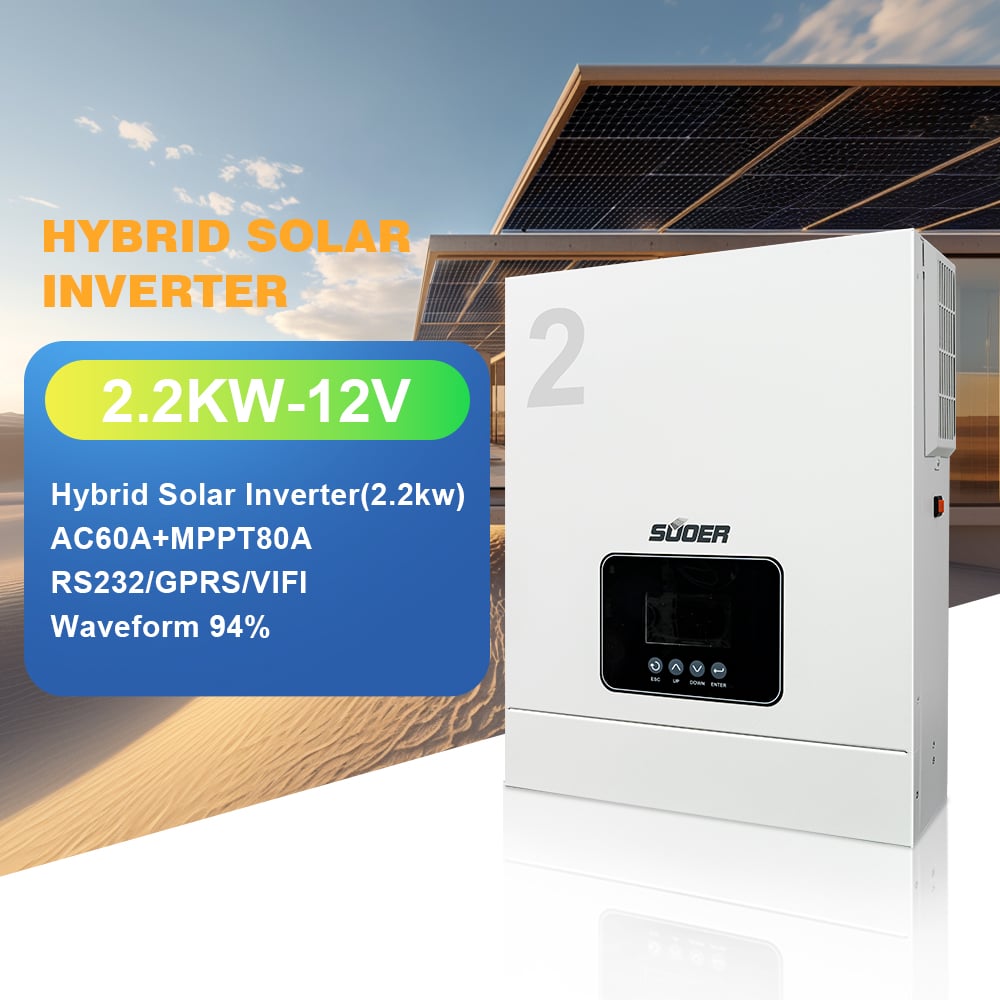
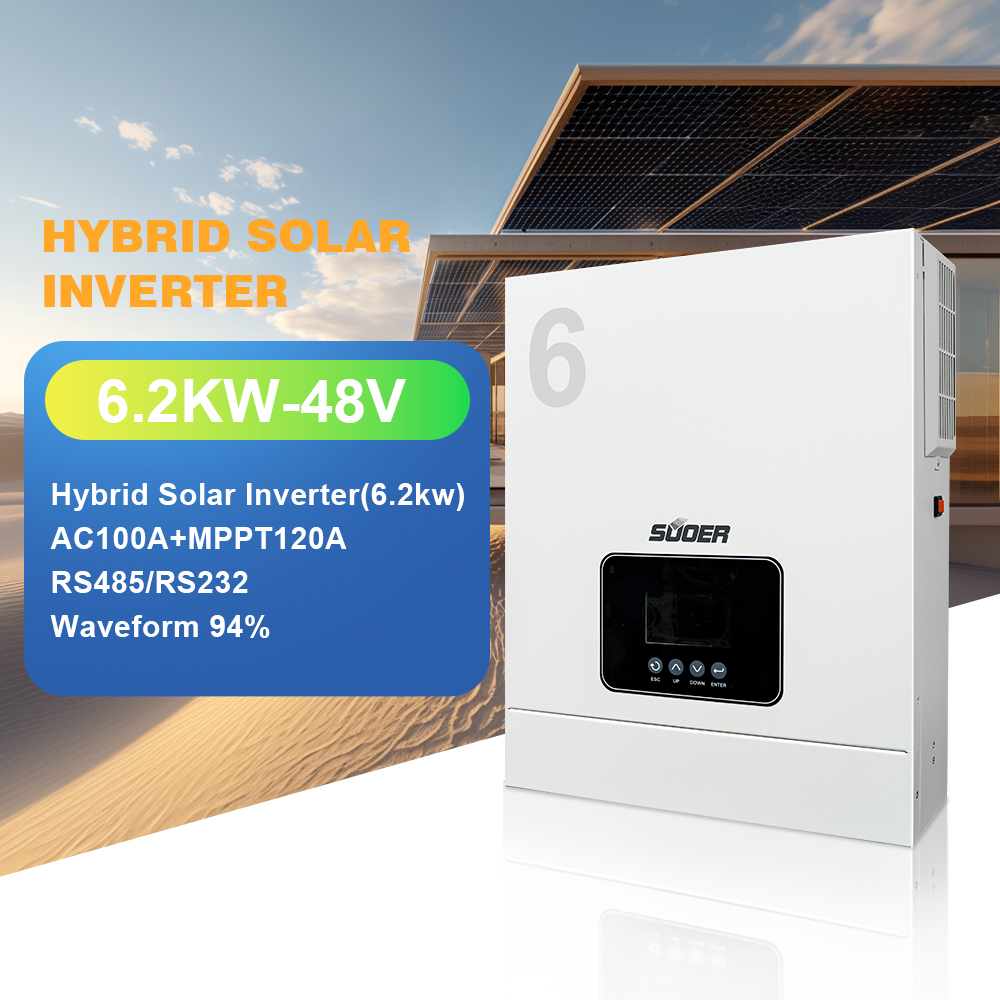
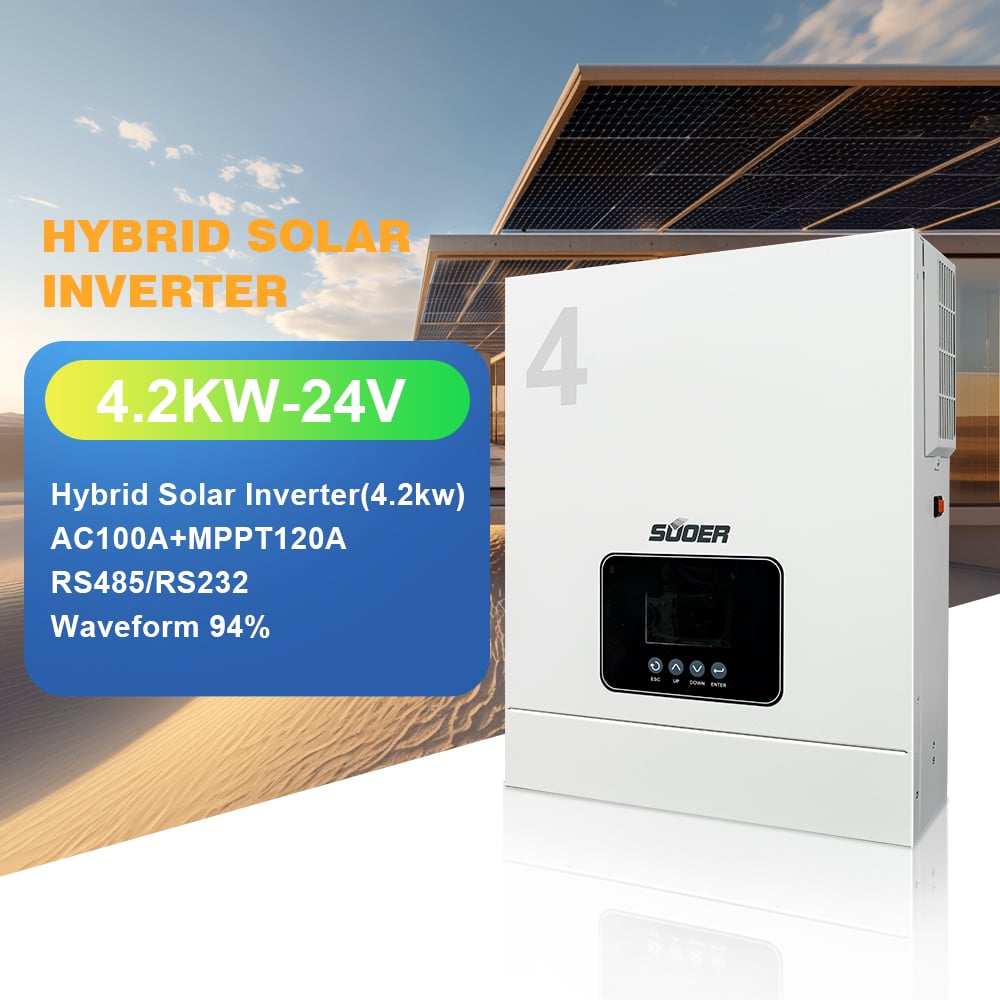
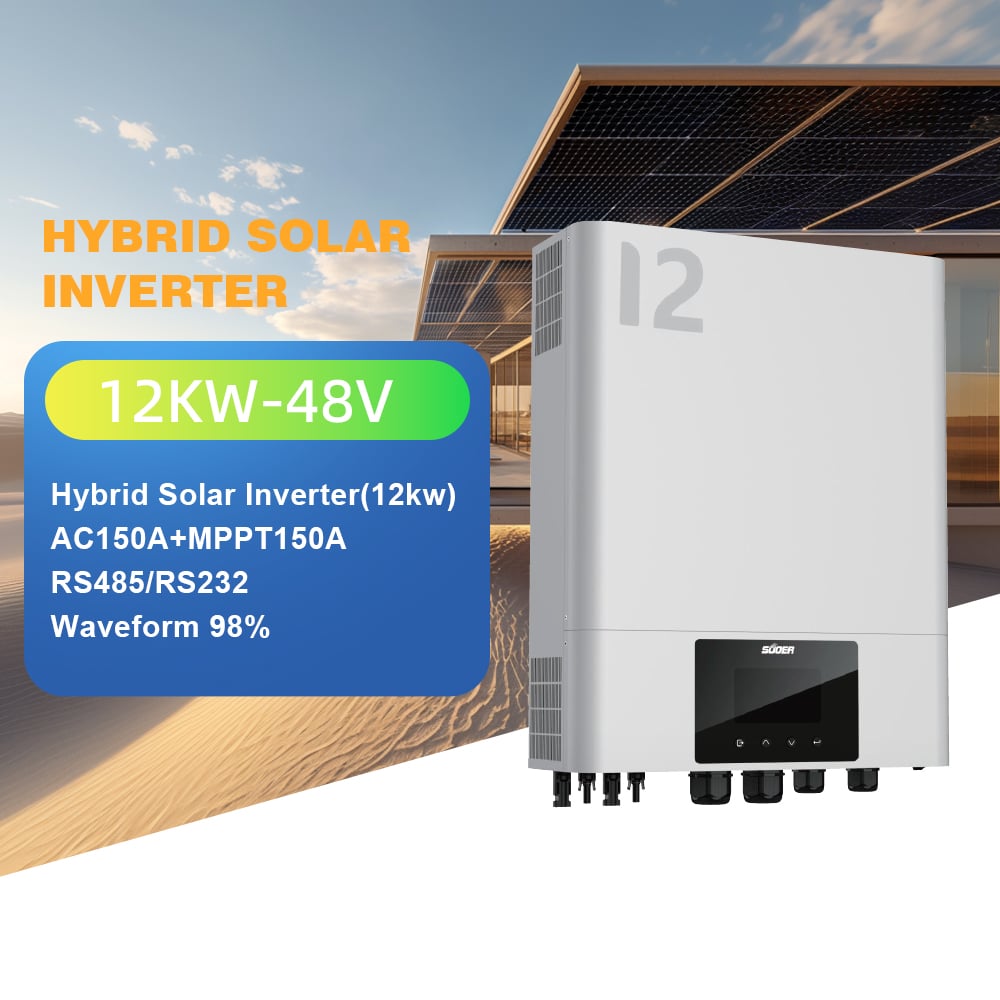
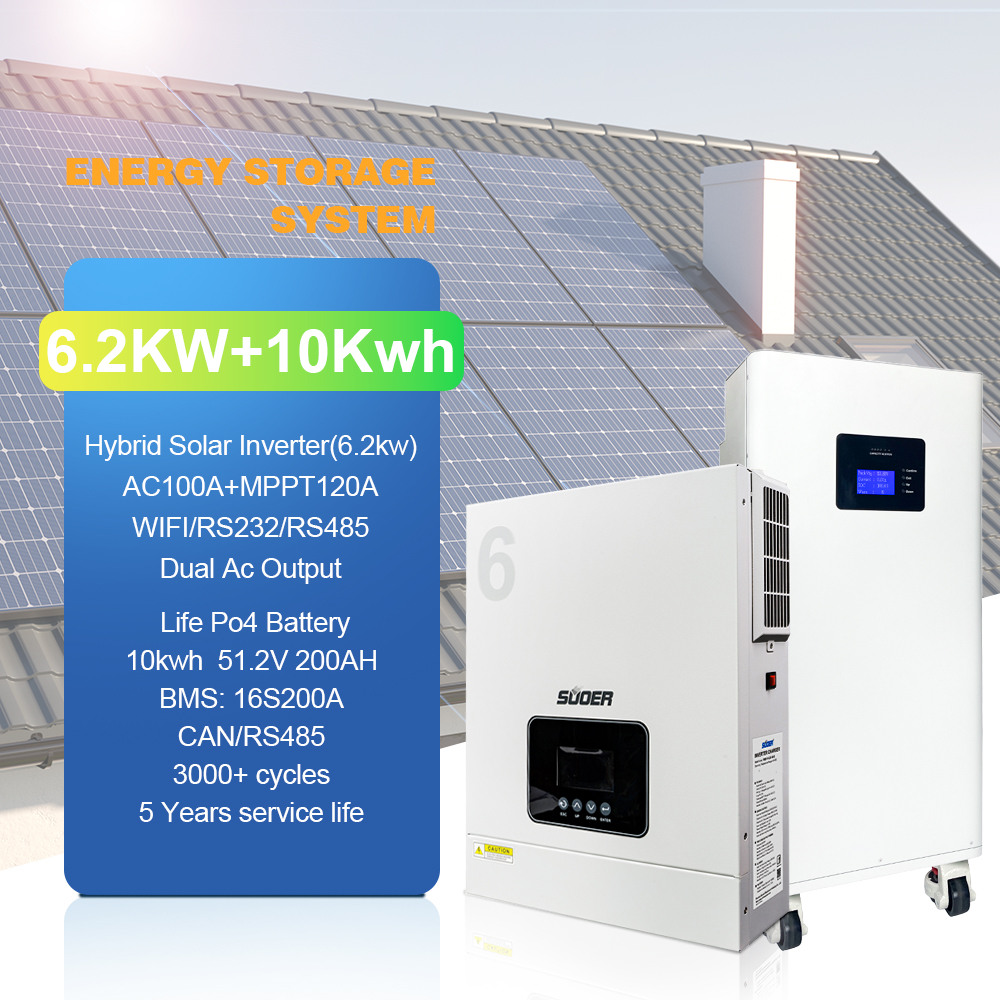
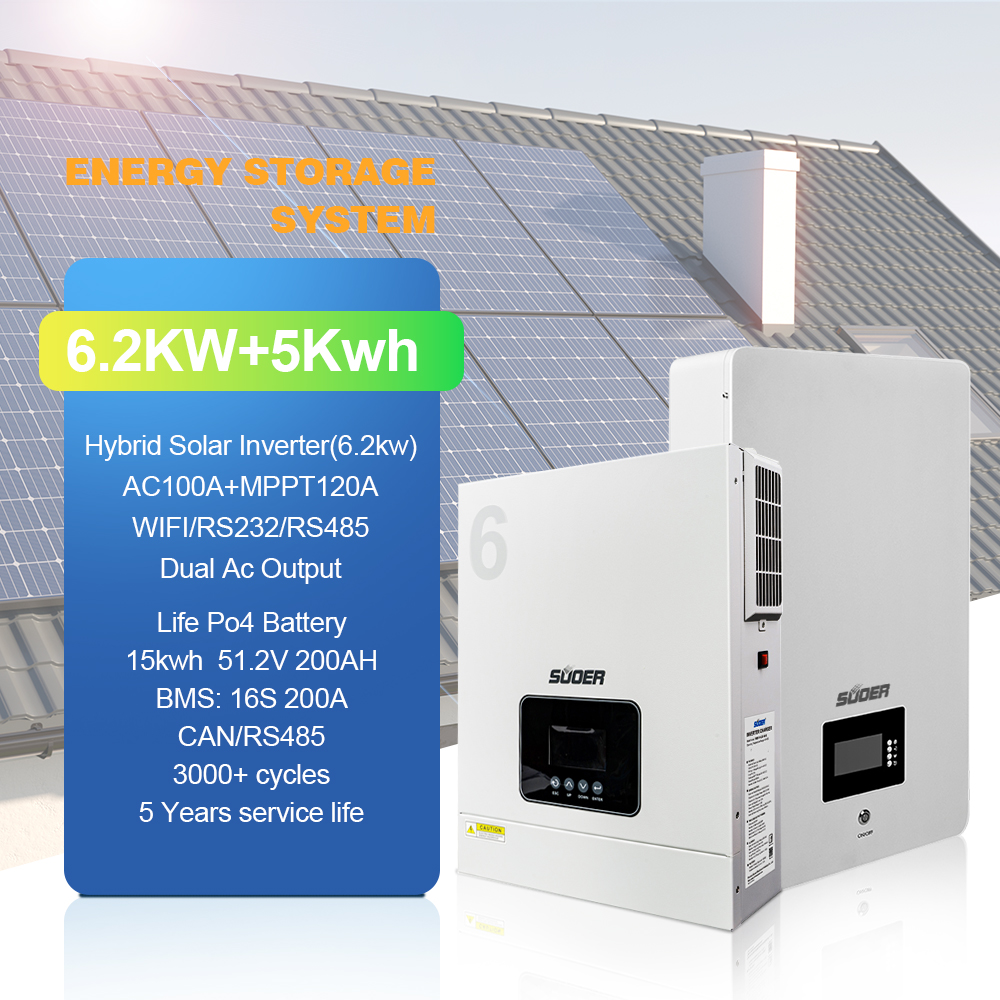
Choosing the right MPPT hybrid solar inverter is crucial for maximizing energy efficiency in photovoltaic systems. As a B2B buyer, you likely have concerns about performance, compatibility, and reliability. This article will guide you through vital considerations when selecting an MPPT hybrid solar inverter, delve into key specifications, and offer insights on evaluating quality, finding reputable suppliers, and understanding cost factors associated with bulk purchasing.
When selecting an MPPT hybrid solar inverter, several critical factors should be at the forefront of your decision-making process. First, consider the inverter's compatibility with your existing photovoltaic system and energy storage solutions. An inverter that integrates seamlessly with your components will optimize energy conversion and storage. For instance, consider the New 12kw Hybrid Solar Off-Grid Inverter System 15kwh 300ah Lithium Iron Lifepo4 Battery, which is designed for high compatibility.
Next, evaluate the inverter's output capacity and efficiency ratings. An inverter’s peak efficiency can significantly influence system performance, especially in varying weather conditions. It's essential to look for models that offer high conversion efficiency, typically above 95%, to ensure that the maximum amount of solar energy is utilized.
Additionally, consider the inverter's operational features, such as grid-tie capabilities, battery management functions, and monitoring options. These features can enhance system flexibility and provide valuable insights into energy usage, which is crucial for operational efficiency.
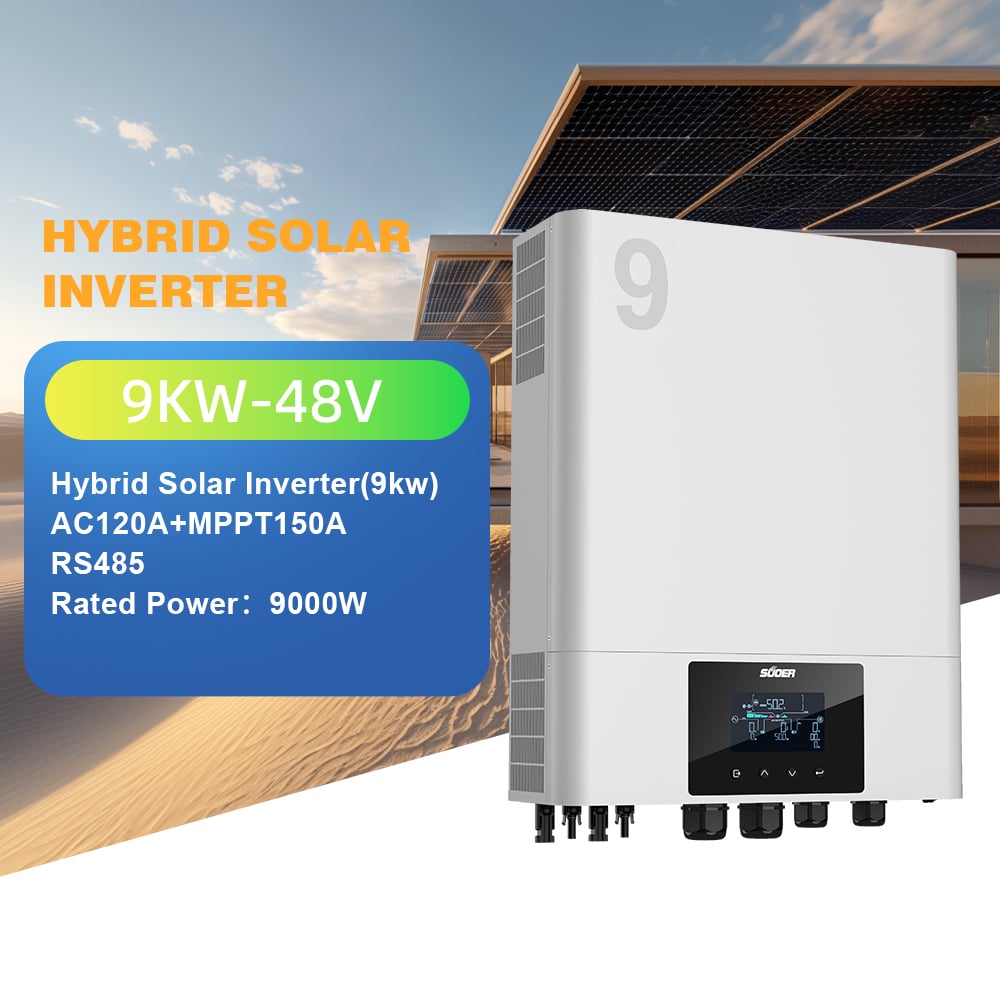
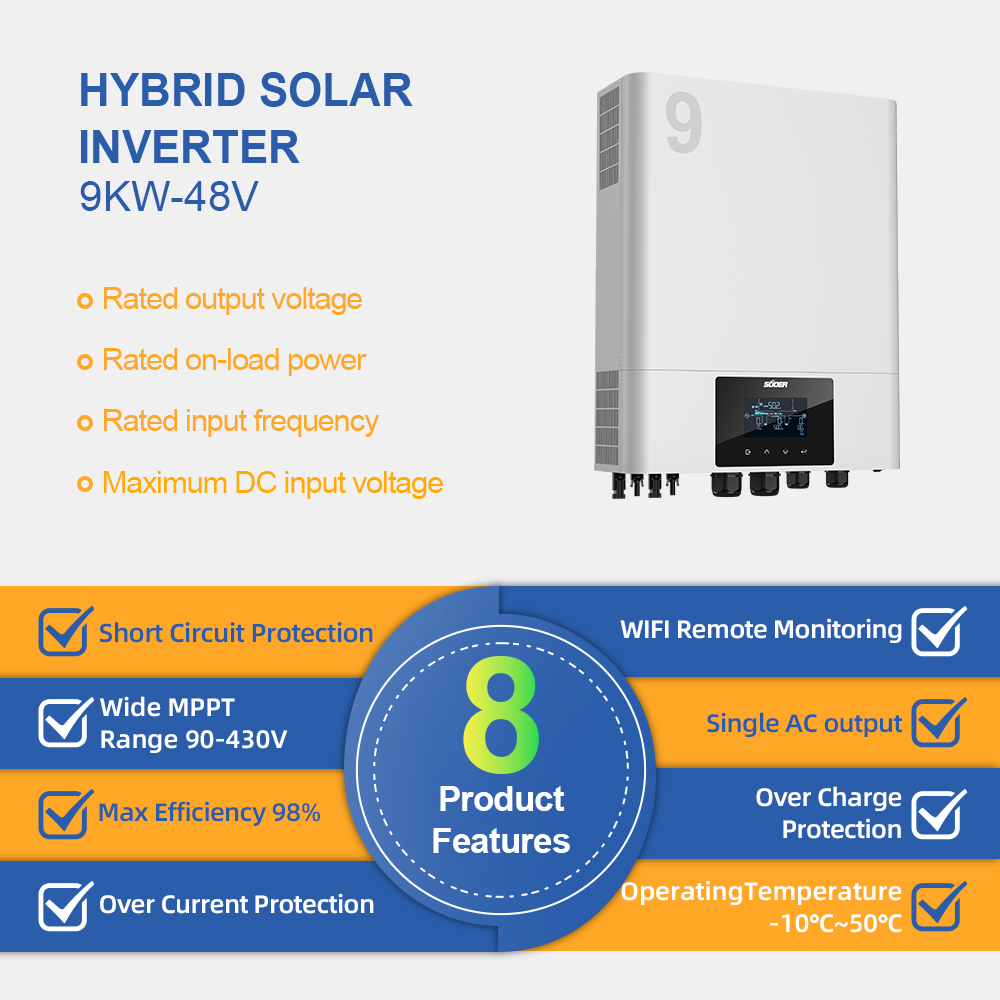
Understanding the key specifications of MPPT hybrid solar inverters is vital for making informed choices. Here are the most important specifications to consider:
Input Voltage Range: This specification indicates the range of input voltages the inverter can handle. Ensure that it aligns with the solar panels’ voltage output to avoid performance issues.
Rated Output Power: The maximum power output rating defines how much energy the inverter can deliver to the load or battery. Choose an inverter that matches or exceeds your system’s requirements to prevent overload conditions.
Efficiency Rating: Look for inverters with high efficiency ratings (usually between 95% and 98%). A higher efficiency rating means less energy loss during conversion, leading to more effective energy use.
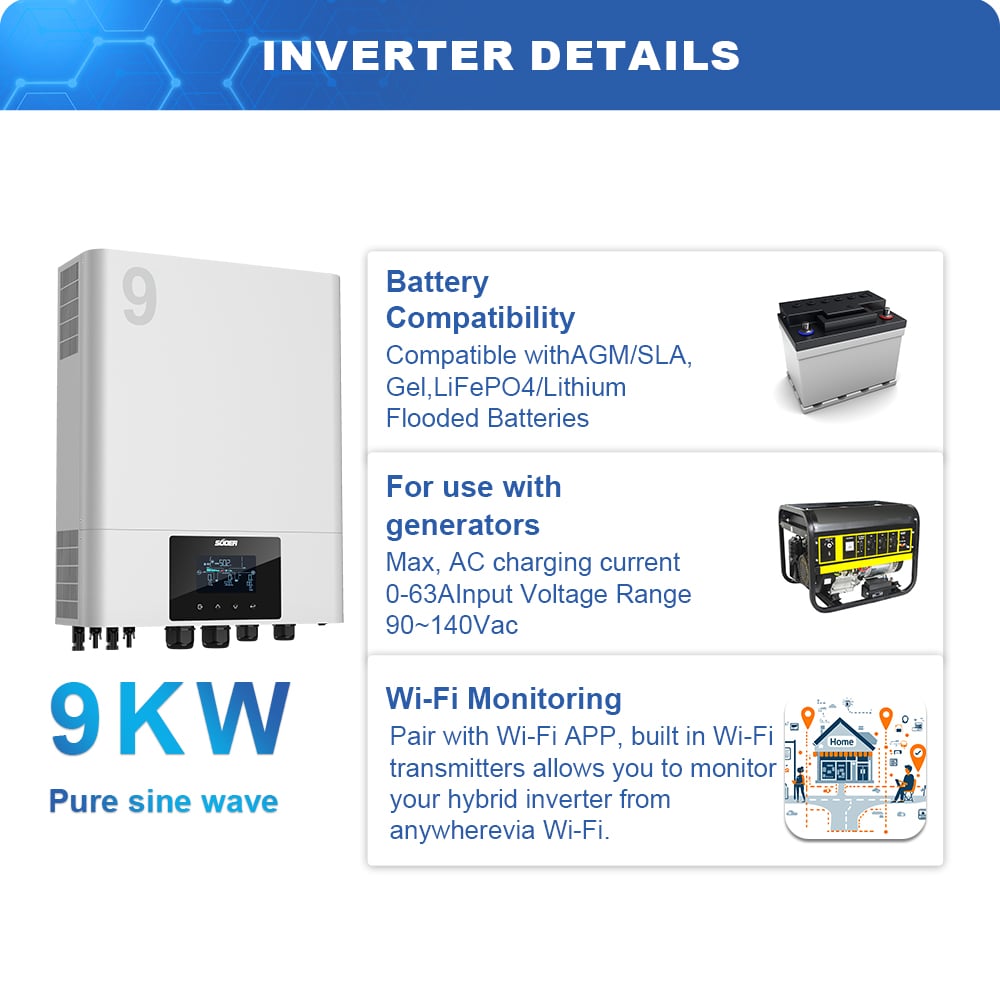
Battery Compatibility: Different inverters support various types of batteries (lead-acid, lithium-ion, etc.). Confirm compatibility to ensure optimal performance and longevity of your energy storage system. For example, the New 10.2kw Hybrid Solar Off-Grid Inverter System 10kwh 200ah Lithium Iron Lifepo4 Battery is a great option for lithium-ion compatibility.
Protection Features: Quality inverters come with built-in protection features such as over-voltage, under-voltage, and over-temperature protections. These features safeguard both the inverter and connected components.
Communication Protocols: Inverters equipped with communication capabilities (like Wi-Fi or Bluetooth) facilitate remote monitoring and management, enhancing operational efficiency.
Evaluating the quality of MPPT hybrid solar inverters, especially for bulk orders, involves several key assessments.
Certifications: Verify that the inverters hold relevant certifications, such as ROHS, CE, and ISO9001. These certifications indicate adherence to international safety and quality standards.
Manufacturer Reputation: Research the manufacturer's track record in the industry. Established manufacturers with a history of reliability and customer satisfaction are more likely to provide quality products.
Quality Control Processes: Inquire about the manufacturer's quality control measures. A robust quality assurance process, including testing each unit for performance and durability, can help ensure that you receive consistently high-quality products.
Sample Testing: Before committing to a large order, request samples to evaluate their performance under actual operating conditions. This step can uncover potential issues and give you confidence in your purchase.
Warranty and Support: Assess the warranty period and the manufacturer's after-sales support. A comprehensive warranty and responsive customer service can provide peace of mind and support over the product's lifecycle.
Finding reliable suppliers for MPPT hybrid solar inverters is essential for ensuring product quality and timely delivery. Here are some strategies to locate trustworthy partners:
Industry Trade Shows and Expos: Attending industry events allows you to meet suppliers in person, view product offerings, and discuss your specific needs directly with manufacturers.
Online Marketplaces and B2B Platforms: Platforms like Alibaba, Global Sources, and similar B2B sites host a variety of suppliers. Look for those with verified ratings and reviews.
Networking Within the Industry: Utilize professional networks and industry associations to gain referrals for reputable suppliers. Engaging with peers can provide insights into reliable sources based on their experiences.
Supplier Audits: If possible, conduct on-site audits of potential suppliers to assess their manufacturing capabilities, quality control processes, and overall operational practices.
Request References: Ask potential suppliers for references from past clients. Feedback from other businesses can help gauge the supplier's reliability and product quality.
When planning for bulk purchases of MPPT hybrid solar inverters, several cost factors come into play:
Unit Cost: The base price per inverter often decreases with larger orders due to bulk purchasing discounts. Ensure you request a detailed quotation that breaks down costs.
Shipping and Handling: Consider logistics costs, including shipping and any import duties. These costs can significantly affect the overall price of your order.
Payment Terms: Evaluate the supplier's payment terms. Flexible payment options may enhance your cash flow management.
Customization Costs: If you require customized features or specifications, factor in any additional costs associated with customization.
Long-term Performance Costs: Consider the long-term operational efficiency of the inverter. A higher initial cost may be justified if the inverter offers superior performance and longevity, reducing total cost of ownership over time. For example, consider the VMS-12kw energy system sales 12kw smart hybrid solar Inverter with MPPT solar charger for its long-term benefits.
By analyzing these factors, you can make informed decisions that align with your project requirements and budget constraints.

Discover Suoer’s premium range of solar inverters and power inverters designed for reliable renewable energy solutions.Trusted by customers worldwide for exceptional performance and durability.
Suoer Industrial Zone, Ercun Road Section, Yanfeng Avenue, Shishan Town,Foshan city,Guangdong Province,China
Copyright © 2024 Foshan Suoer Electronic Industry Co., Ltd. Privacy Policy - Blog

 EN
 AR
 NL
 FR
 DE
 EL
 IT
 JA
 KO
 PT
 RU
 ES
 VI
 TH
 TR
 BG
 HR
 CS
 NO
 PL
 TL
 ID
 SR
 UK
 SQ
 HU
 MT
 AF
 MS
 IS
 HY
 AZ
 BN
 BS
 GU
 LO
 LA
 MN
 NE
 TA