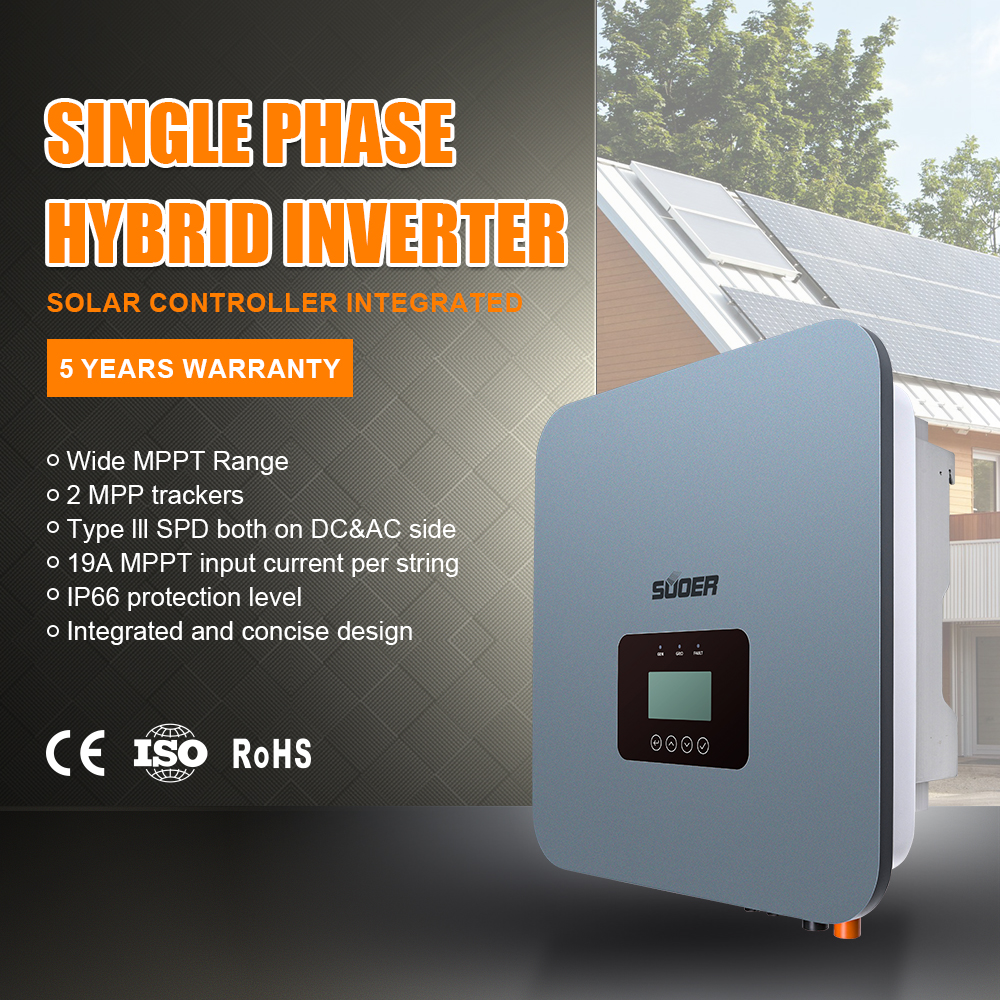
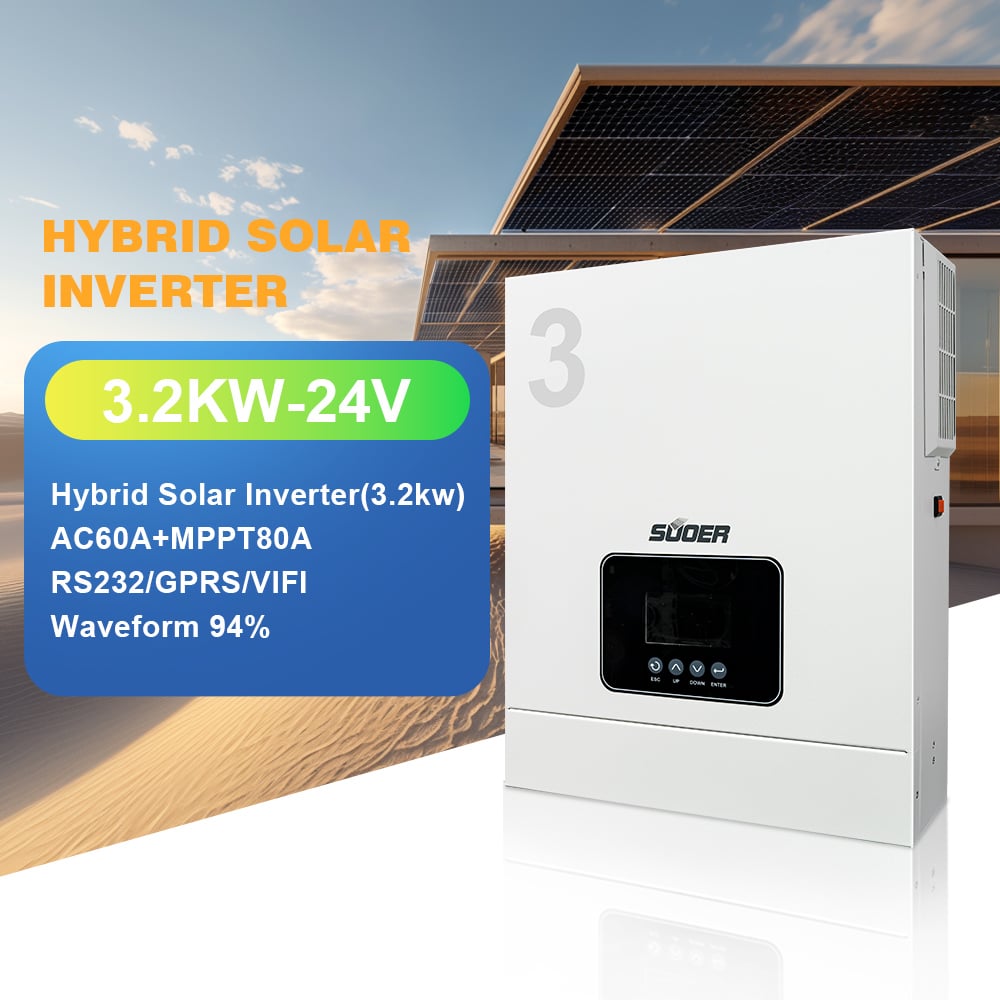
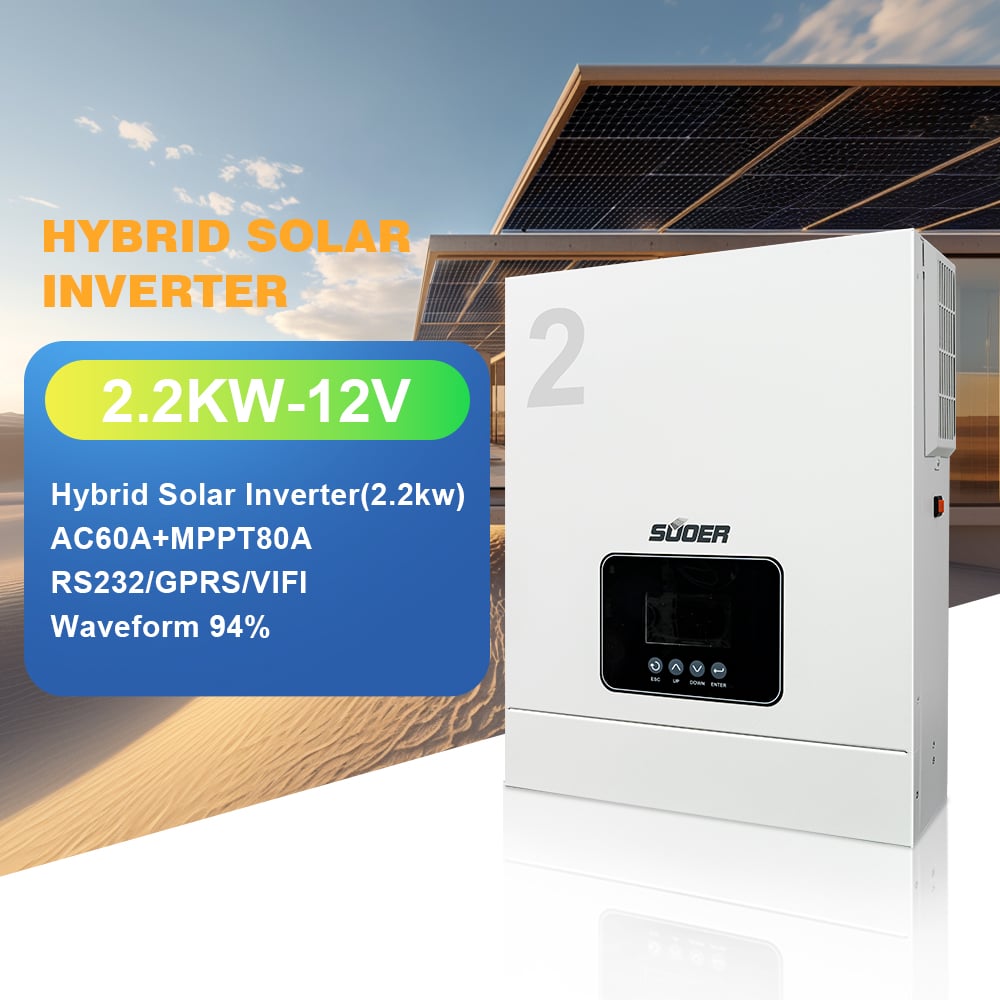
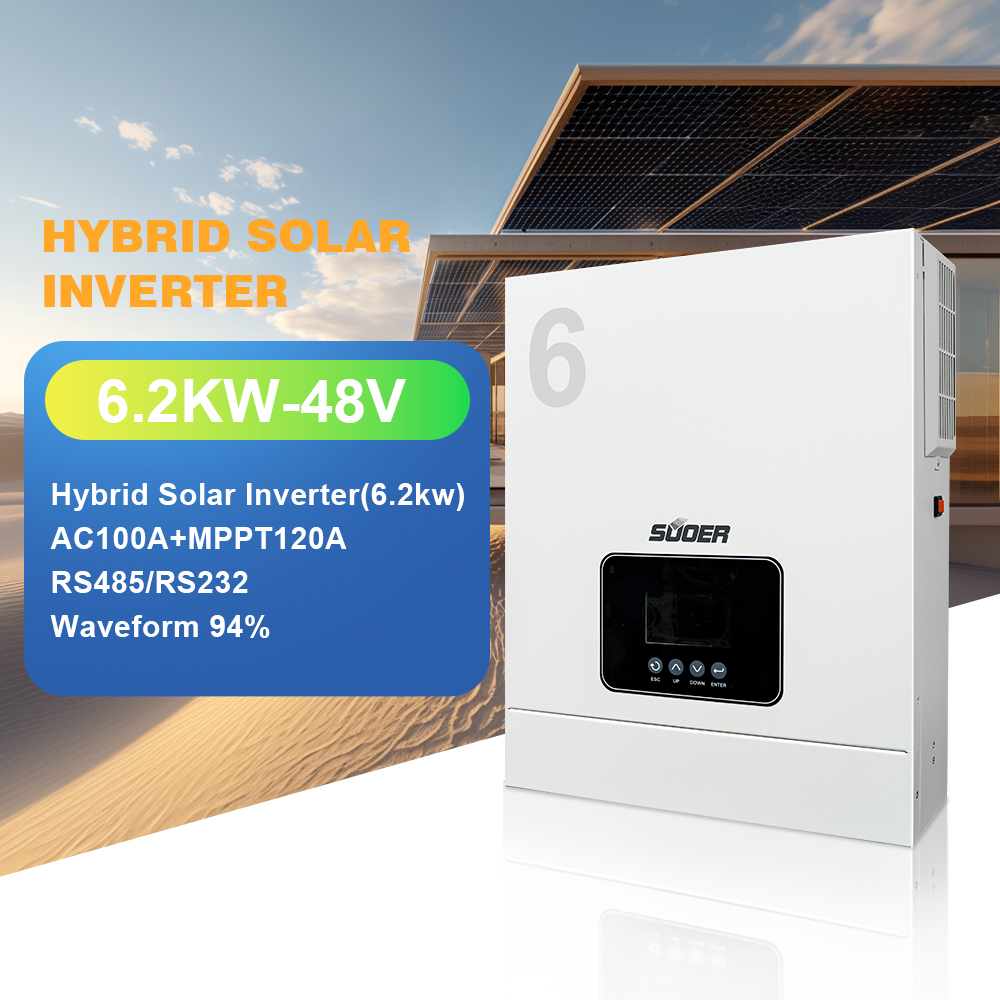
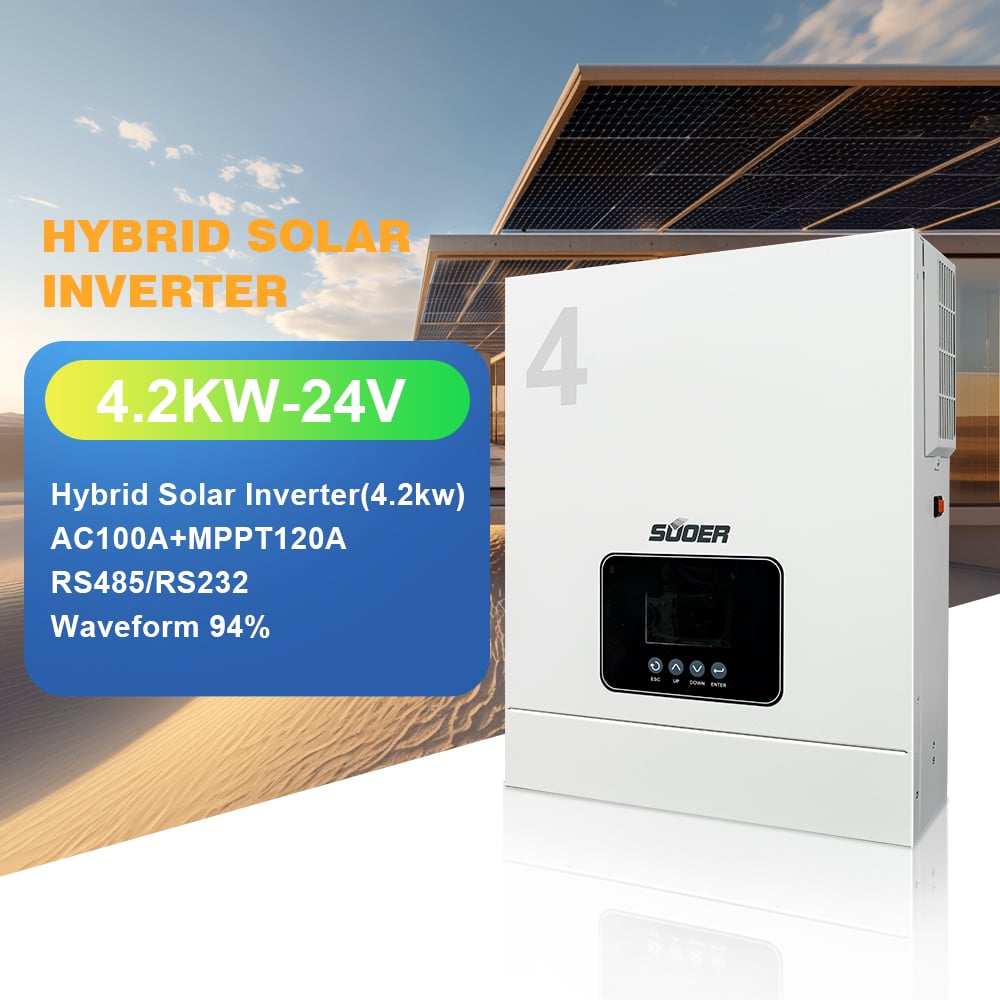
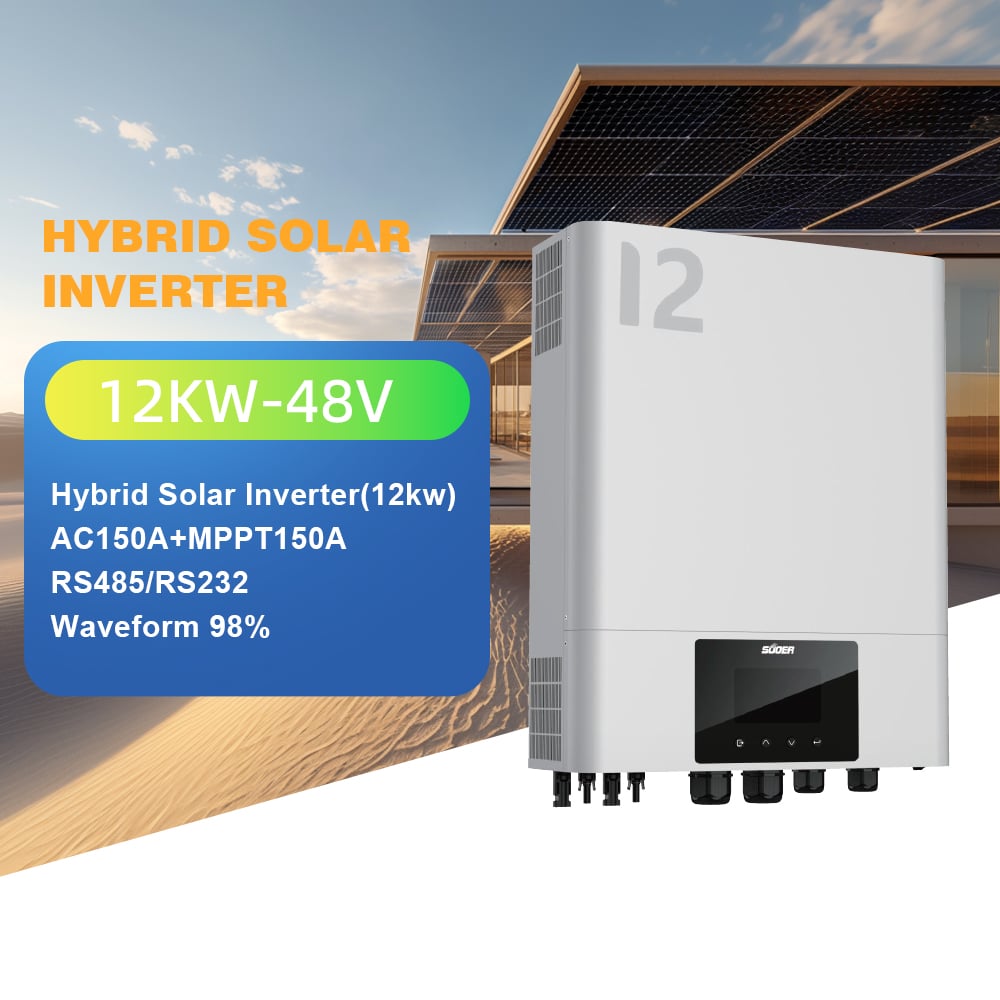
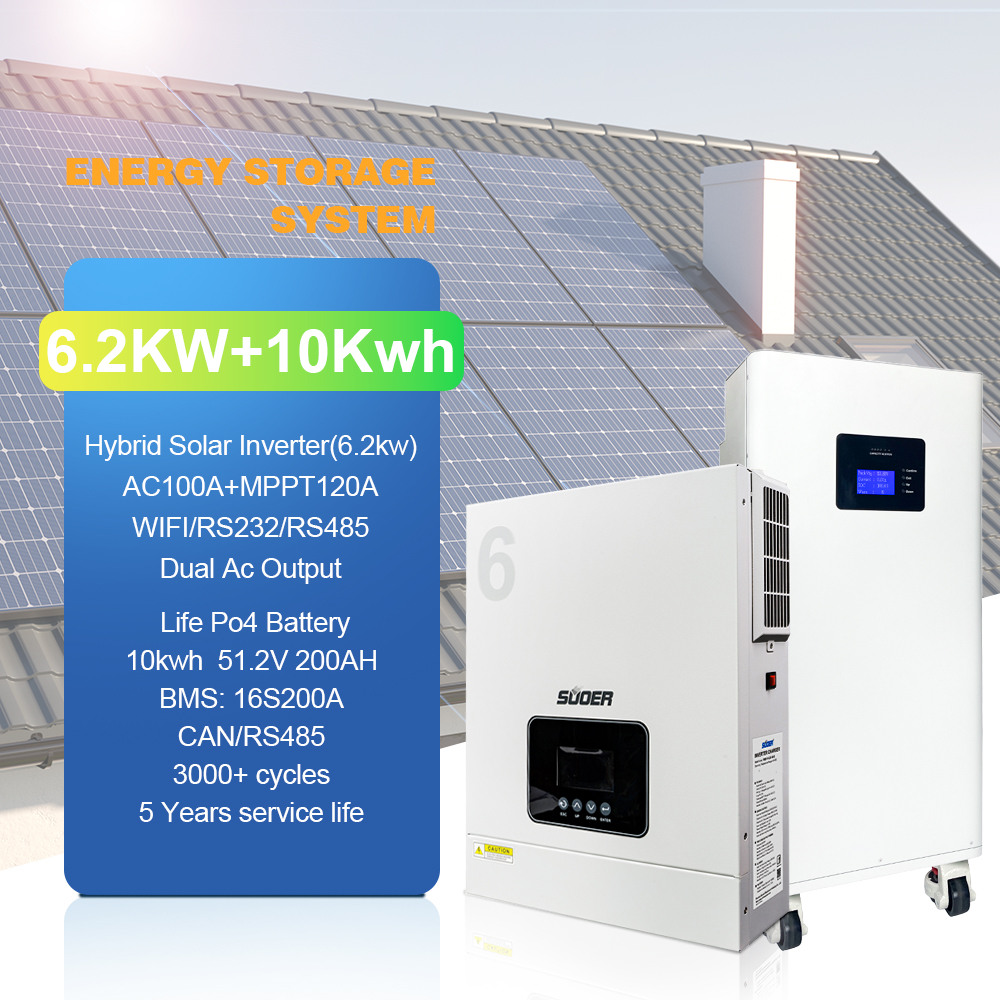
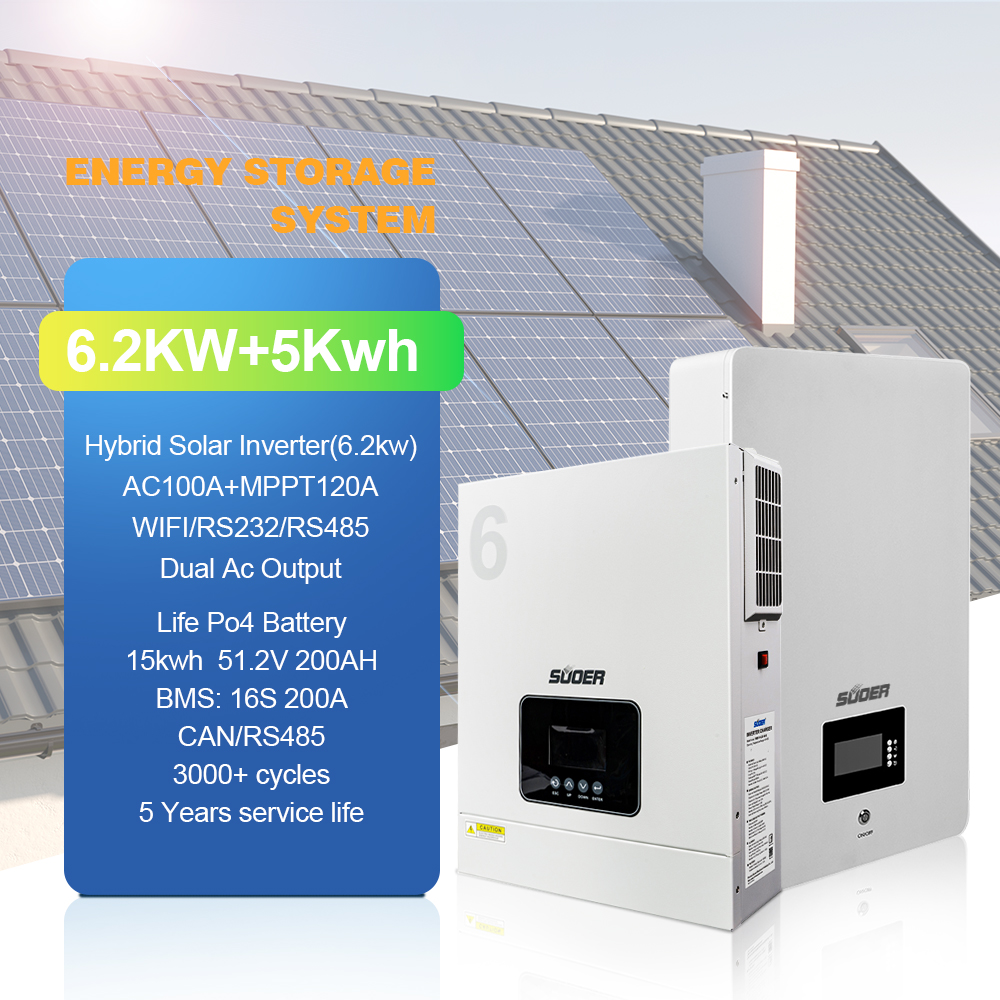
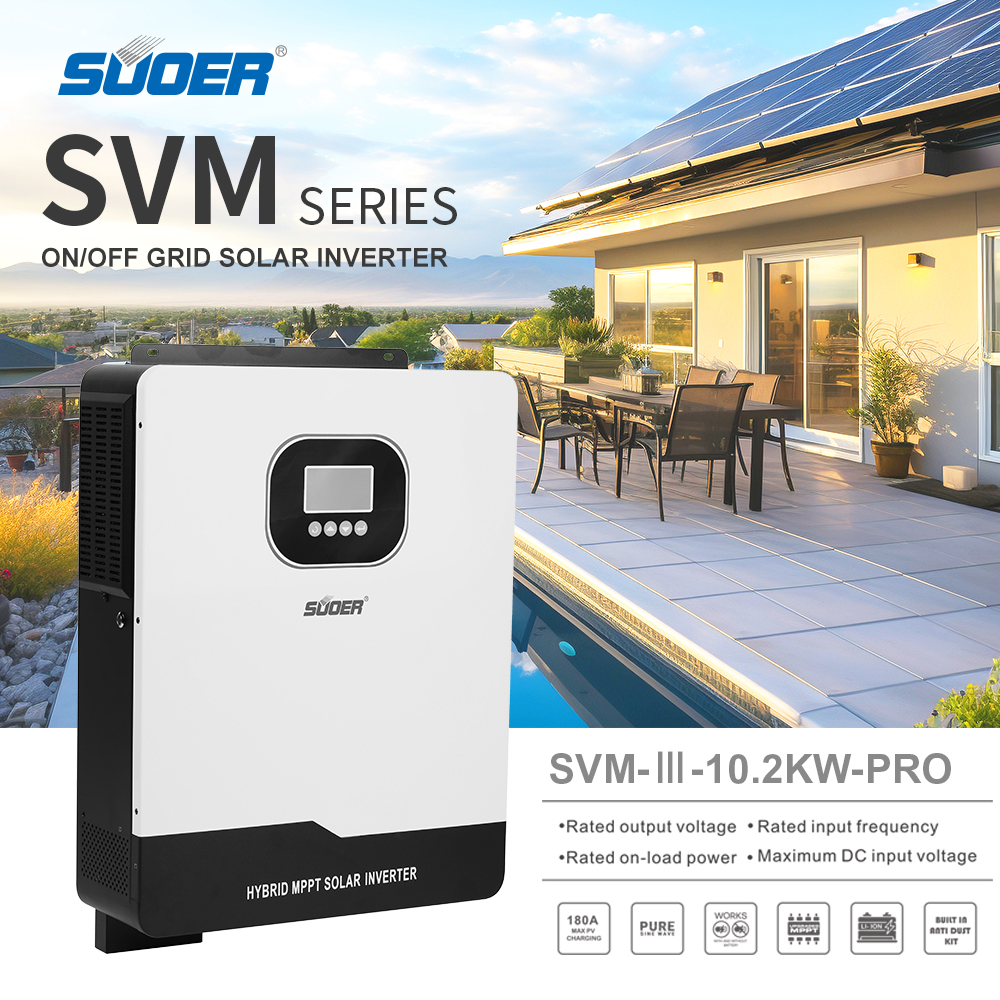
In an era where energy efficiency and sustainability are paramount, the MPPT hybrid inverter has emerged as a critical component in various applications, especially in the new energy sector. These devices integrate Maximum Power Point Tracking (MPPT) technology, optimizing energy conversion from renewable sources. B2B buyers, such as purchasing managers and engineers, often face concerns regarding compatibility, specifications, and application scenarios when selecting an MPPT hybrid inverter. This article aims to provide valuable insights into choosing the right model, sourcing reliable suppliers, exploring application scenarios, troubleshooting common issues, and understanding the advantages of this technology.
Selecting the appropriate MPPT hybrid inverter involves considering several critical factors. First, assess the inverter’s power rating, which should align with your project's energy requirements. The inverter must handle the maximum load anticipated, thus ensuring it operates efficiently without risk of overload.
Next, evaluate the input voltage range and the number of solar input channels. This is essential for compatibility with your photovoltaic (PV) system. If you plan to expand your solar array in the future, consider an inverter that allows for additional inputs. For instance, the New 10.2kw Hybrid Solar Off-Grid Inverter System 10kwh 200ah Lithium Iron Lifepo4 Battery Split Stackable could be a great addition.
Moreover, pay attention to the inverter's efficiency rating. High efficiency is vital for maximizing energy output, especially in commercial applications where energy costs can significantly impact operations. Look for models with efficiency ratings of 95% or higher.
Lastly, consider the inverter's features, such as grid-tie capabilities, battery management systems, and real-time monitoring options. These functionalities not only enhance user experience but also improve system reliability. For custom solutions, discuss your specific requirements with manufacturers who can provide tailored advice based on your unique project needs.
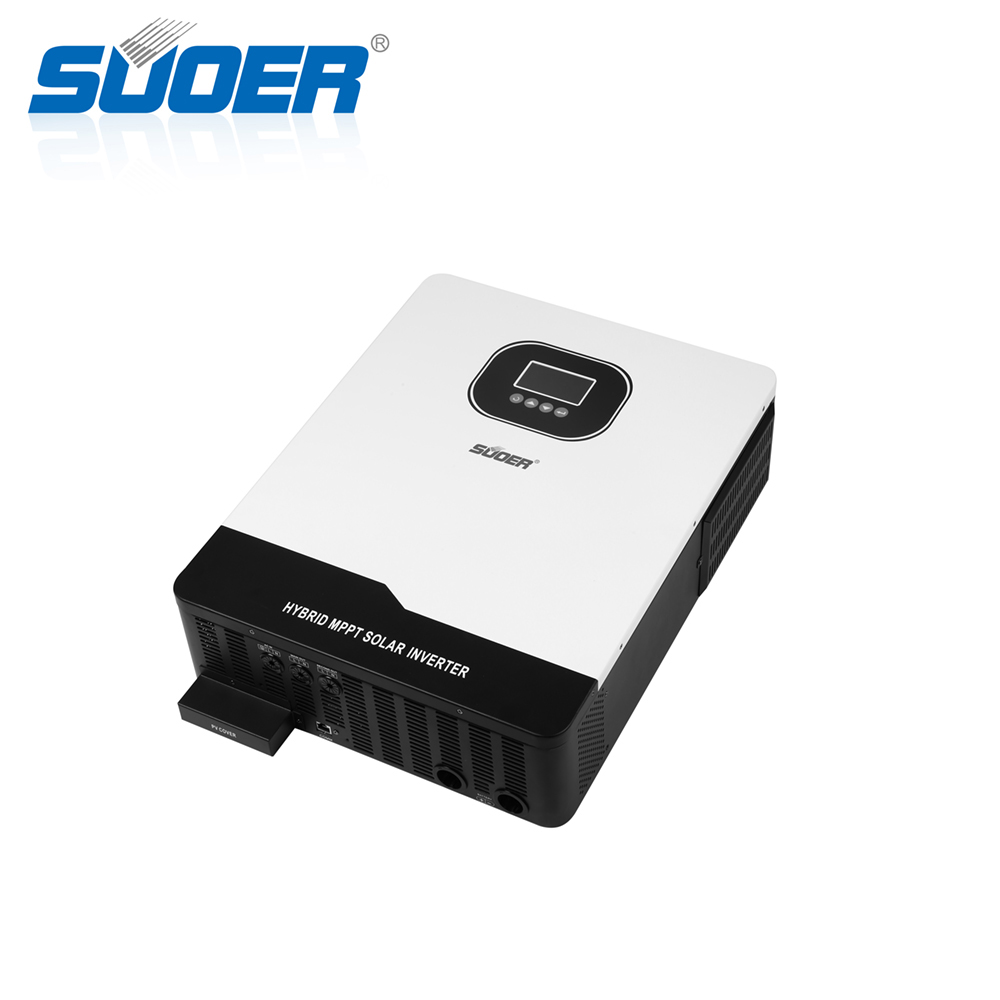
Sourcing reliable MPPT hybrid inverters requires careful evaluation of potential suppliers. Start by identifying manufacturers with a proven track record in the new energy sector, particularly those with experience in producing equipment for electric vehicles and industrial applications.
Look for suppliers that hold relevant certifications such as ROHS, CE, and ISO9001, which indicate adherence to quality standards. These certifications can provide peace of mind regarding the reliability and safety of the products.
When considering bulk orders, inquire about the manufacturer’s production capacity and lead times. This ensures they can meet your demand without compromising quality. Request detailed product specifications and samples to evaluate performance under your operating conditions. Additionally, explore options for customization to fit your specific application needs. For example, consider the VMS-12kw energy system sales 12kw smart hybrid solar Inverter with MPPT solar charger for tailored solutions.
Establishing a relationship with a manufacturer who offers comprehensive technical support can also enhance your procurement experience. This support might include assistance with installation, maintenance guidance, and troubleshooting, making it easier for your team to manage the inverters effectively.
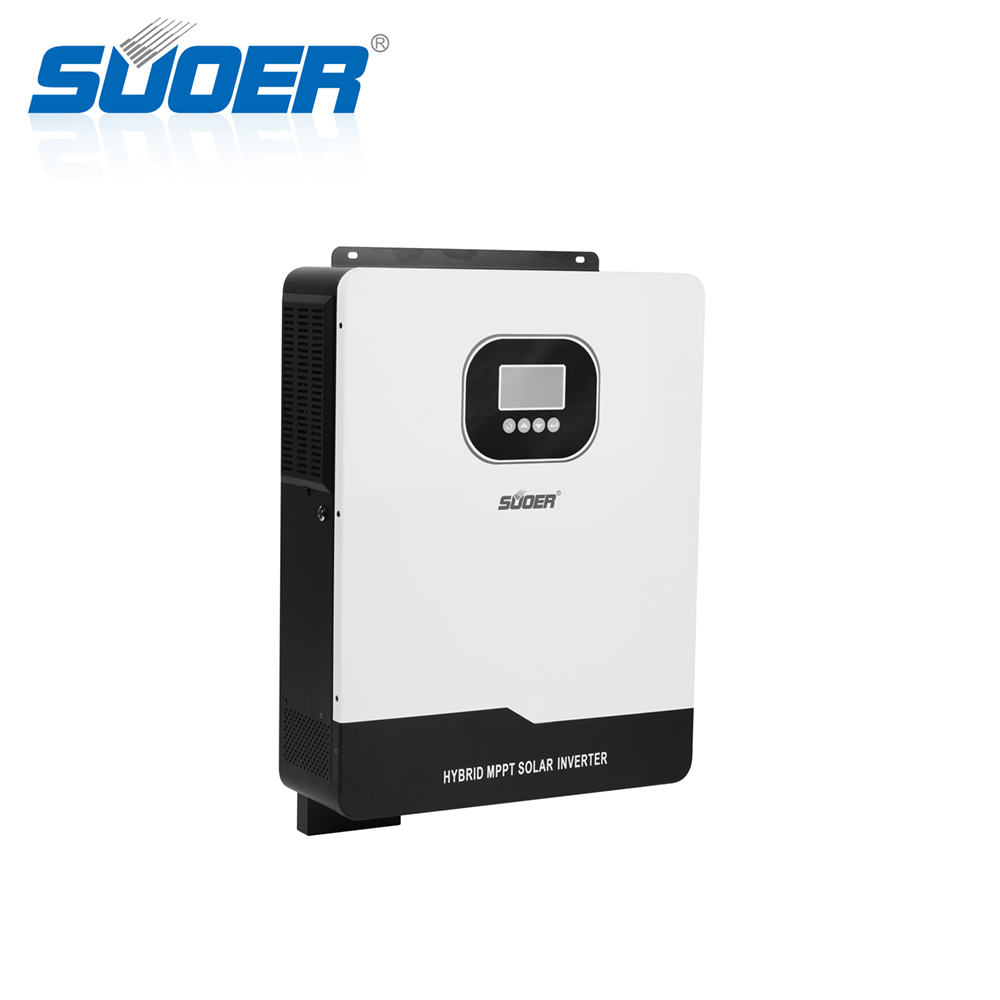
MPPT hybrid inverters find applications across multiple industries, each benefitting from their efficient energy management capabilities. In the renewable energy sector, these inverters optimize energy capture from solar panels, making them ideal for both residential and commercial solar installations.
In the electric vehicle industry, they play a crucial role in charging stations, improving energy conversion efficiency and reducing charging times. Their ability to manage power from diverse sources, including solar and grid energy, positions them as a versatile solution for modern charging infrastructure.
Telecommunications companies also leverage MPPT hybrid inverters to ensure reliable power supply for remote base stations. By optimizing solar energy use, these inverters help reduce operational costs and reliance on diesel generators, contributing to sustainability goals.
Furthermore, in rail transit systems, MPPT hybrid inverters can enhance energy efficiency by managing energy flow from overhead lines and onboard batteries, ensuring seamless power supply and improved operational efficiency.
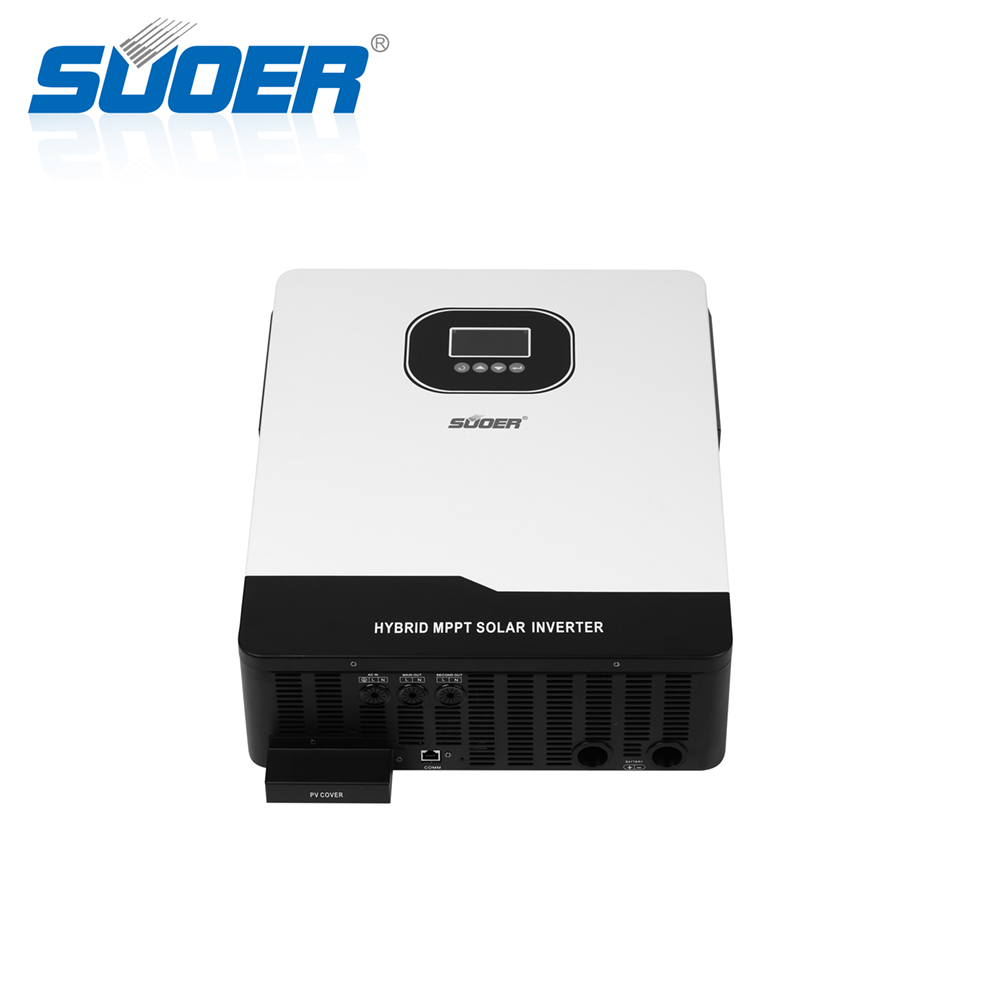
Despite their advantages, MPPT hybrid inverters can present challenges. One common issue is overheating, often caused by inadequate ventilation or overloading. Ensure that the installation site allows for proper airflow and that the inverter is not exceeding its rated capacity.
Another frequent problem is poor performance due to incorrect settings or compatibility issues with the solar array. Ensure that the inverter's configuration matches the specifications of the solar panels, including voltage and current ratings. Regularly update firmware to benefit from performance enhancements and bug fixes.
Battery management issues can also arise, particularly in systems that integrate energy storage. Monitor battery health and ensure that the inverter's charging parameters align with the battery specifications to avoid damage and prolong lifespan.
For troubleshooting, consult the manufacturer’s manual for diagnostic codes and solutions. Additionally, maintain regular communication with your supplier for expert advice and support.
The MPPT hybrid inverter technology offers numerous advantages that make it a preferred choice for many applications. One of the primary benefits is its ability to maximize energy harvest from solar panels, even under variable conditions. This capability significantly improves overall system efficiency compared to traditional inverters.
Moreover, MPPT technology allows for better management of energy distribution, enabling seamless transitions between solar, grid, and battery power. This flexibility is particularly beneficial in applications where energy demand fluctuates, ensuring that power supply remains stable and reliable.
Another advantage is the integration of advanced monitoring features, which provide real-time data on energy production and consumption. This data is invaluable for optimizing system performance and facilitating proactive maintenance, ultimately reducing operational costs.
Finally, the scalability of MPPT hybrid inverters makes them suitable for a wide range of applications, from small residential systems to large commercial installations. With the potential for future upgrades and expansions, these inverters provide a long-term solution for energy management needs.
By understanding how to choose, source, and implement MPPT hybrid inverters, B2B buyers can make informed decisions that enhance their energy systems, ultimately leading to greater efficiency and cost savings.

Discover Suoer’s premium range of solar inverters and power inverters designed for reliable renewable energy solutions.Trusted by customers worldwide for exceptional performance and durability.
Suoer Industrial Zone, Ercun Road Section, Yanfeng Avenue, Shishan Town,Foshan city,Guangdong Province,China
Copyright © 2024 Foshan Suoer Electronic Industry Co., Ltd. Privacy Policy - Blog

 EN
 AR
 NL
 FR
 DE
 EL
 IT
 JA
 KO
 PT
 RU
 ES
 VI
 TH
 TR
 BG
 HR
 CS
 NO
 PL
 TL
 ID
 SR
 UK
 SQ
 HU
 MT
 AF
 MS
 IS
 HY
 AZ
 BN
 BS
 GU
 LO
 LA
 MN
 NE
 TA