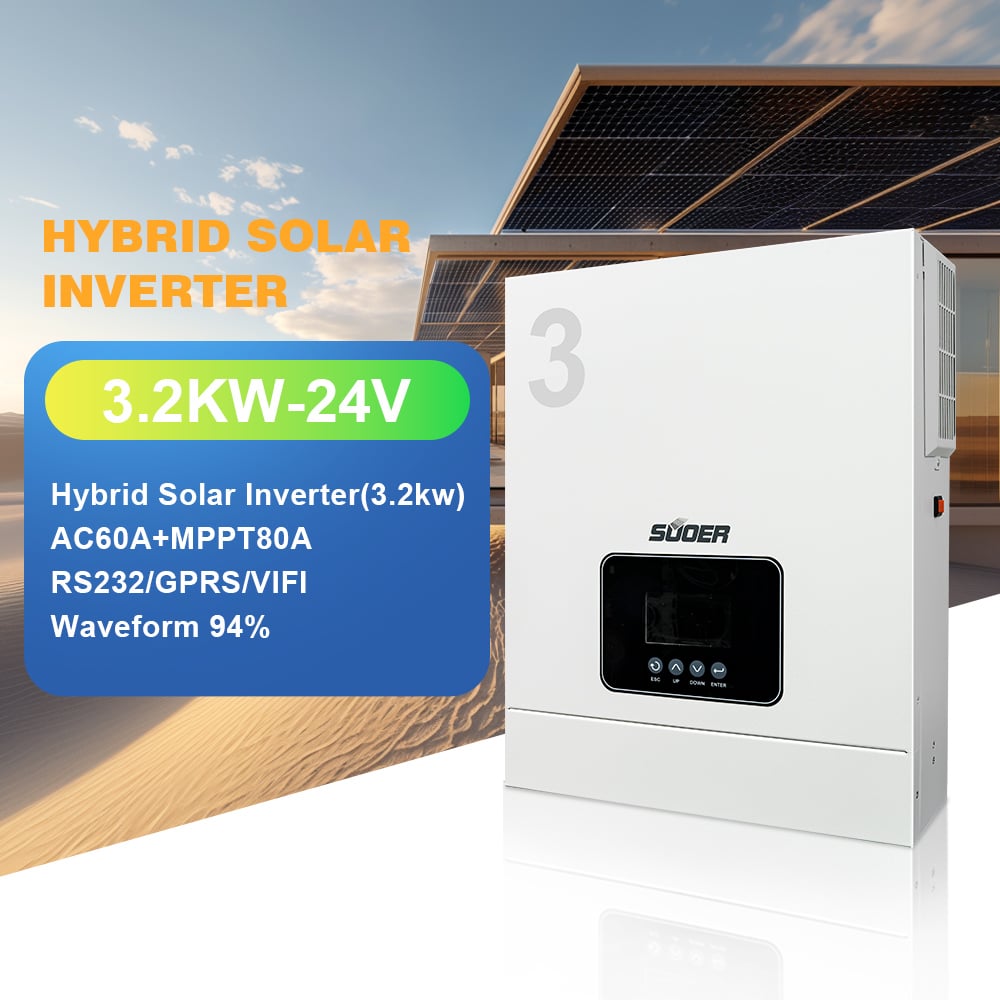
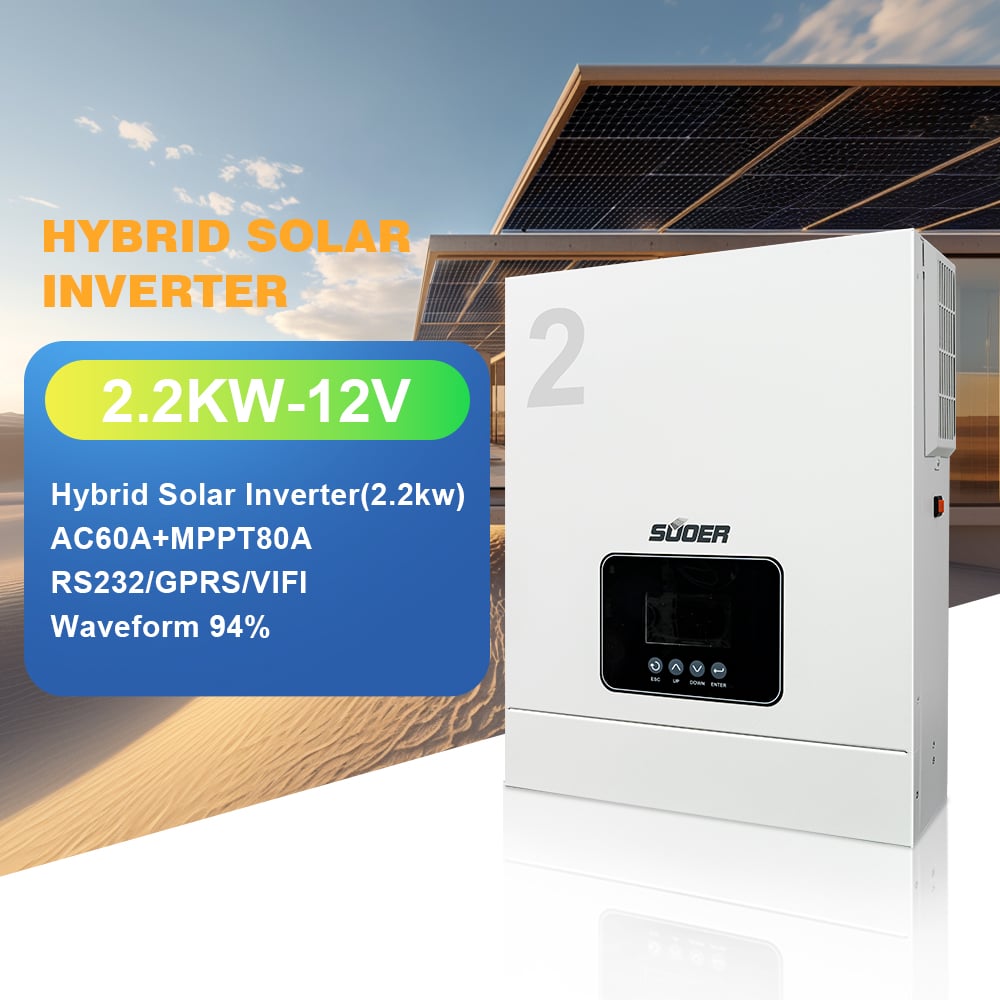
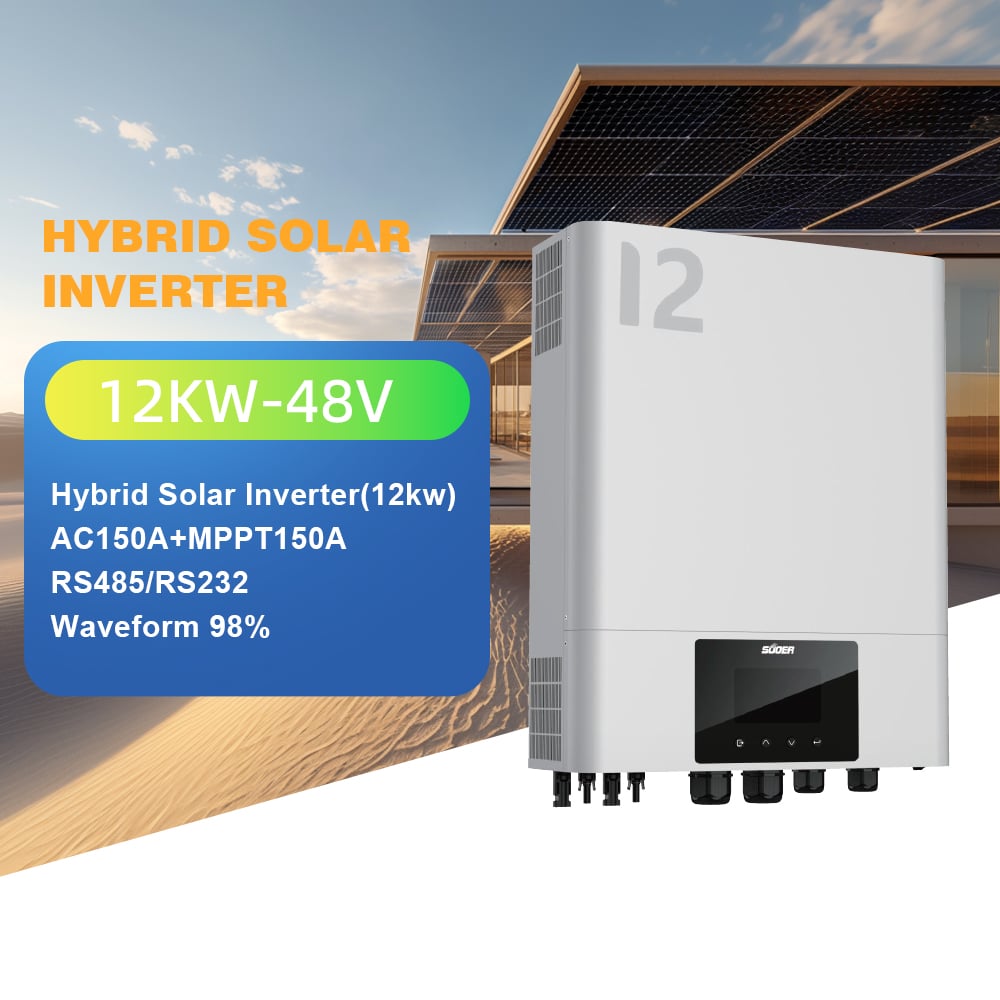
In the realm of renewable energy, hybrid inverter MPPT (Maximum Power Point Tracking) systems are essential for optimizing solar energy conversion. These systems not only enhance the efficiency of photovoltaic installations but also cater to a wide range of applications, including electric vehicles and industrial power supplies. For B2B buyers, understanding the technical specifications, sourcing reliable suppliers, and ensuring quality control are paramount. This article provides detailed insights into these areas, helping purchasing managers, engineers, and product managers make informed decisions.
When evaluating hybrid inverter MPPT systems, several key specifications should be considered to ensure optimal performance and compatibility with your application.
Efficiency Ratings: Look for systems with high conversion efficiency, usually above 95%. This indicates how effectively the inverter converts DC to AC power, impacting overall energy savings.
Input Voltage Range: Ensure that the inverter can handle the voltage range of your solar panels. A wider range provides flexibility in system design and future scalability.
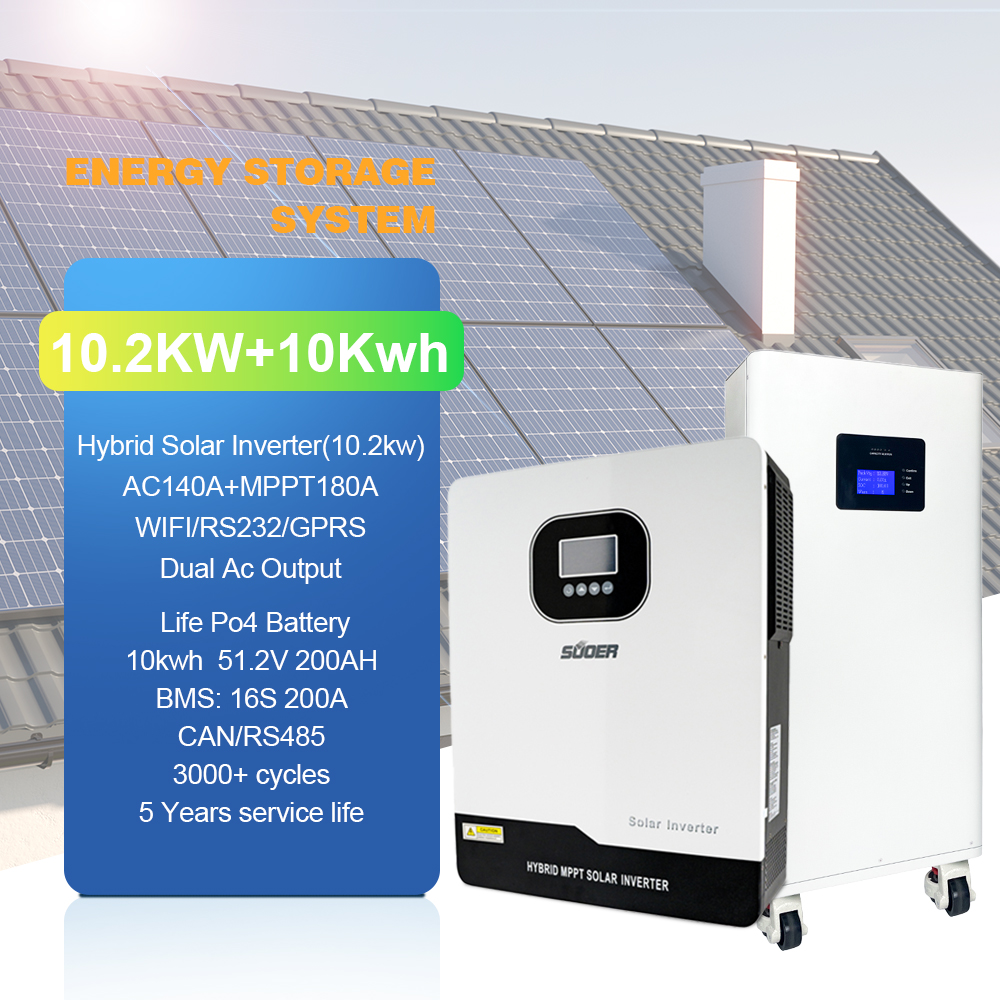
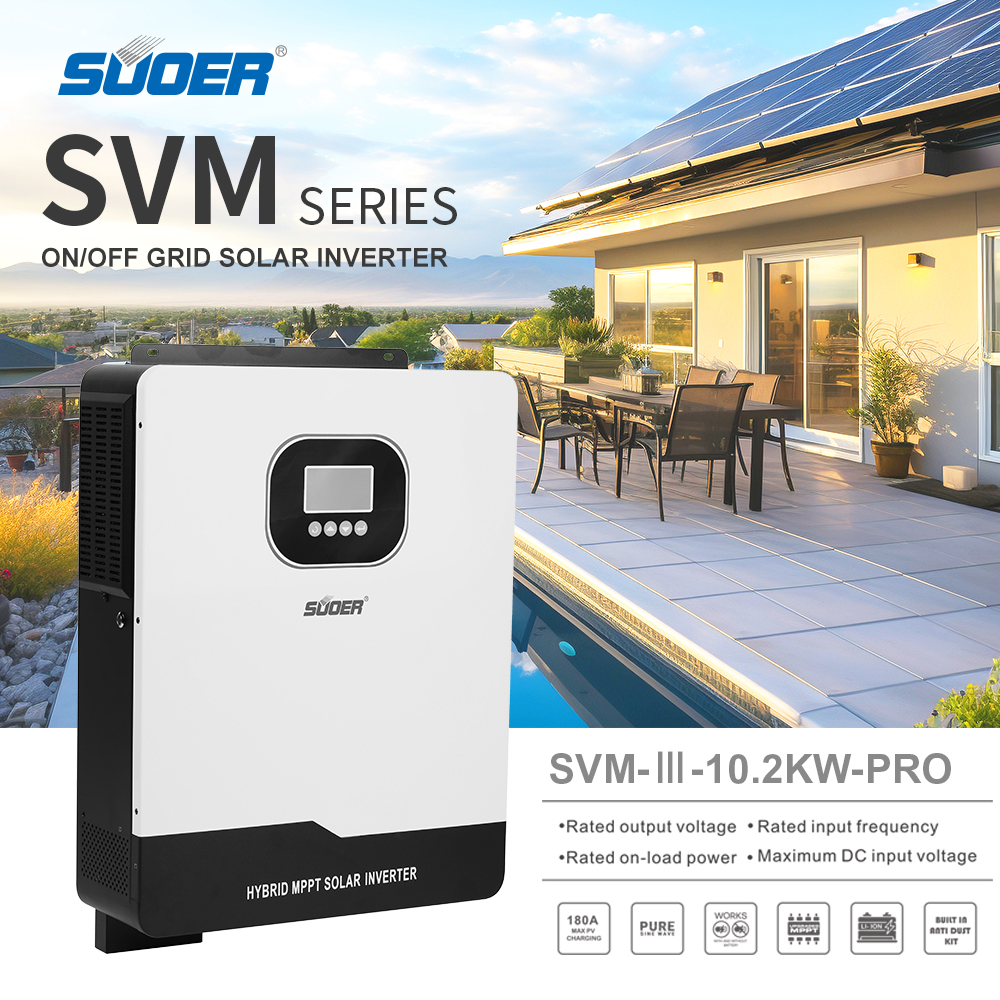
Power Output: The inverter's power output should match or exceed the energy requirements of your application. This is especially important for industrial uses where energy demands can fluctuate. For example, consider the New 10.2kw Hybrid Solar Off-Grid Inverter System 10kwh 200ah Lithium Iron Lifepo4 Battery Split Stackable for robust energy needs.
MPPT Algorithm: Different inverters may use various MPPT algorithms, such as Perturb and Observe or Incremental Conductance. Each algorithm has its advantages depending on environmental conditions.
Communication Protocols: Ensure the inverter supports relevant communication protocols, such as RS-485 or Ethernet, for integration with monitoring systems or smart grids.
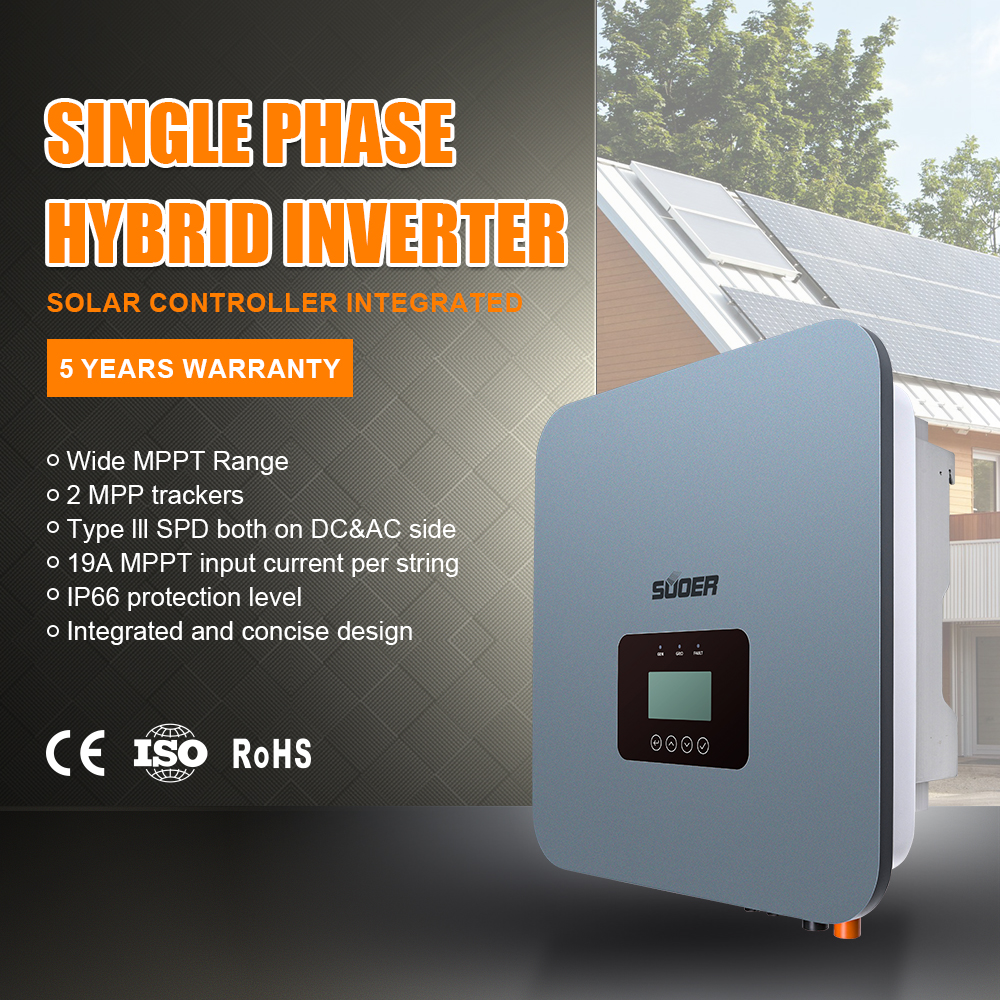
Safety Certifications: Check for compliance with international safety standards such as UL, CE, and ISO certifications. This ensures reliability and safety in operation.
Understanding these specifications helps in selecting a hybrid inverter that aligns with your energy needs, ensuring long-term performance and reliability.
Finding reputable suppliers for hybrid inverter MPPT systems is crucial for ensuring quality and reliability. Here are some strategies to identify trustworthy suppliers:
Industry Trade Shows and Exhibitions: Participating in industry events can provide direct access to manufacturers and distributors. Networking opportunities allow buyers to evaluate products firsthand and discuss specifications in detail.
Online B2B Marketplaces: Websites like Alibaba, Global Sources, or ThomasNet can help identify suppliers. Look for those with verified credentials, positive customer reviews, and a proven track record in the renewable energy sector.
Industry Associations: Engage with associations related to renewable energy or electrical engineering. These organizations often provide resources, directories, and recommendations for reputable suppliers.
Referrals and Word of Mouth: Ask industry peers for recommendations. Personal experiences can often lead to finding reliable suppliers who meet specific requirements.
Supplier Audits: Before finalizing a supplier, conduct audits to evaluate their manufacturing capabilities, quality control processes, and production capacity. This ensures they can meet your demands consistently.
By leveraging these strategies, you can source hybrid inverter MPPT suppliers that align with your quality and performance expectations.
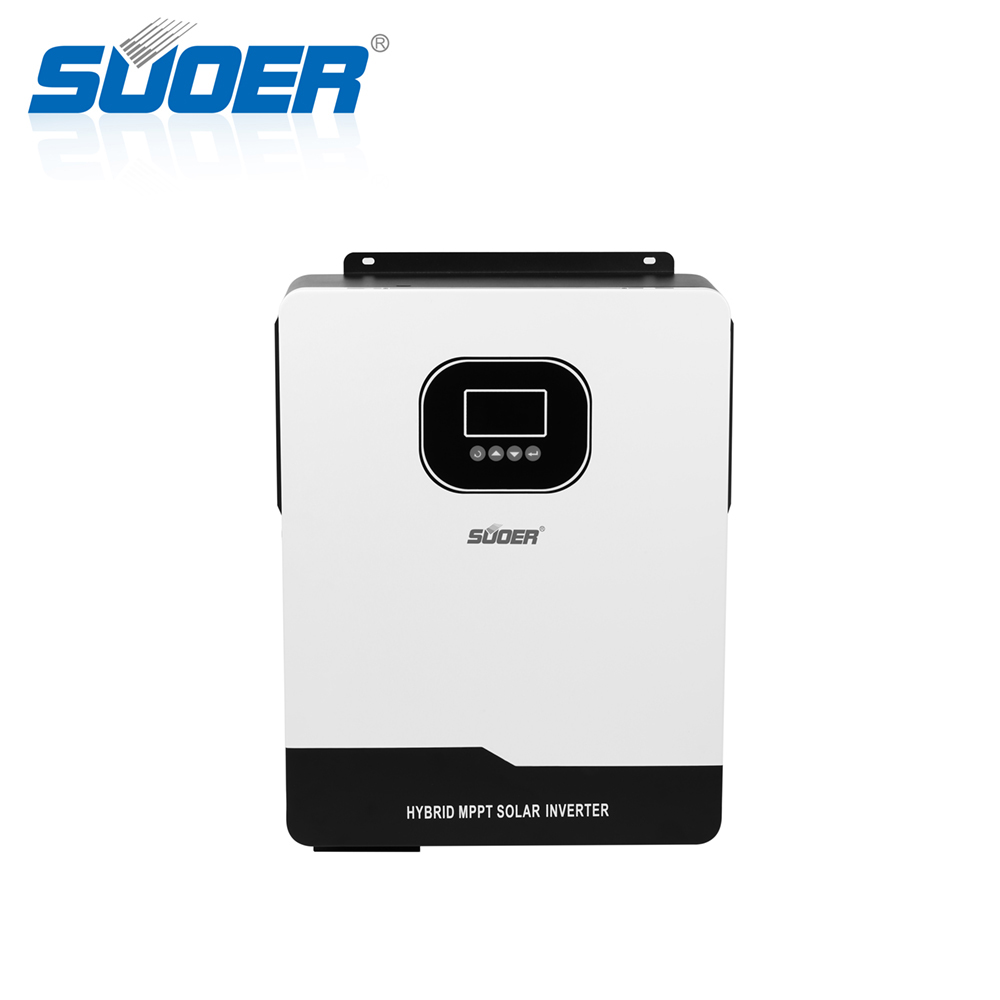
Quality control is critical in the production of hybrid inverter MPPT systems, ensuring that each unit meets established performance standards. Key components of the quality control process include:
Raw Material Inspection: All incoming materials, such as semiconductors and capacitors, should be inspected for compliance with specifications. This step helps prevent defects in the final product.
In-Process Testing: Implementing testing protocols during various production stages allows manufacturers to identify potential issues early. This includes thermal testing, electronic parameter verification, and load testing.
Final Product Testing: Each finished inverter should undergo rigorous testing to ensure it meets efficiency and safety standards. This may include simulation of operating conditions to confirm performance under actual use scenarios.
Certification and Compliance Checks: Ensure that products are tested and certified according to relevant industry standards. This adds a layer of assurance regarding safety and reliability.
Customer Feedback Integration: Manufacturers should actively seek and integrate feedback from customers to continuously improve product design and performance.
Establishing a robust quality control process not only enhances product reliability but also builds trust with customers, ensuring long-term business relationships.
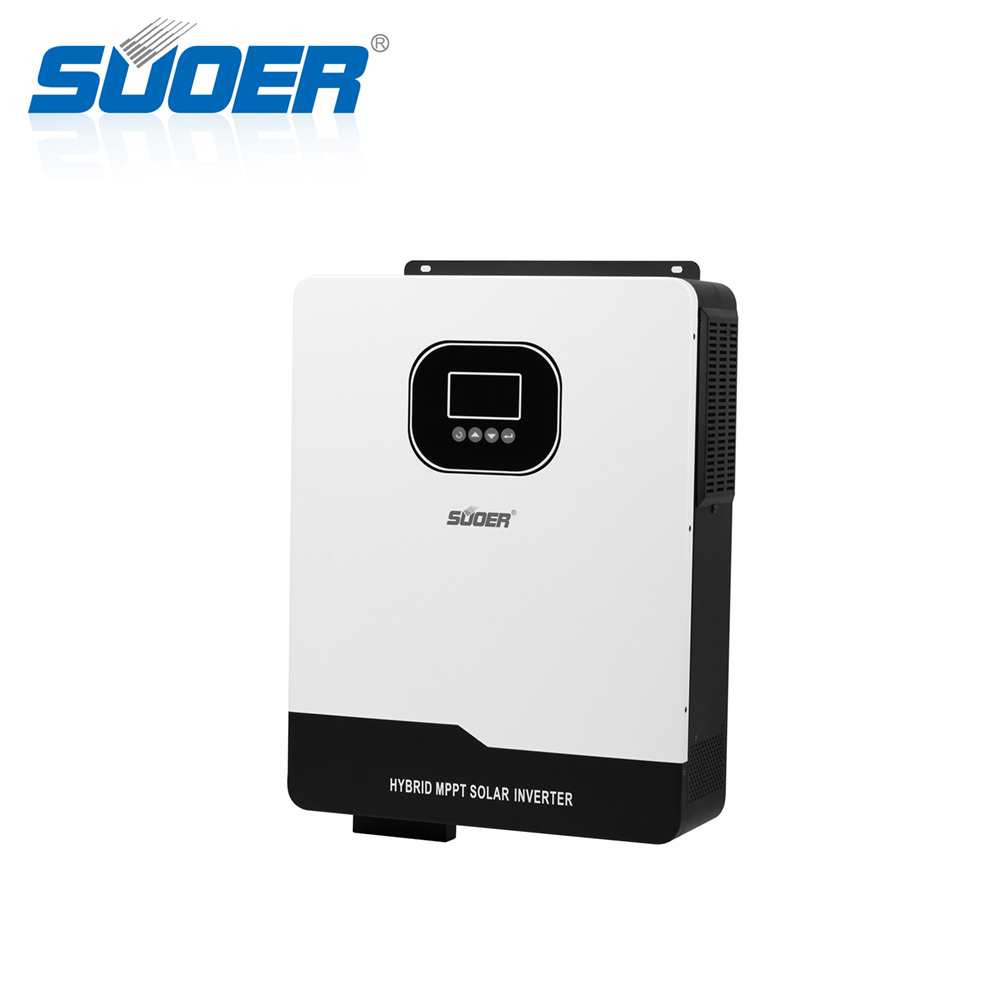
To maximize the performance and lifespan of hybrid inverter MPPT systems, consider the following best practices:
Proper Installation: Engage trained professionals for installation to avoid common pitfalls such as incorrect wiring or system configuration. This ensures optimal performance from the outset.
Regular Maintenance: Schedule routine inspections and maintenance to identify and rectify potential issues early. This includes cleaning the system components and checking for firmware updates.
Monitoring Performance: Utilize monitoring software to track energy production and system performance. This data can help identify inefficiencies or faults in real time.
Adhering to Manufacturer Guidelines: Always refer to the manufacturer’s specifications and recommendations regarding operational limits and maintenance procedures.
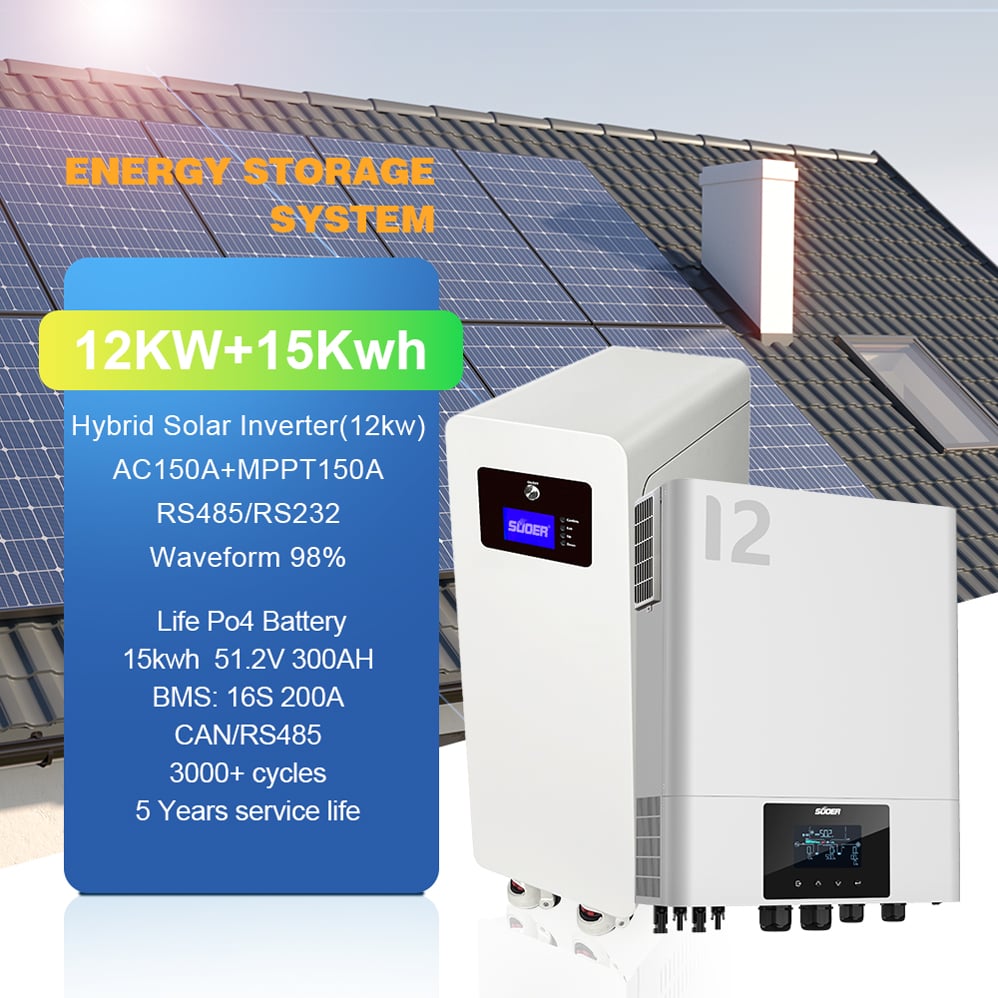
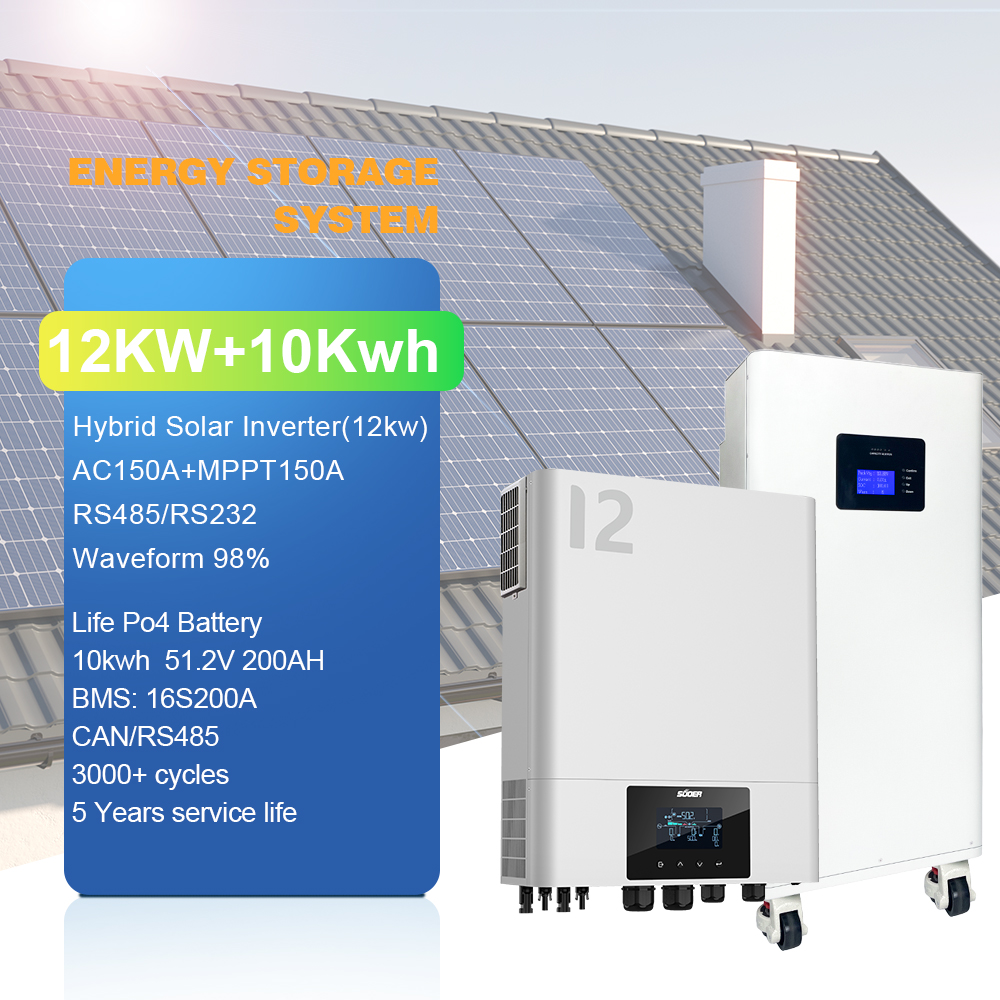
Educating Stakeholders: Ensure that all team members involved in the operation of the inverter are educated on its functionalities and limitations, reducing the risk of operational errors. Consider using products such as VMS-12kw energy system sales 12kw smart hybrid solar Inverter with MPPT solar charger for enhanced performance.
Implementing these best practices can enhance the reliability and efficiency of hybrid inverter MPPT systems over their operational lifespan.
When purchasing hybrid inverter MPPT systems in bulk, several cost factors should be taken into account:
Unit Price vs. Total Cost of Ownership: While a lower unit price may be attractive, consider the total cost of ownership, which includes installation, maintenance, and potential downtime costs.
Volume Discounts: Many manufacturers offer discounts for bulk purchases. Be sure to negotiate terms to secure the best deal without compromising on quality.
Shipping and Handling: Factor in shipping costs, especially for international orders. Additionally, consider the impact of logistics on lead times and the potential for customs duties.
Customization Costs: If specific modifications or custom features are required, ensure that these costs are clearly outlined in the quotation. Customization may affect lead times and pricing.
Warranty and Support: Evaluate the warranty terms and post-sale support offered by the supplier. A robust support system can save costs in the long run by minimizing operational disruptions.
By carefully assessing these cost factors, buyers can make informed purchasing decisions that align with their budget and operational needs.

Discover Suoer’s premium range of solar inverters and power inverters designed for reliable renewable energy solutions.Trusted by customers worldwide for exceptional performance and durability.
Suoer Industrial Zone, Ercun Road Section, Yanfeng Avenue, Shishan Town,Foshan city,Guangdong Province,China
Copyright © 2024 Foshan Suoer Electronic Industry Co., Ltd. Privacy Policy - Blog

 EN
 AR
 NL
 FR
 DE
 EL
 IT
 JA
 KO
 PT
 RU
 ES
 VI
 TH
 TR
 BG
 HR
 CS
 NO
 PL
 TL
 ID
 SR
 UK
 SQ
 HU
 MT
 AF
 MS
 IS
 HY
 AZ
 BN
 BS
 GU
 LO
 LA
 MN
 NE
 TA