A 300W pure sine wave power inverter is an essential device for converting DC (direct current) power to AC (alternating current) power, providing clean and stable energy for various applications. For B2B buyers, understanding the specifications, applications, and quality evaluation criteria for these inverters is critical. This article will guide you through the key considerations when choosing a 300W pure sine wave power inverter, helping you make informed purchasing decisions that align with your operational needs
When selecting a 300W pure sine wave dc power inverter, several factors must be considered to ensure compatibility with your application. First, evaluate the inverter's input and output specifications, including voltage range, frequency, and current ratings. Ensure that the inverter's output matches the requirements of the devices it will power, as improper voltage or frequency can lead to equipment damage or inefficient operation
Next, consider the inverter's efficiency rating. A higher efficiency translates to less energy loss during conversion, which is particularly important for battery-operated systems where power conservation is essential. Look for models that provide a detailed efficiency curve, as this can help you understand performance across varying loads
Additionally, assess the inverter's thermal management features. Inverters generate heat during operation, and effective cooling methods such as built-in fans or heat sinks can prevent overheating, ensuring reliable performance and longevity. Lastly, review the manufacturer’s warranty and support services, as these factors can significantly impact your experience and satisfaction with the product
Understanding the key specifications of 300W pure sine wave power inverters is crucial for buyers. The following specifications should be carefully evaluated
Output Waveform: Pure sine wave inverters produce a smooth, consistent output, which is essential for sensitive electronics. This is in contrast to modified sine wave inverters, which may cause issues with some devices
Input Voltage: Most 300W inverters operate within a specific input voltage range, typically from 12V to 24V DC. Confirm that the inverter's input range is compatible with your power source, such as batteries or solar panels
Output Voltage and Frequency: These inverters usually provide an output of 110V or 220V AC, with a frequency of either 50Hz or 60Hz. Ensure that the inverter matches the local electrical standards.
Efficiency Rating: Look for models with efficiency ratings above 85-90%. This metric indicates how much DC power is converted to usable AC power, affecting operational costs and battery life.
Protection Features: Important safety features include overload protection, short circuit protection, and thermal shutdown. These features help protect both the inverter and the devices connected to it.
Size and Weight: Depending on your installation constraints, consider the inverter’s physical dimensions and weight. Compact models may be preferable for mobile applications.
To evaluate the quality of a 300W pure sine wave power inverter, start by examining the manufacturing standards and certifications. Look for products that comply with international quality standards such as ISO9001, CE, and ROHS. These certifications indicate that the inverter has undergone rigorous testing and meets safety and environmental regulations.
Another method to check quality is to request sample units before committing to bulk orders. Conduct thorough testing under actual operating conditions to assess performance, efficiency, and reliability. Pay attention to the inverter's thermal management during extended use, as overheating can indicate design flaws.
Additionally, inquire about the manufacturer’s quality control processes. Understanding how quality is monitored during production can provide insights into the consistency and reliability of the inverters. Lastly, consider customer feedback and reviews from other businesses in your industry. Real-world experiences can often reveal critical performance insights that technical specifications alone may not convey.
Sourcing a reliable supplier for 300W pure sine wave power inverters is a vital step in the purchasing process. Begin by identifying reputable manufacturers that specialize in power supply solutions, particularly in the new energy sector. Evaluate their production capabilities, including automated manufacturing processes and R&D investments, as these factors can influence product quality and innovation.
Request detailed product catalogs that provide information on available models, specifications, and customization options. Many manufacturers offer tailored solutions based on specific buyer requirements, so be clear about your needs, such as packaging preferences and minimum order quantities (MOQs).
When considering international suppliers, assess their export experience and compliance with international shipping regulations. Clear communication regarding lead times, delivery conditions, and after-sales support is also essential to ensure a smooth procurement process.
300W pure sine wave power inverters find applications across several industries, owing to their ability to provide clean and reliable power. In the automotive sector, they are commonly used in electric vehicles and as auxiliary power sources for electronics, ensuring that sensitive devices receive stable power for optimal performance.
In telecommunications, these inverters support backup power systems, ensuring continuous operation of critical infrastructure during outages. Their efficiency and reliability make them suitable for remote installations where power quality is paramount.
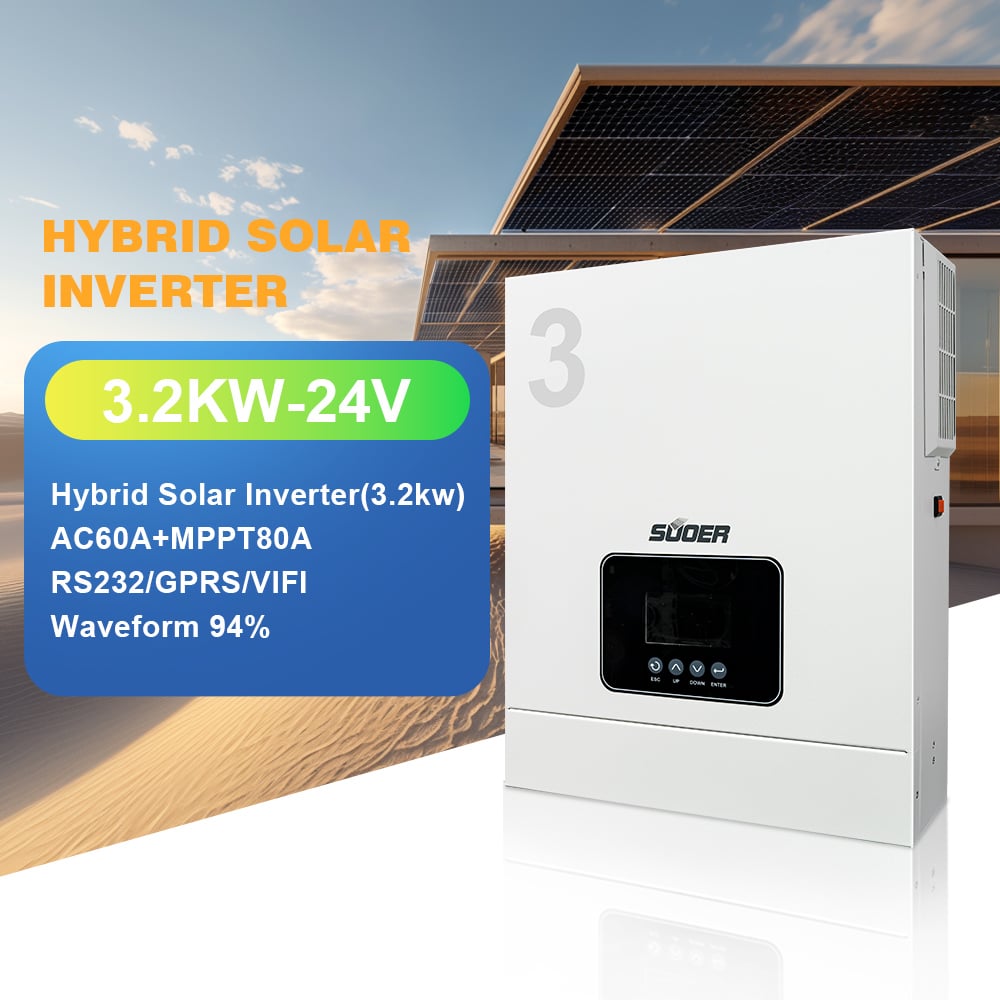
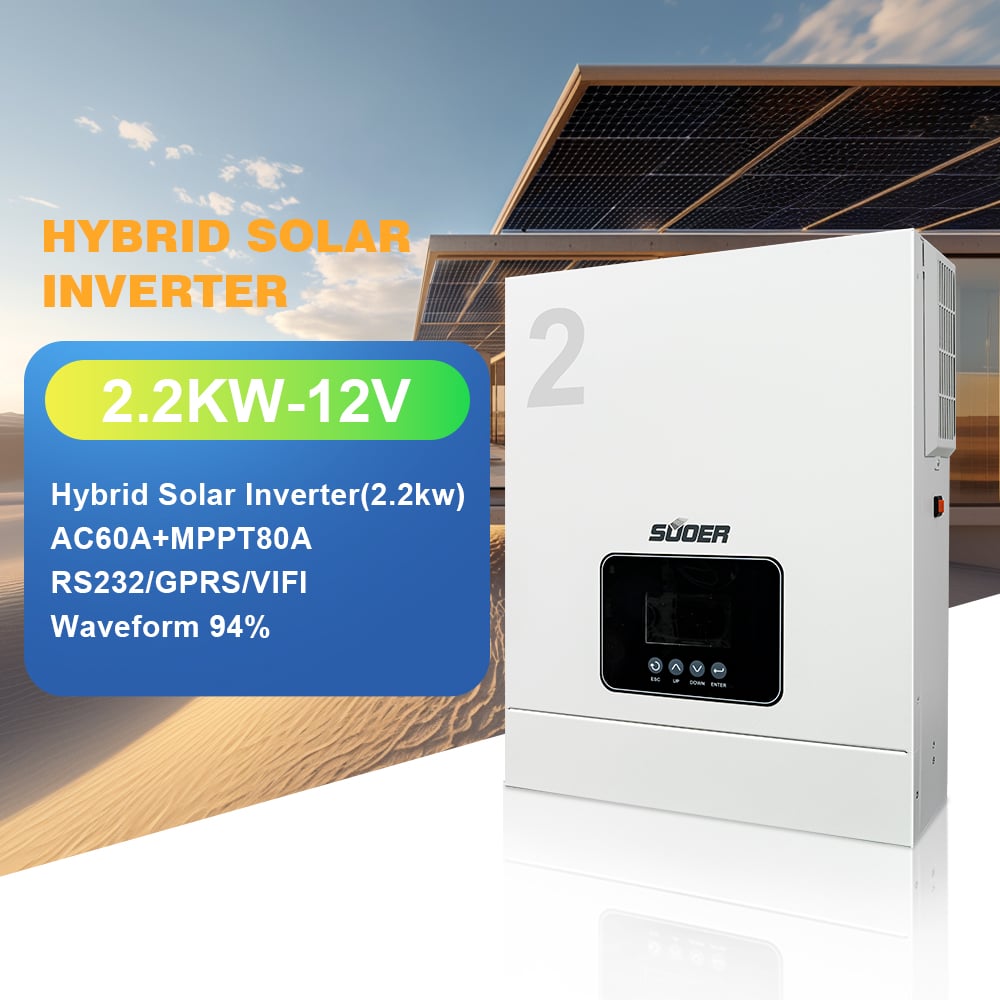
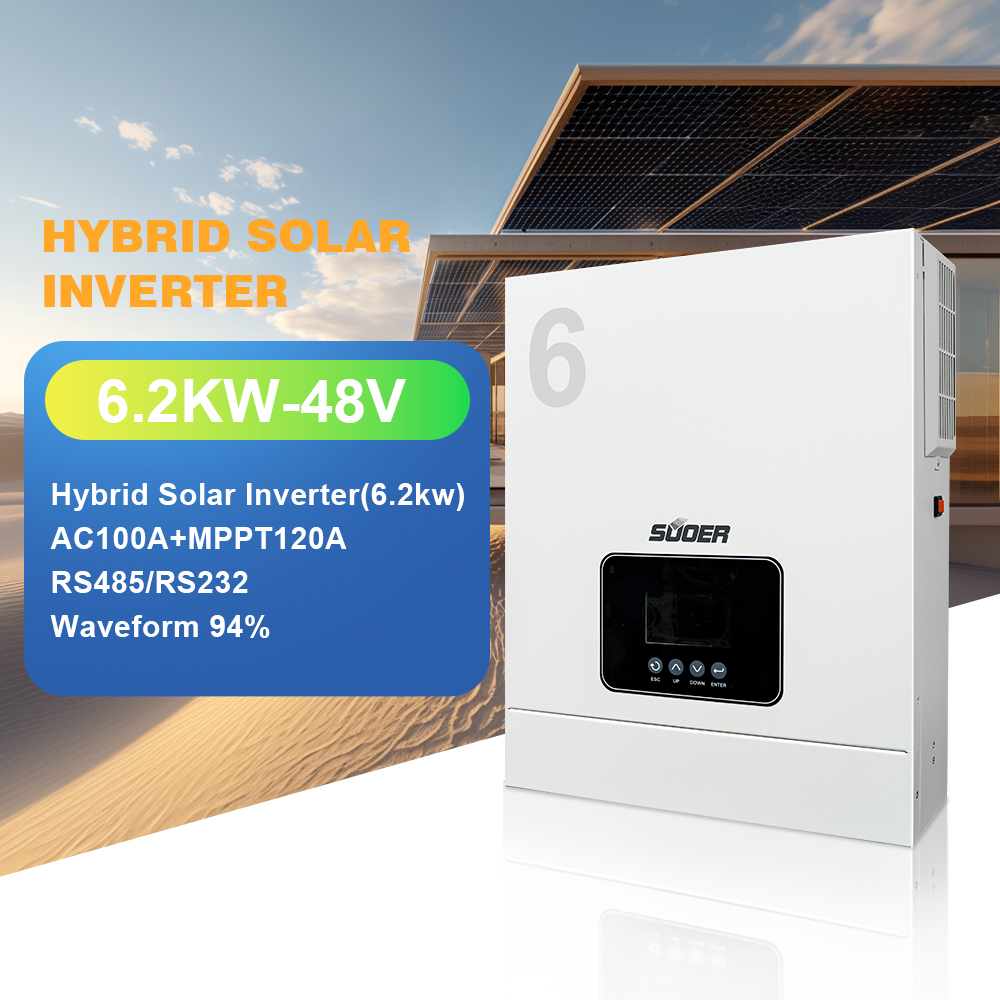
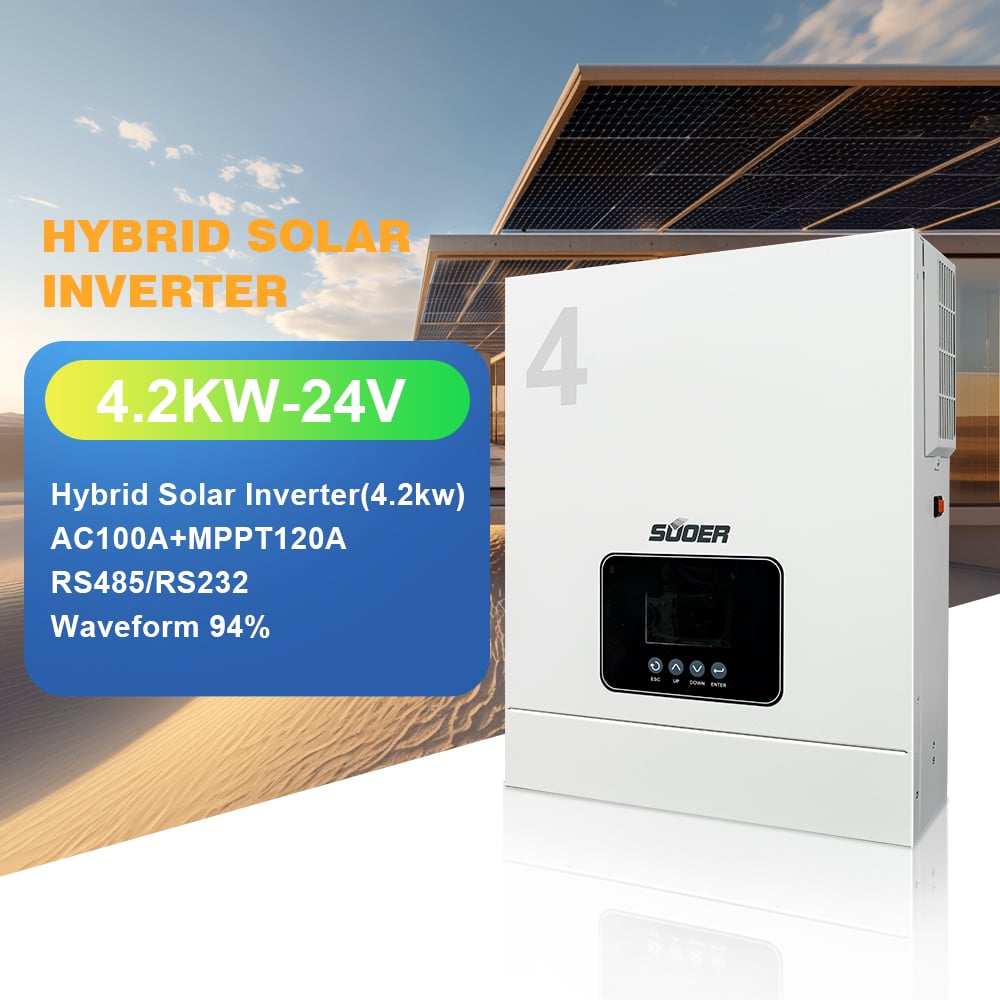
Furthermore, in the photovoltaic sector, 300W pure sine wave power inverters are essential in solar energy systems, converting stored DC energy into usable AC power. They play a critical role in off-grid applications, providing energy to residential and commercial setups that rely on solar power.
In summary, understanding the technical specifications, quality evaluation criteria, and sourcing considerations for 300W pure sine wave off grid power inverters will empower buyers to make informed purchasing decisions that align with their operational needs.

Discover Suoer’s premium range of solar inverters and power inverters designed for reliable renewable energy solutions.Trusted by customers worldwide for exceptional performance and durability.
Suoer Industrial Zone, Ercun Road Section, Yanfeng Avenue, Shishan Town,Foshan city,Guangdong Province,China
Copyright © 2024 Foshan Suoer Electronic Industry Co., Ltd. Privacy Policy - Blog

 EN
 AR
 NL
 FR
 DE
 EL
 IT
 JA
 KO
 PT
 RU
 ES
 VI
 TH
 TR
 BG
 HR
 CS
 NO
 PL
 TL
 ID
 SR
 UK
 SQ
 HU
 MT
 AF
 MS
 IS
 HY
 AZ
 BN
 BS
 GU
 LO
 LA
 MN
 NE
 TA