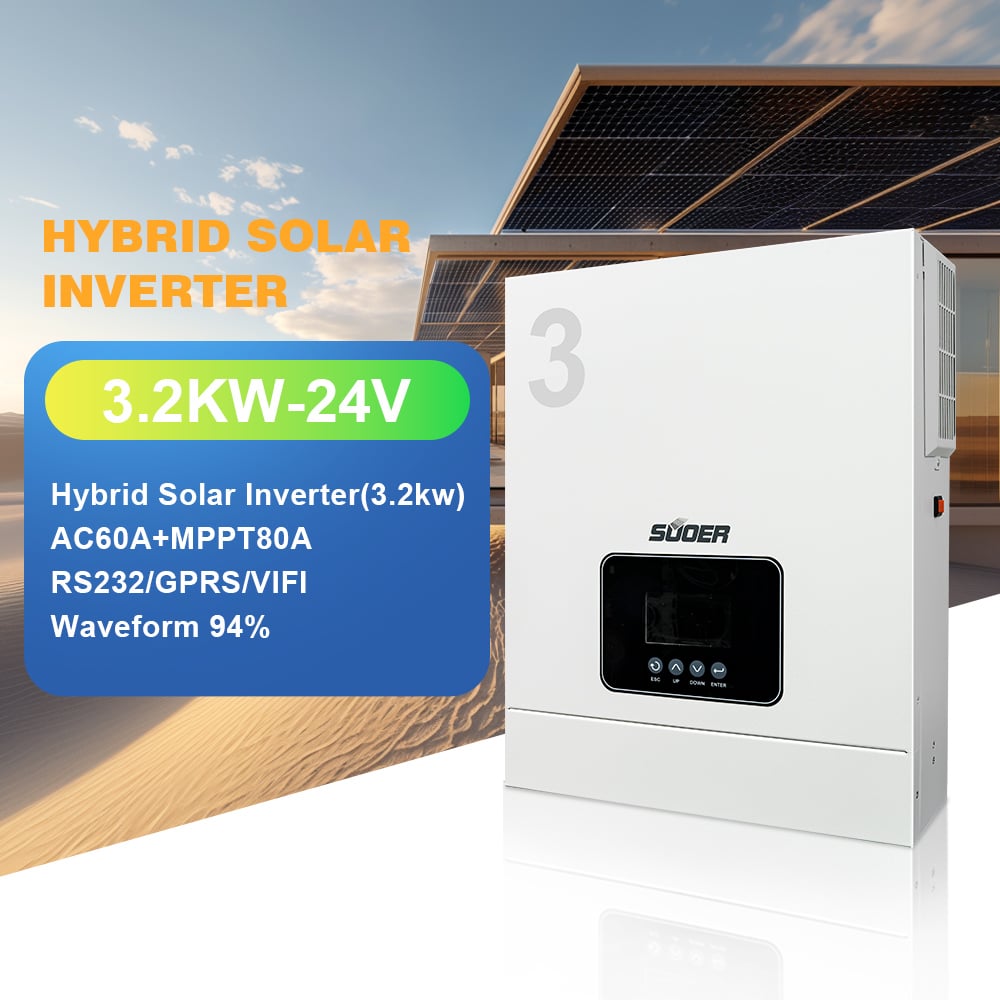
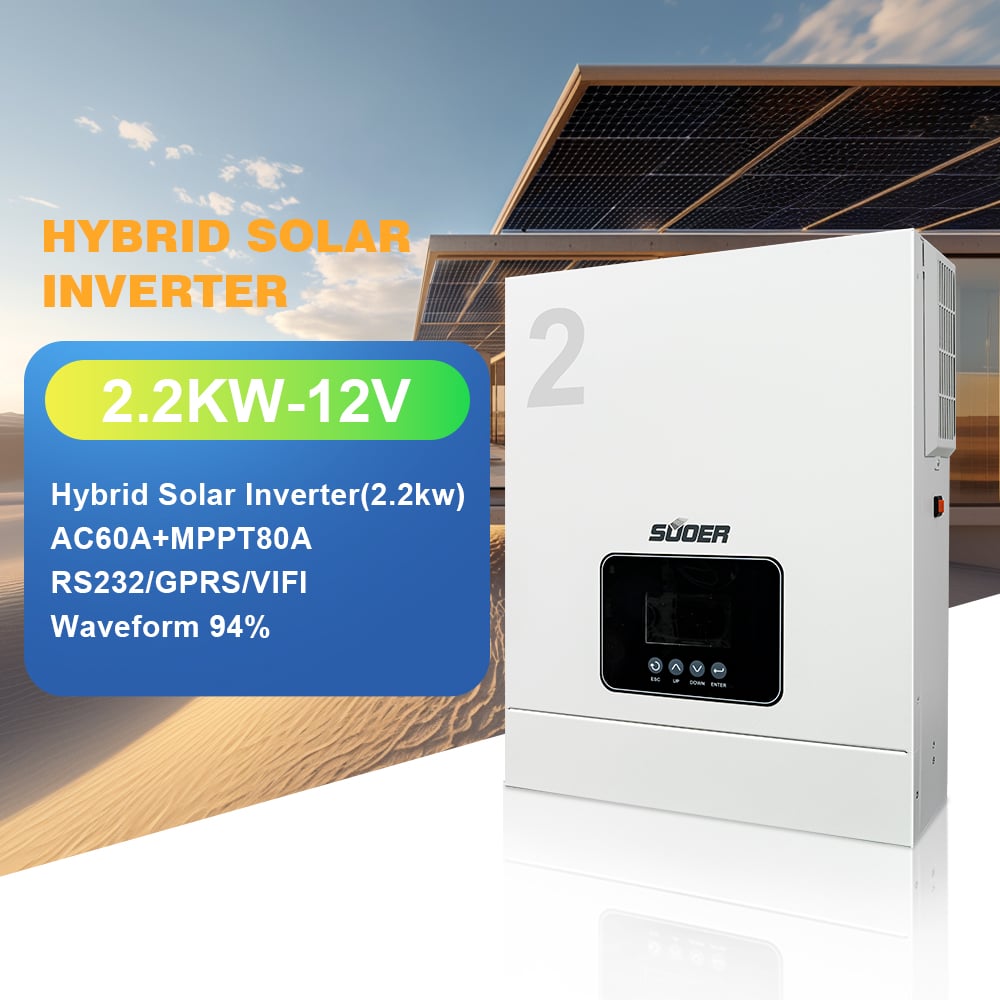
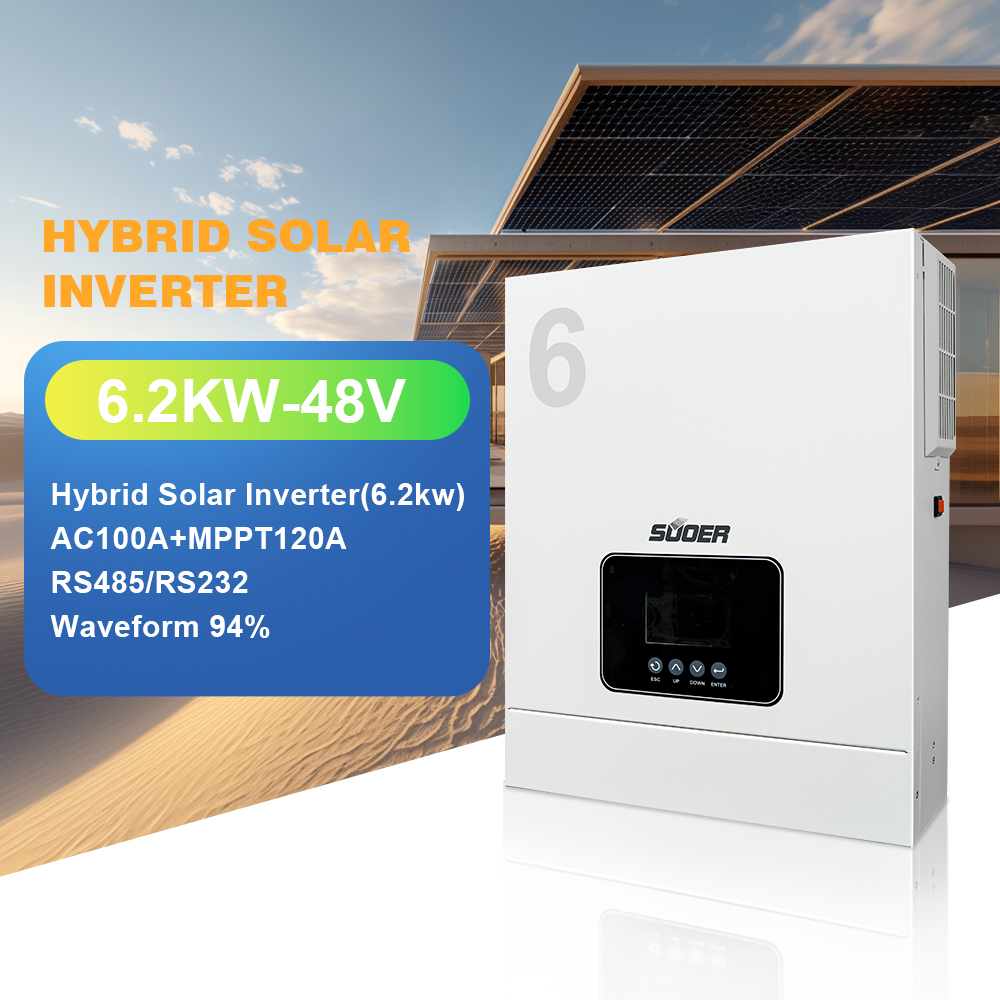
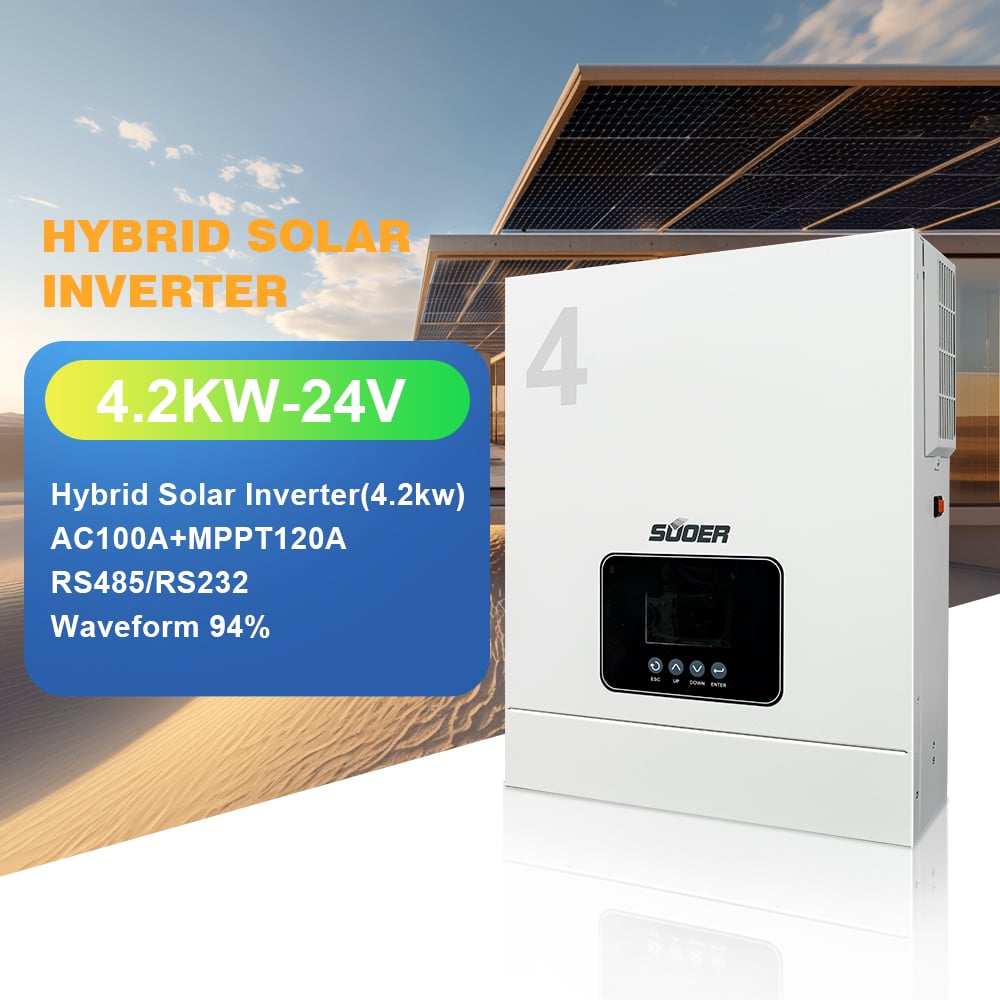
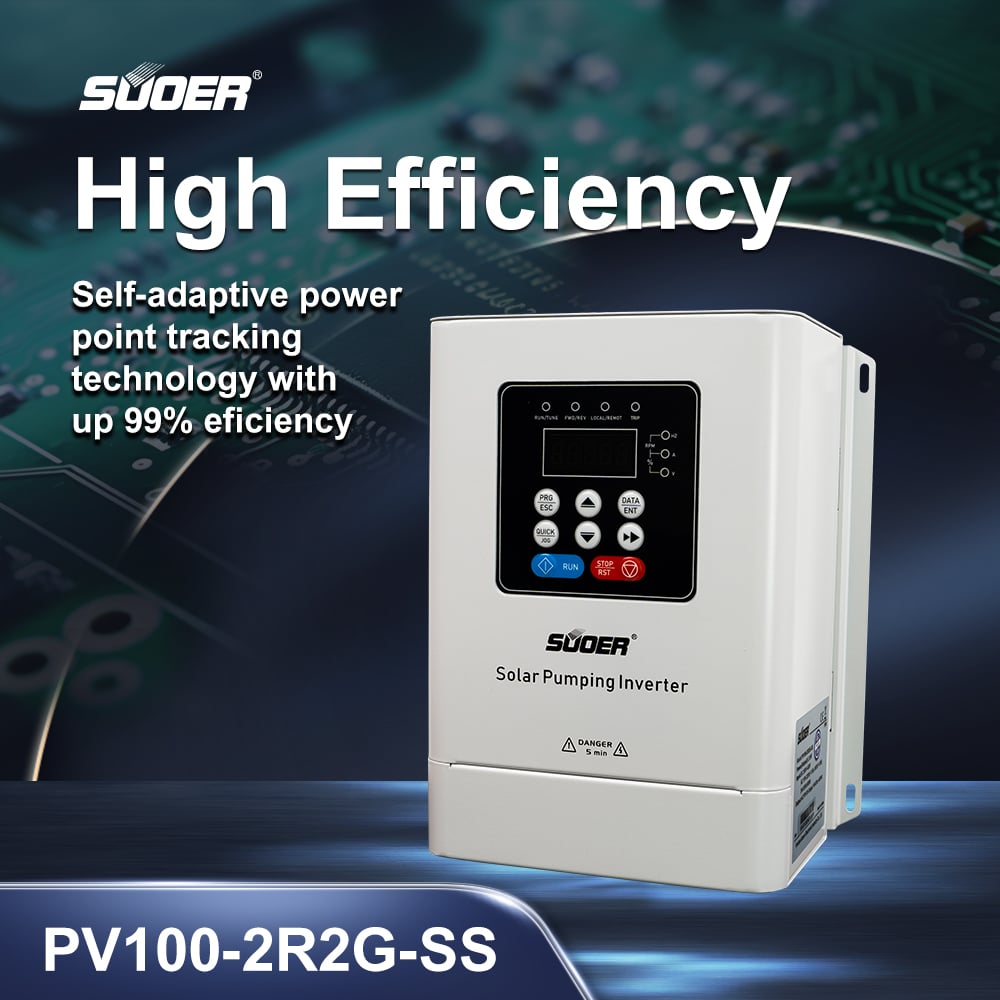
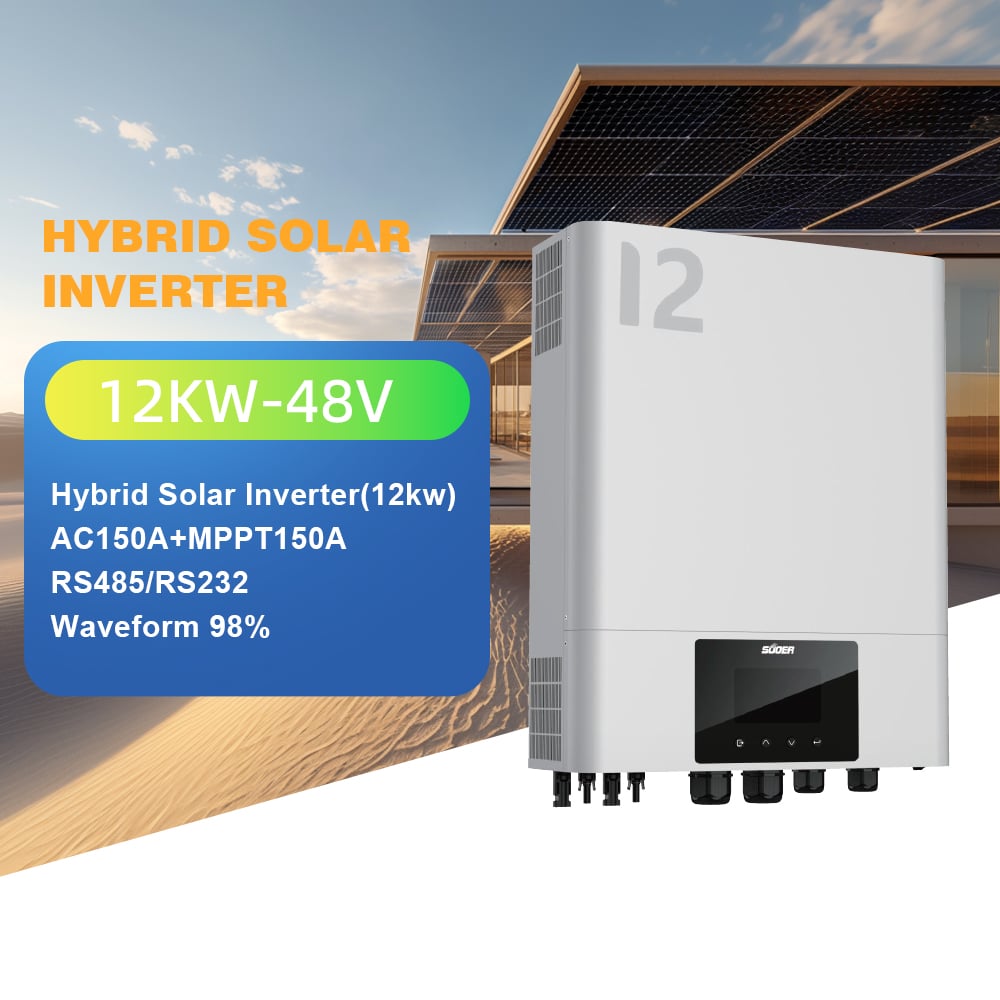
When sourcing an inverter for industrial applications, the 8 kW inverter stands out due to its versatility and efficiency. This article explores essential considerations for purchasing, installing, and utilizing an 8 kW inverter crucial information for purchasing managers, engineers, and product managers in the manufacturing and energy sectors. We will address key buyer concerns, including specifications, installation challenges, and application scenarios, helping you make informed decisions that enhance operational efficiency.
When sourcing an 8 kW inverter, buyers should focus on several critical factors to ensure their selected product meets operational needs. First, understand the inverter's specifications, including input voltage range, output voltage, efficiency ratings, and thermal performance. These elements can impact compatibility with existing systems and overall energy efficiency.
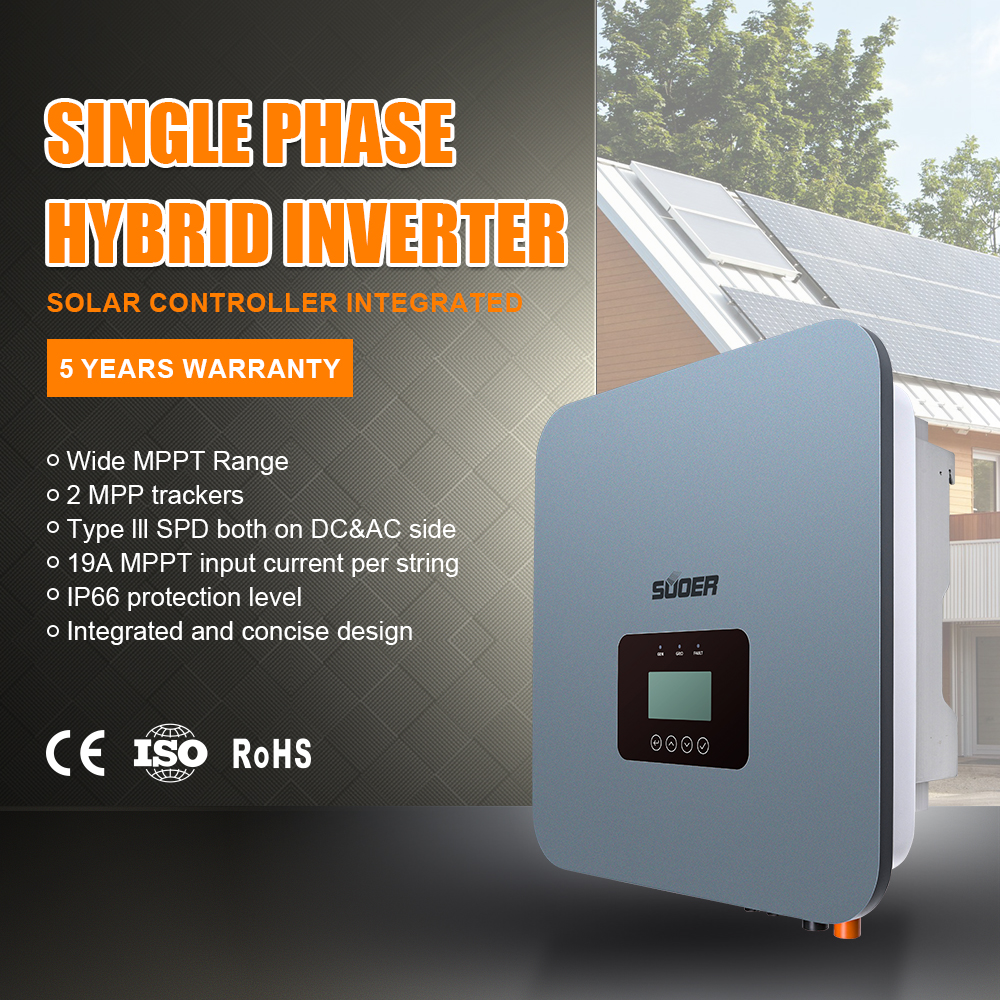
Material quality is another vital aspect. Inverter constructed from high-grade materials can withstand harsh environments, ensuring longer service life and reliability. A supplier with automated production and stringent quality control processes can offer products that meet international certifications such as ROHS, CE, and ISO9001, which are essential for compliance and assurance of performance.
Additionally, consider the manufacturer's production capacity and customization capabilities. Depending on the volume required, ensure the supplier can meet your minimum order quantity (MOQ) and lead times. A reliable supplier should also be able to accommodate specific requirements, such as tailored packaging or unique technical specifications that align with your operational needs.
Installing an 8 kW inverter can present several challenges for technicians. One common issue is ensuring proper ventilation and cooling. Inverters generate heat during operation, and inadequate cooling can lead to overheating and reduced efficiency. To mitigate this, ensure that the installation site allows for sufficient airflow around the unit, or consider integrating cooling systems such as fans or heat sinks.
Another potential challenge is the electrical compatibility with existing systems. Buyers should verify that the inverter's input and output specifications match the requirements of their application. Mismatched voltage and phase configurations can lead to operational failures. Conduct thorough compatibility checks and, if needed, consult with the manufacturer to clarify any uncertainties.
Lastly, wiring and connection errors can lead to performance issues. It's crucial to follow the manufacturer's installation guidelines meticulously and utilize appropriate electrical components. Employing experienced technicians during installation can further reduce the risk of errors and ensure that the inverter operates as intended.
8 kW inverters are highly versatile and find applications across multiple industries. In the electric vehicle sector, they are integral to charging stations, converting and managing power from the grid to charge vehicle batteries efficiently. Their role here is vital in ensuring fast charging and maximizing the lifespan of battery systems.
In industrial settings, these inverters support various machinery and equipment, enabling efficient power supply for production lines. They can manage power loads in environments where reliability is crucial, such as in telecommunications, where continuous power supply is necessary for operations and communications.
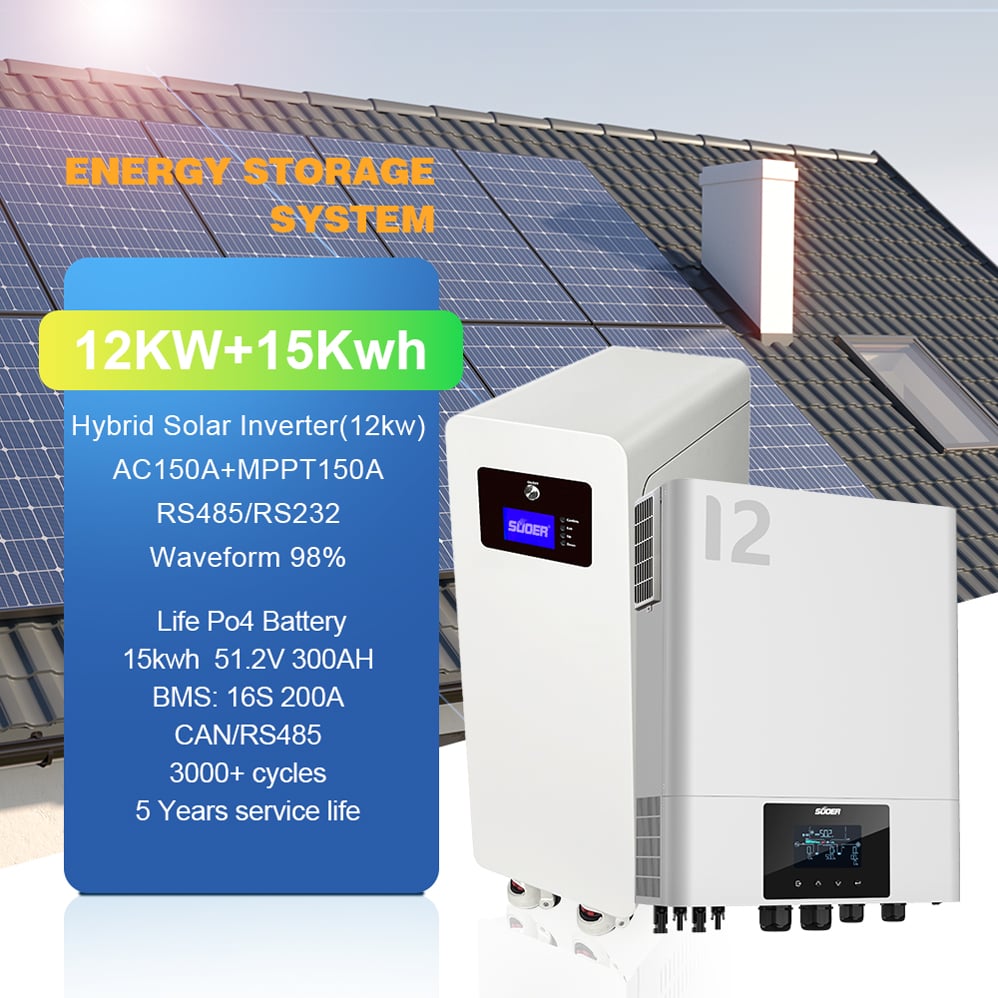
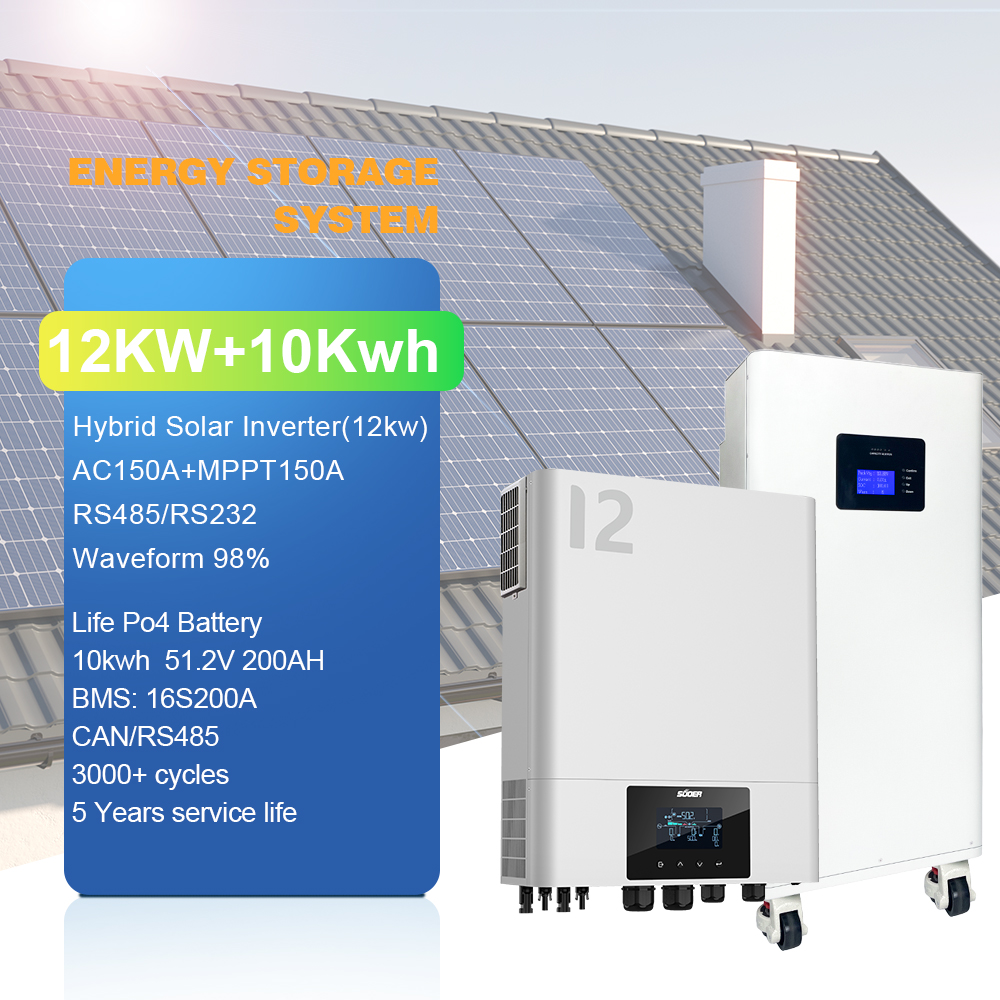
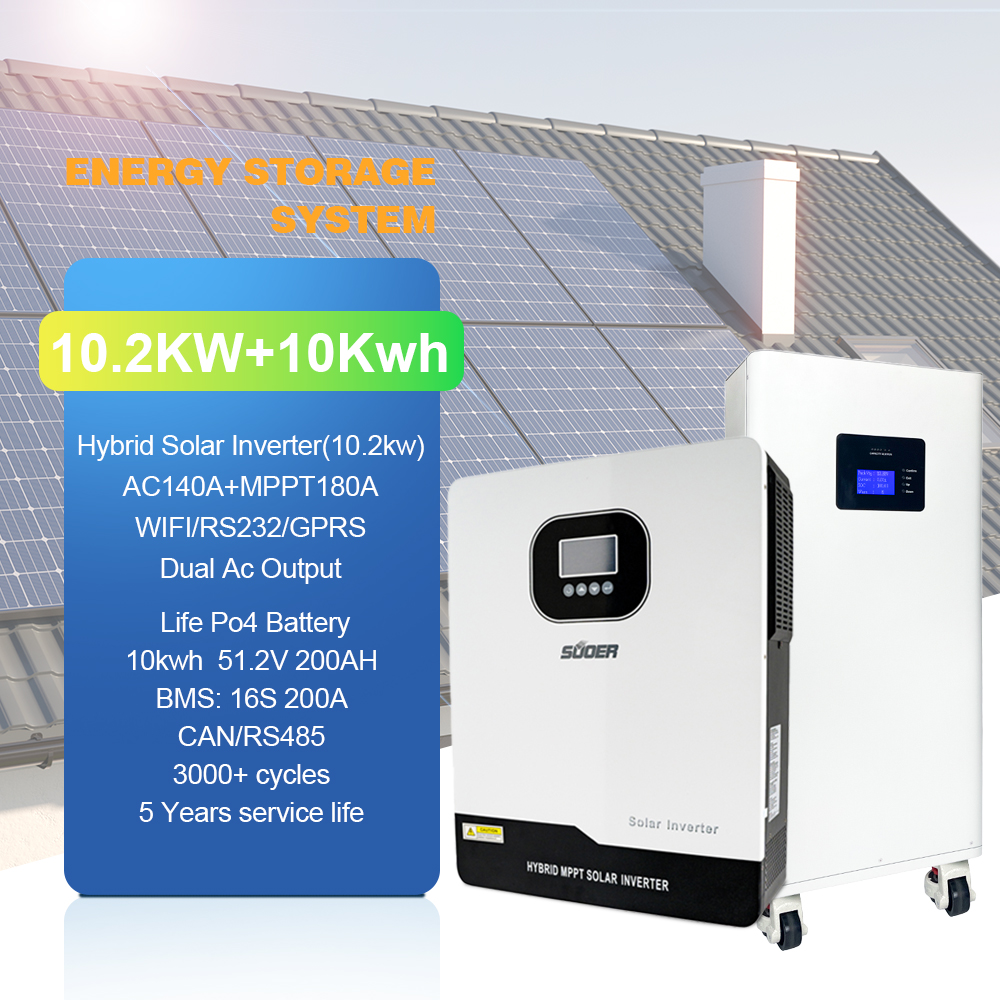
Moreover, in renewable energy applications, particularly photovoltaic systems, 8 kW invert hybrid solar are essential for converting solar energy into usable electricity. Their efficiency in managing power from solar panels directly affects the overall productivity of solar installations, making them a key component in achieving energy sustainability.
The materials used in manufacturing 8 kW inverters significantly influence their performance and durability. High-quality components, such as aluminum casings and robust circuit boards, enhance thermal management and reduce the risk of failures during operation. Aluminum, for instance, is lightweight yet sturdy, providing structural integrity while facilitating heat dissipation.
Additionally, the choice of insulation materials within the inverter can impact its operational efficiency. Advanced insulation materials can minimize energy losses and enhance safety by preventing electrical shorts during operation. A well-designed inverter will use materials that ensure efficiency under various environmental conditions, such as humidity or temperature fluctuations.
Furthermore, manufacturers who invest in high-precision manufacturing techniques and quality control processes can offer inverters that consistently perform better over time. Buyers should inquire about the manufacturer's material selection and production processes to ensure they are purchasing a product that meets or exceeds industry standards.
Selecting an 8 kW inverter involves understanding various technical specifications that determine its suitability for specific applications. Key parameters include total harmonic distortion (THD), which indicates the inverter's efficiency in maintaining power quality. A lower THD value typically signifies better performance and less strain on connected equipment.
Moreover, buyers should assess the inverter's efficiency rating. Higher efficiency can translate to lower energy costs over time, making it a crucial factor in long-term operational planning. Look for power inverter with efficiency ratings above 90% to ensure optimal energy conversion and minimal losses.
Best practices for usage include regular maintenance checks to ensure the inverter operates within its specified parameters. Monitoring performance metrics and conducting periodic inspections can help identify potential issues before they escalate. Additionally, buyers should keep documentation of the inverter's specifications and installation details, as this information can be invaluable for future maintenance or upgrades.
Understanding the essential aspects of sourcing, installing, and utilizing an 8 kW inverter can significantly enhance operational efficiency across various applications. By focusing on specifications, installation practices, and material advantages, buyers can make informed decisions that align with their business needs.

Discover Suoer’s premium range of solar inverters and power inverters designed for reliable renewable energy solutions.Trusted by customers worldwide for exceptional performance and durability.
Suoer Industrial Zone, Ercun Road Section, Yanfeng Avenue, Shishan Town,Foshan city,Guangdong Province,China
Copyright © 2024 Foshan Suoer Electronic Industry Co., Ltd. Privacy Policy - Blog

 EN
 AR
 NL
 FR
 DE
 EL
 IT
 JA
 KO
 PT
 RU
 ES
 VI
 TH
 TR
 BG
 HR
 CS
 NO
 PL
 TL
 ID
 SR
 UK
 SQ
 HU
 MT
 AF
 MS
 IS
 HY
 AZ
 BN
 BS
 GU
 LO
 LA
 MN
 NE
 TA