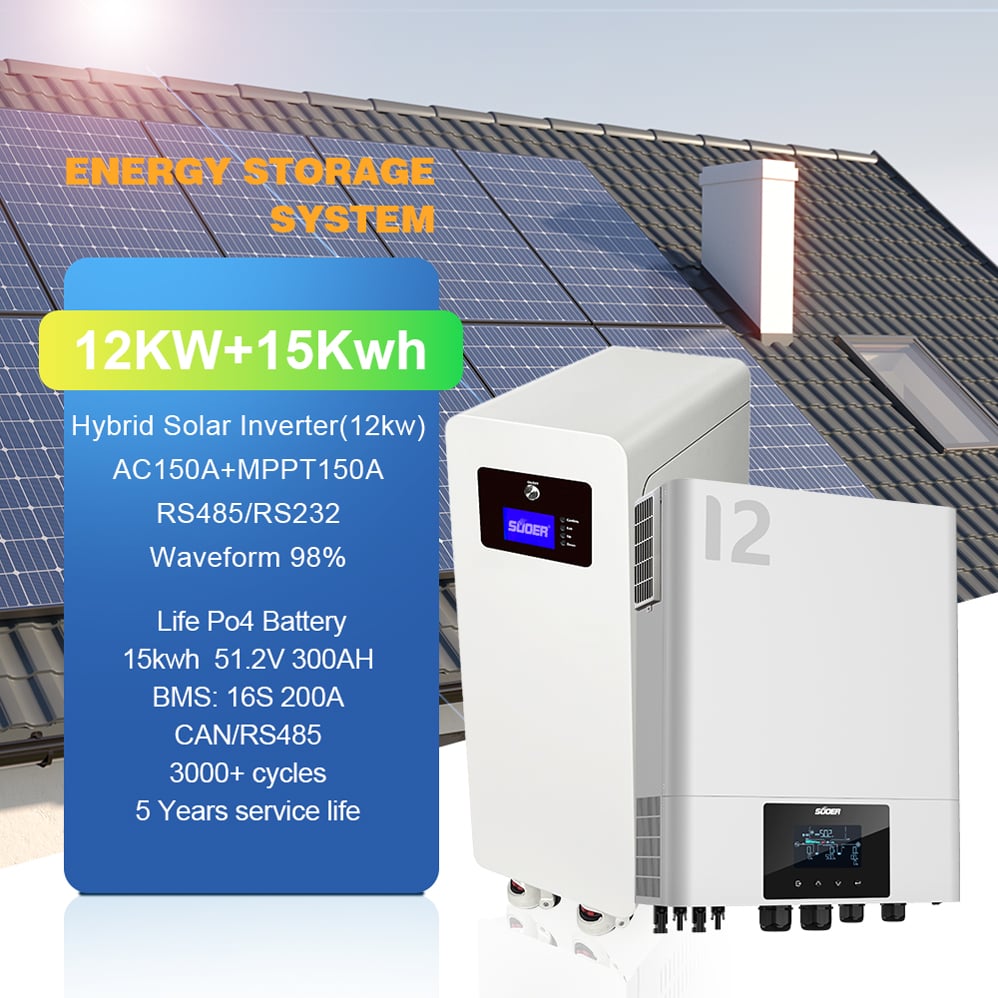
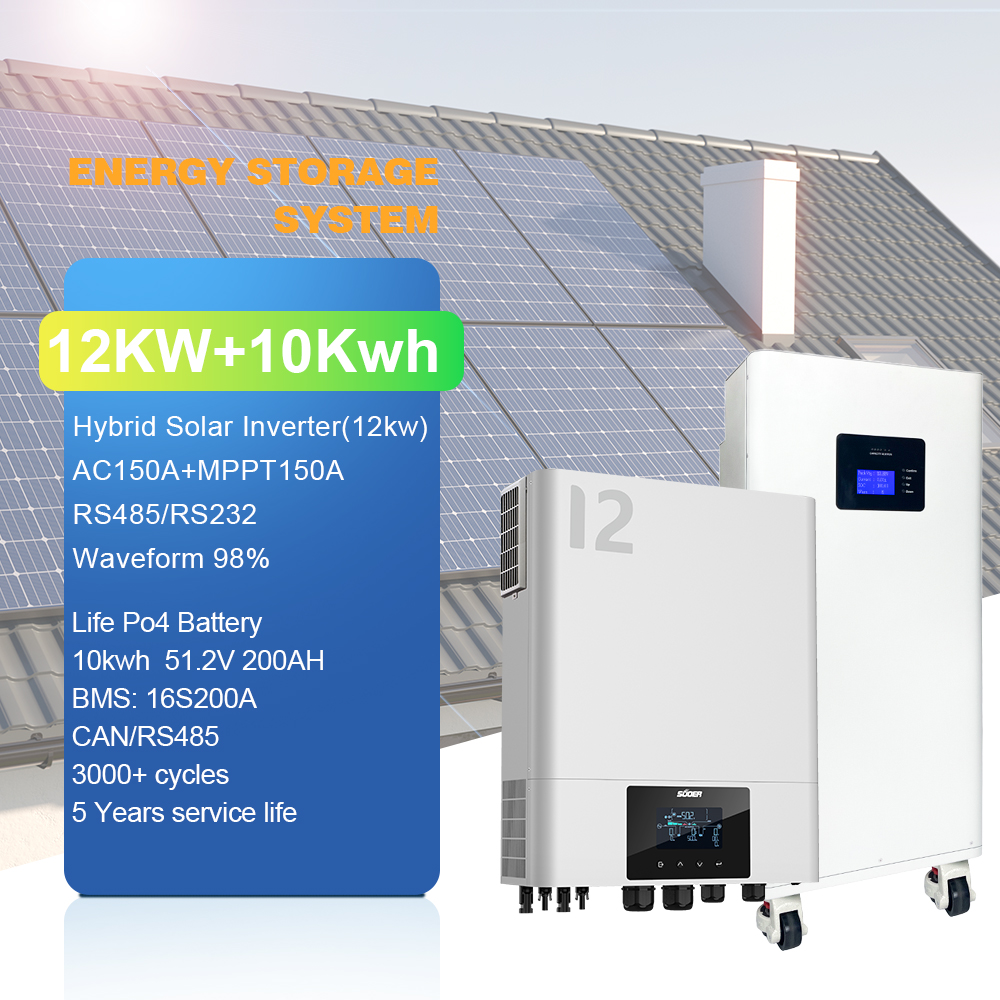
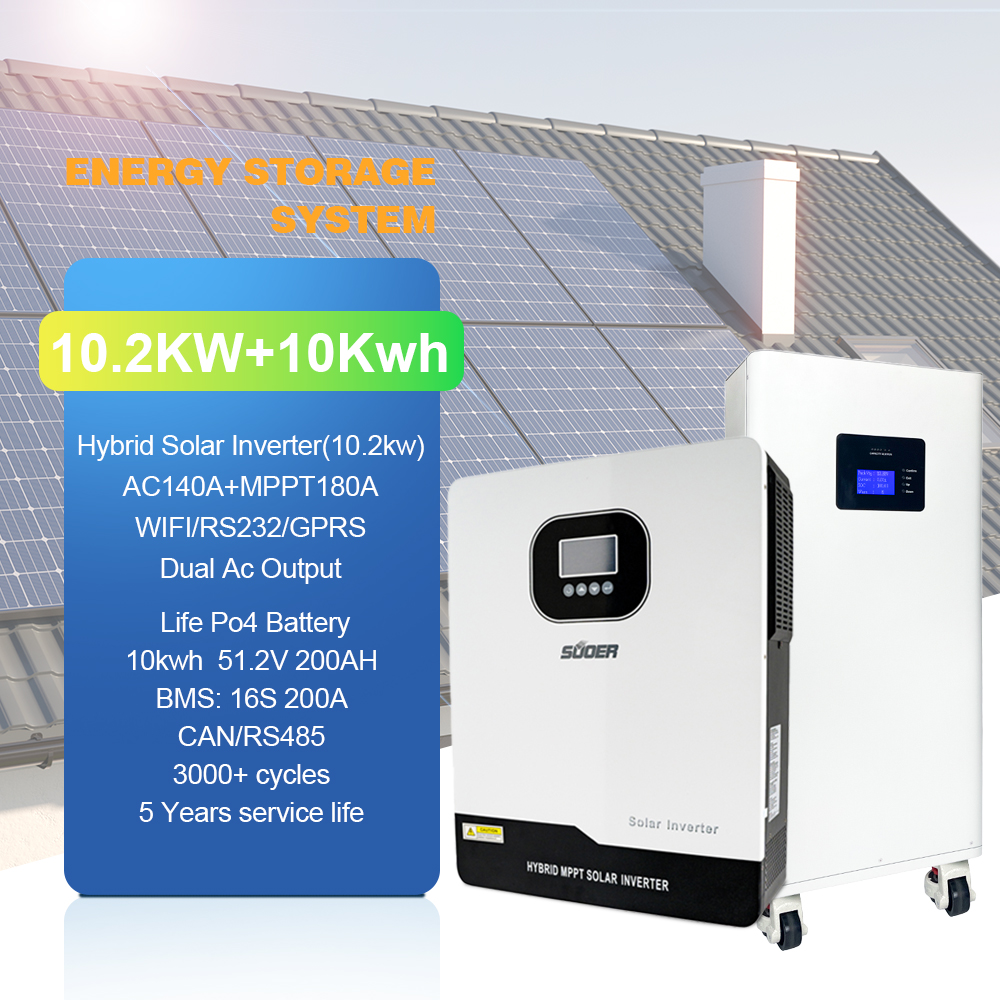
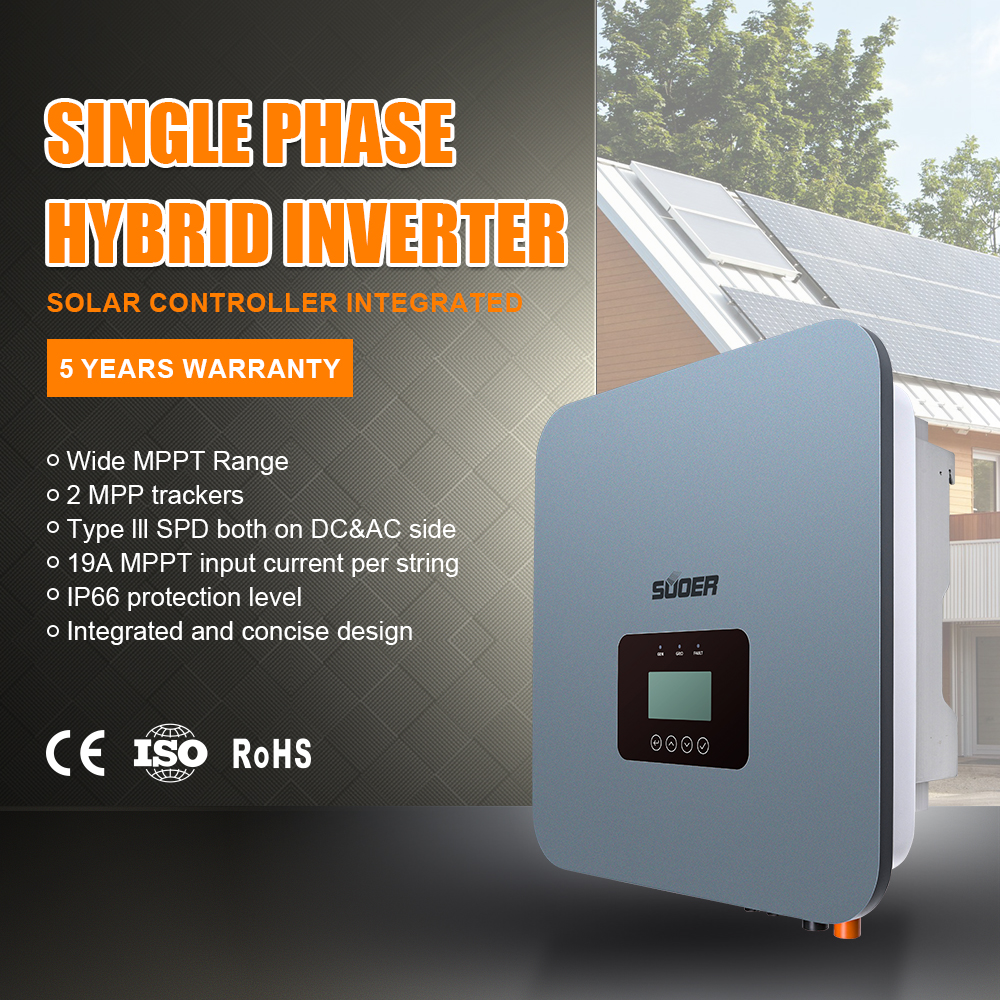
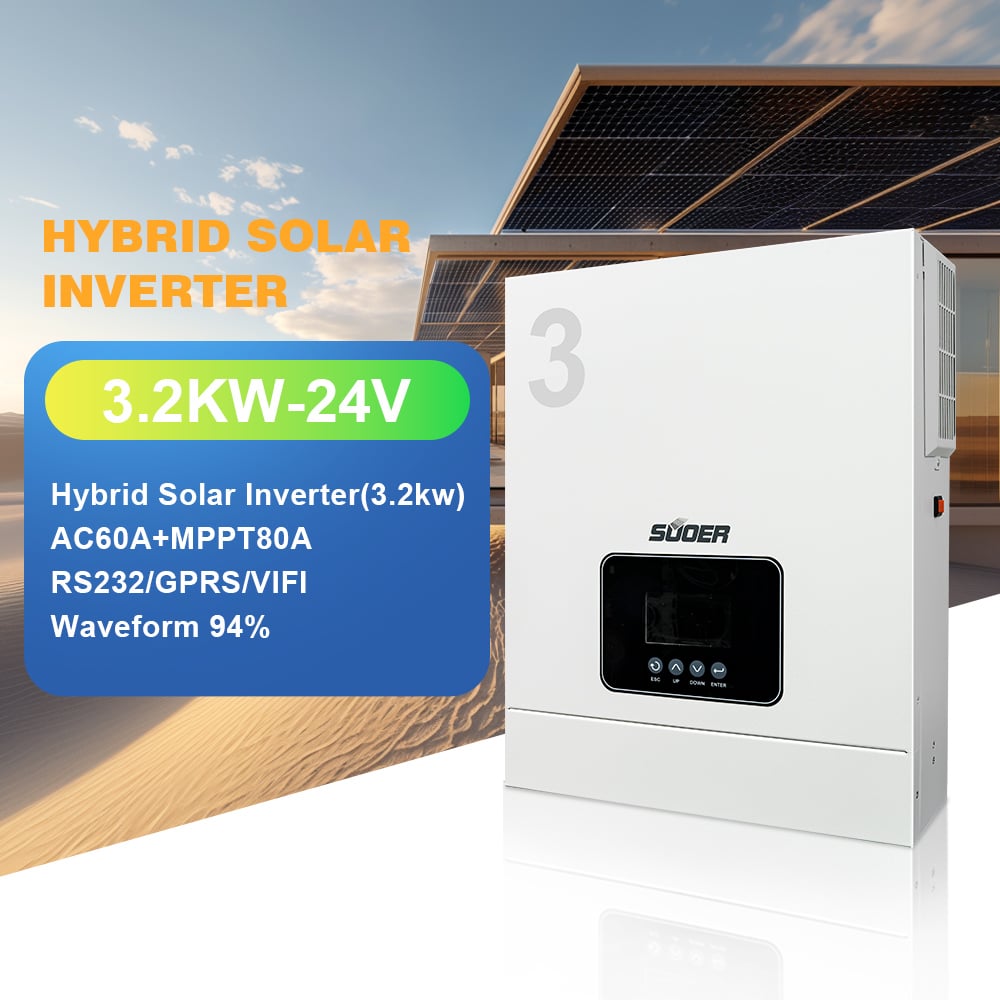
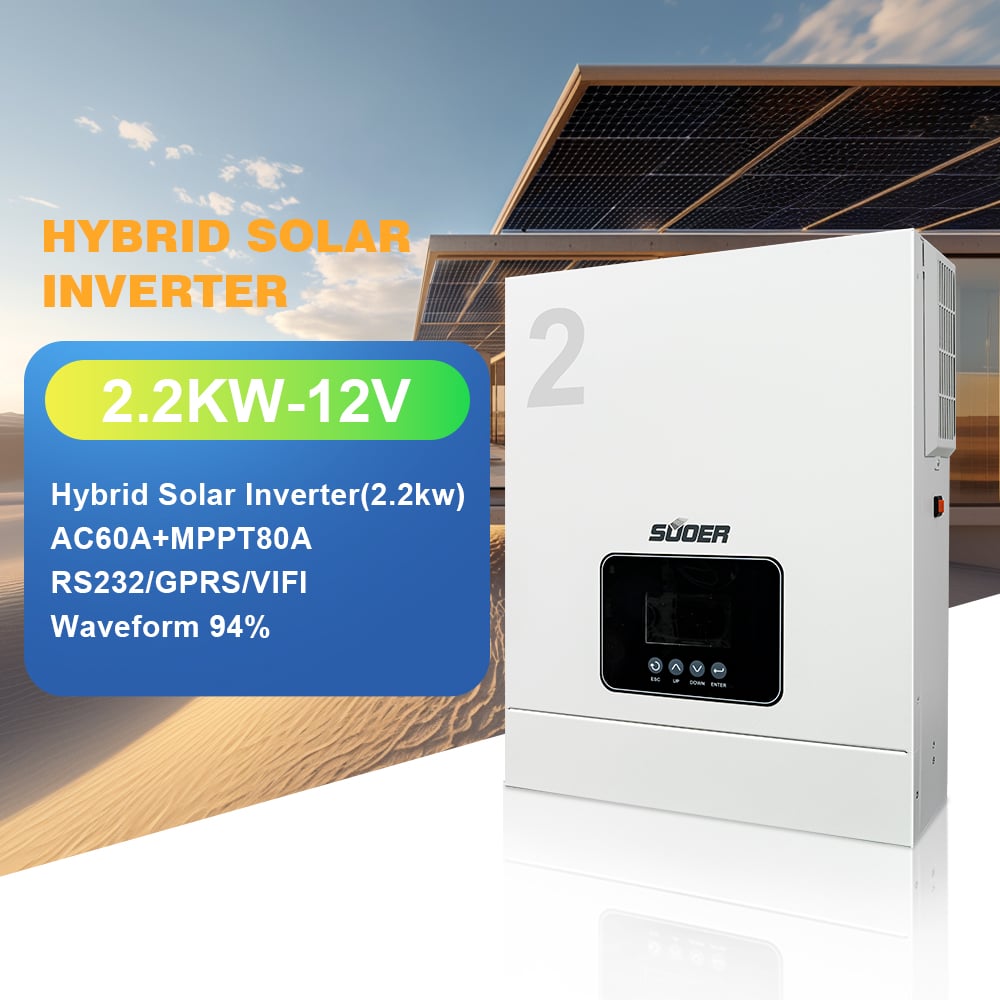
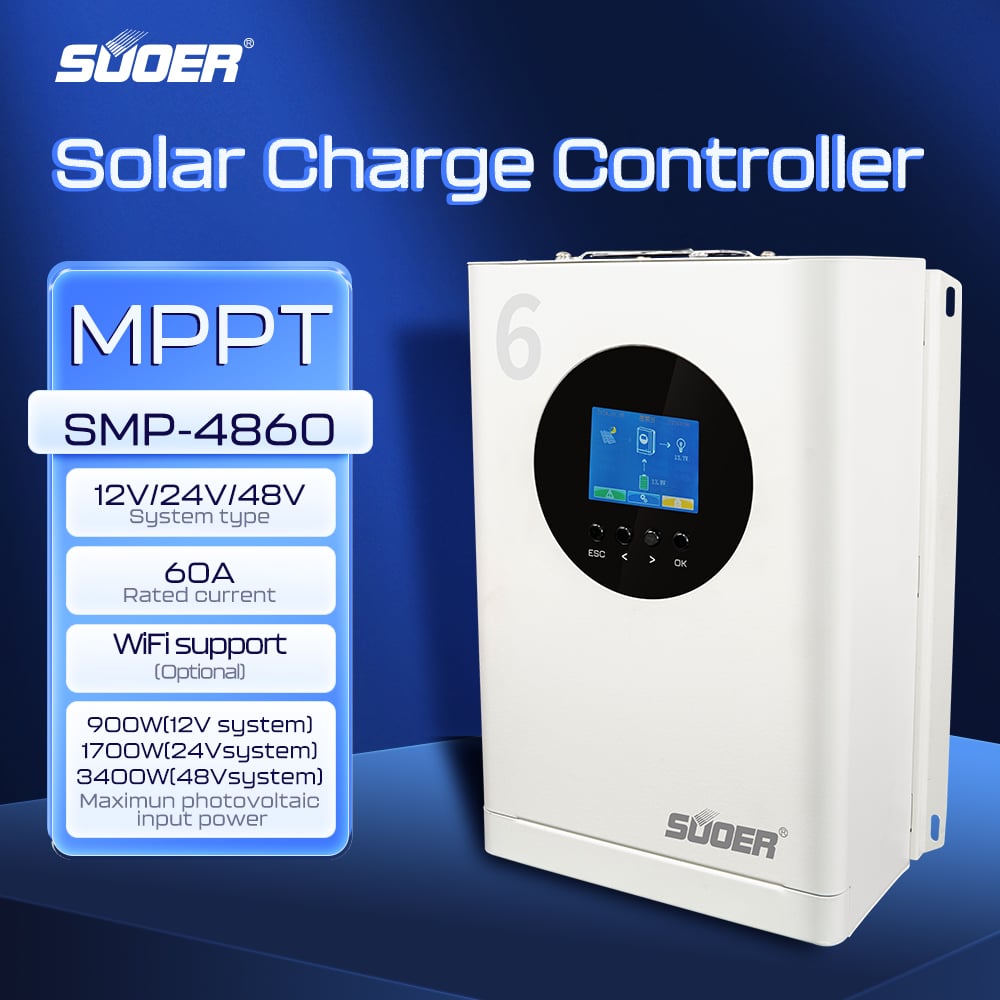
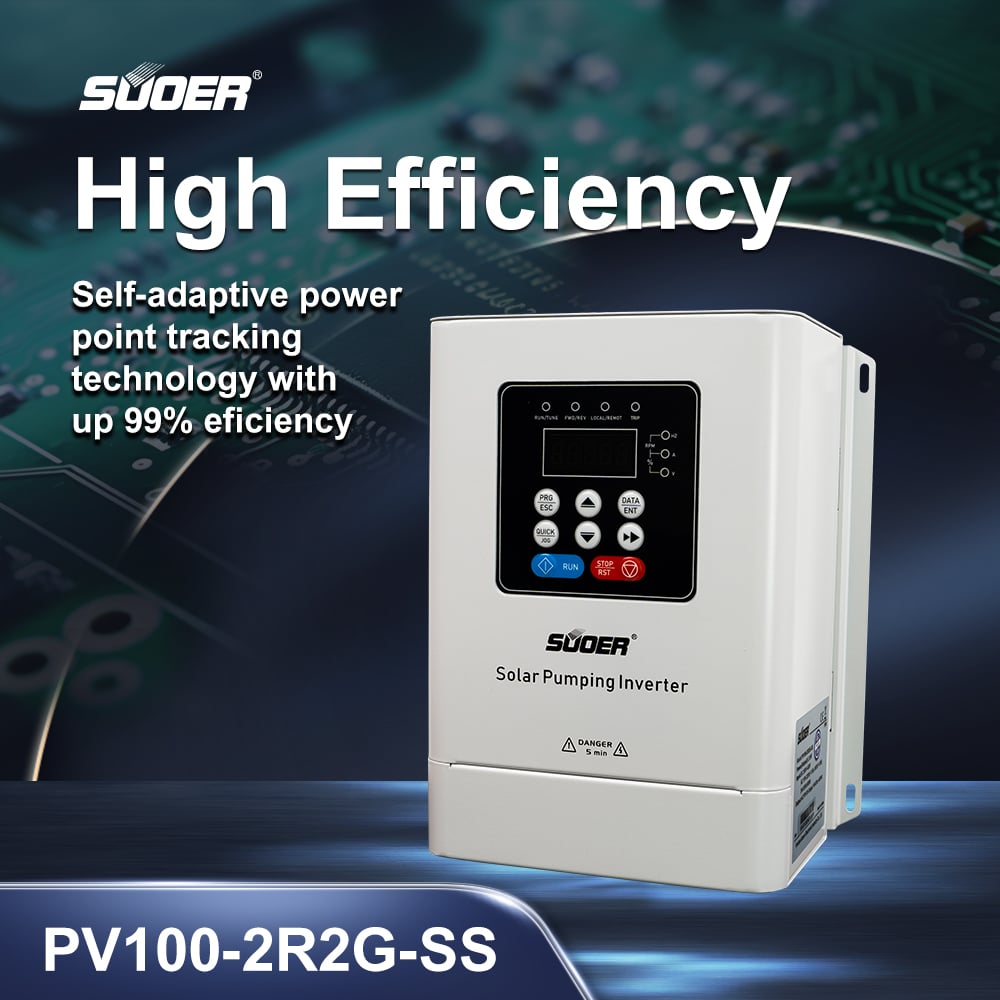
The controller solar MPPT (Maximum Power Point Tracking) is a crucial component in photovoltaic systems, optimizing energy capture from solar panels. For B2B buyers, such as purchasing managers and engineers, understanding how to select the right MPPT controller can significantly impact project efficiency and cost. This invert solar mppt article will guide you through essential considerations when choosing a controller solar MPPT, key specifications to look for, reliable suppliers, bulk purchasing comparisons, and cost factors to keep in mind.
When selecting a controller solar MPPT, several key factors should be evaluated to ensure that the device meets your project requirements. Firstly, assess the power rating of the MPPT controller, which should align with the total capacity of your solar array. An undersized controller may lead to energy losses, while an oversized one can increase costs unnecessarily.
Next, consider the operating voltage range. Ensure that the MPPT controller can handle the voltage produced by your solar panels under maximum sunlight conditions. Additionally, mppt solar charge controller check compatibility with battery systems and inverter specifications to ensure seamless integration.
Lastly, evaluate features such as data monitoring capabilities and communication interfaces. Advanced MPPT controllers often come equipped with Wi-Fi or Bluetooth connectivity, allowing for remote monitoring and management. This can enhance operational efficiency and facilitate troubleshooting in the long run.
Understanding the key specifications of MPPT controllers is essential for making informed purchasing decisions. Here are some critical specifications to consider:
Efficiency Rating: Look for controllers with an efficiency rating above 95%. Higher efficiency means more energy harvested from your solar panels, which translates to better system performance.
Current Rating: The mppt solar hybrid inverter current rating indicates the maximum amount of current the controller can handle. Ensure that the rating exceeds the anticipated maximum current from your solar array to prevent potential damage or inefficiencies.
Temperature Range: Controllers must operate effectively in various environmental conditions. Check the temperature range to ensure the unit can function properly in the climates where it will be installed.
Protection Features: Robust MPPT controllers should offer protection against overcharging, short circuits, and reverse polarity. These features are critical for safeguarding both the controller and the overall solar system.
Size and Form Factor: Depending on your installation space, consider the physical dimensions and mounting options of the controller. Compact designs can save space and simplify installation.
Finding reliable suppliers for controller solar MPPT products is crucial for ensuring quality and support throughout the purchasing process. Start by researching manufacturers with a proven track record in the solar industry. Look for companies that specialize in renewable energy solutions, as they are more likely to have the expertise and resources needed to provide high-quality products.
Attend industry trade shows and exhibitions to connect with potential suppliers and see their products firsthand. These events also offer opportunities to engage with technical experts who can answer your questions and provide insights into the latest technologies.
Additionally, consider online platforms that aggregate supplier information, allowing you to compare products and reviews. Look for suppliers that provide comprehensive product documentation, certifications (such as ROHS, CE, and ISO9001), and responsive customer support to enhance your purchasing experience.
When comparing controller solar MPPT options for bulk purchasing, it’s essential to evaluate not only the specifications but also the overall value offered by each supplier. Start by requesting detailed quotations that outline pricing, lead times, and minimum order quantities (MOQs). This information will help you assess which suppliers can meet your project needs within budgetary constraints.
Next, analyze the warranty and after-sales support offered by each supplier. A longer warranty period can indicate a manufacturer’s confidence in their product quality and reliability. Furthermore, robust after-sales support can facilitate troubleshooting and maintenance, reducing downtime and enhancing system performance.
Consider requesting samples for testing prior to placing a bulk order. Sample evaluation allows you to verify the performance and compatibility of the MPPT controller with your solar system before committing to a larger purchase.
Several cost factors should be considered when sourcing controller solar MPPT devices. First and foremost, evaluate the unit price, which can vary significantly based on the controller's specifications, features, and brand reputation. While it may be tempting to opt for the lowest-priced option, consider the long-term value and potential cost savings associated with higher-quality products.
Shipping costs and logistics should also be factored into your total expenditure. Inquire about delivery times and potential hidden fees that may arise during the purchasing process, especially if sourcing from international suppliers.
Finally, keep in mind the potential for additional costs related to installation and maintenance. A controller with advanced features may require specialized installation skills, which can increase labor costs. Ensure that you have a comprehensive understanding of the total cost of ownership before finalizing your purchasing decisions.
By addressing these considerations and specifications, you can make informed decisions when sourcing controller solar MPPT solutions that align with your project requirements and budget. This approach will ultimately optimize energy efficiency and enhance the performance of your solar installations.

Discover Suoer’s premium range of solar inverters and power inverters designed for reliable renewable energy solutions.Trusted by customers worldwide for exceptional performance and durability.
Suoer Industrial Zone, Ercun Road Section, Yanfeng Avenue, Shishan Town,Foshan city,Guangdong Province,China
Copyright © 2024 Foshan Suoer Electronic Industry Co., Ltd. Privacy Policy - Blog

 EN
 AR
 NL
 FR
 DE
 EL
 IT
 JA
 KO
 PT
 RU
 ES
 VI
 TH
 TR
 BG
 HR
 CS
 NO
 PL
 TL
 ID
 SR
 UK
 SQ
 HU
 MT
 AF
 MS
 IS
 HY
 AZ
 BN
 BS
 GU
 LO
 LA
 MN
 NE
 TA