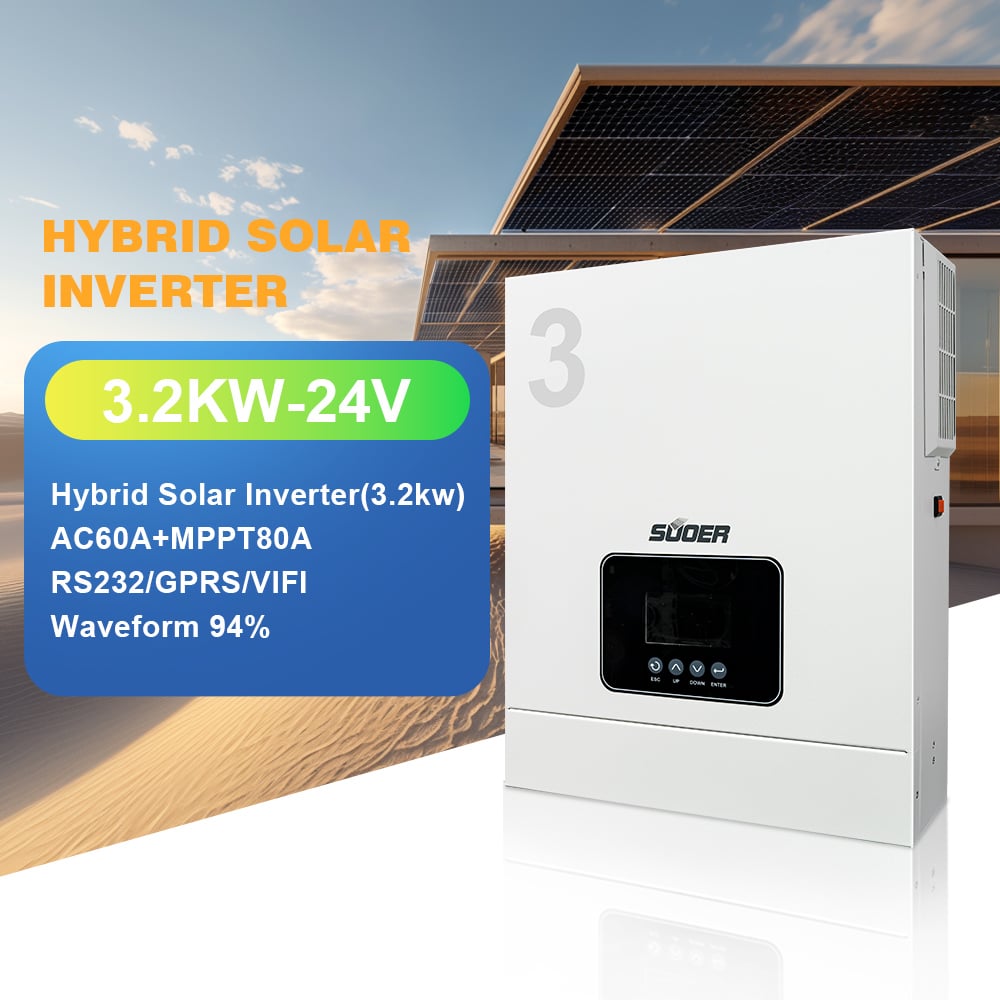
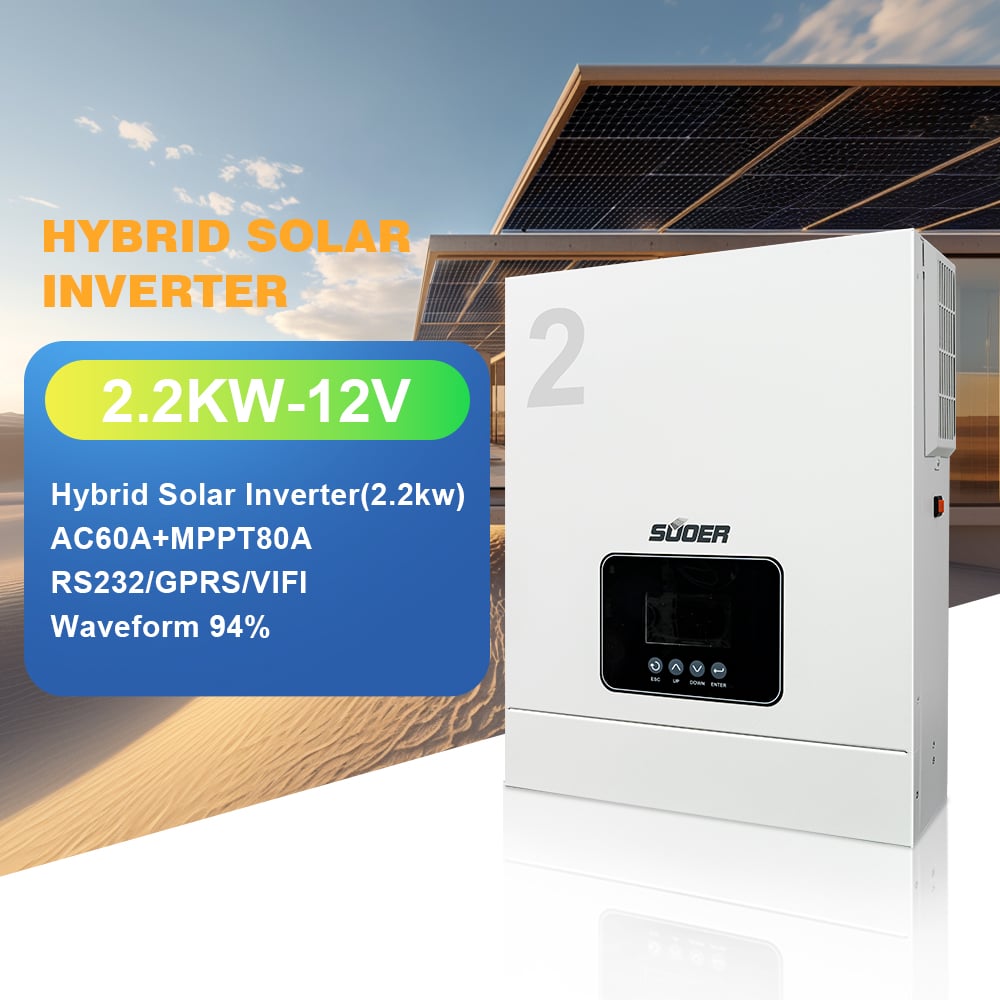
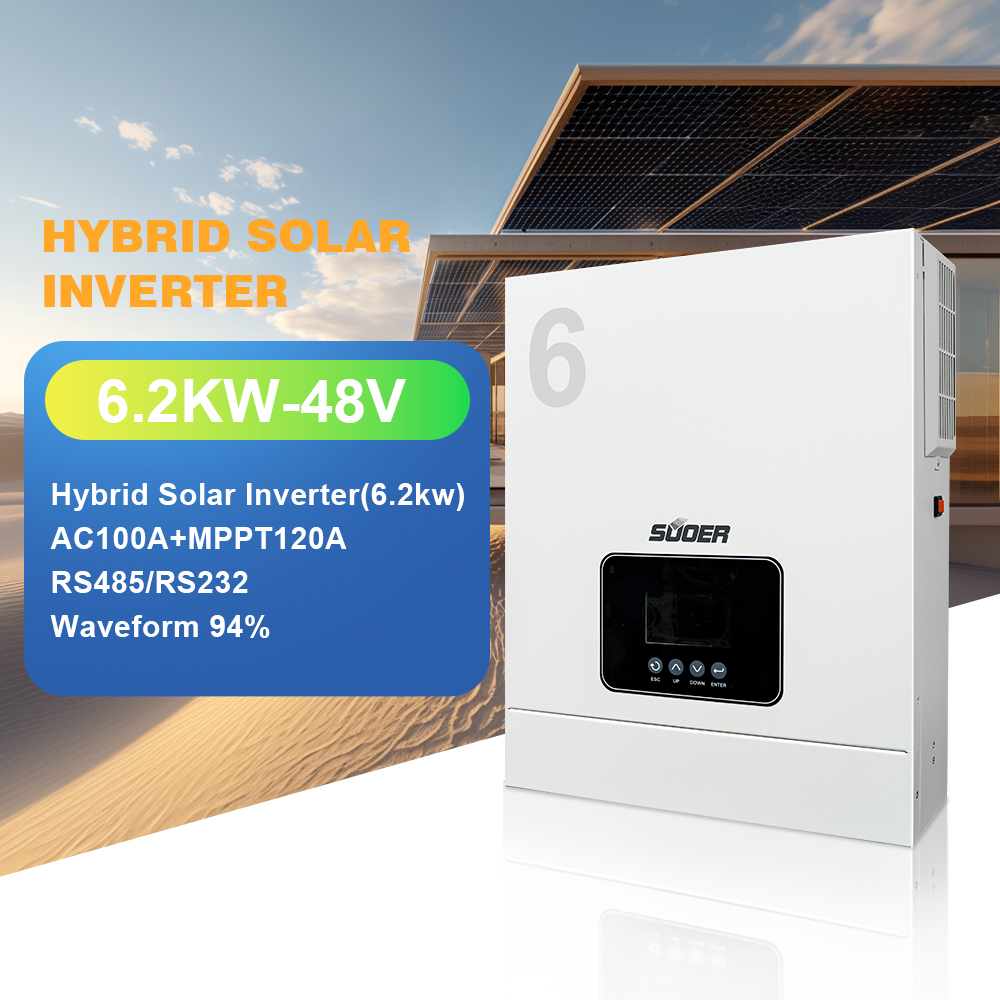
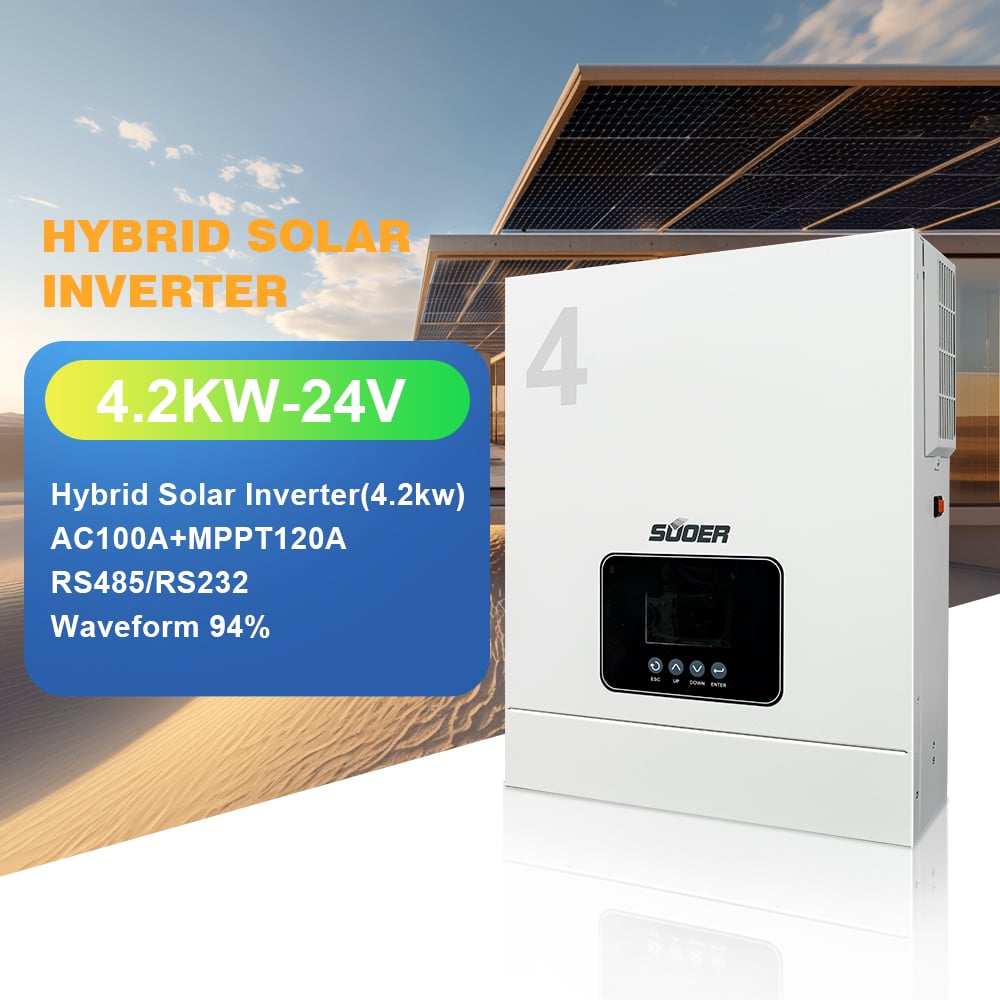
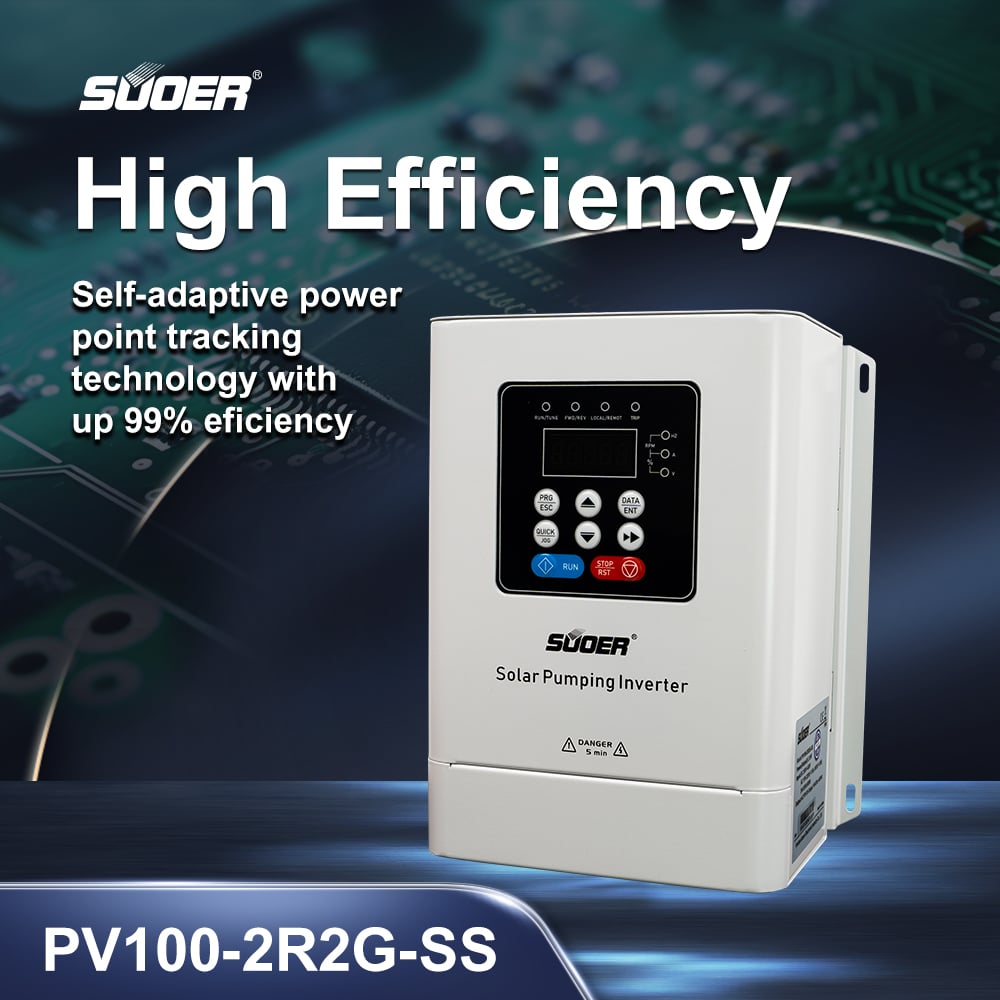
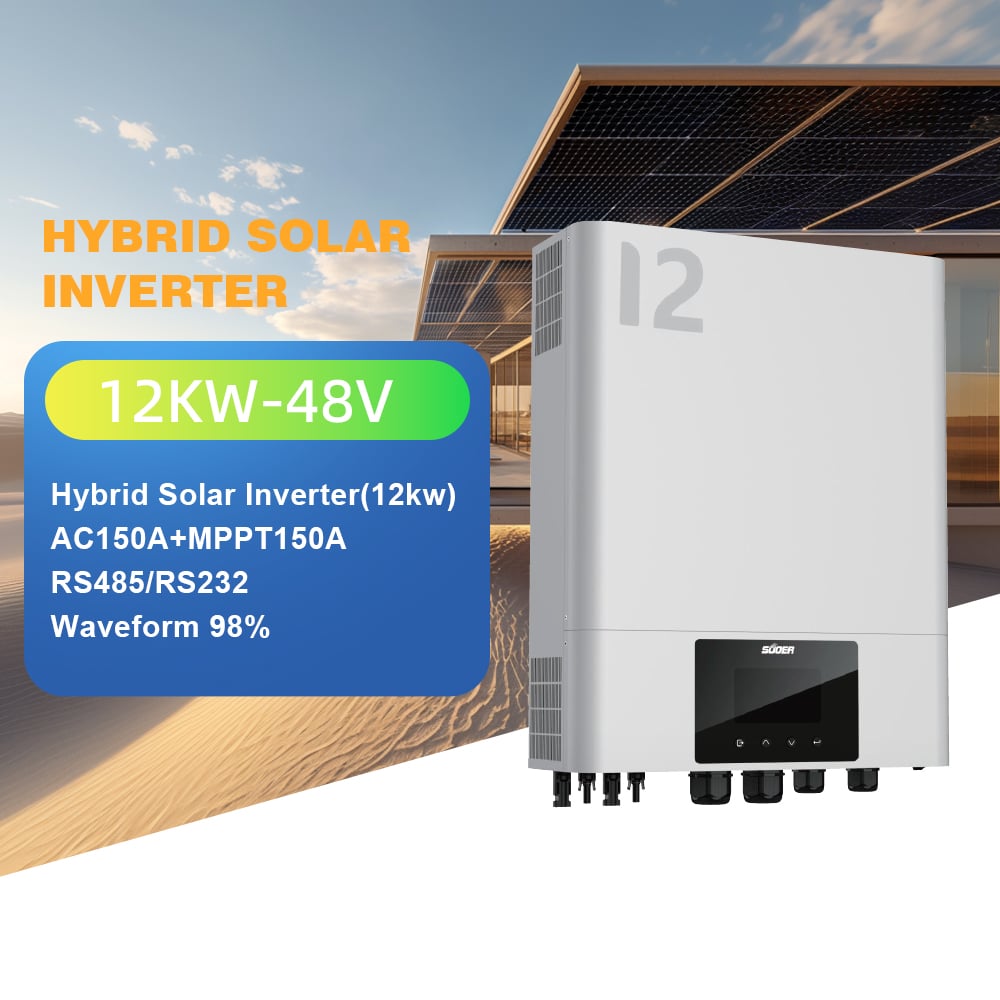
Photovoltaic inverters are critical components in solar energy systems, converting the direct current (DC) generated by solar panels into alternating current (AC) suitable for use in homes and businesses. As B2B buyers, particularly purchasing managers and engineers, you may have concerns about supplier reliability, product specifications, and installation requirements. This article will provide you with essential insights into choosing the right photovoltaic inverter supplier, understanding product specifications, cost considerations, installation guidance, and the various applications of photovoltaic hybrid inverter in renewable energy projects.
Selecting a reliable supplier for photovoltaic inverters is crucial for the success of your renewable energy projects. Here are key factors to consider:
Manufacturing Capabilities: Verify the supplier's production capabilities, including their automated production processes and quality control systems. A robust manufacturing process ensures consistency and reliability in product quality.
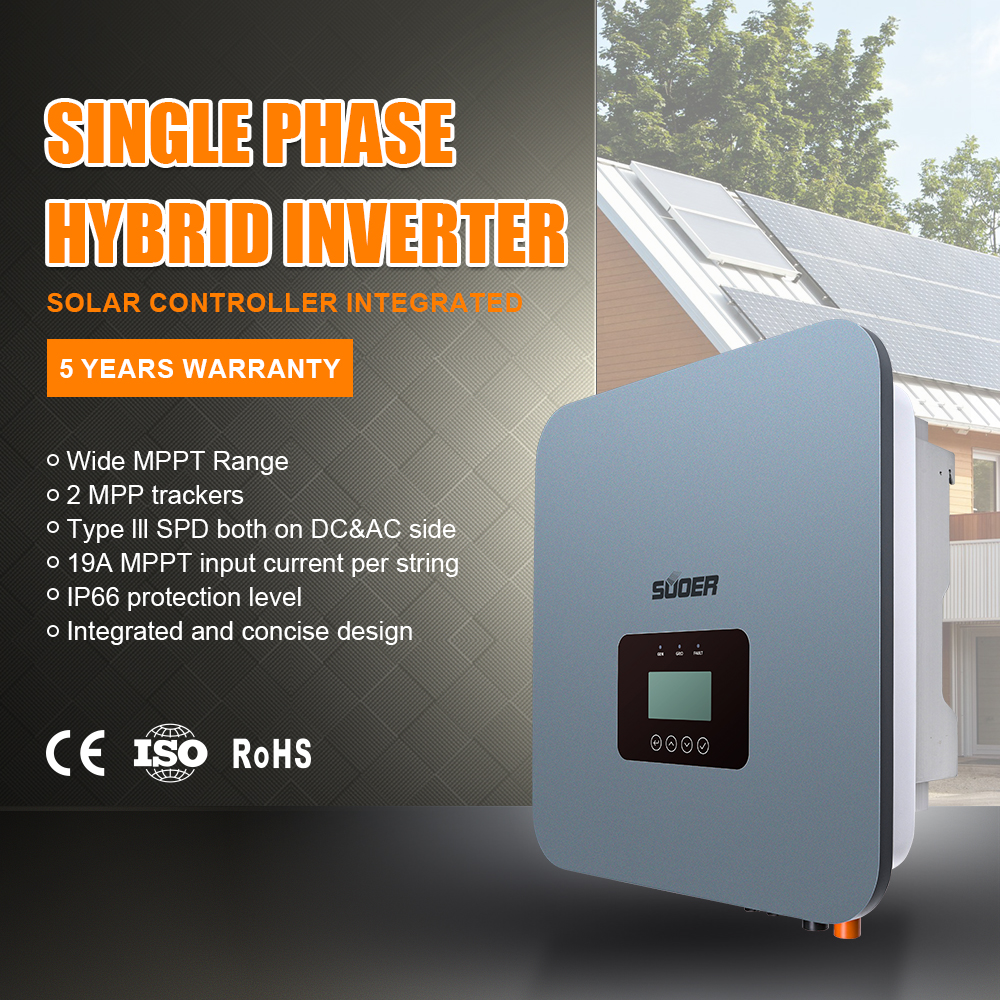
Certifications and Compliance: Check for necessary certifications such as ROHS, CE, and ISO9001, which indicate that the products meet international safety and quality standards. Suppliers with these certifications demonstrate a commitment to quality and regulatory compliance.
Experience in the Industry: A supplier with extensive experience in the renewable energy sector, particularly with major vehicle OEMs and industries like telecommunications and rail transit, can provide valuable insights and support.
Customization Options: If your project requires specific configurations or features, ensure the supplier offers customization capabilities to meet your unique needs.
Customer Support and Service: Evaluate the supplier's customer service track record. A responsive and knowledgeable support team can assist with technical inquiries and troubleshooting.
When ordering photovoltaic inverters in bulk, understanding the specifications is essential. Key specifications to consider include:
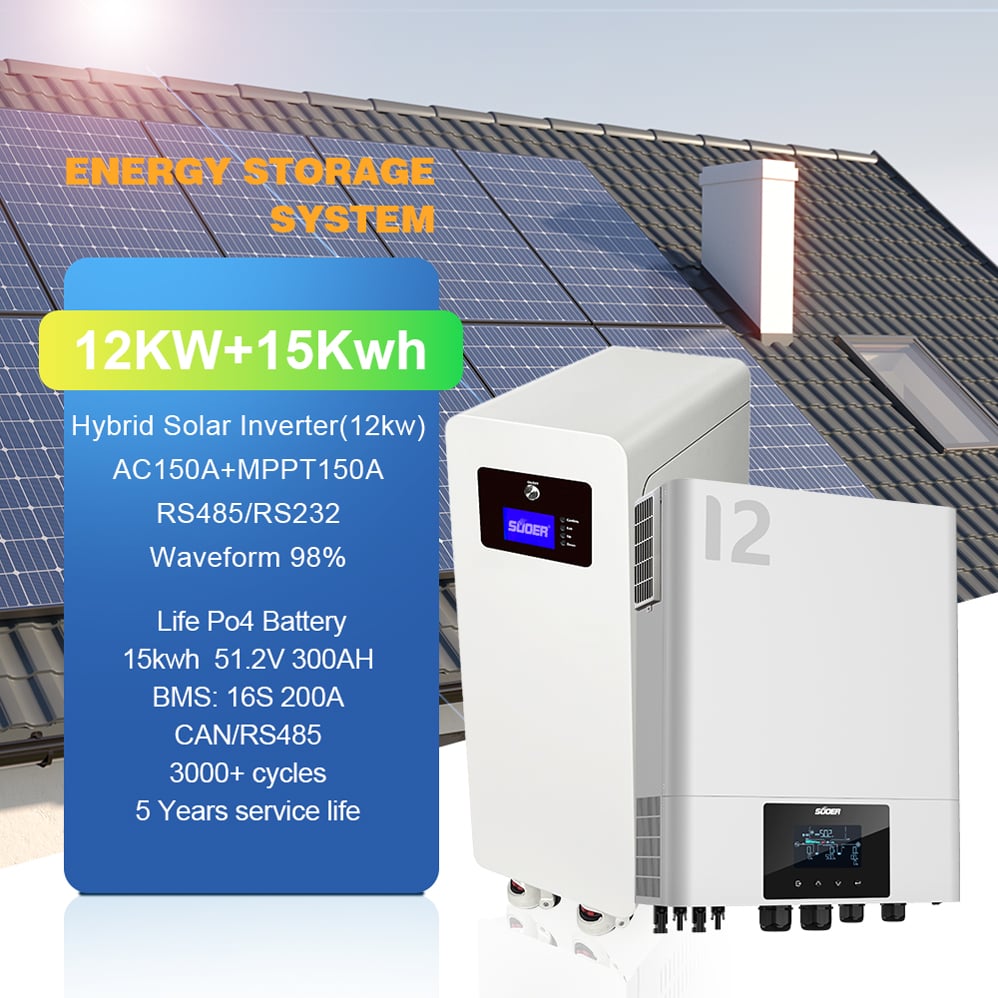
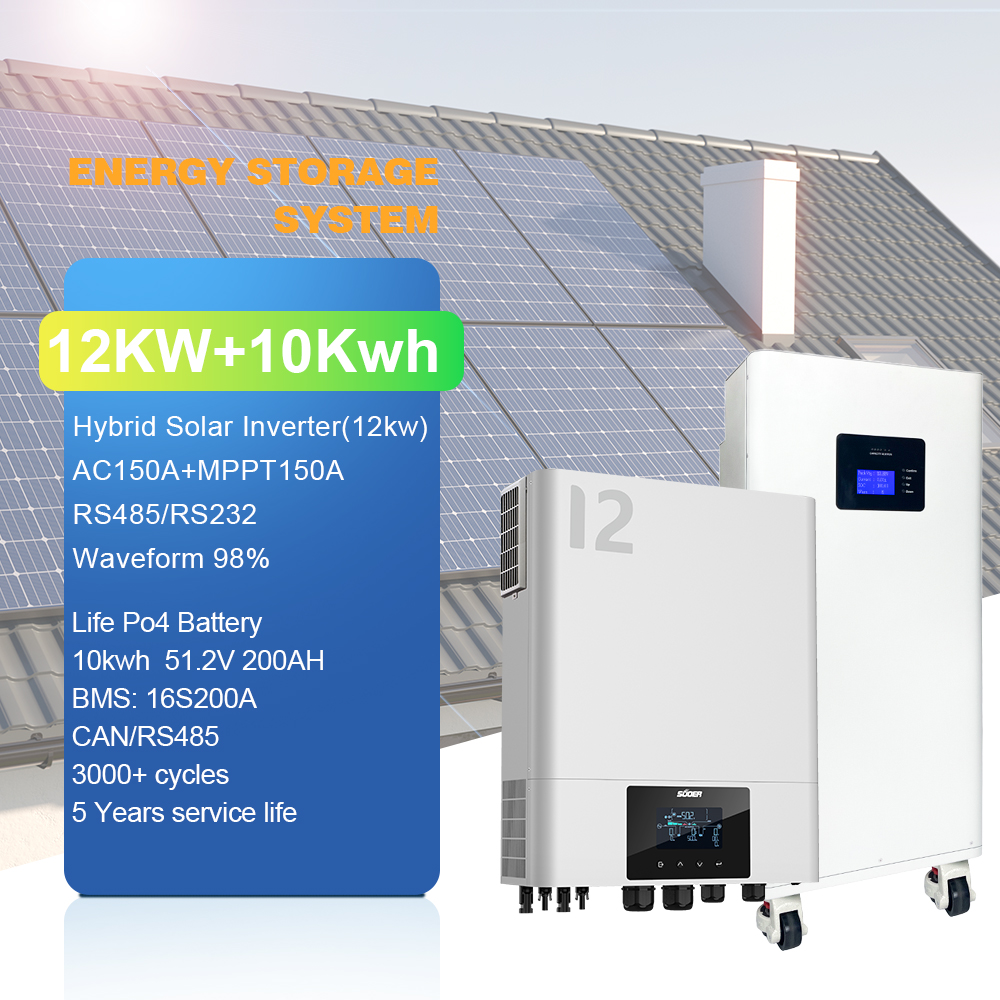
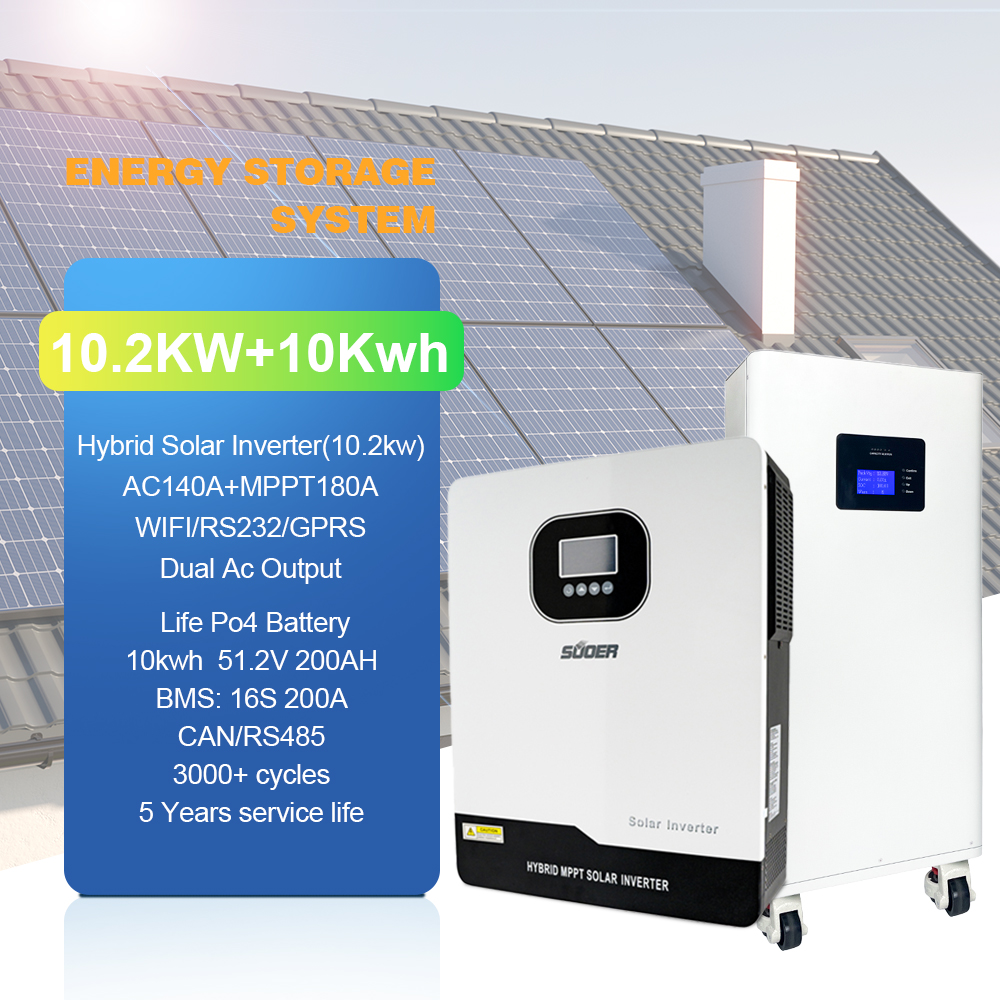
Power Rating: This indicates the inverter's capacity to handle energy output from the solar panels. Ensure the inverter's power rating aligns with your system's requirements to avoid inefficiencies.
Efficiency Ratings: High-efficiency inverters minimize energy loss during the conversion process. Look for inverter with efficiency ratings above 90%, as this directly impacts the overall performance of your solar system.
Voltage and Current Ratings: Ensure the inverter's voltage and current ratings match those of your solar panels and the electrical system it will connect to. Mismatched ratings can lead to system failures or inefficiencies.
Cooling Mechanisms: Inverters may use passive or active cooling systems. Consider the installation environment and choose an inverters that can maintain optimal operating temperatures under varying conditions.
Communication Protocols: If monitoring and control are important, check for compatibility with communication protocols such as RS485 or Ethernet. This enables integration with smart energy management systems.
Understanding the cost structure for bulk purchases of photovoltaic inverters is crucial for budget planning. Key cost factors include:
Unit Price: This is the base cost per inverter, which typically decreases with larger order quantities. Compare pricing across different suppliers to ensure competitive rates.
Shipping and Handling Fees: Factor in shipping costs, which can vary based on the supplier's location and your delivery requirements. Bulk orders may qualify for reduced shipping rates.
Import Duties and Taxes: If purchasing from international suppliers, be aware of potential import duties and taxes that can impact your total cost.
Warranty and Service Agreements: Consider the value of warranty coverage and service agreements. A longer warranty period may indicate confidence in the product's durability and performance.
Payment Terms: Review the payment terms offered by suppliers. Flexible payment options can improve cash flow management for your project.
Proper installation of photovoltaic inverters is essential for optimal performance. Here are some installation tips:
Site Assessment: Before installation, conduct a thorough site assessment to determine the best location for the inverter. It should be placed in a shaded, well-ventilated area to prevent overheating.
Electrical Connections: Ensure that all electrical connections are secure and comply with electrical codes. Inadequate connections can lead to inefficiencies or system failures.
Grounding and Surge Protection: Implement proper grounding techniques to protect the inverter from electrical surges. Installing surge protection devices can safeguard against voltage spikes.
Monitoring Setup: If your inverter supports monitoring features, set up the necessary communication links for real-time performance tracking. This allows for proactive maintenance and troubleshooting.
Regular Maintenance Checks: Schedule routine maintenance checks to ensure the inverter is functioning optimally. This includes inspecting connections, cleaning dust, and updating firmware as needed.
Photovoltaic inverters play a vital role in various renewable energy applications. Here are some common uses:
Residential Solar Systems: Inverters are essential for converting the DC energy generated by home solar panels into AC energy for household use, enabling homeowners to reduce reliance on the grid.
Commercial Solar Installations: Businesses utilize photovoltaic inverters to harness solar energy for operational needs, often resulting in significant cost savings and sustainability benefits.
Utility-Scale Solar Farms: Large-scale solar farms require high-capacity inverters to convert and manage significant amounts of solar energy. These inverters often feature advanced monitoring and control systems.
Electric Vehicle Charging Stations: Inverters are used in charging stations to convert solar power into usable electricity for electric vehicles, promoting a cleaner transportation option.
Remote Power Applications: Inverters enable solar energy use in remote areas, providing power for telecommunications, rail transit systems, and other critical infrastructure where grid access is limited.
By understanding the essential factors that influence the selection, specifications, costs, installation, and applications of photovoltaic inverters, you can make informed decisions that enhance the efficiency and reliability of your renewable energy projects.

Discover Suoer’s premium range of solar inverters and power inverters designed for reliable renewable energy solutions.Trusted by customers worldwide for exceptional performance and durability.
Suoer Industrial Zone, Ercun Road Section, Yanfeng Avenue, Shishan Town,Foshan city,Guangdong Province,China
Copyright © 2024 Foshan Suoer Electronic Industry Co., Ltd. Privacy Policy - Blog

 EN
 AR
 NL
 FR
 DE
 EL
 IT
 JA
 KO
 PT
 RU
 ES
 VI
 TH
 TR
 BG
 HR
 CS
 NO
 PL
 TL
 ID
 SR
 UK
 SQ
 HU
 MT
 AF
 MS
 IS
 HY
 AZ
 BN
 BS
 GU
 LO
 LA
 MN
 NE
 TA