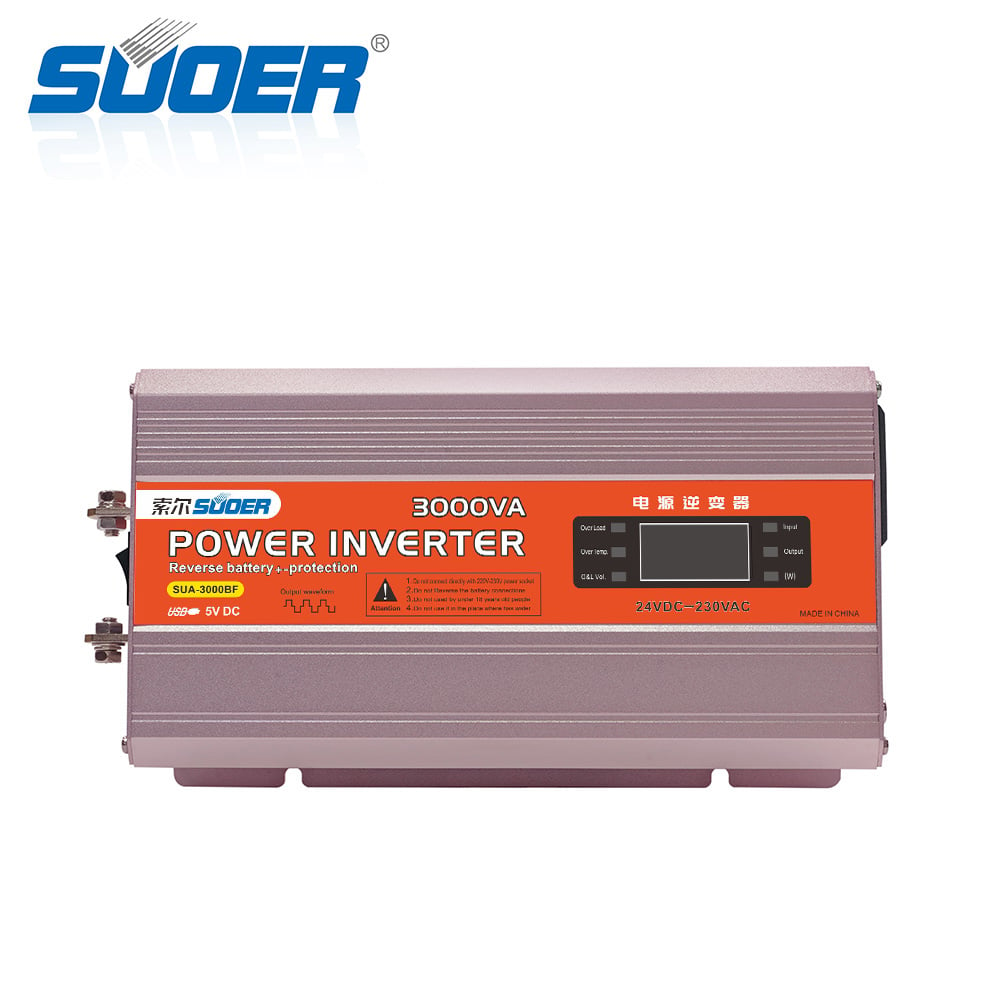
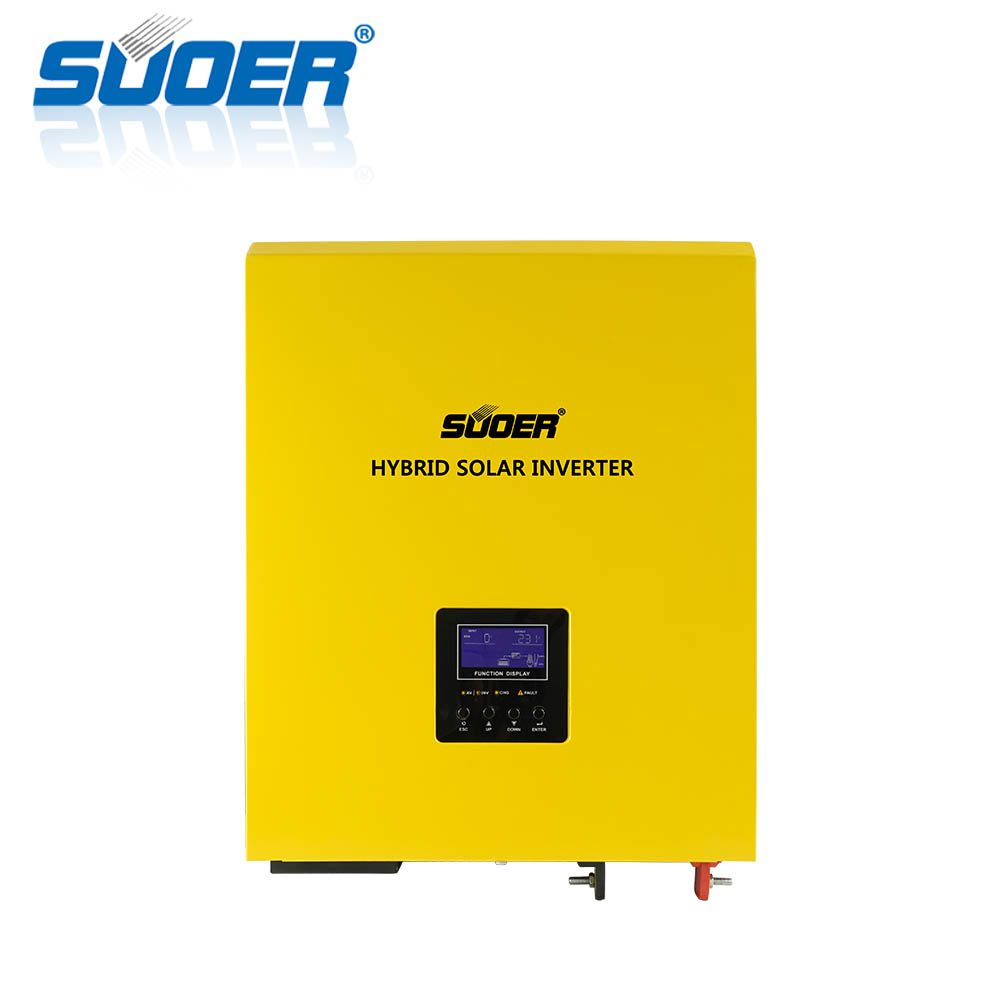
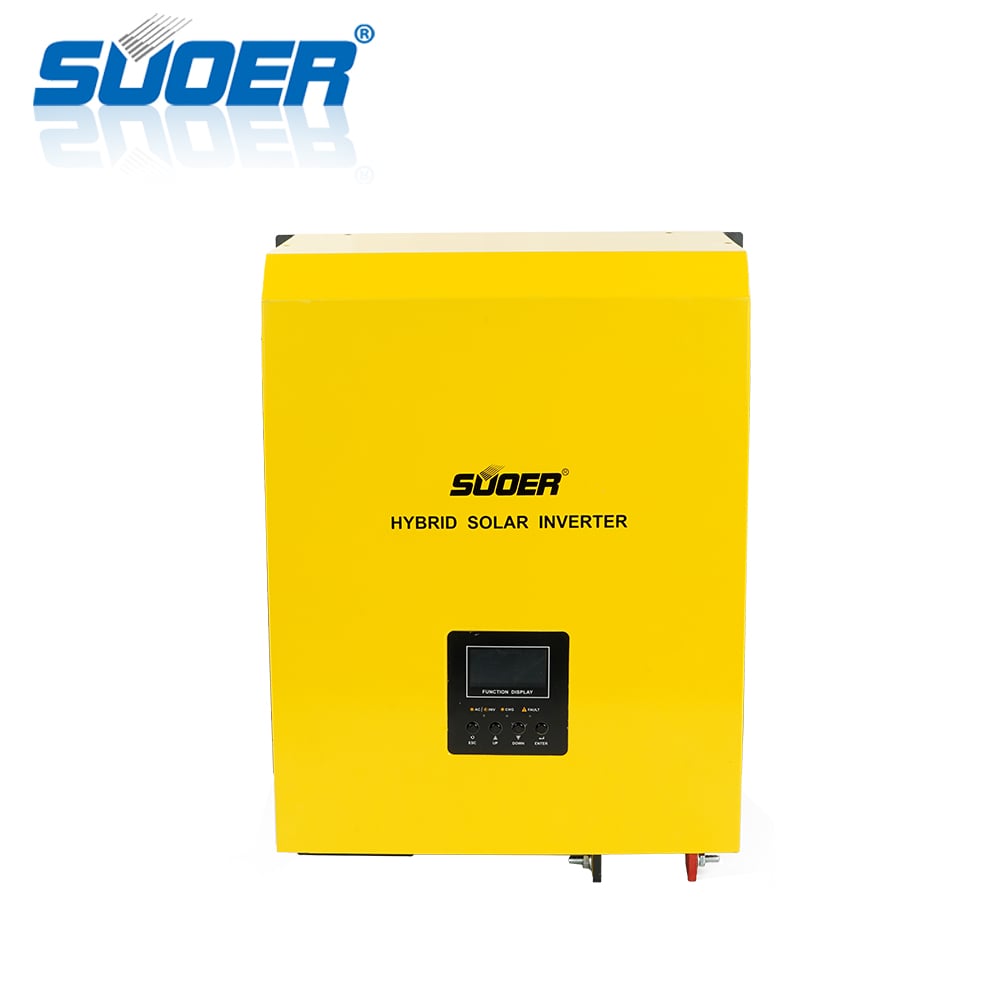
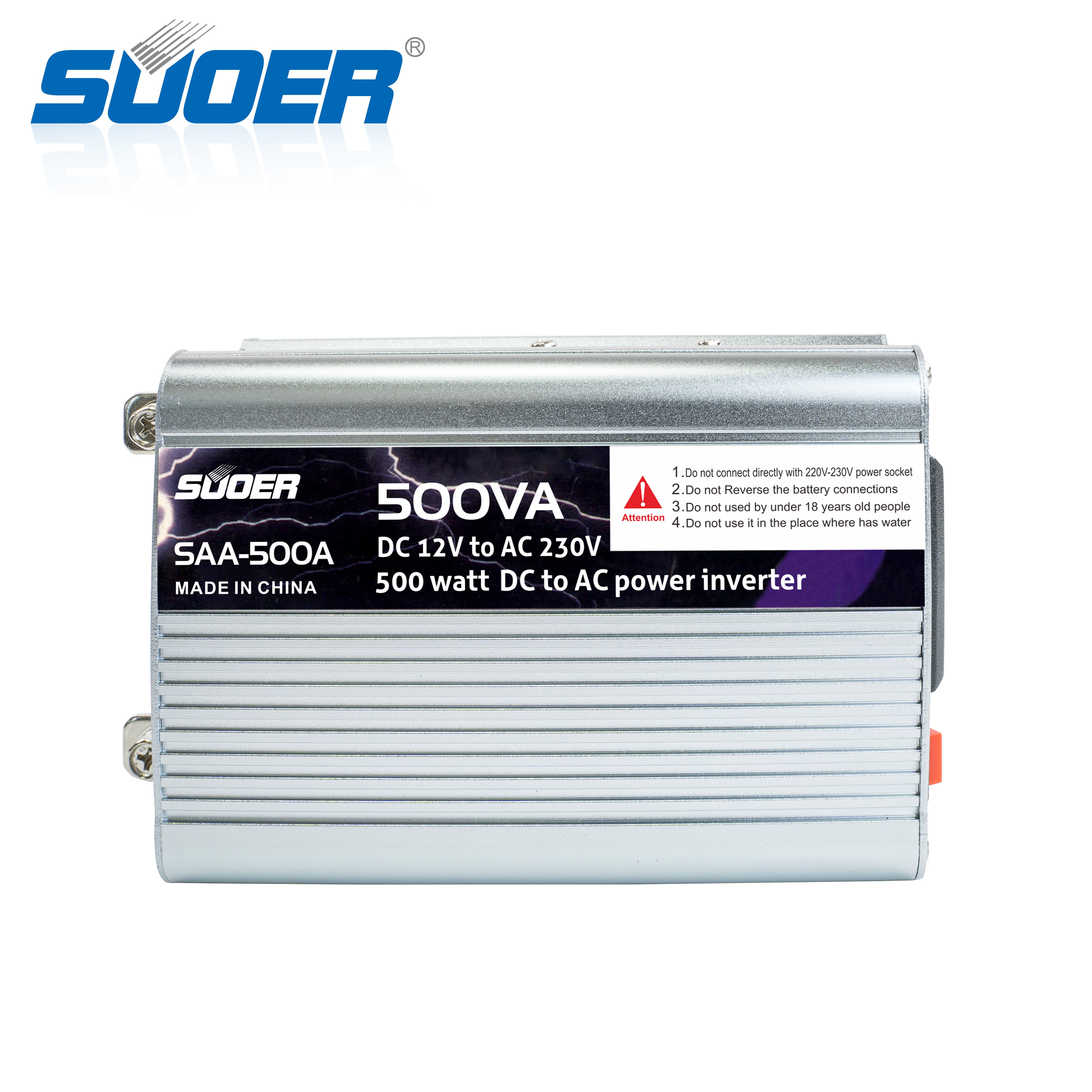
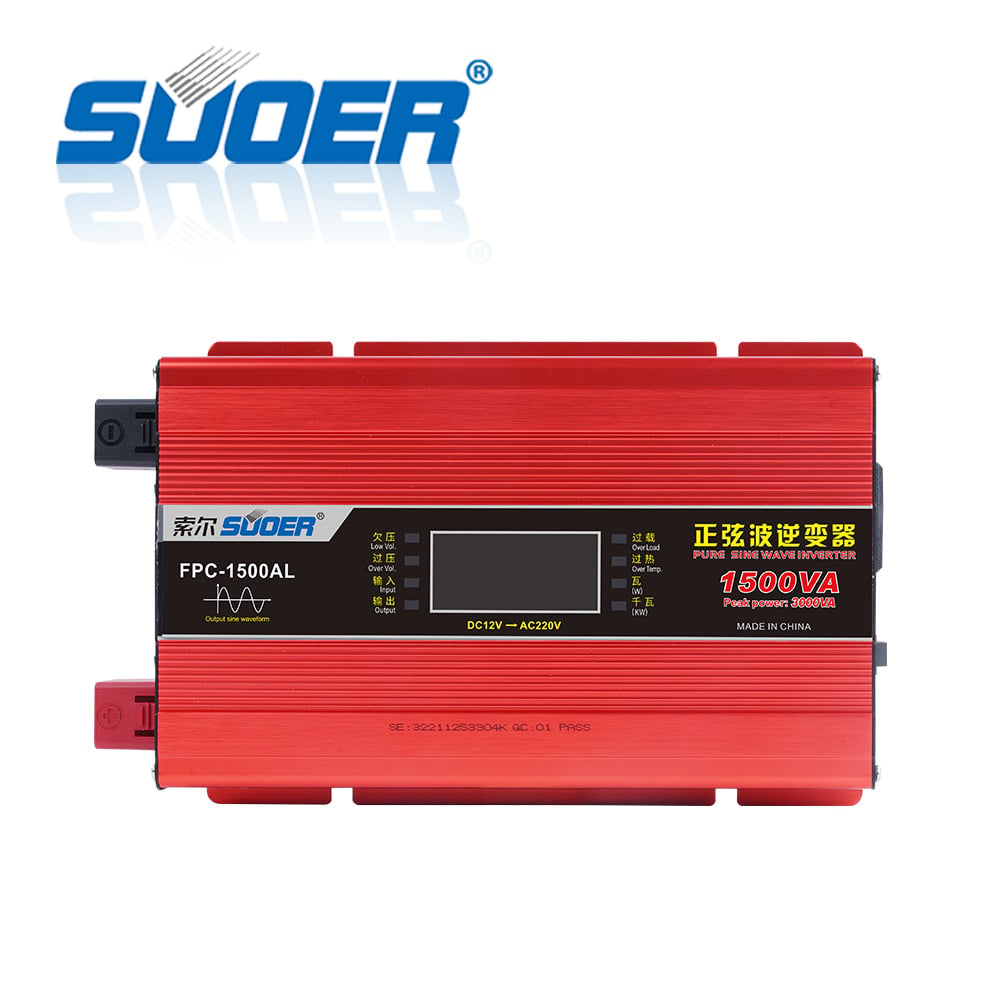
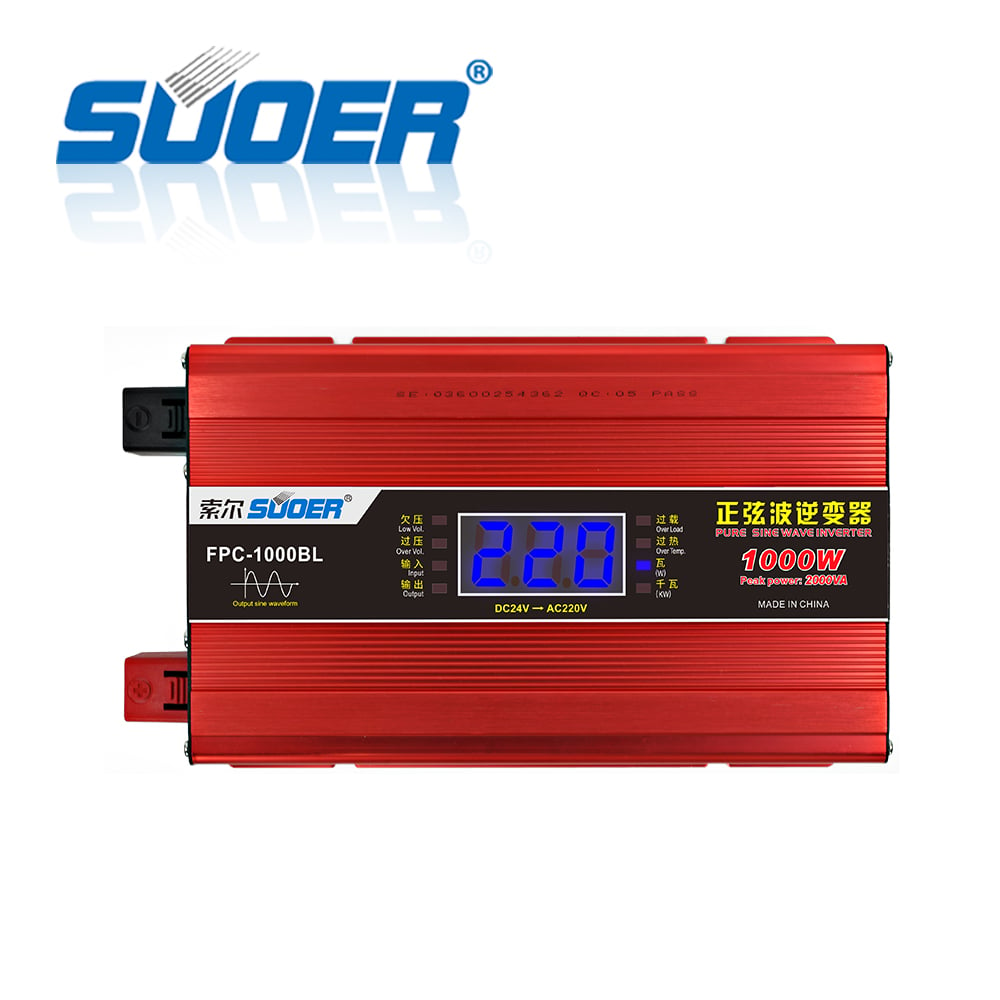
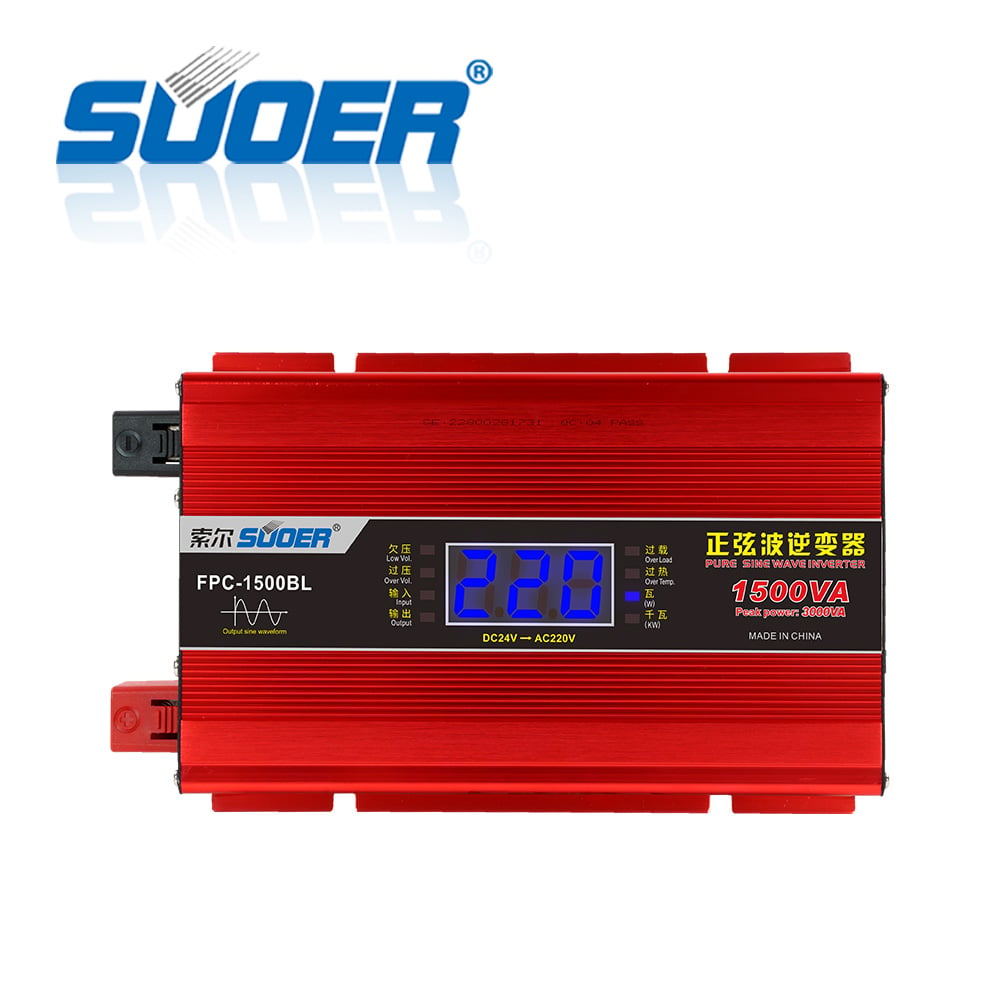
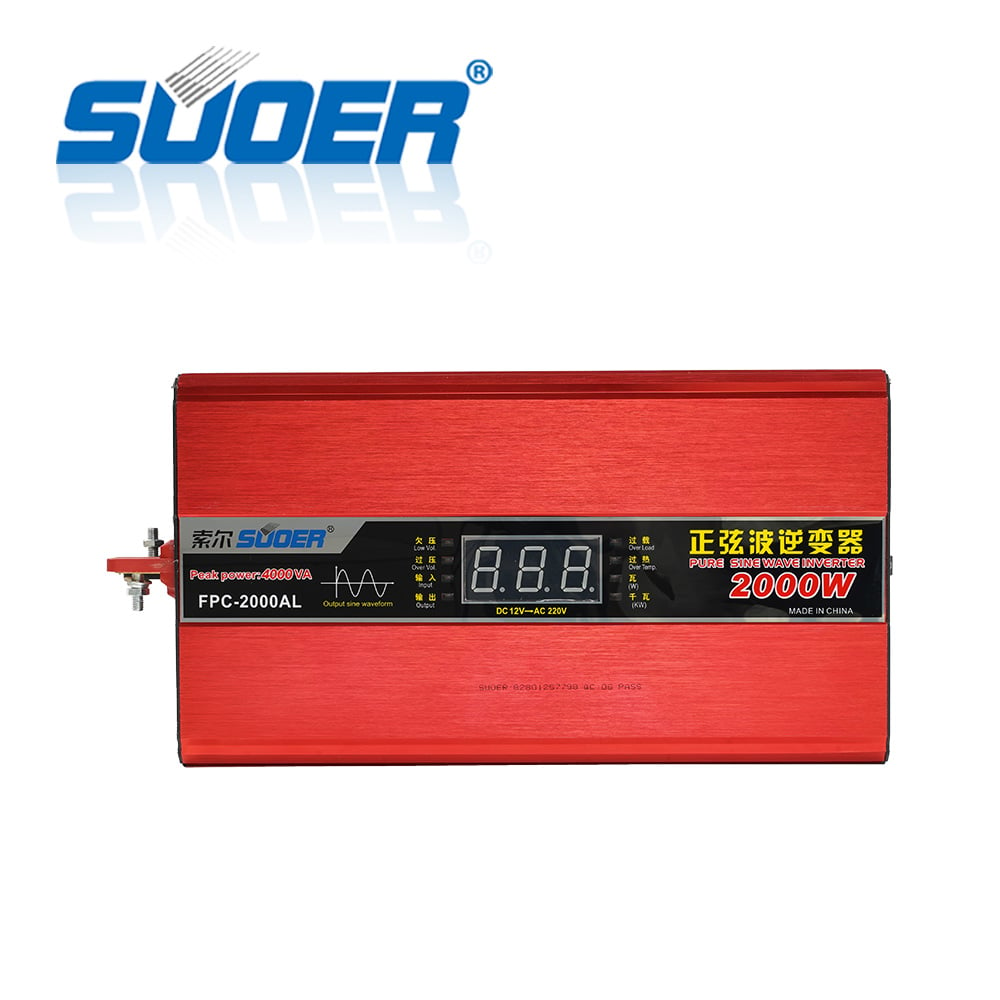
The 3000W 12V pure sine wave inverter is a critical component for various applications requiring reliable and high-quality power conversion. Designed to convert DC power into AC power, this inverter is especially favored in electric vehicles, renewable energy systems, and industrial applications due to its efficiency and ability to support sensitive electronic devices. As purchasing managers, engineers, and product managers weigh their options, understanding the costs, installation, applications, and potential issues with inverters is vital for informed decision-making. This article aims to provide comprehensive insights into the 3000W 12V pure sine wave inverter, addressing key concerns and offering practical guidance.
When determining the cost of a 3000W 12V pure sine wave inverter, several factors come into play. First, potential buyers should assess the specifications that align with their application needs. Specifications such as efficiency ratings, surge capacity, and operating temperature ranges can significantly affect the price. For instance, higher efficiency models that minimize energy loss during conversion may come at a premium but can lead to cost savings in energy consumption over time.
Next, consider the manufacturing quality and certifications. Inverters that comply with standards like ROHS and CE often carry higher costs due to the rigorous testing and quality assurance processes required. Buyers should also investigate the supplier's capabilities in terms of production equipment and quality control processes, as this can influence both the initial price and long-term reliability. To ensure high-quality components, some buyers may opt for a Lead acid battery or a Lithium battery to pair with their inverter, which can enhance overall system performance.
Lastly, quantity and customization options will impact cost. Many manufacturers offer price breaks for bulk orders or customization based on specific project requirements. Understanding these aspects will help buyers make informed financial decisions that align with their operational needs.
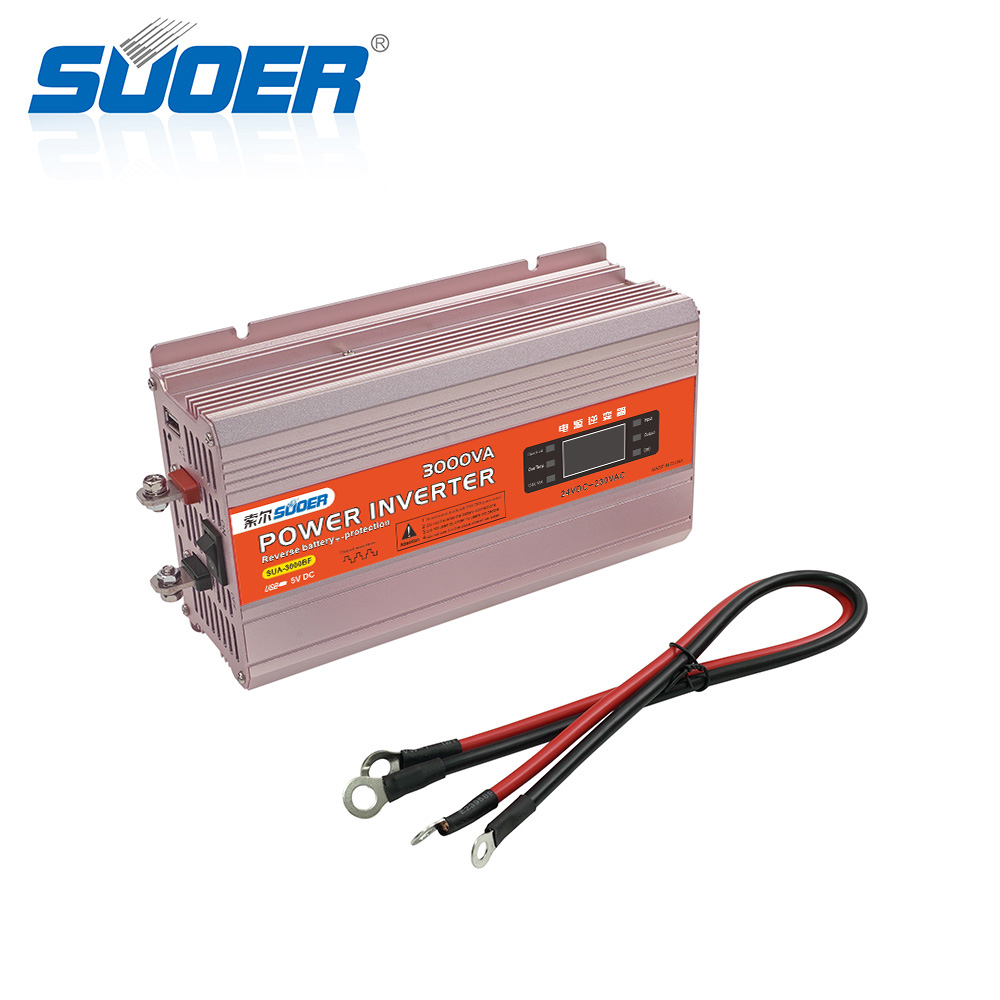
Installing a 3000W 12V pure sine wave inverter requires careful planning to ensure optimal performance and safety. First, identify the installation location, ensuring it is well-ventilated and protected from moisture or extreme temperatures, which could affect the inverter’s functionality.
Before installation, verify that all components, including wiring and connectors, are rated for the inverter's output. Using the appropriate gauge of wire is crucial to prevent overheating and voltage drops. It is advisable to consult the inverter's manual for specific electrical requirements and installation diagrams.
During the installation process, ensure that the inverter is securely mounted and that all connections are tight to avoid issues during operation. After installation, perform a thorough inspection and testing phase to confirm that the inverter operates correctly under load conditions. This proactive step can prevent potential failures and ensure that the inverter meets the required performance expectations.
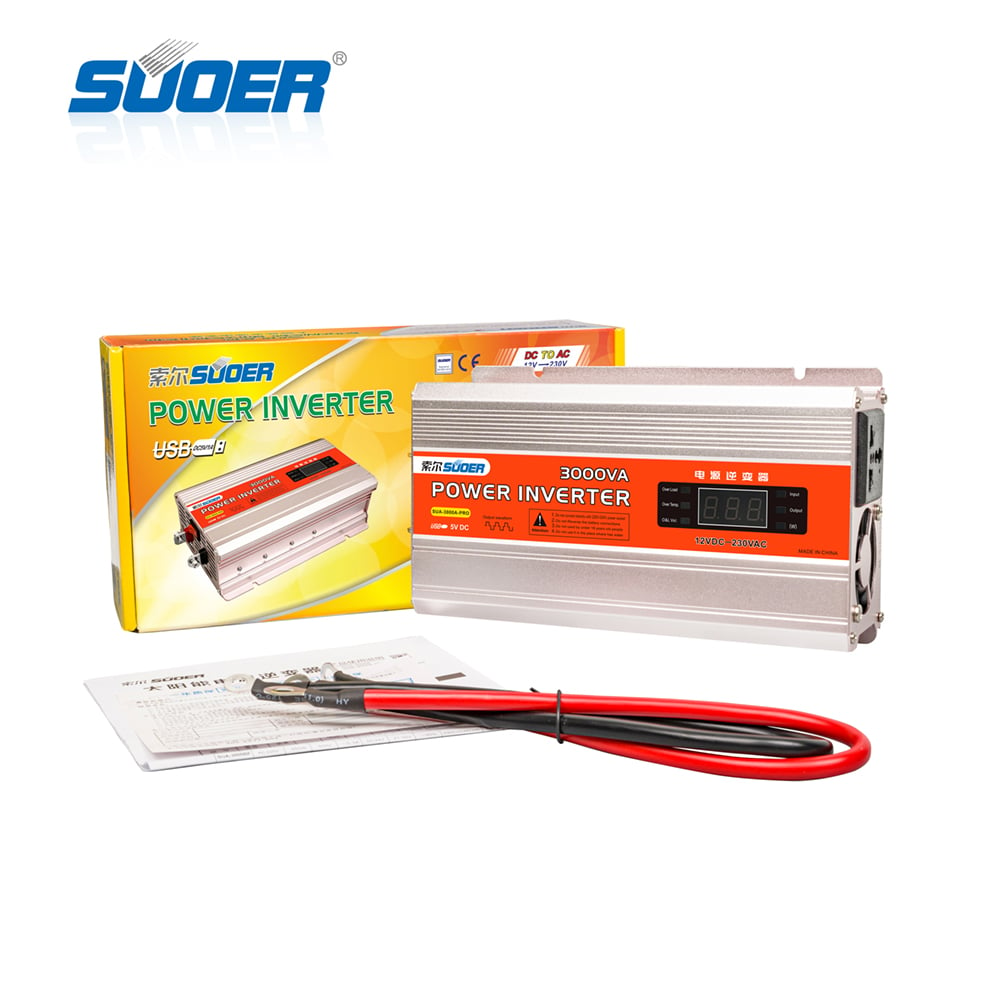
The versatility of the 3000W 12V pure sine wave inverter makes it suitable for numerous applications across different industries. In the electric vehicle sector, it provides clean and stable power for onboard electronics, supporting functions from lighting to infotainment systems. Its ability to produce a pure sine wave output is particularly important for sensitive devices that require consistent power quality.
In renewable energy systems, such as solar setups, this inverter converts the DC output from photovoltaic panels into AC power for household or industrial use. This capability is essential for effective energy management, allowing for the integration of solar power into existing electrical grids. Additionally, using a Solar Controller can enhance the efficiency of such systems.
Additionally, in telecommunications and industrial settings, the inverter ensures reliable power supply for communication equipment and machinery, minimizing downtime and enhancing operational efficiency. Understanding the specific applications will help buyers select the right inverter based on their industry requirements.
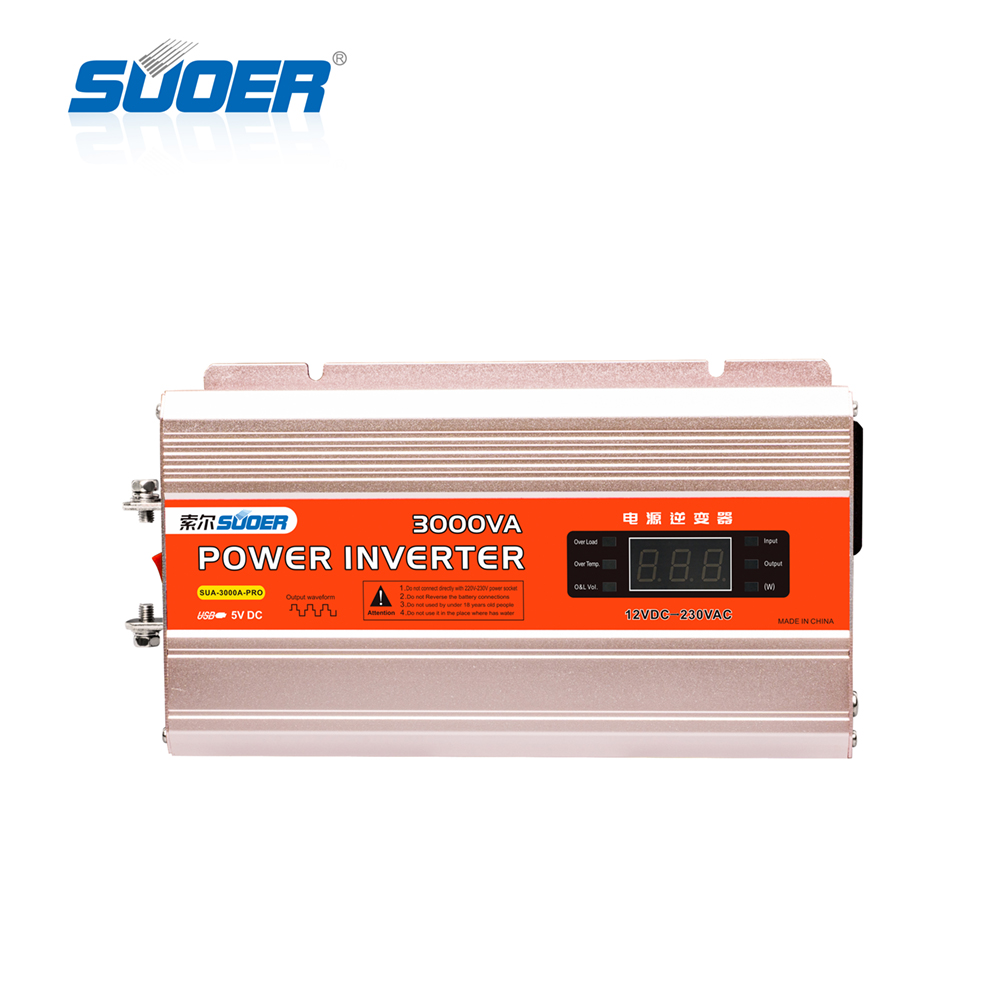
Inverters, including the 3000W 12V pure sine wave models, may encounter several common issues. One frequent problem is overheating, which can occur if the inverter is overloaded or improperly ventilated. To mitigate this, ensure that the inverter is rated appropriately for the load and that it is installed in a well-ventilated area. Regular maintenance checks can also help identify potential overheating risks.
Another common issue is inverter failure due to poor quality components. Buyers should prioritize sourcing inverters from reputable manufacturers with robust quality control processes. Conducting a quality inspection of the inverter before mass production can help ensure that all components meet necessary standards.
Voltage fluctuations can also lead to inefficiencies and potential damage. Implementing surge protectors and regular system monitoring can help maintain stable voltage levels and protect sensitive equipment connected to the inverter.
Investing in a 3000W 12V pure sine wave inverter offers numerous benefits for various projects. One of the primary advantages is the inverter's ability to provide clean power, which is essential for sensitive electronics that may suffer from distortion caused by modified sine wave inverters. This quality can extend the lifespan of connected devices and improve overall system reliability.
The inverter's efficiency is another key benefit. High-efficiency models minimize energy loss, translating to cost savings over time, particularly in applications where the inverter operates for extended periods. Additionally, the flexibility offered by this inverter supports various applications, making it an ideal choice for businesses looking to streamline their power solutions.
Moreover, the inverter's compatibility with renewable energy sources enhances its appeal, allowing businesses to incorporate sustainable practices into their operations. This capability aligns with the growing emphasis on eco-friendly solutions and can improve a company’s overall sustainability profile.
By understanding these benefits, buyers can make informed decisions that align with their project goals and operational requirements.

Discover Suoer’s premium range of solar inverters and power inverters designed for reliable renewable energy solutions.Trusted by customers worldwide for exceptional performance and durability.
Suoer Industrial Zone, Ercun Road Section, Yanfeng Avenue, Shishan Town,Foshan city,Guangdong Province,China
Copyright © 2024 Foshan Suoer Electronic Industry Co., Ltd. Privacy Policy - Blog

 EN
 AR
 NL
 FR
 DE
 EL
 IT
 JA
 KO
 PT
 RU
 ES
 VI
 TH
 TR
 BG
 HR
 CS
 NO
 PL
 TL
 ID
 SR
 UK
 SQ
 HU
 MT
 AF
 MS
 IS
 HY
 AZ
 BN
 BS
 GU
 LO
 LA
 MN
 NE
 TA