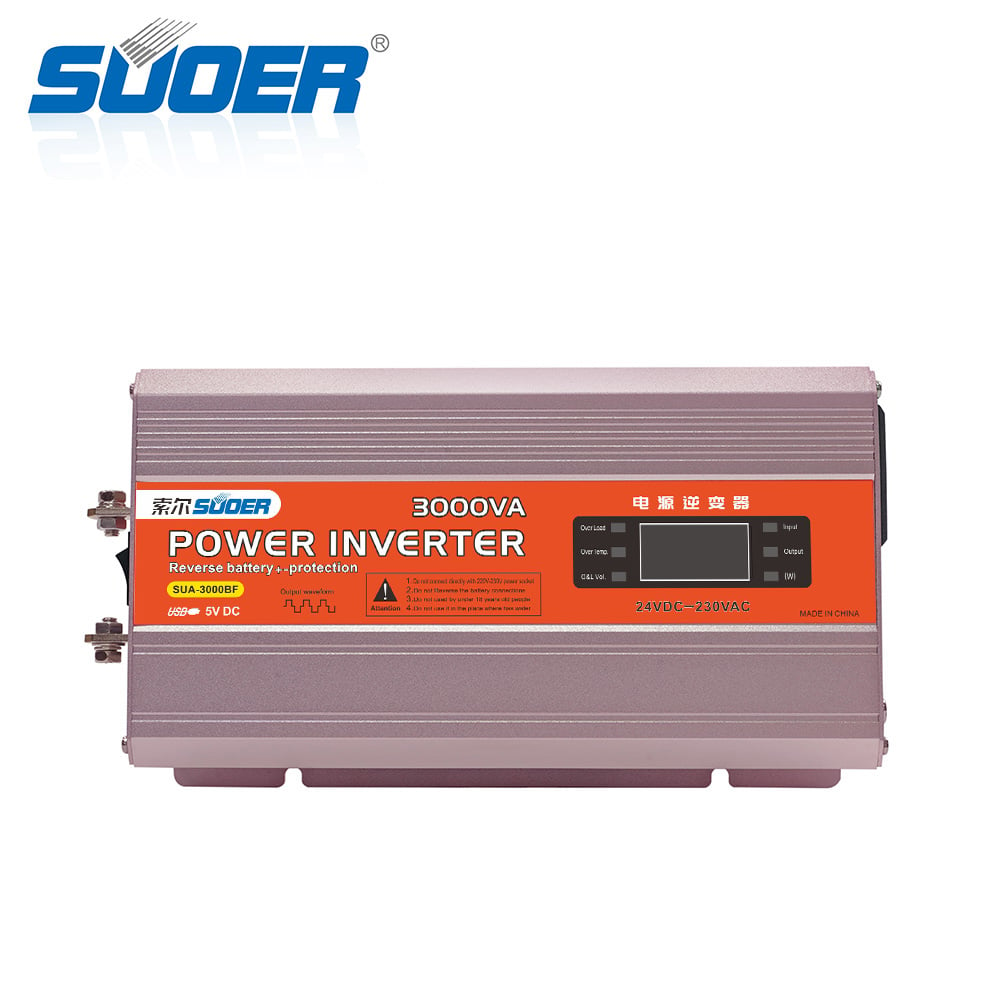
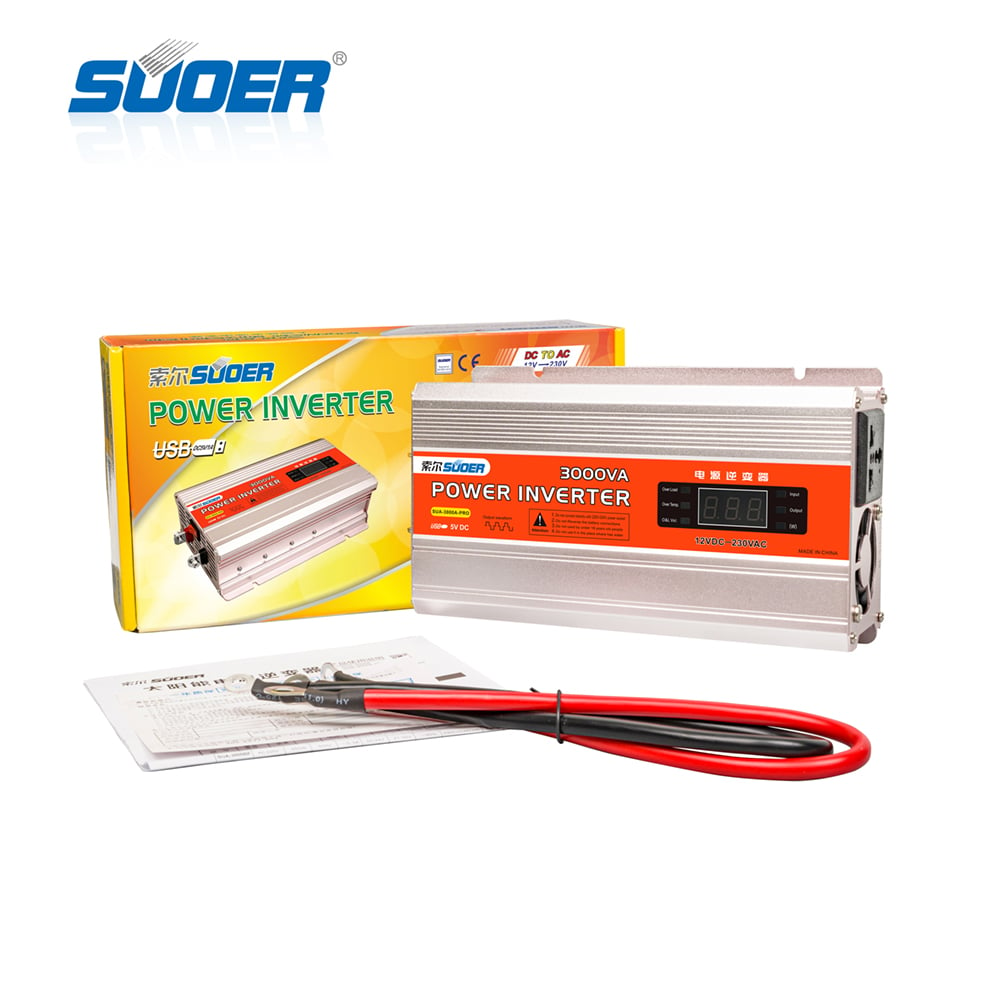
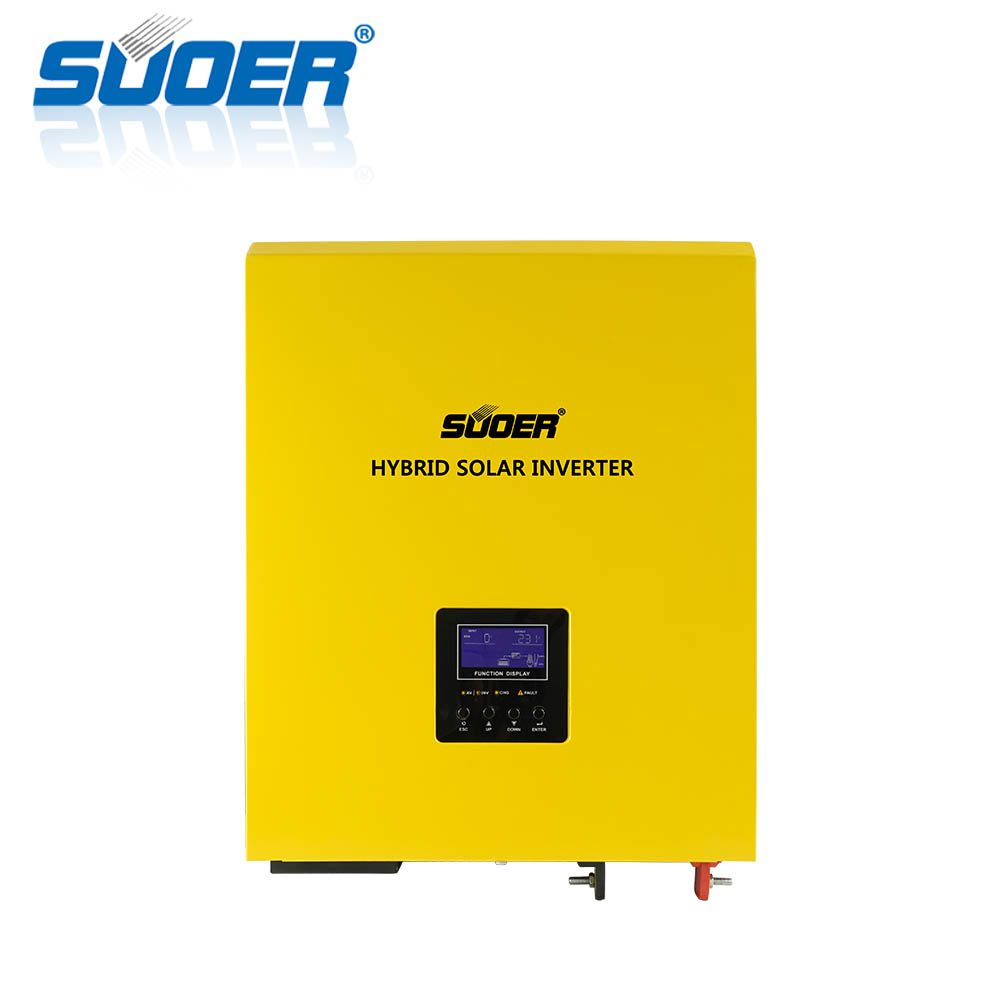
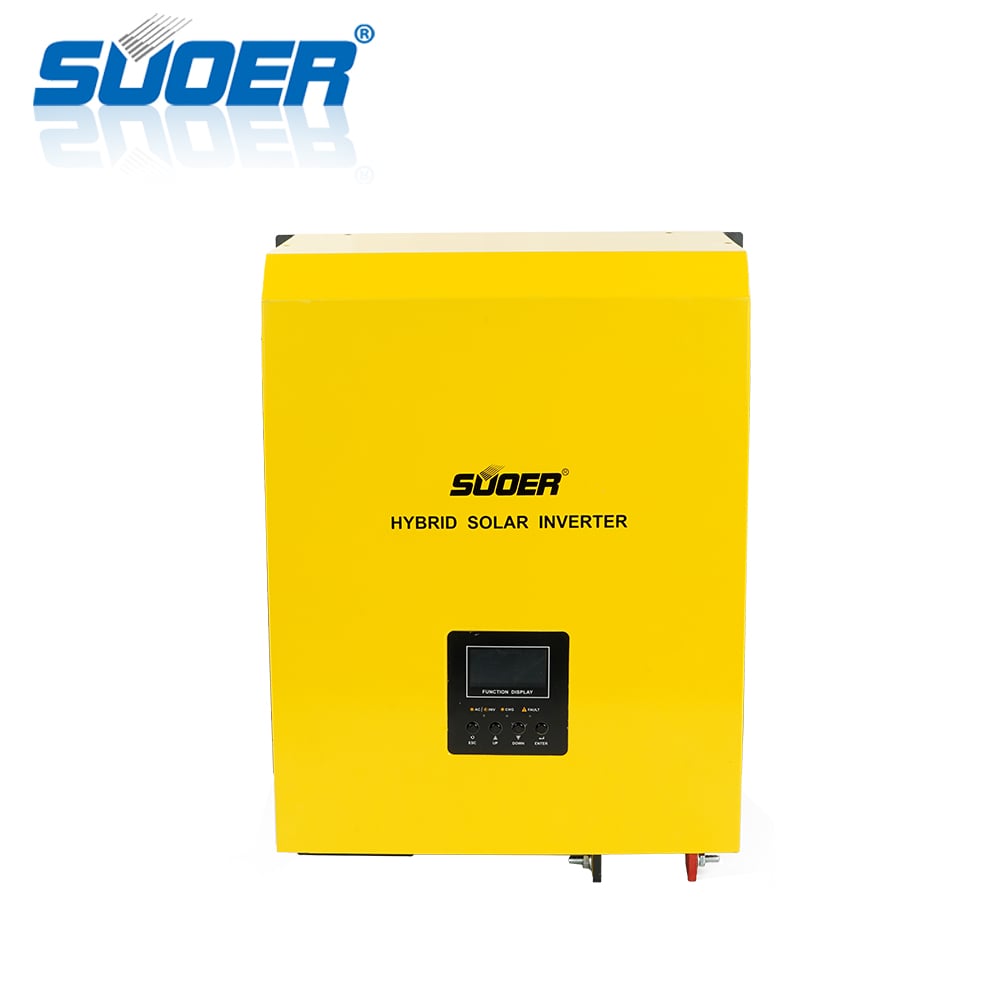
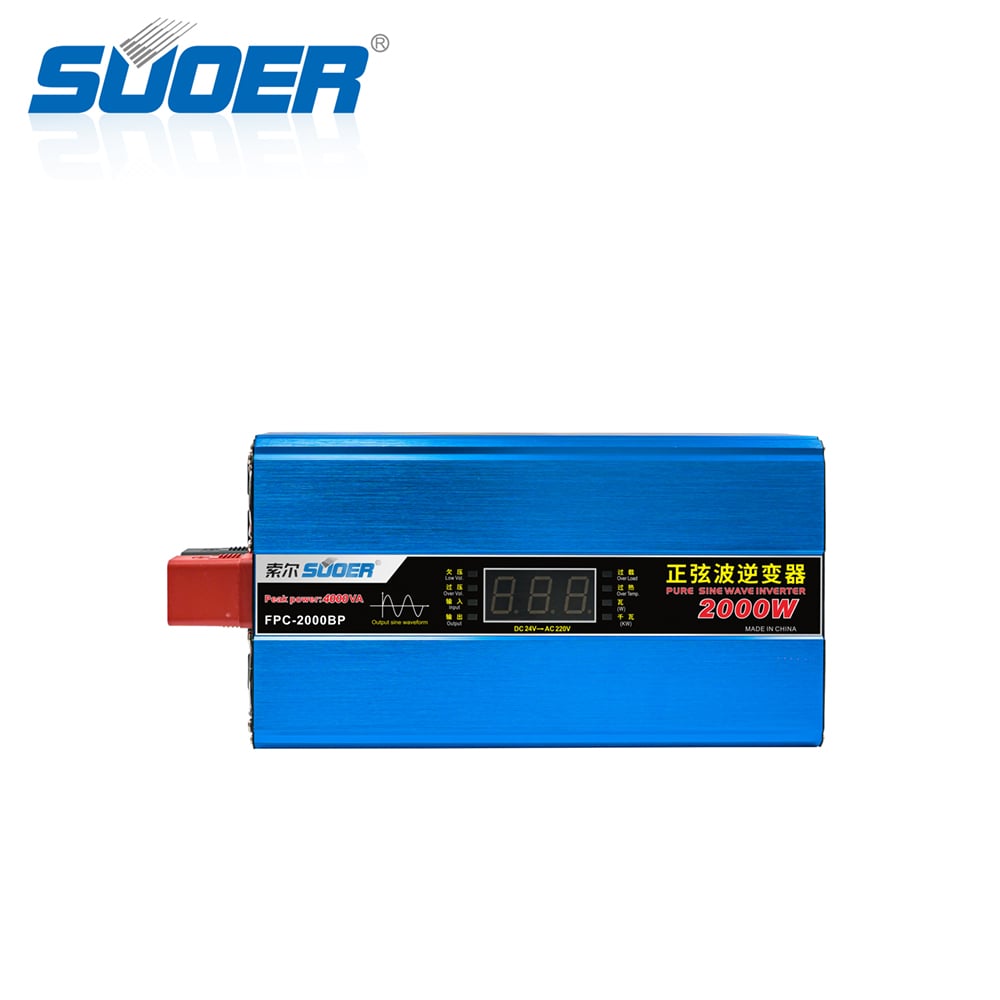
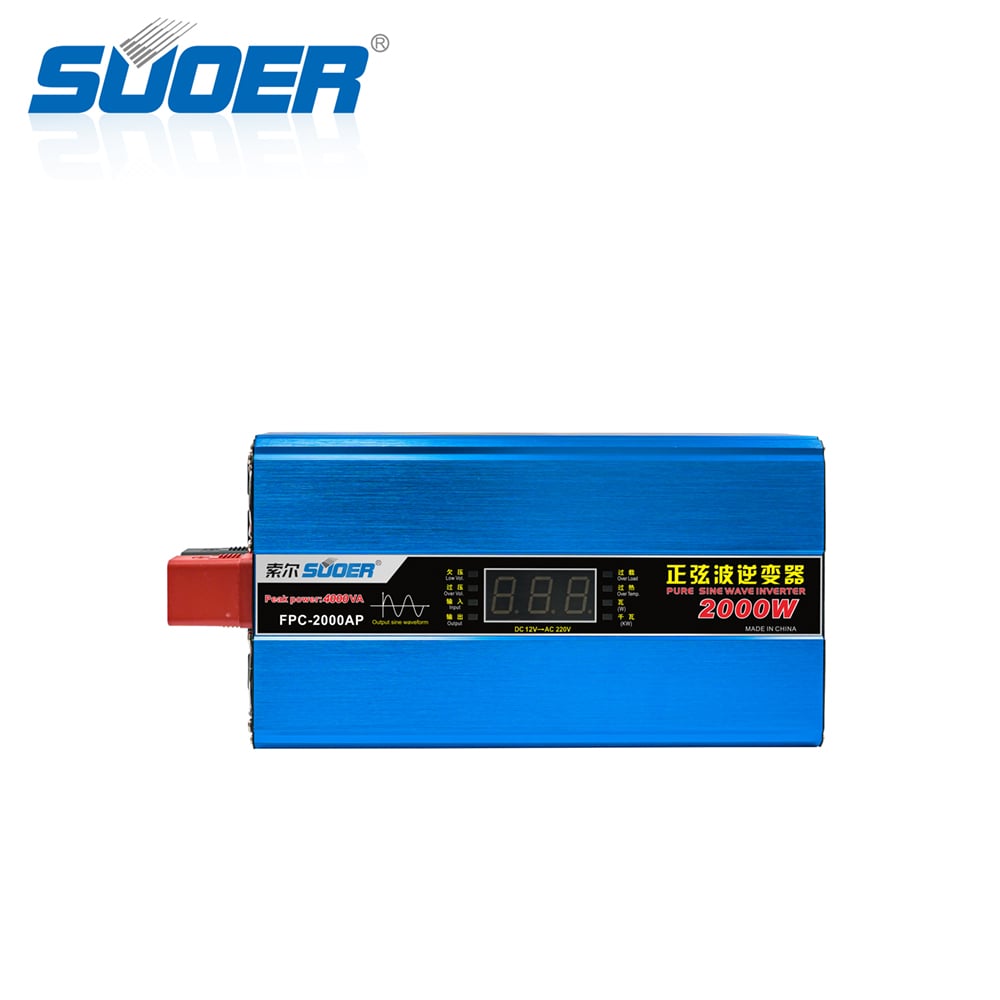
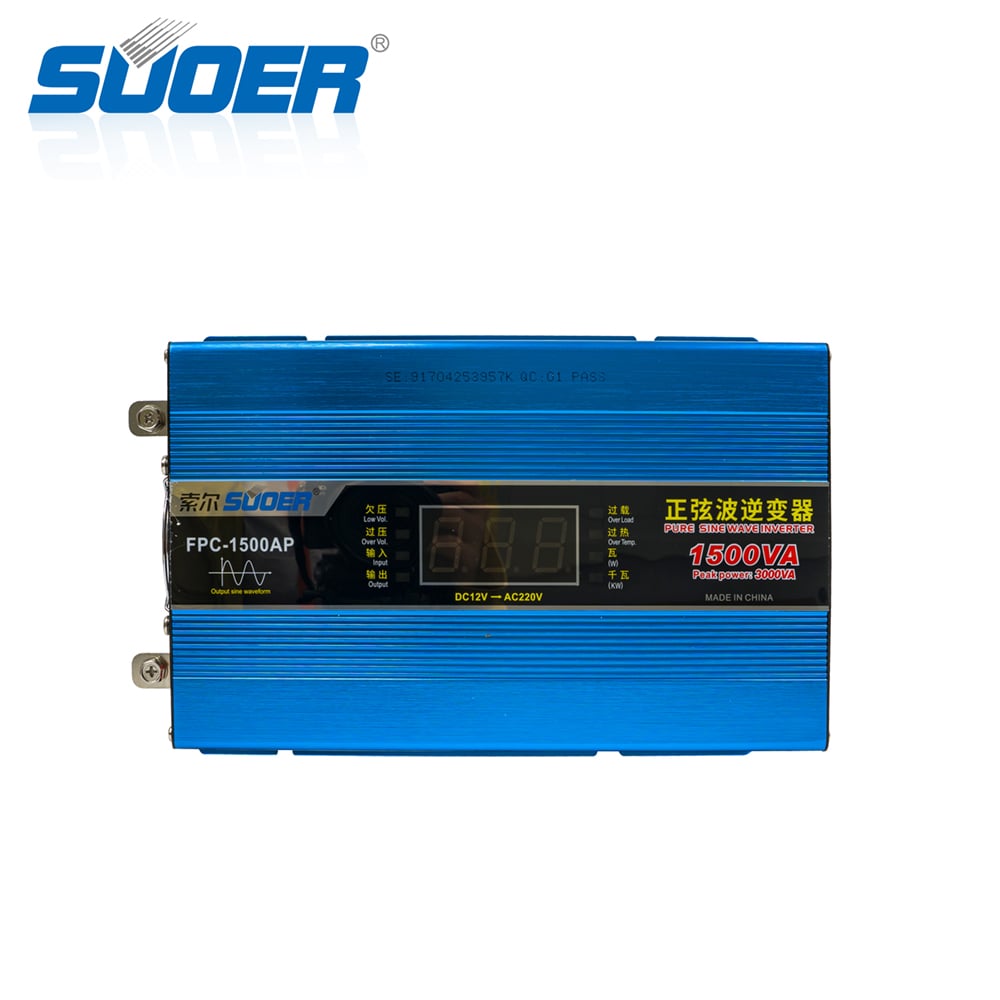
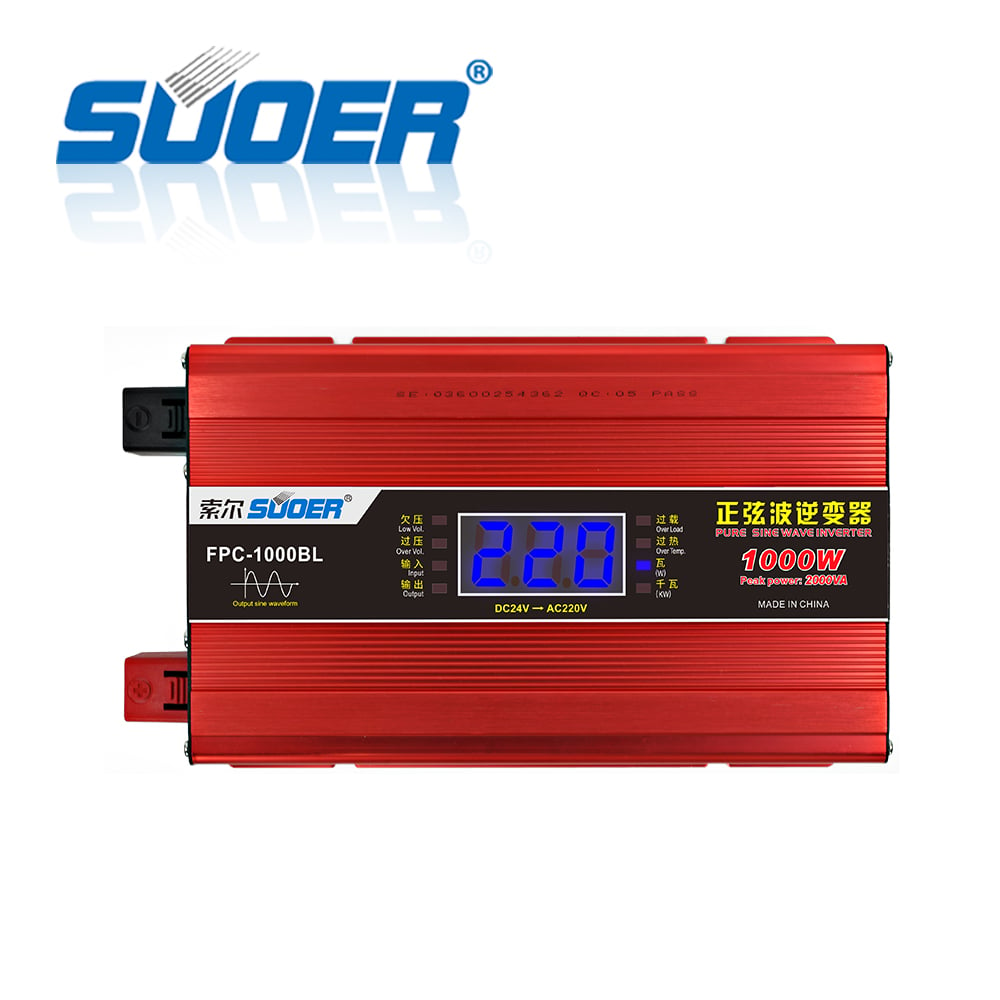
The 3000W 12V pure sine wave power inverter is a critical component for various applications, providing a stable and reliable power source for sensitive electronics and appliances. B2B buyers often have concerns about specifications, compatibility, and quality assurance when sourcing these inverters. This article will help you understand key specifications, sourcing options, common installation problems, application scenarios, and how to compare different models for optimal performance and value.
When considering a 3000W 12V pure sine wave inverter, several specifications are crucial:
Output Waveform: Pure sine wave is essential for running sensitive electronics as it mimics the utility power supply. This is vital for devices like computers, medical equipment, and other sensitive electronics.
Output Power: The inverter should consistently provide 3000W of continuous power, with a peak power rating that is typically higher to accommodate startup surges from motors or compressors.
Input Voltage: Ensure that the inverter operates efficiently at 12V. This aligns with most battery systems used in vehicles and renewable energy setups. For optimal compatibility, consider using Lead acid battery systems.
Efficiency Ratings: Look for models with high efficiency (above 90%), which reduces energy wastage and heat generation.
Safety Features: Overload protection, short circuit protection, and thermal protection are essential to prevent damage to the inverter and connected devices.
Cooling System: A good cooling design, whether active (fans) or passive (heat sinks), helps maintain optimal performance and prolongs the inverter’s lifespan.
These specifications are foundational in ensuring that the inverter meets your application needs. Buyers should verify these details with the manufacturer to ensure compatibility with their specific requirements.
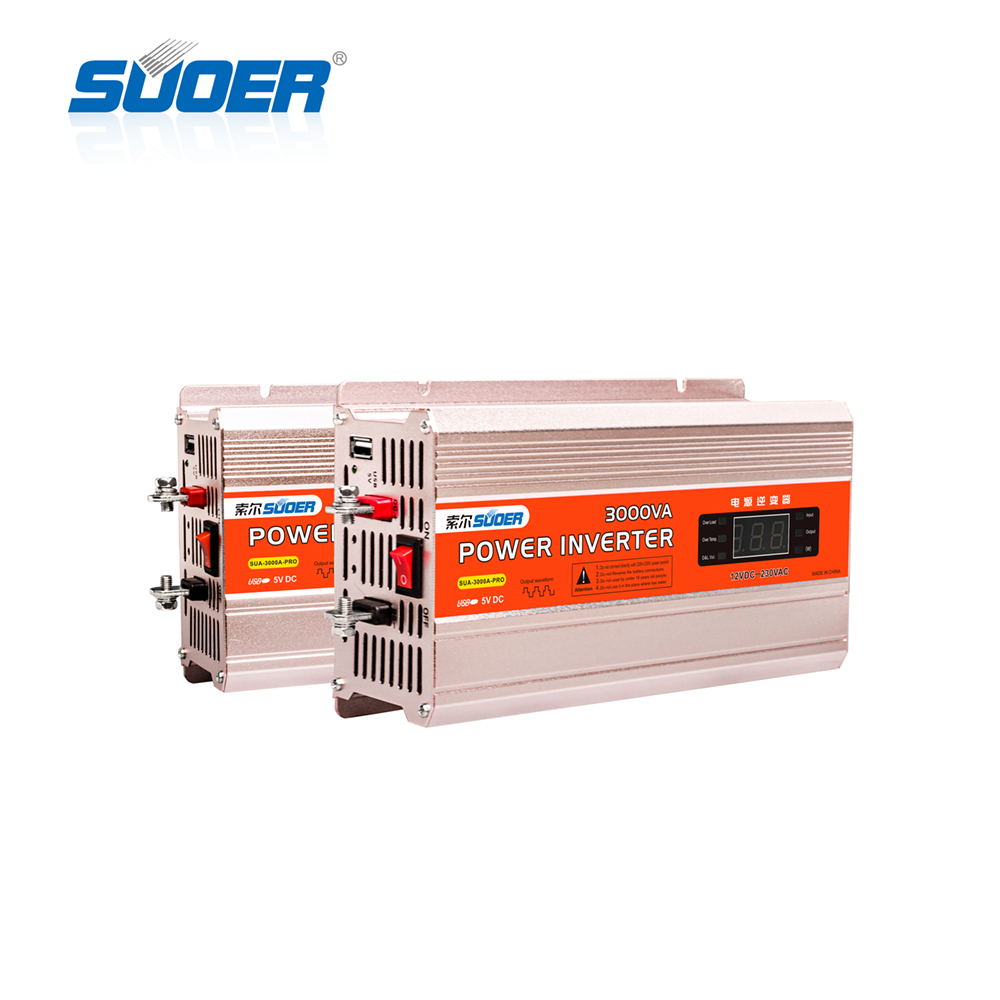
Sourcing high-quality 3000W 12V pure sine wave inverters requires careful consideration of suppliers. Here are some effective strategies:
Established Manufacturers: Look for manufacturers with a proven track record in the new energy industry. A company that specializes in RD, production, and sales of power supplies, like ours, is likely to offer reliable products certified by ROHS, CE, and ISO9001.
Trade Shows and Industry Events: Attend relevant trade shows where manufacturers showcase their products. This provides an opportunity to meet suppliers face-to-face, ask questions, and inspect products firsthand.
Online Marketplaces: Platforms such as Alibaba or Global Sources can connect you to manufacturers offering wholesale pricing. Ensure to check for reviews and ratings to gauge reliability.
Supplier Databases: Utilize databases like ThomasNet or Maker's Row to find reputable manufacturers. These platforms allow you to filter based on specific needs, such as certifications and production capabilities.
Direct Inquiries: Reach out directly to manufacturers to discuss your requirements. This can include asking for samples, pricing information, and minimum order quantities (MOQ). For instance, exploring options for Home Energy Storage solutions can enhance your procurement process.
Establishing a relationship with a reliable supplier can ensure consistent quality and performance in your procurement process.
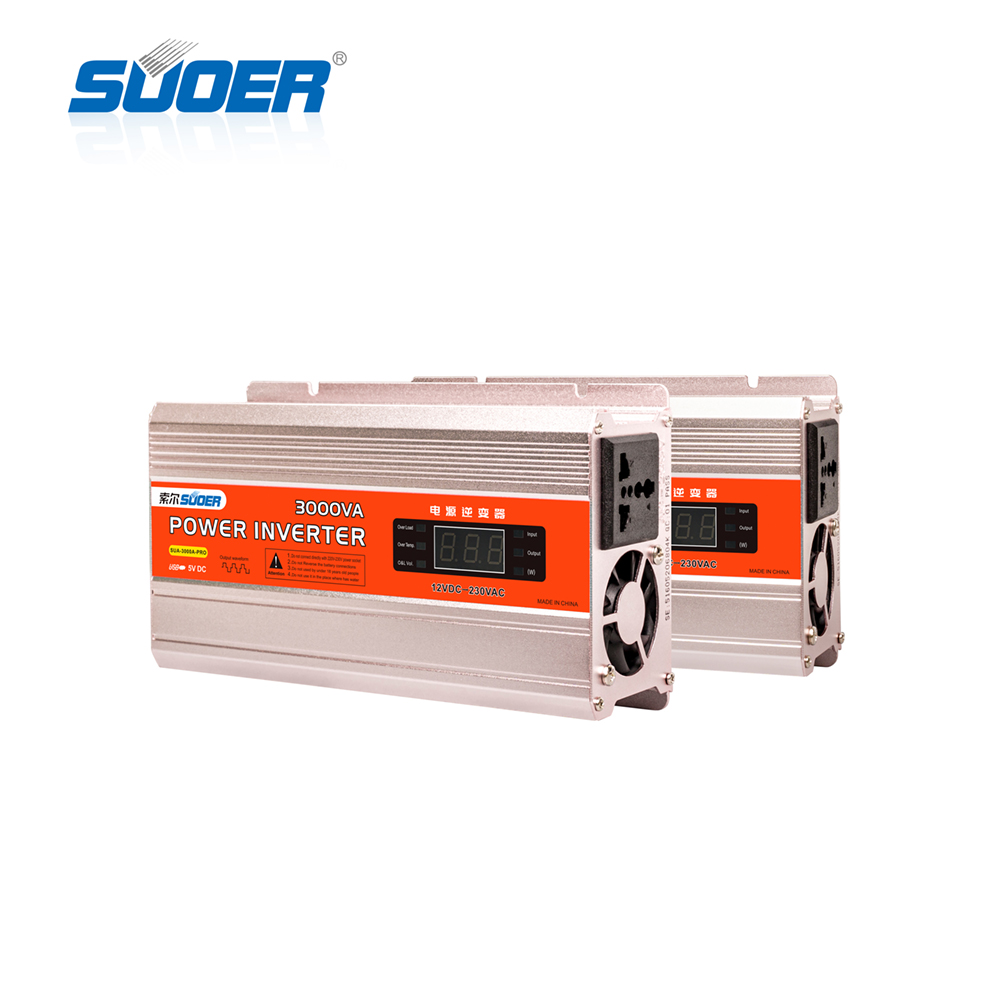
Despite their functionality, installing a 3000W pure sine wave inverter can present challenges. Common problems include:
Wiring Issues: Incorrect wiring can lead to inverter failure or unsafe conditions. Ensure that the correct gauge of wire is used, as undersized wires can overheat and cause fires.
Inadequate Ventilation: Inverters generate heat during operation. Installing them in poorly ventilated spaces can lead to overheating. Always provide adequate airflow and consider locations away from direct sunlight.
Battery Compatibility: Ensure the inverter is compatible with the battery type and voltage. Using an inverter with a different voltage rating can damage the inverter or lead to inefficient operation.
Overloading: Exceeding the inverter’s power rating can cause it to shut down or become damaged. Verify the total wattage of all connected devices and ensure it does not exceed 3000W continuously.
Grounding Problems: Proper grounding is essential for safety and performance. Inadequate grounding can lead to electrical shocks or inverter malfunctions.
To mitigate these issues, it's advisable to consult the installation manual thoroughly and, if necessary, engage a qualified electrician for installation.
The 3000W 12V pure sine wave inverter serves diverse applications across various sectors:
Electric Vehicles: These inverters are used to power onboard systems and appliances in electric vehicles, providing a stable power source for devices such as infotainment systems and navigation aids.
Telecommunications: In the telecommunications industry, these inverters ensure uninterrupted power supply to critical communication equipment, especially in remote areas where grid power is unreliable.
Rail Transit: In rail applications, they can be used to power onboard electronics and systems, contributing to safety and operational efficiency.
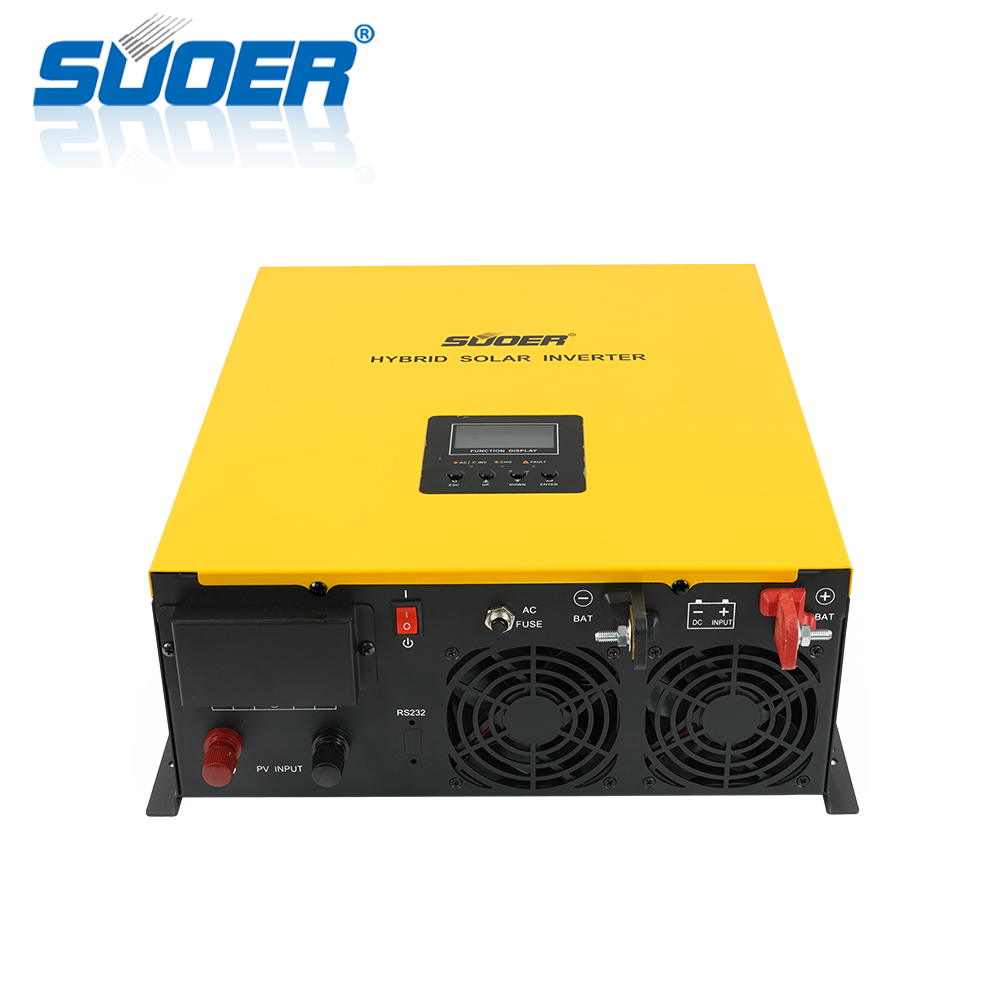
Renewable Energy Systems: In photovoltaic systems, a 3000W inverter converts DC from solar panels to AC for household or industrial use, allowing for self-sufficiency in energy consumption.
Recreational Applications: They are popular in RVs and boats, enabling the use of household appliances away from traditional power sources. Understanding these applications can help buyers determine the best inverter for their specific needs and ensure it aligns with operational requirements.
When evaluating different 3000W inverters, focus on several key factors:
Performance Metrics: Check efficiency ratings, surge capacity, and output quality. Inverters with higher efficiency reduce energy costs and generate less heat.
Manufacturer Reputation: Research the manufacturer’s history, customer reviews, and support services. Reliable manufacturers often provide comprehensive support, warranties, and detailed product documentation.
Customization Options: Some manufacturers offer customization for specific applications. If unique features are necessary, inquire about options for tailored solutions.
Price vs. Value: While price is a critical factor, consider the overall value, including performance, warranty, and support. A lower-priced inverter may not provide the same reliability or performance as a slightly higher-priced option.
Quality Certifications: Ensure the inverter meets relevant industry certifications. This not only assures quality but also compliance with safety standards.
After-Sales Support: Evaluate the availability of technical support and warranty options. A robust after-sales service can be crucial for addressing any operational issues post-purchase.
By focusing on these aspects, buyers can make informed decisions when selecting a 3000W 12V pure sine wave inverter that best fits their operational needs and budget constraints.

Discover Suoer’s premium range of solar inverters and power inverters designed for reliable renewable energy solutions.Trusted by customers worldwide for exceptional performance and durability.
Suoer Industrial Zone, Ercun Road Section, Yanfeng Avenue, Shishan Town,Foshan city,Guangdong Province,China
Copyright © 2024 Foshan Suoer Electronic Industry Co., Ltd. Privacy Policy - Blog

 EN
 AR
 NL
 FR
 DE
 EL
 IT
 JA
 KO
 PT
 RU
 ES
 VI
 TH
 TR
 BG
 HR
 CS
 NO
 PL
 TL
 ID
 SR
 UK
 SQ
 HU
 MT
 AF
 MS
 IS
 HY
 AZ
 BN
 BS
 GU
 LO
 LA
 MN
 NE
 TA