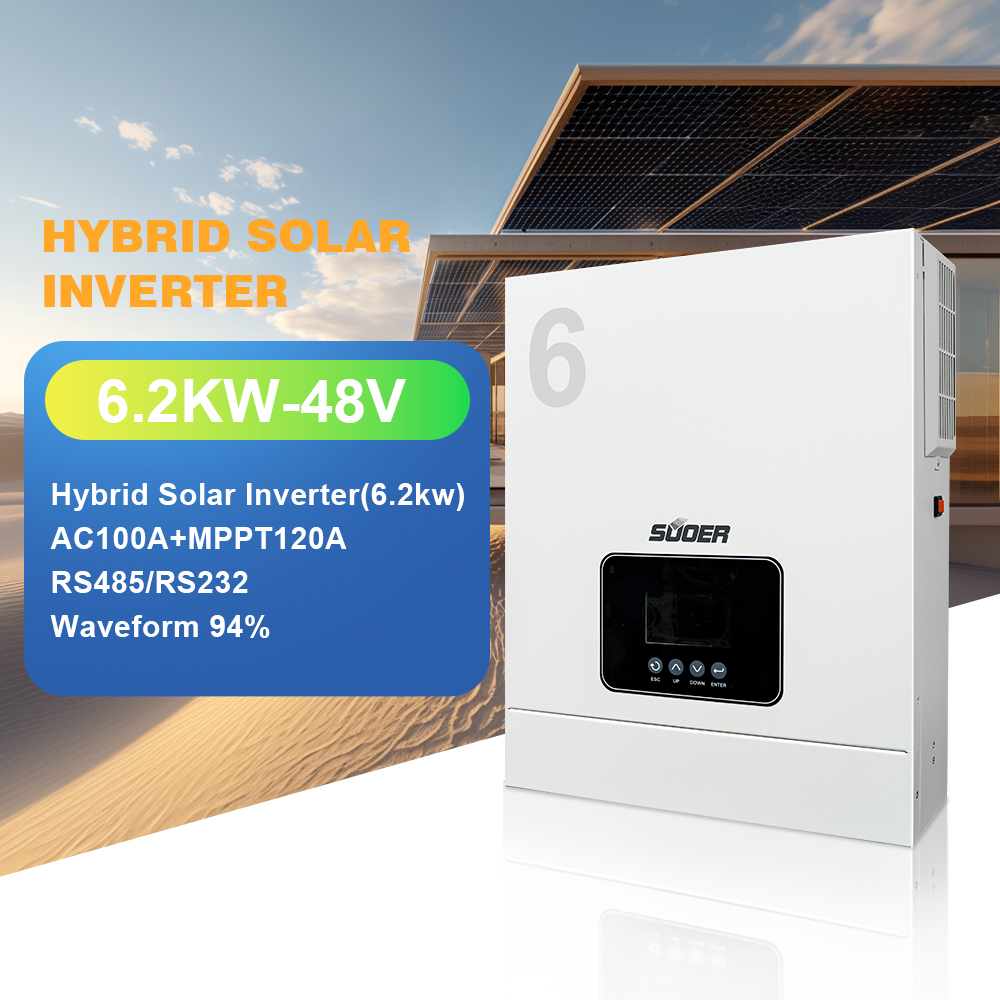
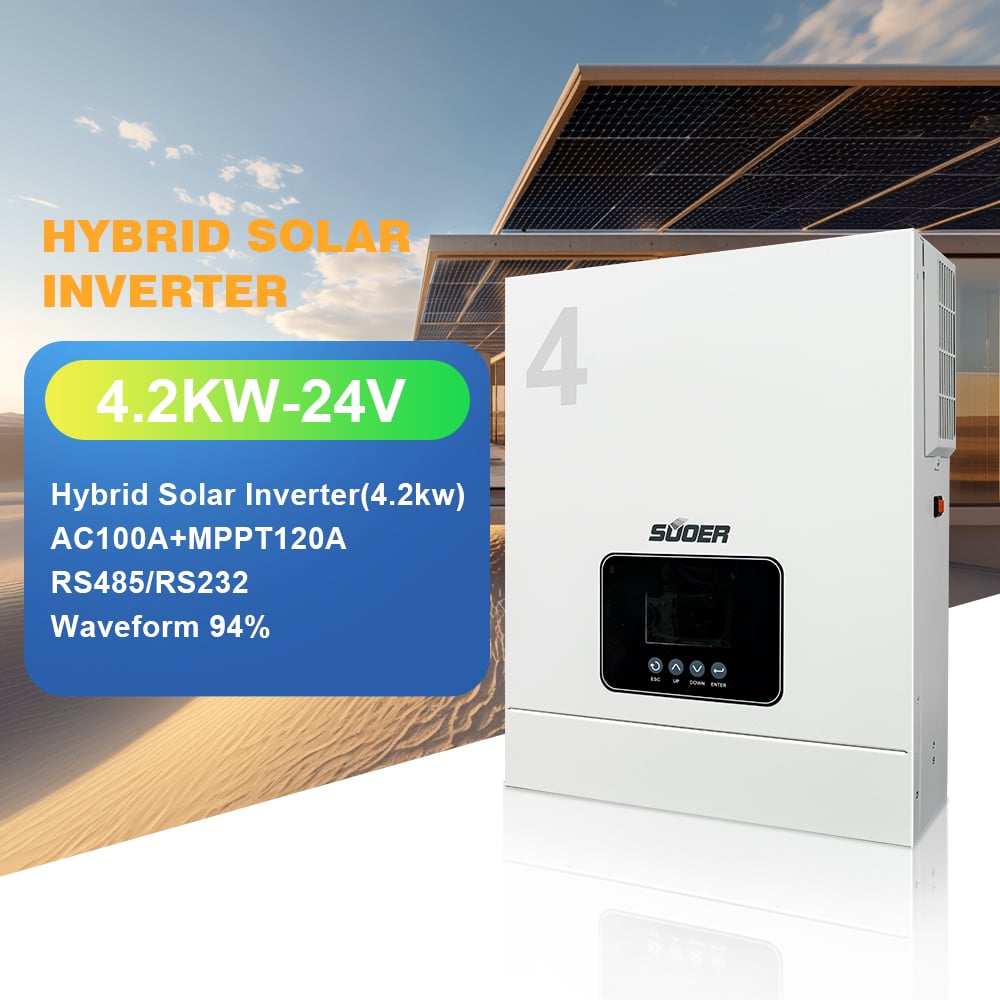
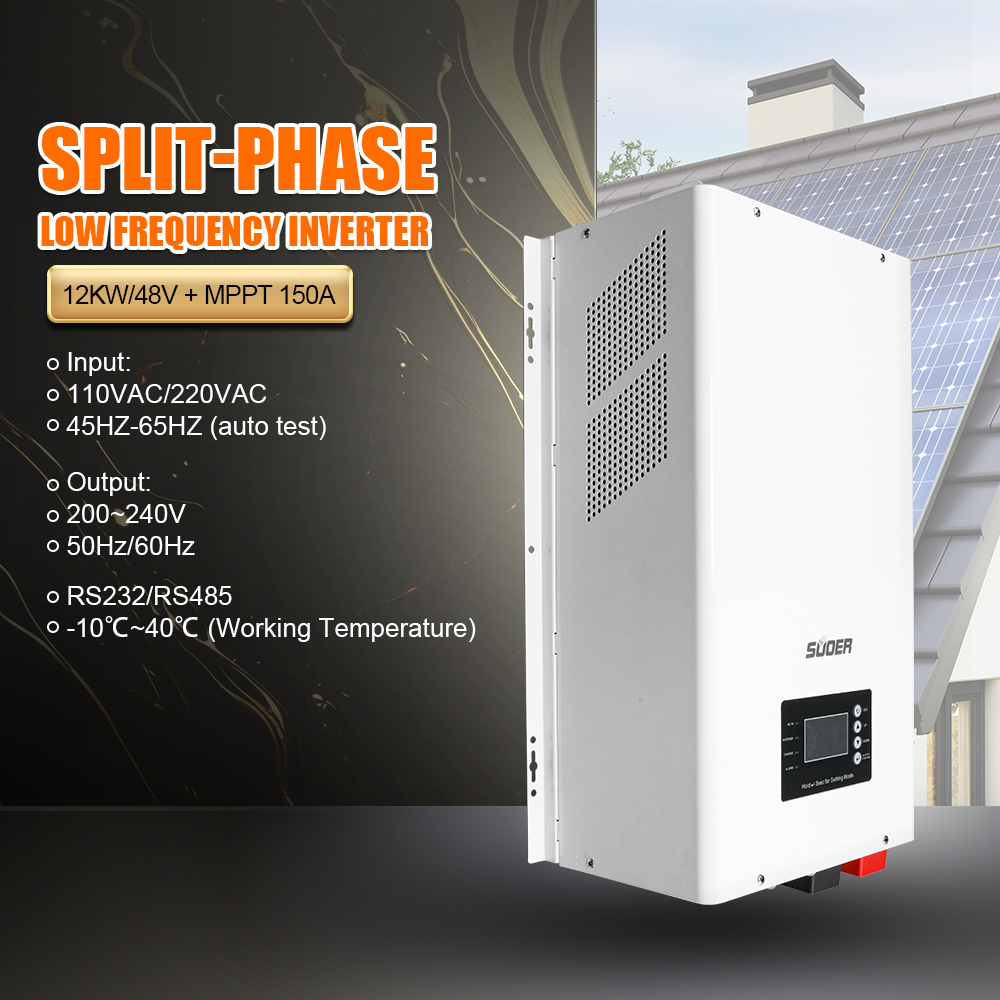
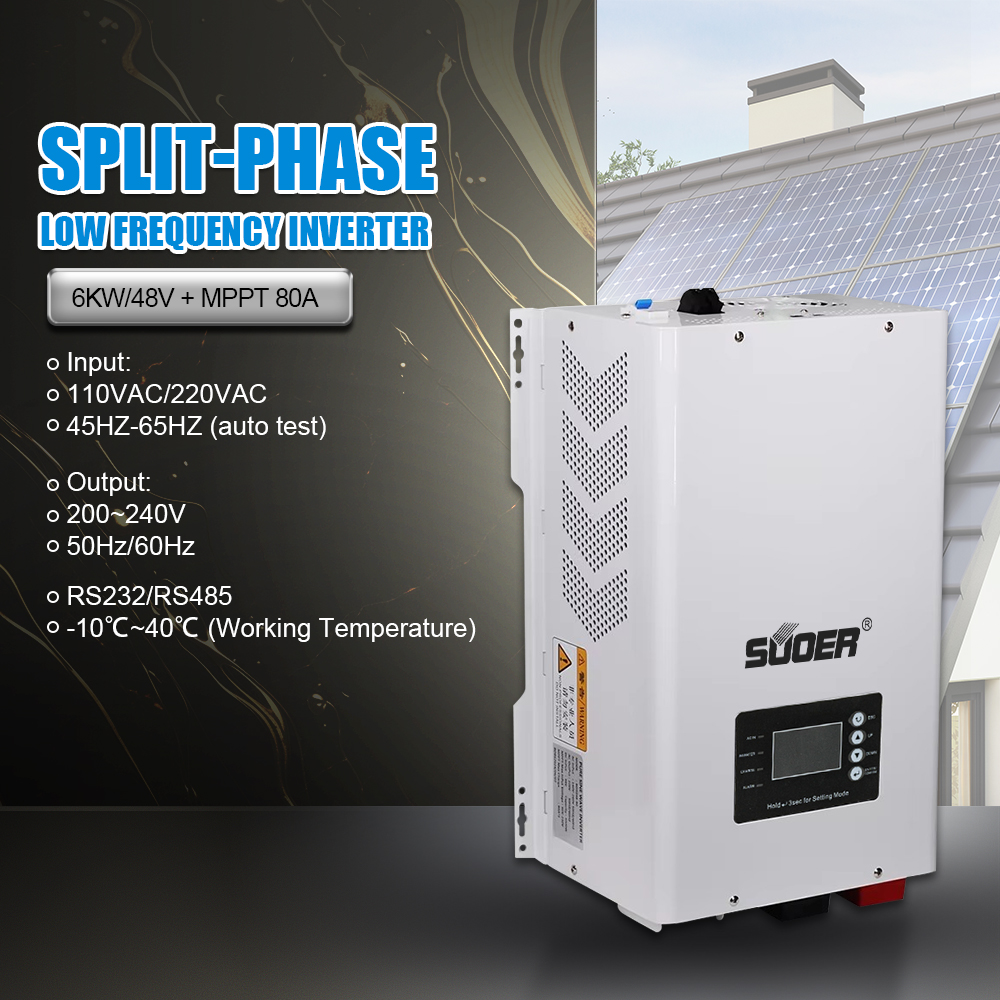
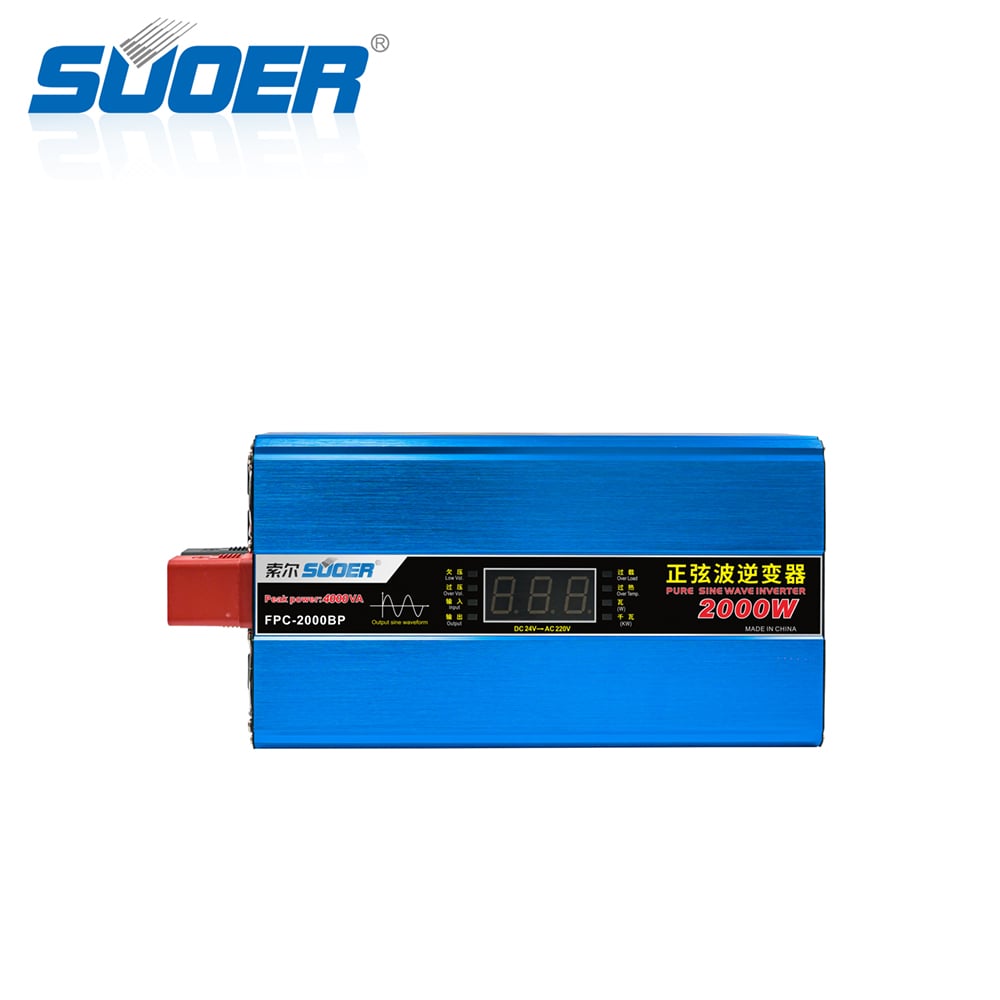
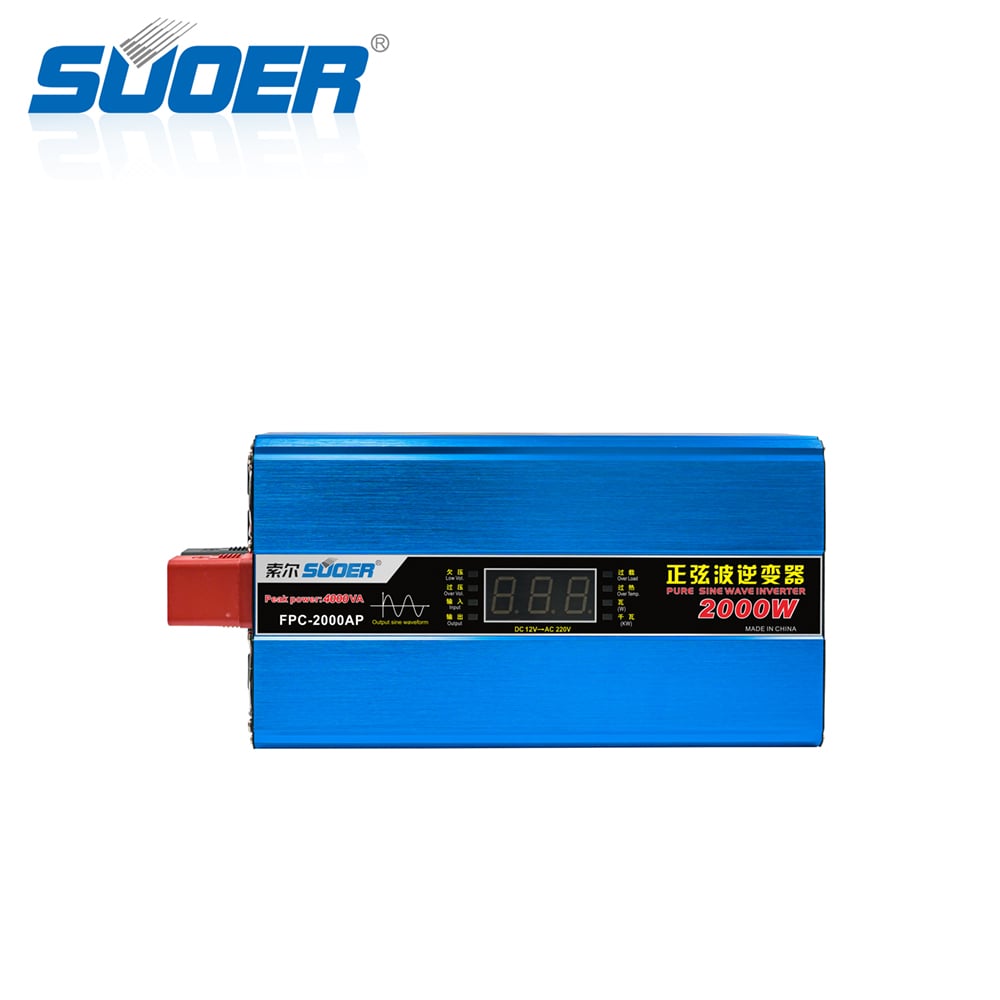
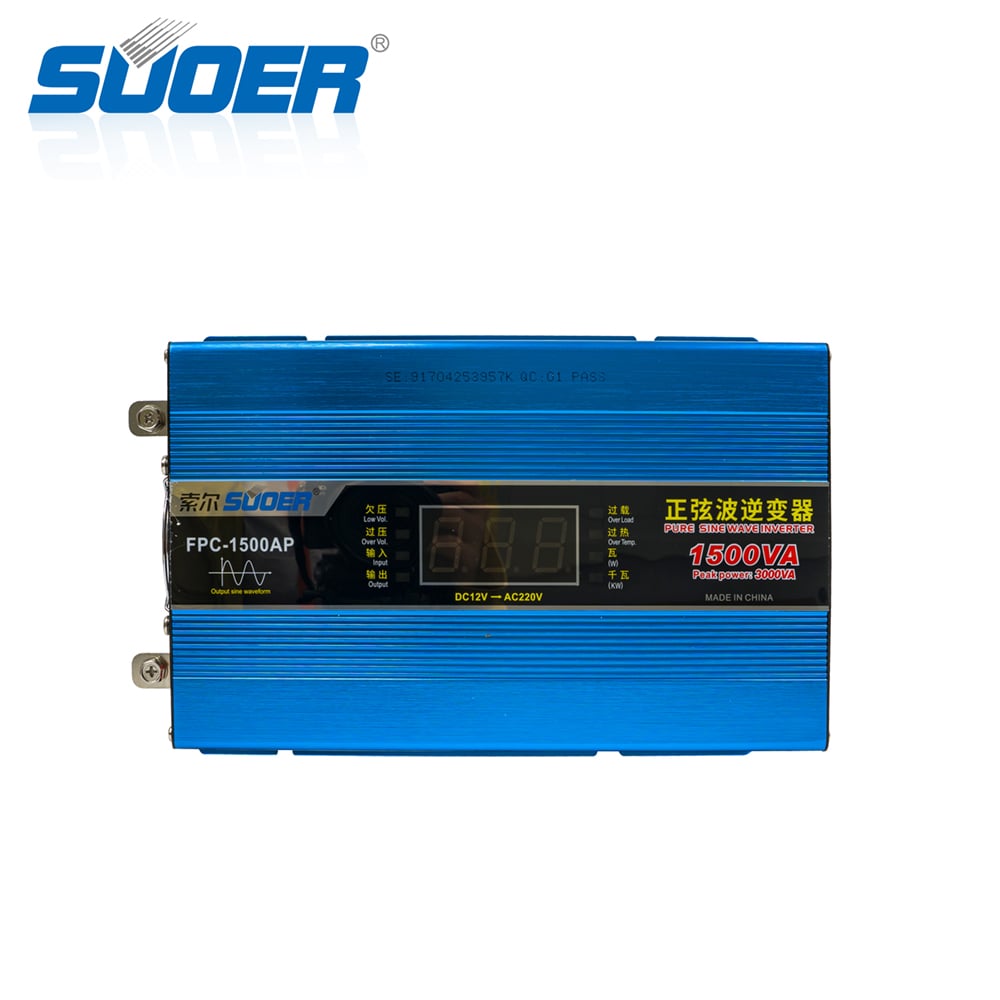
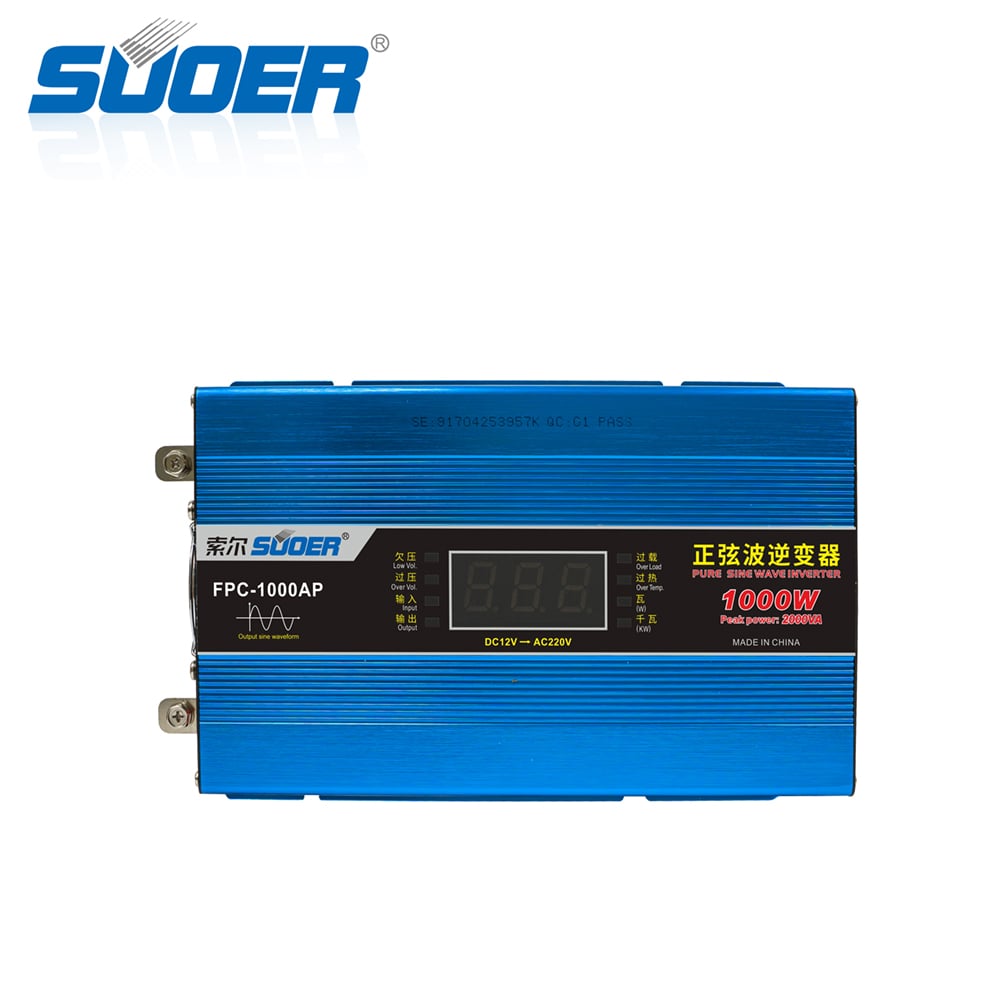
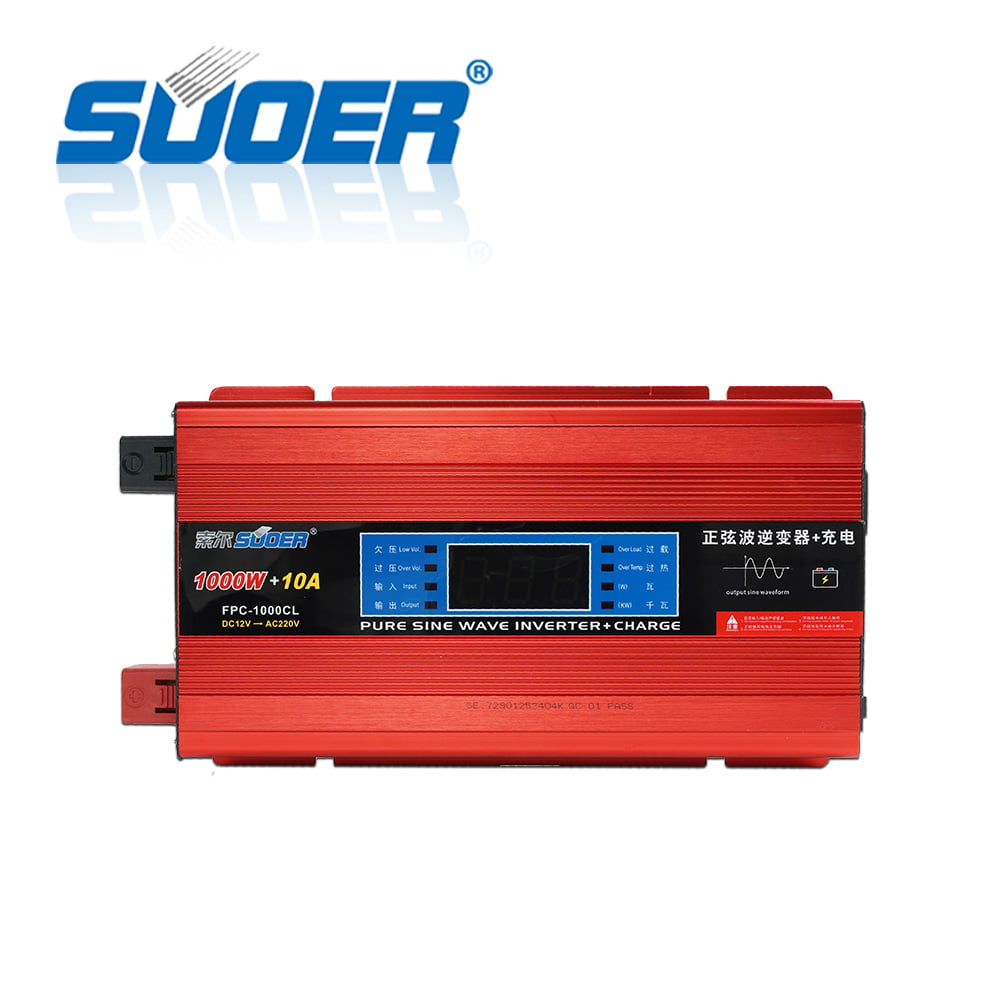
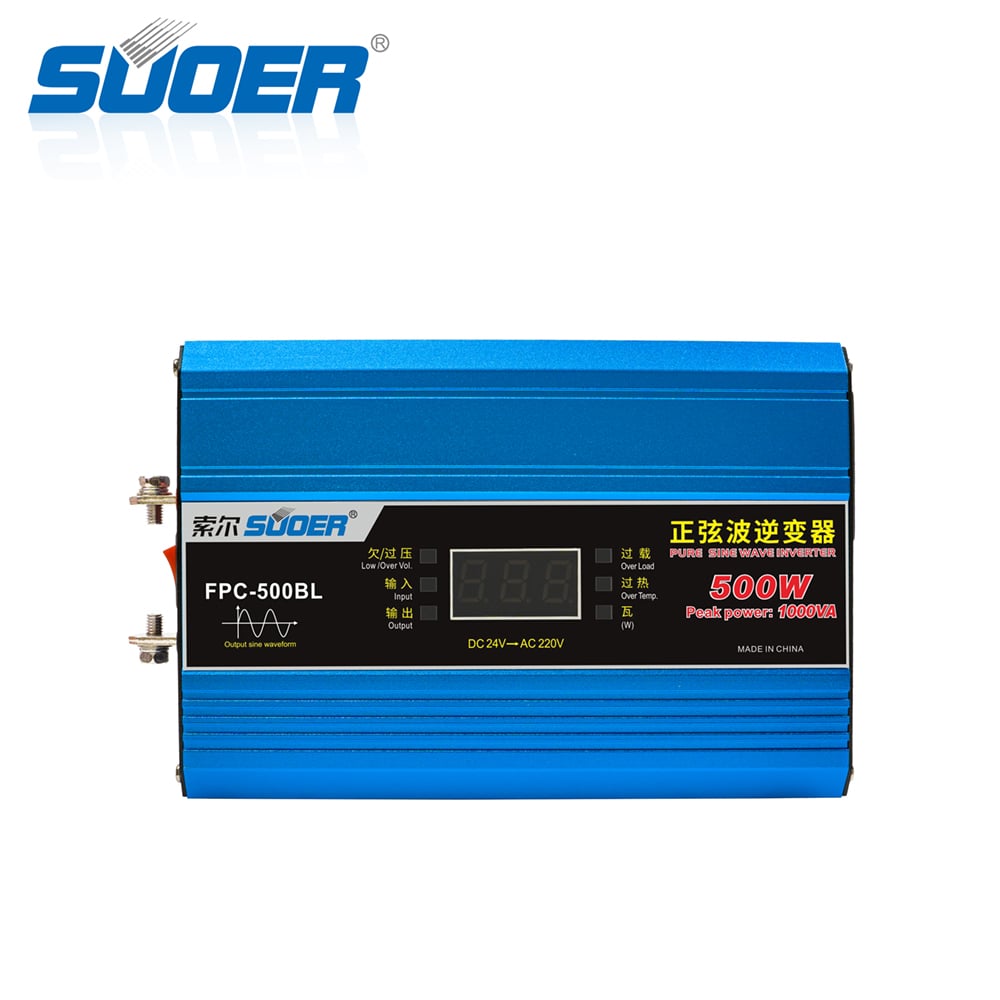
Choosing the right power inverter is crucial for various applications, particularly when it comes to ensuring the efficiency and reliability of power systems. A 5000W inverter pure sine wave is designed to convert DC power into a high-quality AC output, making it suitable for sensitive electronics and critical applications. This article will address key considerations for buyers, including specifications, quality evaluation, common installation challenges, and a comparison of brands, helping you make an informed purchasing decision.
When selecting a 5000W pure sine wave inverter, there are several factors that buyers should consider to ensure they meet their specific application requirements. First, assess the inverter's input voltage and output specifications. Common configurations include 12V, 24V, and 48V input options, which should match your power supply system.
Next, evaluate the inverter's efficiency rating, typically expressed as a percentage. Higher efficiency translates to less energy loss during conversion, which is vital for reducing overall operational costs. Look for models with efficiencies above 90% to ensure optimal performance.
Another critical consideration is the inverter's surge capacity. This specification indicates the maximum power the inverter can provide momentarily, which is essential for starting devices with high inrush currents, such as motors or refrigerators. Ensure that the inverter can handle these peaks without tripping or shutting down.
Lastly, consider the form factor and cooling mechanisms. Depending on your installation space, you may need a compact model. Inverters with built-in cooling fans or advanced thermal management systems can enhance reliability by preventing overheating.
Understanding the key specifications of a 5000W pure sine wave power inverter is essential for making an informed decision. Here are the main specifications to evaluate:
Output Waveform: Pure sine wave inverters produce an AC output that closely resembles utility power, making them ideal for running sensitive electronics such as computers and medical devices. In contrast, modified pure sine wave inverter can cause malfunctions in such applications.
Efficiency Rating: As mentioned earlier, look for inverters with an efficiency rating over 90%. High-efficiency models minimize energy waste and lower operational costs.
Continuous and Surge Power Ratings: The continuous power rating indicates the maximum load the inverter can handle over time, while the surge power rating shows how much power it can provide for brief periods. Ensure both ratings meet your application needs, especially when powering devices with high starting currents.
Input Voltage: Choose based on your battery system. Common input voltages include 12V, 24V, and 48V. Ensure compatibility with your existing setup to avoid performance issues.
Protection Features: Inverters should include built-in protections against overload, over-voltage, under-voltage, short circuits, and overheating. These features help safeguard both the inverter and the connected devices.
When evaluating the quality of 5000W power inverters for wholesale, several key factors come into play:
Certifications: Check for certification labels such as ROHS, CE, and ISO9001, which indicate compliance with safety and quality standards. These certifications can provide assurance of the inverter's reliability and performance.
Material and Build Quality: Investigate the materials used in the inverter's construction. High-quality components, such as robust circuit boards and durable casings, often lead to longer-lasting products. A well-constructed sine wave inverter is less likely to fail under demanding conditions.
Testing Procedures: Inquire about the manufacturer’s testing methods. Rigorous quality control processes, including performance testing under various loads and environmental conditions, can help ensure that the inverter will perform reliably in real-world applications.
Warranty and Support: A longer warranty period often reflects the manufacturer's confidence in their product's quality. Consider suppliers who offer comprehensive customer support, including technical assistance and troubleshooting, which can be invaluable for B2B buyers.
Customer Reviews and Feedback: Look for reviews and testimonials from other businesses that have purchased the same model. Real-world experiences can provide insight into the inverter's performance and reliability over time.
Installing a 5000W pure sine wave inverter can pose several challenges that buyers should be aware of:
Incompatible Wiring: Ensure that the inverter's input and output wiring matches your existing system. Using incorrect wire sizes can lead to overheating and efficiency losses. Consult the inverter's user manual for proper wiring guidelines.
Insufficient Ventilation: Inverters generate heat during operation. Lack of proper ventilation can lead to overheating and potential failure. Ensure that the installation area has adequate airflow and consider positioning the inverter away from heat sources.
Incorrect Grounding: Proper grounding is essential for safety and operational efficiency. Improper grounding can lead to electrical shocks or damage to the inverter. Follow manufacturer guidelines for grounding procedures.
Overloading: Be cautious not to exceed the inverter's continuous power rating. Overloading can cause the inverter to shut down or get damaged. Plan your load carefully and consider using a load management system if necessary.
When comparing different brands of 5000W pure sine wave inverters for import, several factors can help guide your decision:
Brand Reputation: Research the reputation of various brands within the industry. Established brands often have a track record of reliability and performance, which can be crucial for long-term investments.
Product Range: Some manufacturers offer a broader range of inverters with varying features and specifications. Having options can help you find a model that perfectly fits your application needs.
Price vs. Quality: While price is a significant factor, it should not be the sole determinant. A lower-priced inverter may not provide the necessary quality or performance, leading to higher costs in the long run due to replacements or failures.
Customization Options: If your application requires specific features or specifications, consider brands that offer customization options. This flexibility can help ensure that the inverter meets your exact needs.
After-Sales Support: Evaluate the level of after-sales support provided by different brands. Access to technical support, replacement parts, and warranty services can be critical for ensuring operational efficiency.
By carefully considering these factors, you can make a more informed decision when selecting a 5000W pure sine wave power inverter that meets the demands of your specific application.

Discover Suoer’s premium range of solar inverters and power inverters designed for reliable renewable energy solutions.Trusted by customers worldwide for exceptional performance and durability.
Suoer Industrial Zone, Ercun Road Section, Yanfeng Avenue, Shishan Town,Foshan city,Guangdong Province,China
Copyright © 2024 Foshan Suoer Electronic Industry Co., Ltd. Privacy Policy - Blog

 EN
 AR
 NL
 FR
 DE
 EL
 IT
 JA
 KO
 PT
 RU
 ES
 VI
 TH
 TR
 BG
 HR
 CS
 NO
 PL
 TL
 ID
 SR
 UK
 SQ
 HU
 MT
 AF
 MS
 IS
 HY
 AZ
 BN
 BS
 GU
 LO
 LA
 MN
 NE
 TA