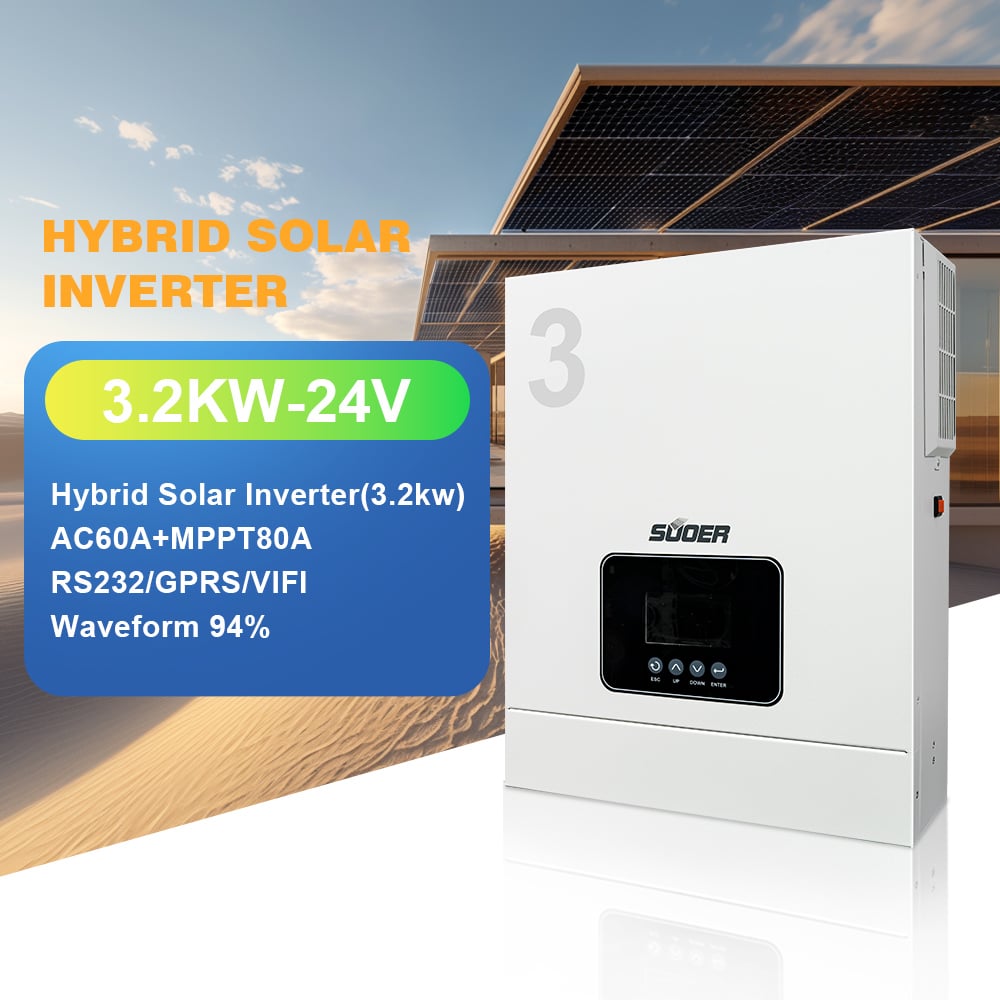
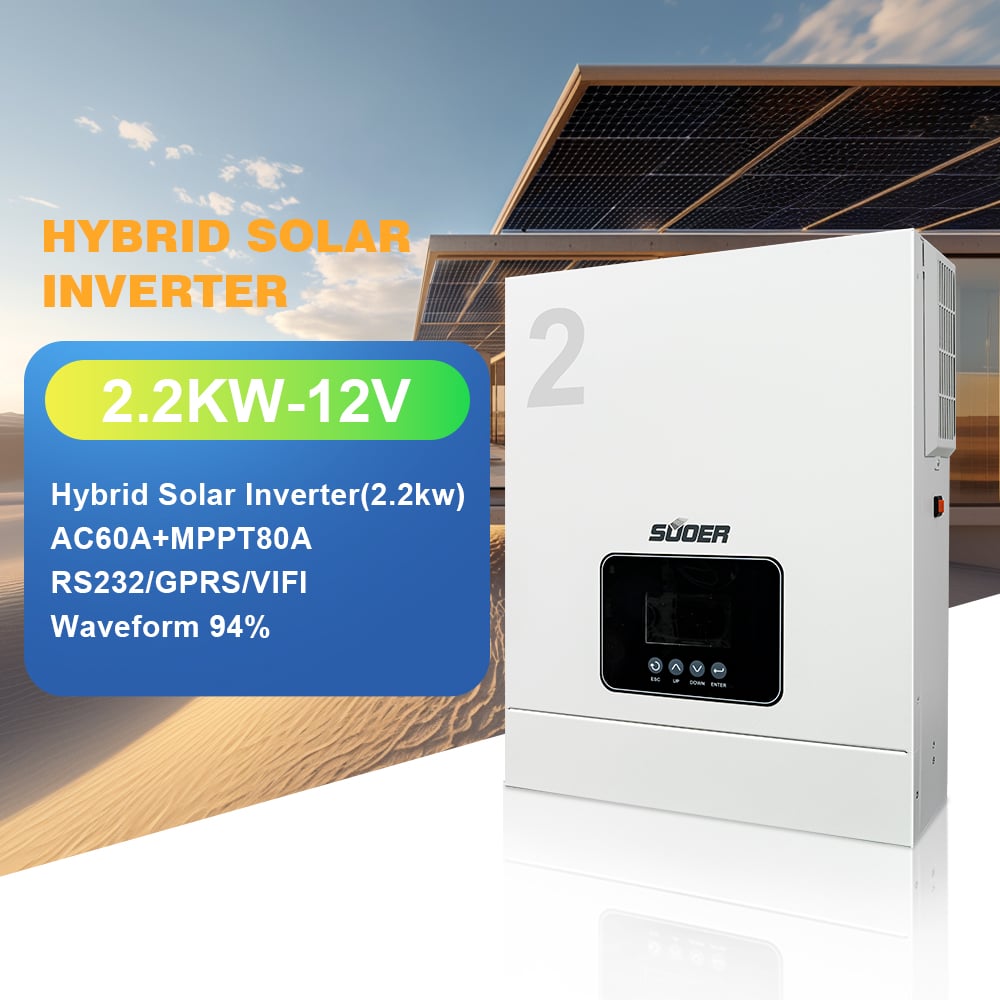
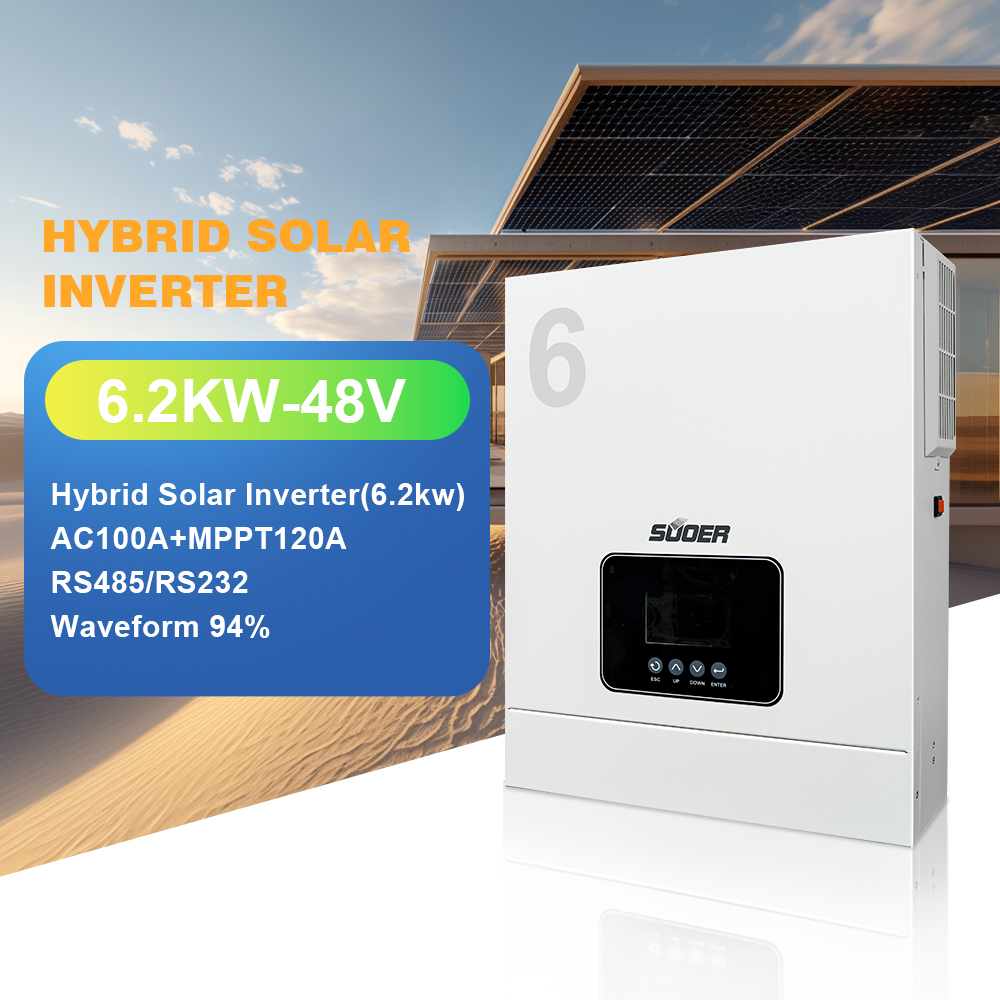
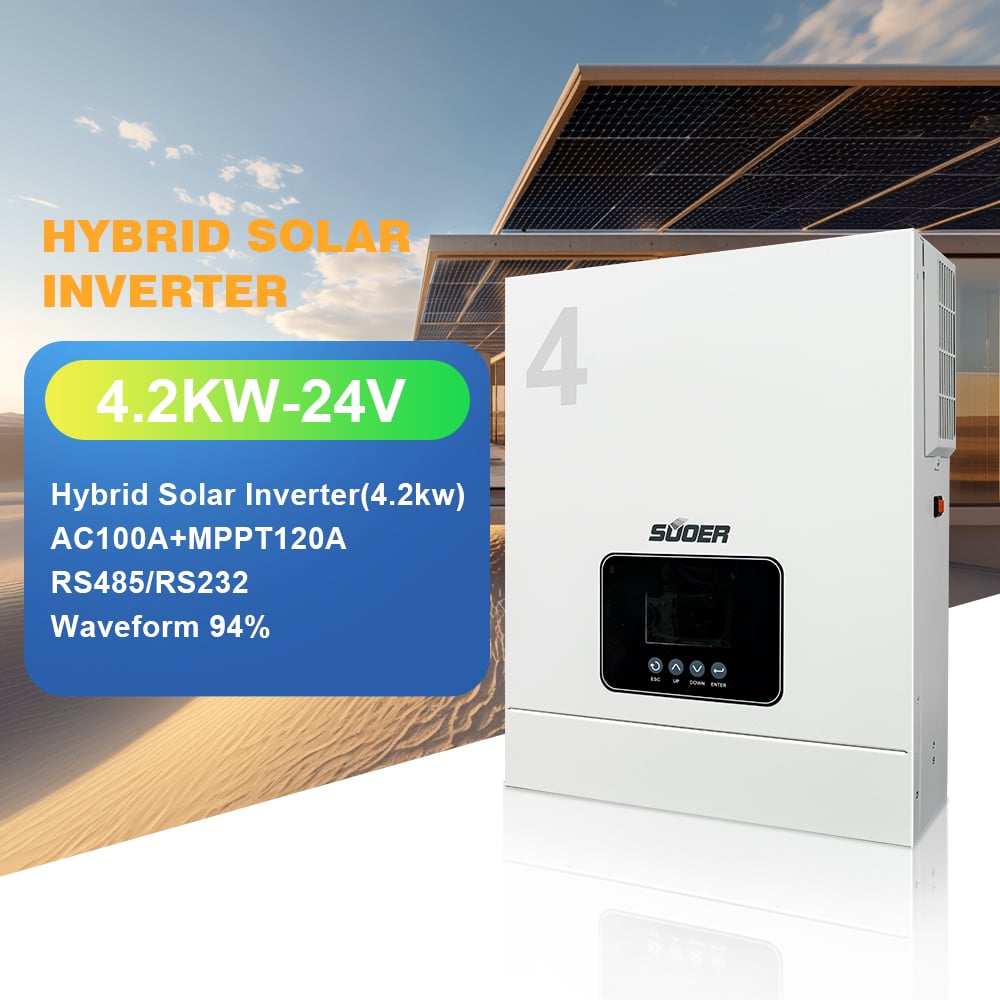
In the realm of power supply solutions, a pure sine power inverter plays a pivotal role in ensuring the efficient and reliable operation of various electrical devices. These inverters convert direct current (DC) into alternating current (AC) with a clean and smooth sine wave output, mimicking the quality of utility power. For B2B buyers—such as purchasing managers, engineers, and product managers—understanding the key specifications, applications, and sourcing options for pure sine power inverters is crucial for making informed decisions. This article will guide you through the essential considerations when selecting pure sine power inverters for wholesale, ensuring you acquire the best solutions for your specific needs.
When selecting a pure sine power inverter for wholesale, several critical factors must be evaluated. First and foremost is the inverter's power rating, typically measured in watts. 1000 watt pure sine wave inverter rating indicates the maximum load the inverter can handle, making it essential to assess your application's power requirements accurately. Buyers should also consider the inverter's efficiency, as it dictates how much energy is lost during conversion; a higher efficiency rating can lead to significant cost savings over time.
Another vital consideration is the inverter's input and output voltage compatibility. Ensure that the inverter matches the voltage specifications of the devices it will power. Additionally, check for built-in protection features such as overload, short circuit, and thermal protection, which can enhance the safety and longevity of both the inverter and connected devices.
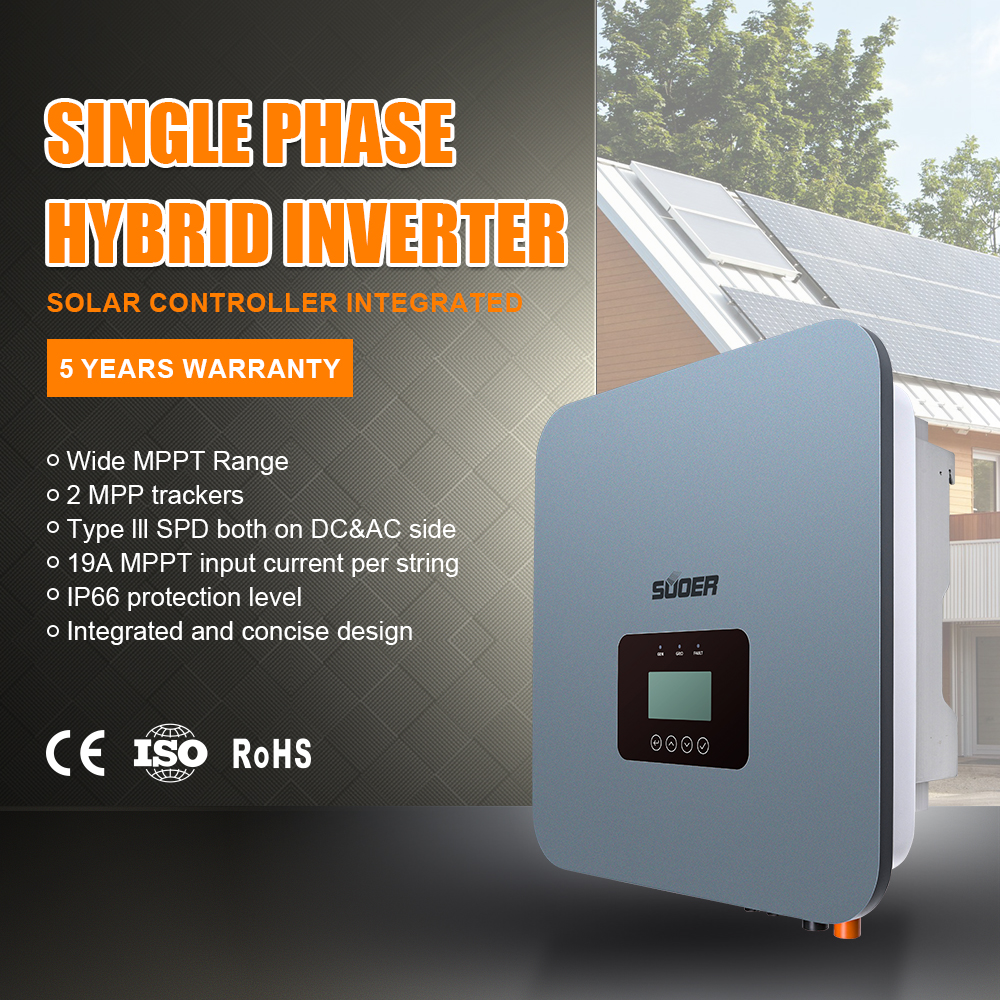
Lastly, consider the manufacturer's certifications, such as ROHS, CE, and ISO9001, which can provide assurance of product quality and compliance with industry standards.
Understanding key specifications is vital when ordering pure sine power inverters in bulk. Key specifications include:
Output Waveform: Ensure that the inverter produces a pure sine wave, which is critical for sensitive electronic devices.
Power Rating: As mentioned, the inverter's power rating should meet the maximum load requirements of your applications.
Efficiency Rating: Look for inverters with efficiency ratings of 90% or higher to minimize energy loss.
Input Voltage Range: Verify that the inverter can accept the DC voltage available in your application, whether it's from batteries or solar panels.
Output Voltage and Frequency: Check that the inverter provides the correct AC voltage and frequency (typically 110V/220V and 50/60Hz) for your applications.
Form Factor: Consider the physical size and weight of the inverter, especially if space is a concern in installation locations.
By confirming these specifications with the manufacturer, you can ensure that the products you order will meet your operational needs effectively.
Sourcing reliable pure sine power inverters for your projects requires careful consideration of potential suppliers. Start by identifying manufacturers with a solid reputation in the new energy sector, particularly those with experience in supplying to major vehicle OEMs and industrial applications. Conduct thorough research to assess their manufacturing capabilities, certifications, and customer reviews.
Trade shows and industry exhibitions can be excellent venues to connect with reputable suppliers and evaluate their products firsthand. Online B2B marketplaces also provide opportunities to compare various manufacturers, but ensure that you vet potential suppliers by requesting product samples and checking references.
Additionally, inquire about the manufacturer's customization capabilities, as this can be crucial for meeting specific project requirements. Be sure to discuss lead times, minimum order quantities (MOQ), and shipping terms to align expectations and ensure a smooth procurement process.
Installing pure sine power inverters in industrial settings requires careful planning to ensure optimal performance and safety. Start by selecting an appropriate installation location, ideally a dry, ventilated area to prevent overheating. Ensure that the mounting surface can support the inverter's weight and consider accessibility for maintenance.
Before installation, review the inverter's specifications to confirm compatibility with existing electrical systems. It's advisable to consult electrical engineers or technicians familiar with power supply systems to assist with the installation process. This can help ensure that all wiring and connections comply with local electrical codes and standards.
During installation, pay attention to the inverter's input and output connections, ensuring that they are secure and correctly polarized. 12v power supply the inverter with a lower load before full-scale operation can help identify any issues without risking damage to connected devices.
Pure sine power inverters are integral to various applications in both electric vehicles and industrial settings. In electric vehicles (EVs), these inverters are crucial for powering onboard electronics, charging systems, and auxiliary equipment. Their ability to provide high-quality AC power ensures that sensitive devices, such as navigation systems and infotainment, operate smoothly without interruptions.
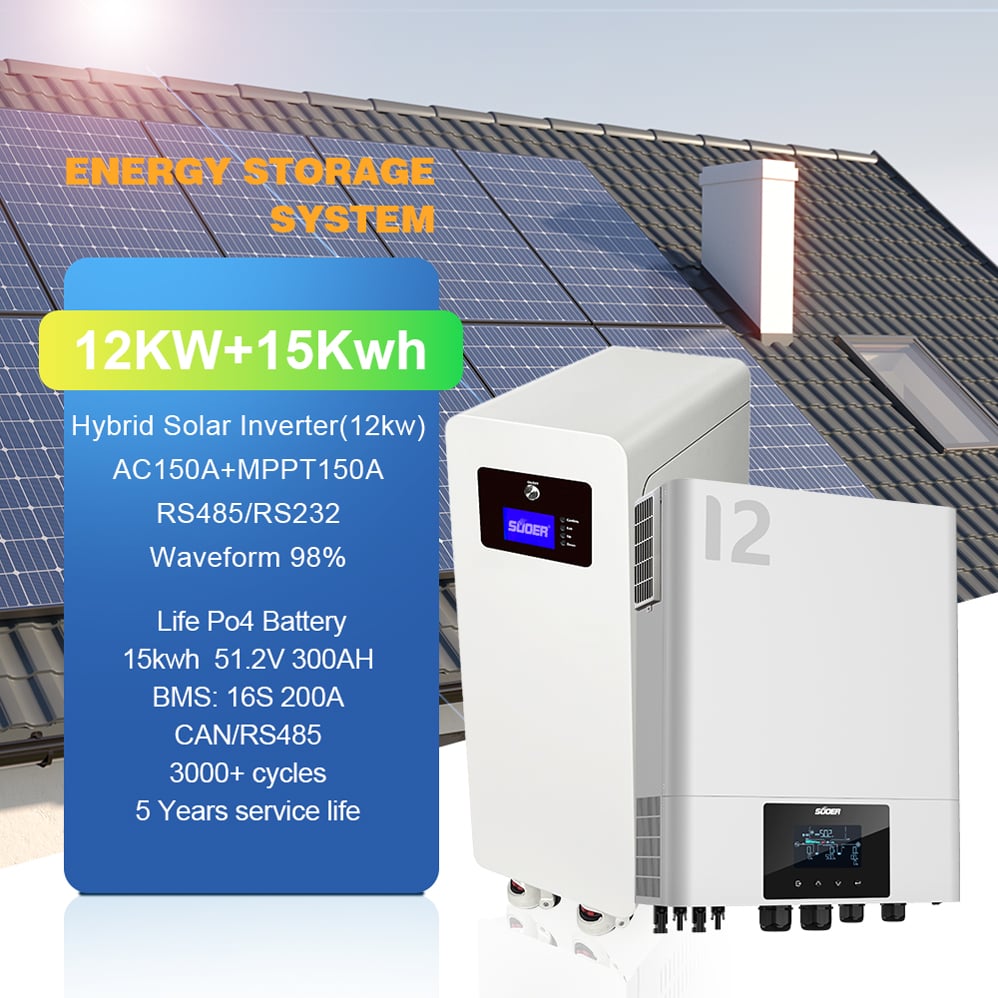
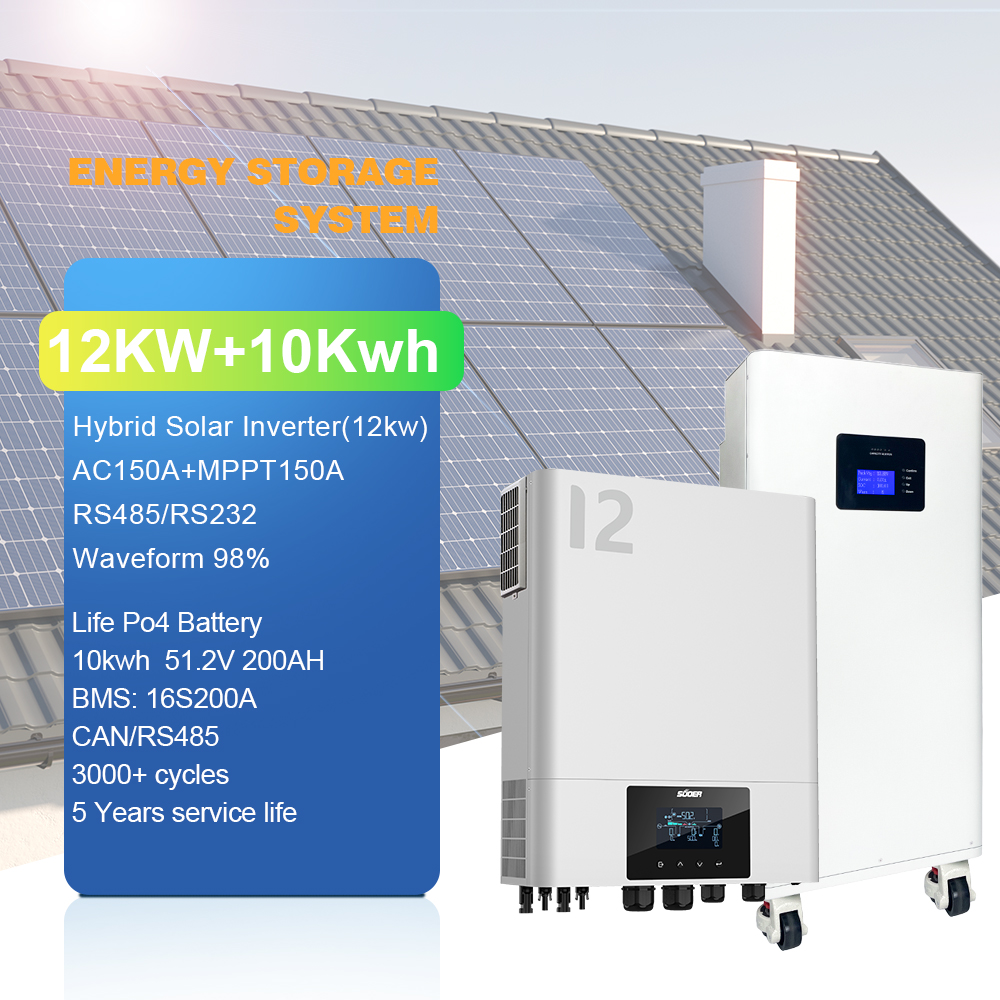
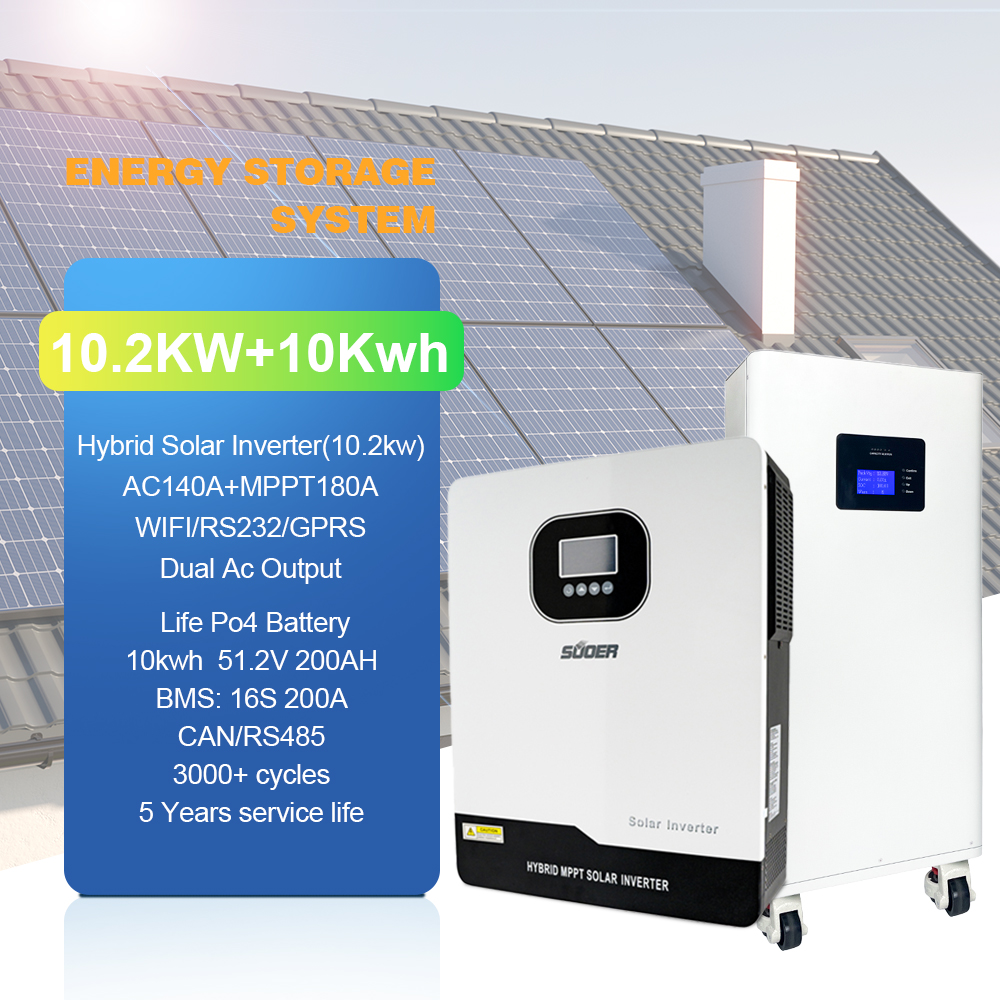
In industrial applications, pure sine power inverters are commonly used in solar energy systems, providing clean energy for operations. 12kw off grid inverter are also utilized in telecommunications and rail transit sectors, where reliable power supply is essential for equipment performance. Their versatility makes them suitable for applications ranging from backup power solutions to powering portable tools and machinery.
When considering pure sine power inverters for these applications, it's important to evaluate the specific power requirements and operating conditions. This will help ensure that the selected inverter can handle the demands placed upon it, thus enhancing operational efficiency and reliability.

Discover Suoer’s premium range of solar inverters and power inverters designed for reliable renewable energy solutions.Trusted by customers worldwide for exceptional performance and durability.
Suoer Industrial Zone, Ercun Road Section, Yanfeng Avenue, Shishan Town,Foshan city,Guangdong Province,China
Copyright © 2024 Foshan Suoer Electronic Industry Co., Ltd. Privacy Policy - Blog

 EN
 AR
 NL
 FR
 DE
 EL
 IT
 JA
 KO
 PT
 RU
 ES
 VI
 TH
 TR
 BG
 HR
 CS
 NO
 PL
 TL
 ID
 SR
 UK
 SQ
 HU
 MT
 AF
 MS
 IS
 HY
 AZ
 BN
 BS
 GU
 LO
 LA
 MN
 NE
 TA