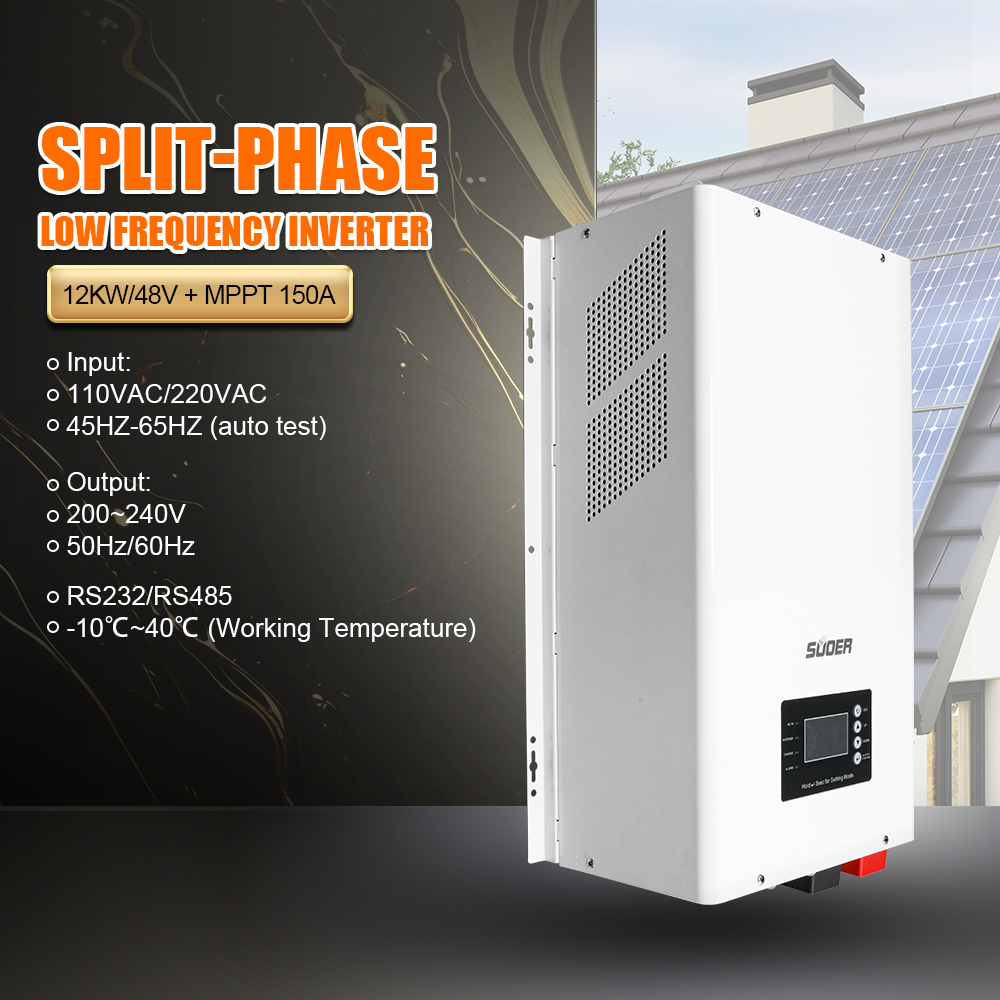
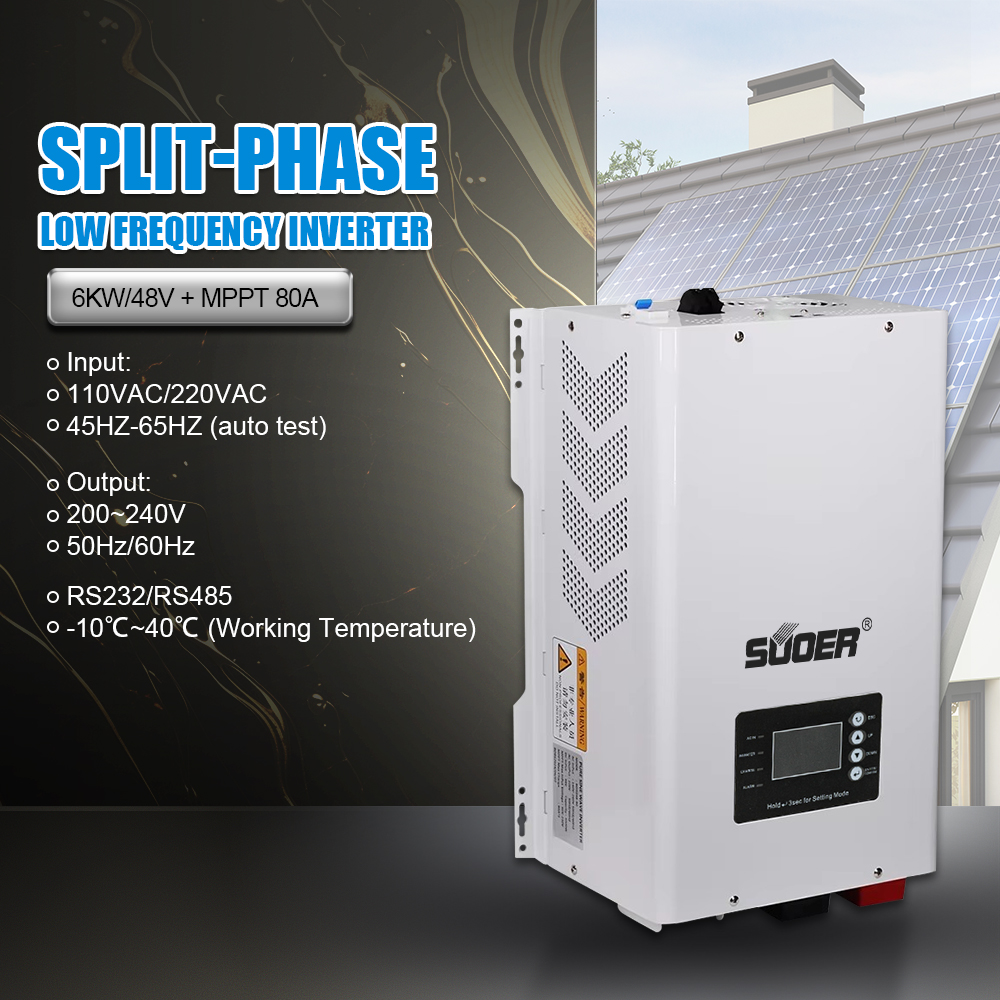
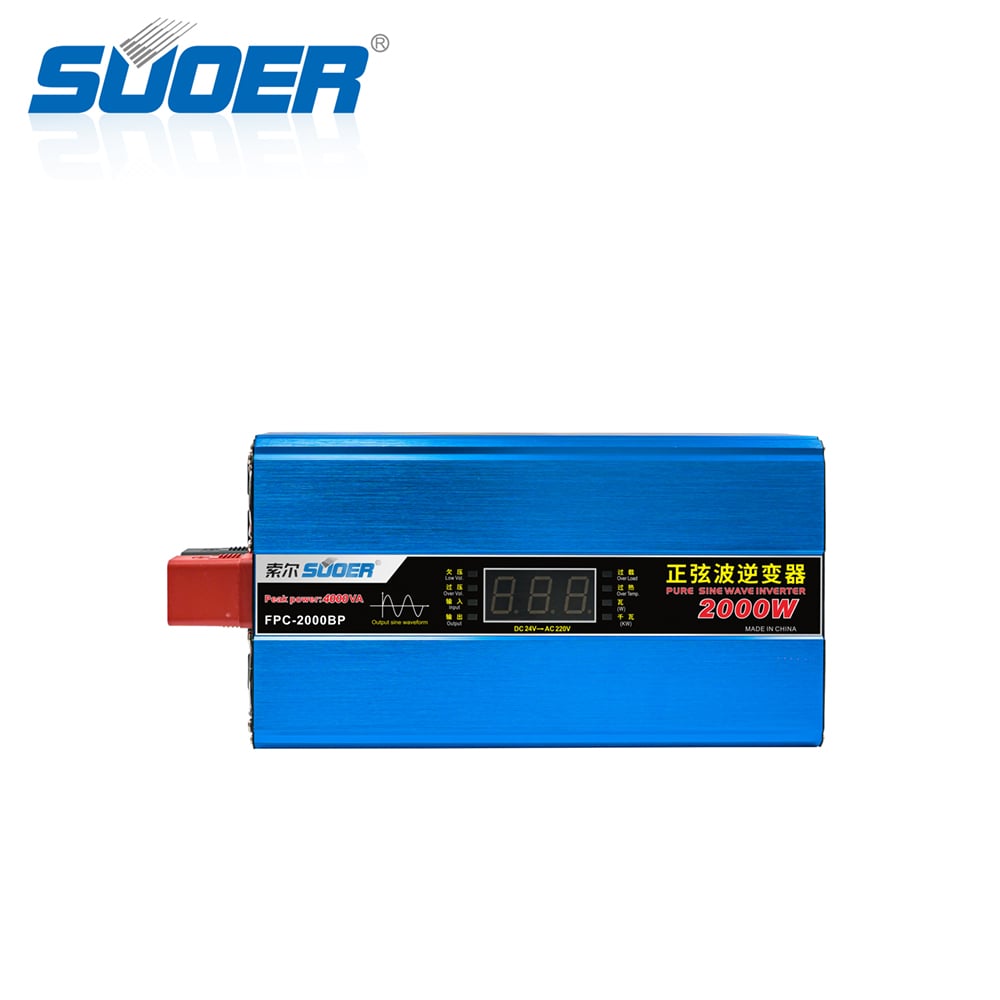
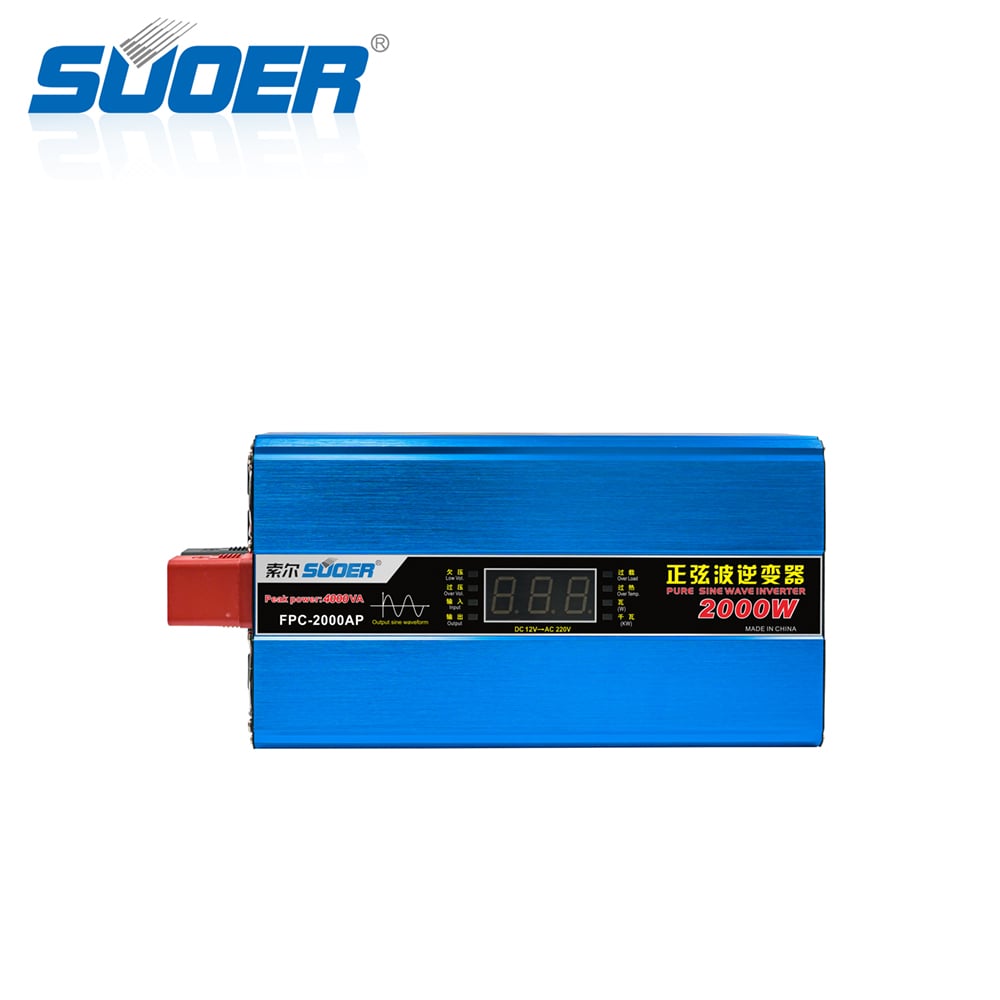
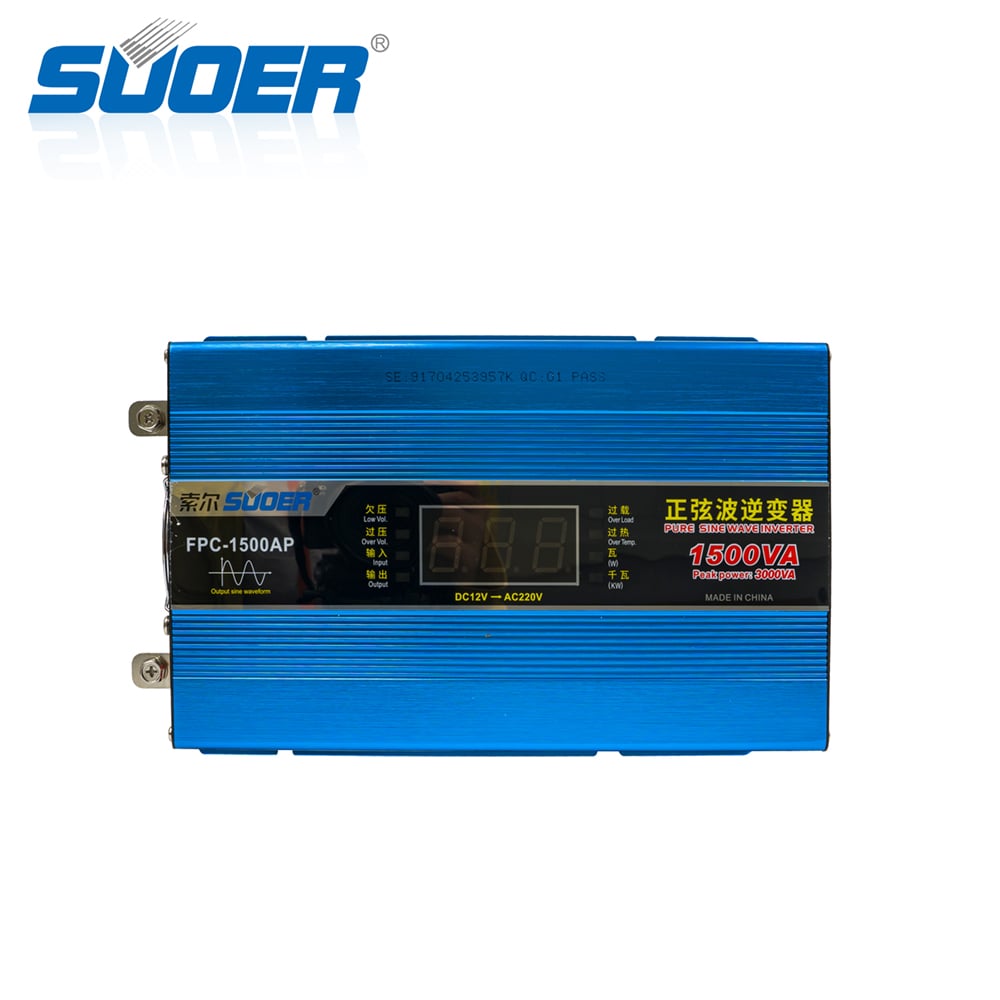
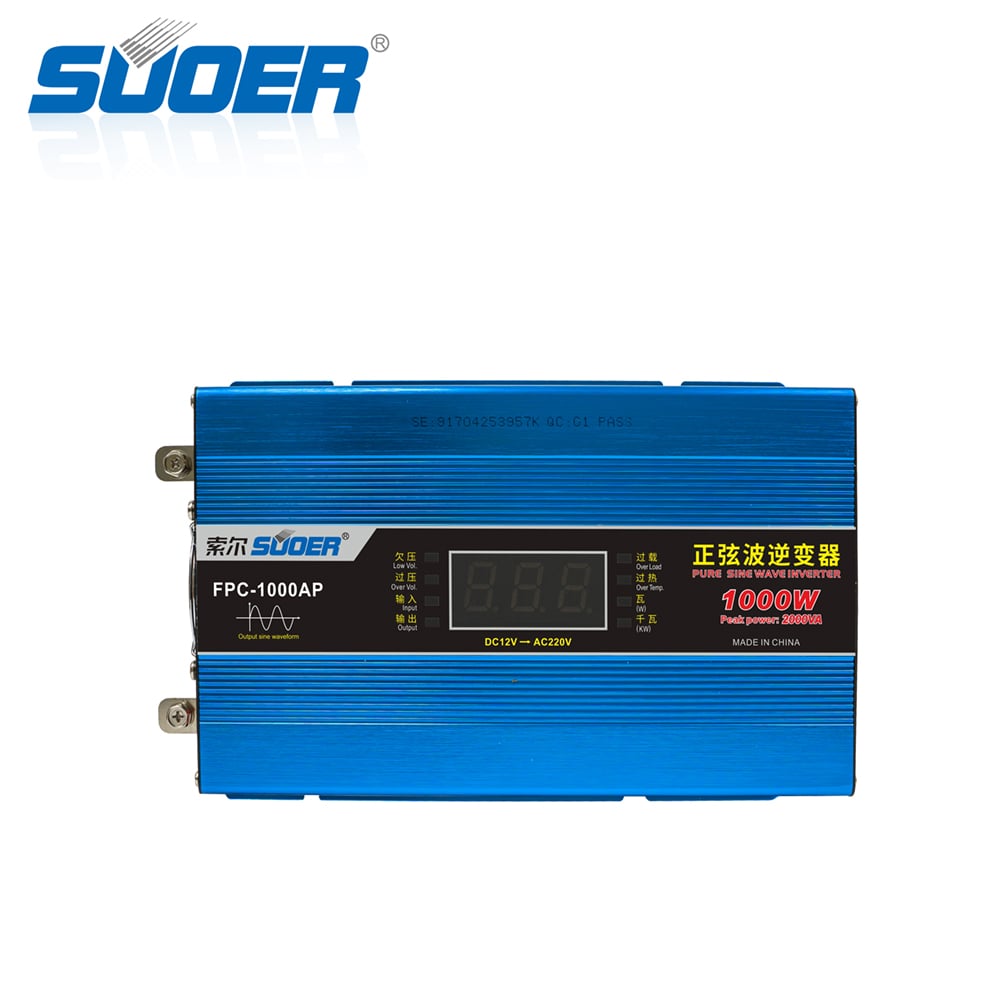
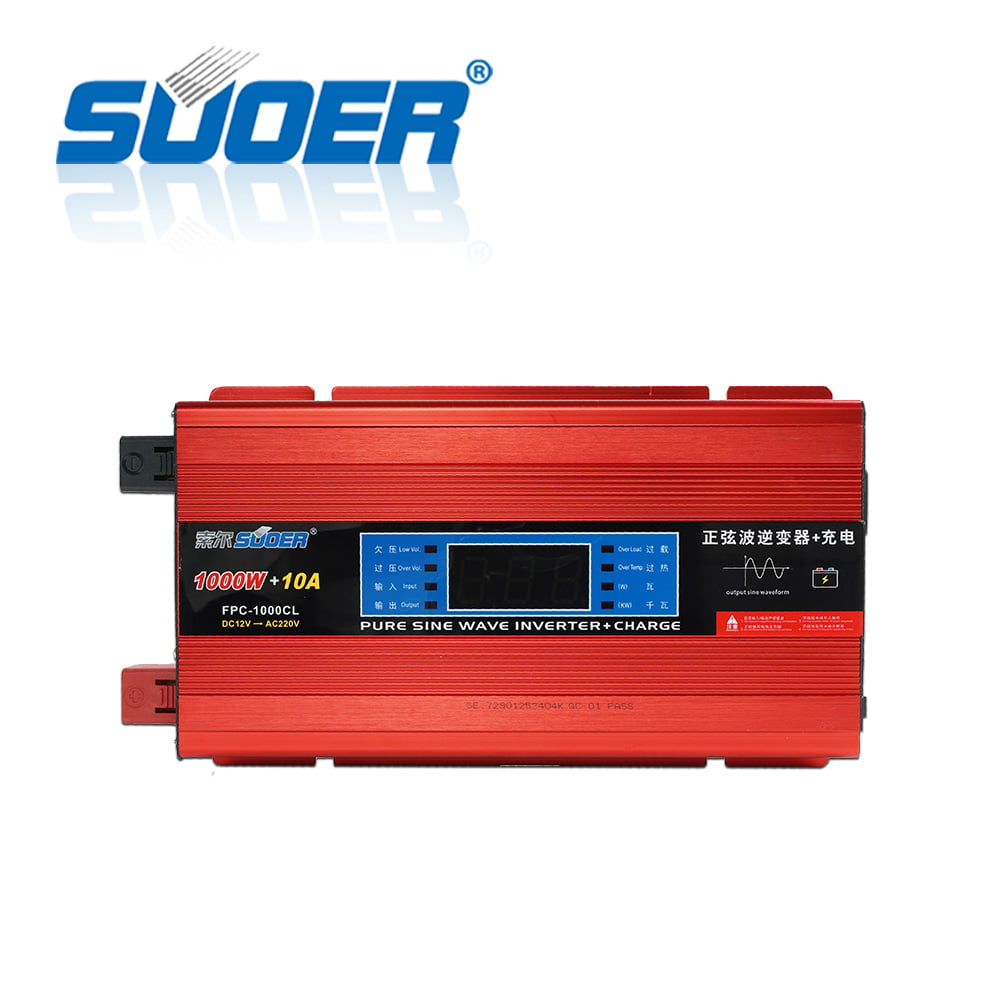
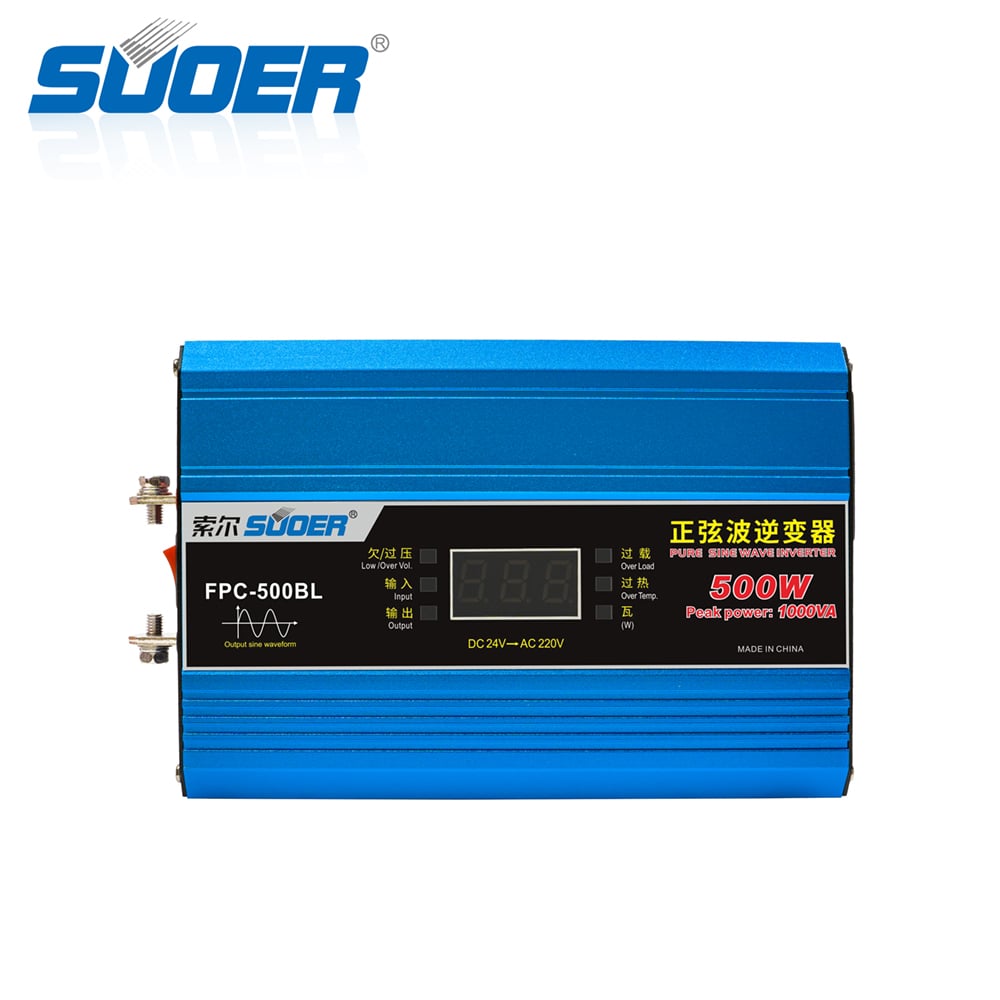
Inverter 300W pure sine wave inverters are essential power supply components for various applications, including electric vehicles, industrial setups, and photovoltaic systems. B2B buyers, such as purchasing managers and engineers, are typically concerned with product reliability, efficiency, and compatibility with their specific applications. This article will provide valuable insights on how to select a trustworthy supplier, key specifications to consider, potential challenges, and the advantages of the materials used in these Suoer 1000 watt pure sine wave inverter.
When selecting a supplier for 300W pure sine wave inverters, it's crucial to consider their experience and reputation in the industry. Look for manufacturers that have a solid track record in producing high-quality power supplies, preferably with certifications like ROHS, CE, and ISO9001. These certifications indicate compliance with international standards and a commitment to quality management systems.
Additionally, assess the supplier's production capabilities. Automated manufacturing processes can enhance product consistency and quality control, which is vital for critical applications like electric vehicles and telecommunications. Requesting references from previous clients can also provide insights into the supplier's reliability and customer service.
Finally, ensure the supplier has a robust after-sales support system. Prompt assistance with technical inquiries and warranty claims can significantly impact your overall satisfaction and long-term partnership.
When evaluating Suoer 300W pure sine wave inverters, several specifications are critical to ensure optimal performance:
Output Waveform: The pure sine wave output is essential for sensitive electronic devices, as it minimizes harmonic distortion and ensures stable operation. Confirm that the inverter can provide a true sine wave output, as this affects compatibility and efficiency.
Input Voltage Range: Ensure the inverter's input voltage range aligns with your power source. A mismatch can lead to inefficiencies or damage. For instance, if it's designed for 12V or 24V systems, verify that your application uses the same voltage.
Efficiency Rating: Look for inverters with high efficiency (typically above 90%), as this reduces energy loss during conversion. Higher efficiency means lower operational costs, which is particularly important for commercial applications.
Surge Capacity: The inverter's surge capacity should be adequate to handle the initial power demand of connected devices. This is crucial for appliances that require a higher startup current.
Cooling Mechanism: Consider the cooling system, whether passive or active. Efficient cooling helps maintain performance and prolongs the inverter's lifespan.
Protection Features: Check for built-in protection features such as over-voltage, under-voltage, short-circuit, and thermal protection. These safeguards enhance reliability and safety.
When reviewing potential inverters, focus on the following aspects to ensure you select the right product:
Quality of Components: Investigate the materials used in the pure sine wave hybrid inverter, such as capacitors and transformers. High-quality components enhance durability and performance. For example, inverters using electrolytic capacitors may have a shorter lifespan compared to those using film capacitors.
Customization Options: Depending on your application, you may require specific features or configurations. A reputable manufacturer should offer customization capabilities to meet your unique needs.
Testing and Certifications: Confirm that the inverters have undergone rigorous testing to validate performance claims. Look for certifications that demonstrate compliance with industry standards, which can be a sign of reliability.
Size and Weight: Ensure the inverter's dimensions fit your installation space. Lightweight models may be more suitable for portable applications, while heavier units may be better for stationary setups.
Buyers should be aware of common issues that may arise with 300W pure sine wave inverters and their solutions:
Overheating: This can occur if the inverter is overloaded or if the cooling system is inadequate. To mitigate this, ensure that the inverter is matched to its load and that it has sufficient ventilation. Regular maintenance checks can also help identify potential overheating issues.
Inverter Failure: This can result from poor quality components or manufacturing defects. To minimize this risk, always choose suppliers with a strong quality control process and good customer reviews.
Compatibility Issues: Some devices may not function properly with pure sine wave inverters if they are designed for modified sine wave. Always verify compatibility with the devices you intend to power.
Noise: Inverters can produce audible noise during operation, particularly if they have active cooling fans. If noise is a concern, look for models with quieter fan systems or passive cooling designs.
The materials used in the construction of Suoer 300W pure sine wave inverters significantly impact their performance and longevity:
High-Quality Capacitors: Using high-grade capacitors can improve efficiency and lifespan. For instance, film capacitors typically offer better performance and longer life compared to aluminum electrolytic capacitors.
Durable Housing: The casing material should provide protection against environmental factors. Look for inverters with robust enclosures made from materials resistant to corrosion and impact.
Thermal Management Materials: Effective thermal conduction materials are crucial for heat dissipation. Manufacturers should employ materials that enhance heat transfer, ensuring consistent performance during operation.
PCB Quality: The quality of the printed circuit board (PCB) influences the inverter's reliability. A well-designed PCB can enhance conductivity and reduce the risk of failure due to thermal stress or electrical issues.
By understanding these specifications and considerations, B2B buyers can make informed purchasing decisions regarding pure sine wave power inverter, ensuring they select a product that meets their operational requirements and manufacturer standards.

Discover Suoer’s premium range of solar inverters and power inverters designed for reliable renewable energy solutions.Trusted by customers worldwide for exceptional performance and durability.
Suoer Industrial Zone, Ercun Road Section, Yanfeng Avenue, Shishan Town,Foshan city,Guangdong Province,China
Copyright © 2024 Foshan Suoer Electronic Industry Co., Ltd. Privacy Policy - Blog

 EN
 AR
 NL
 FR
 DE
 EL
 IT
 JA
 KO
 PT
 RU
 ES
 VI
 TH
 TR
 BG
 HR
 CS
 NO
 PL
 TL
 ID
 SR
 UK
 SQ
 HU
 MT
 AF
 MS
 IS
 HY
 AZ
 BN
 BS
 GU
 LO
 LA
 MN
 NE
 TA