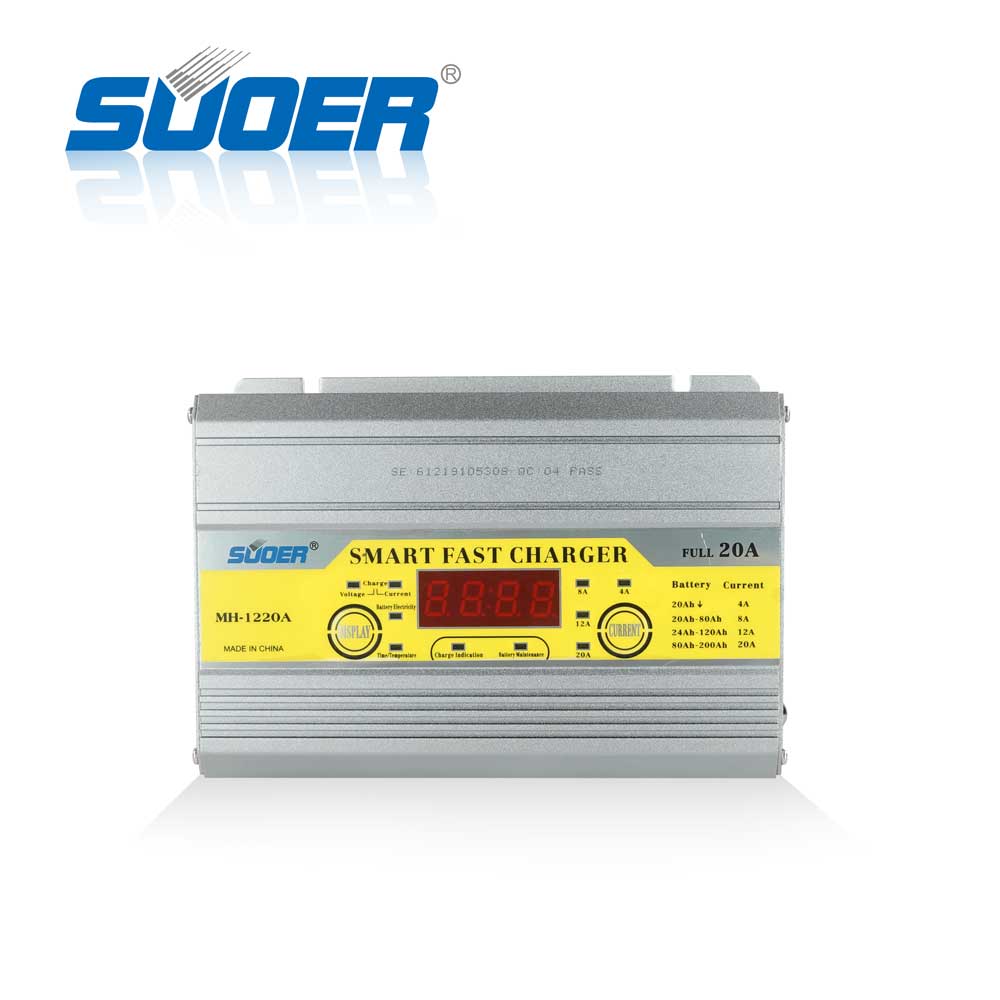
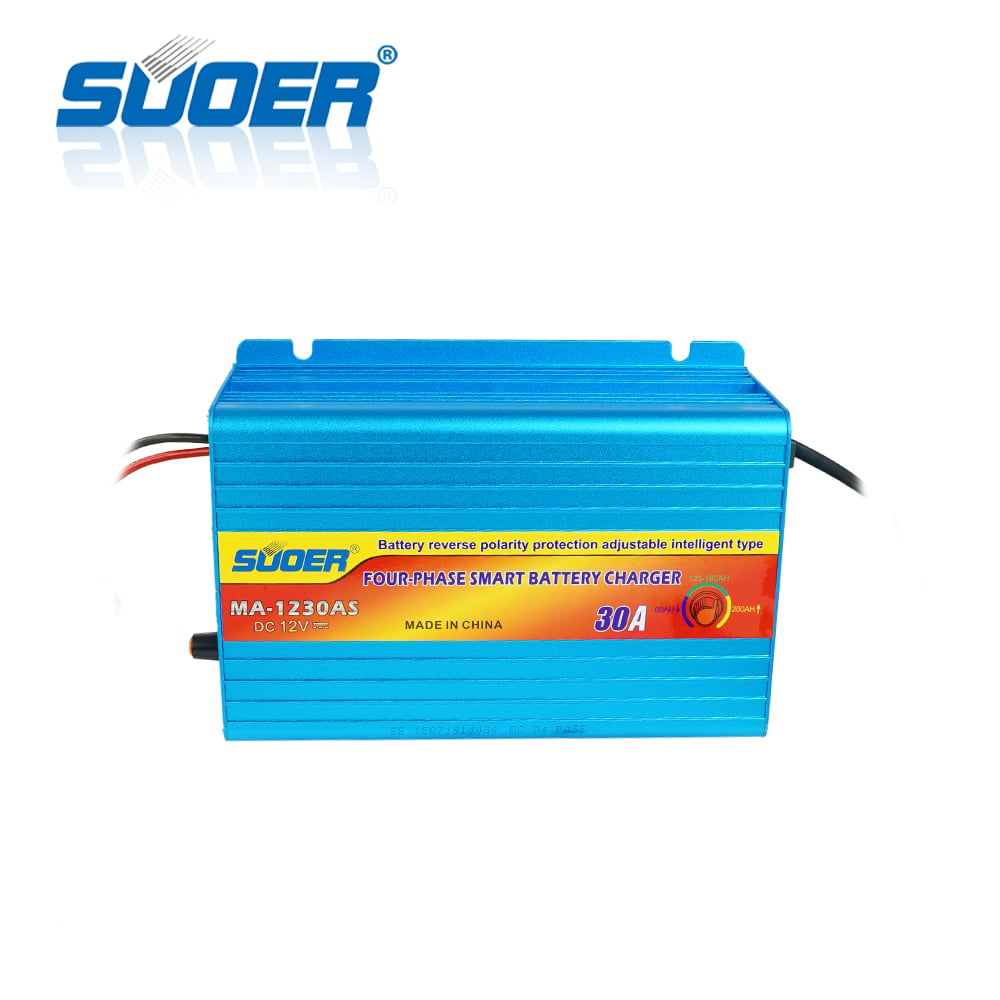
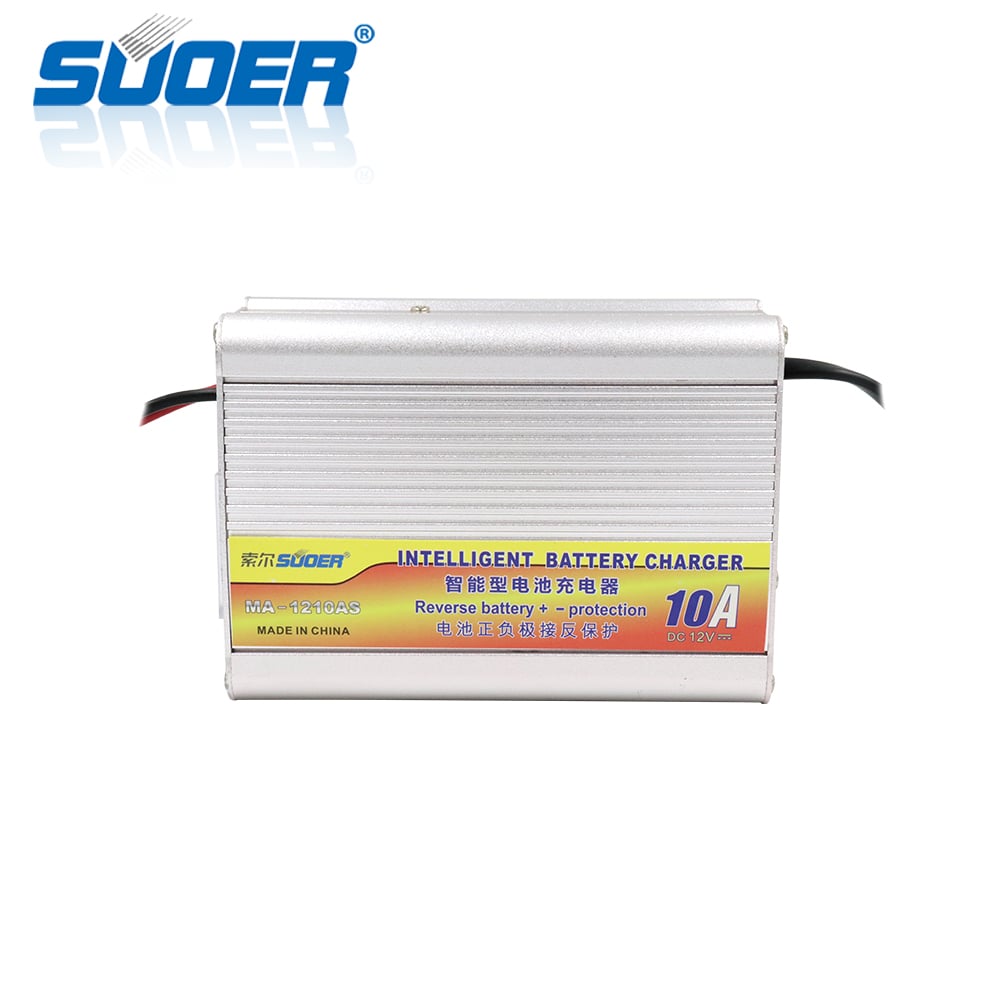
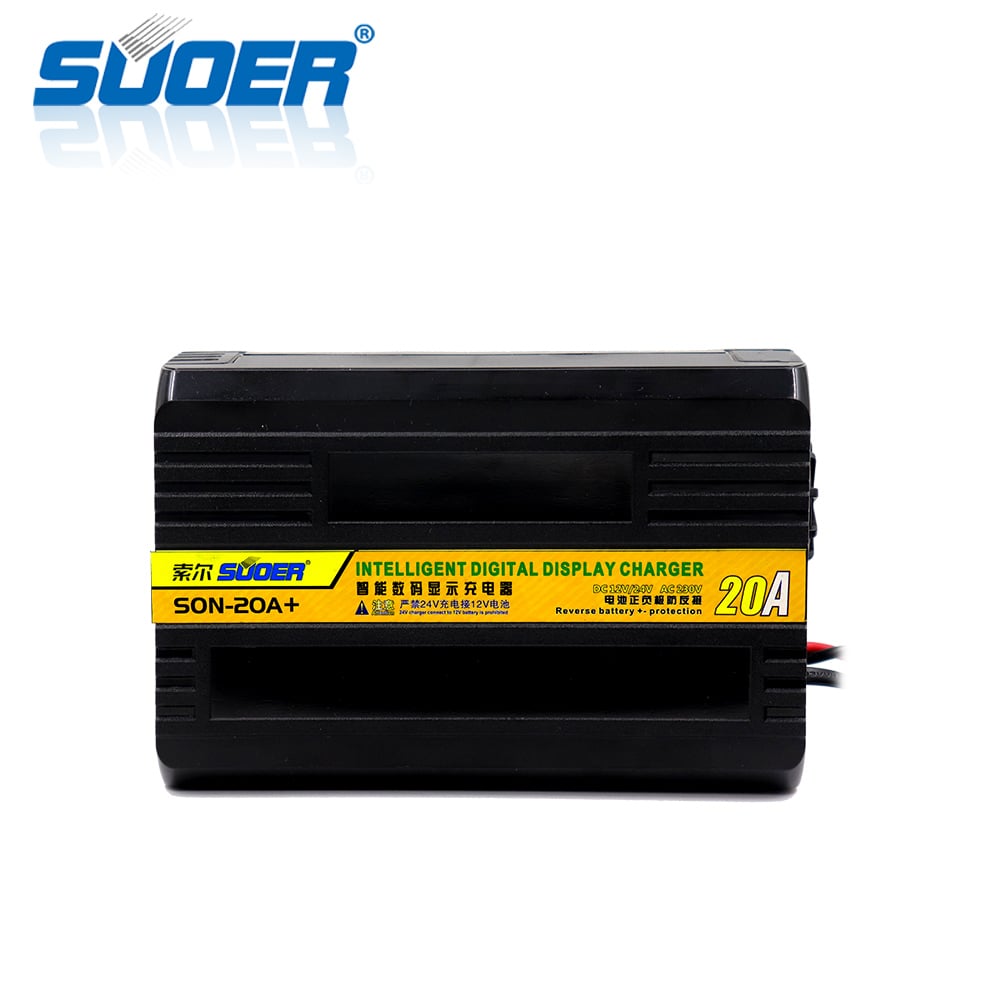
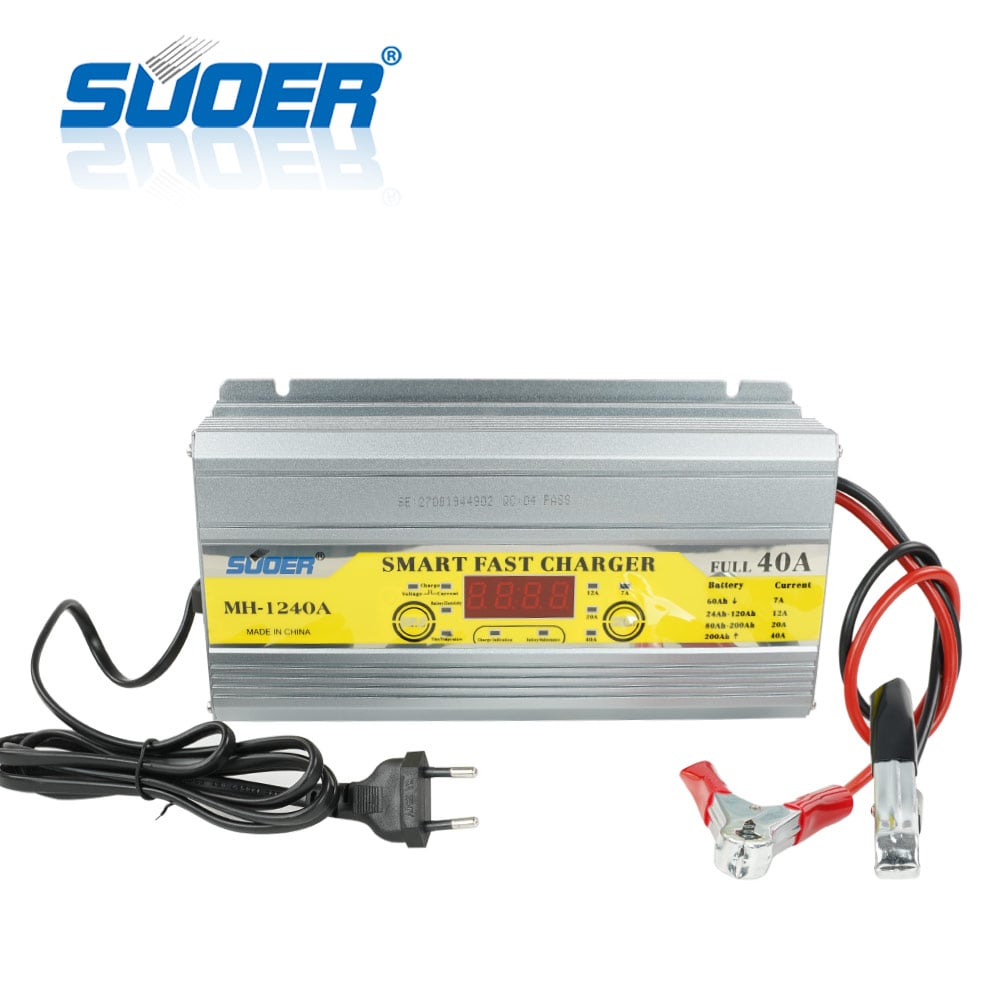
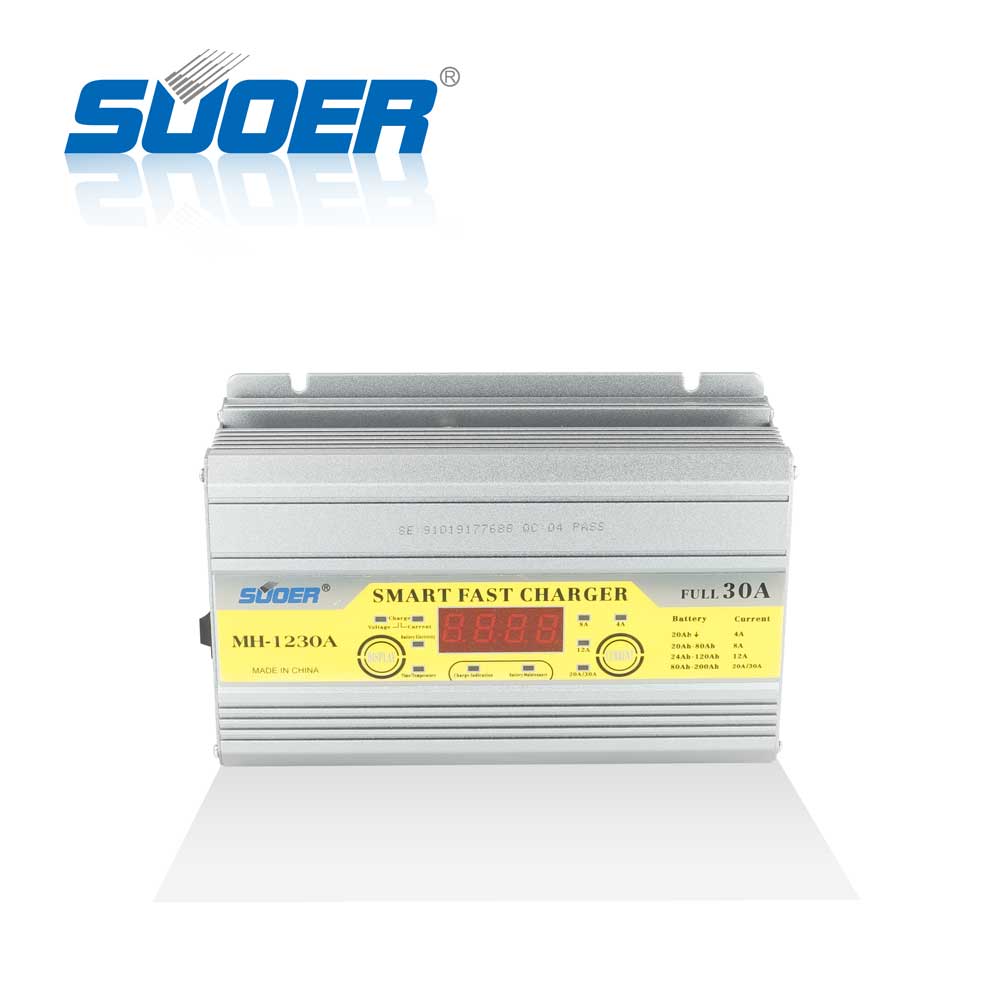
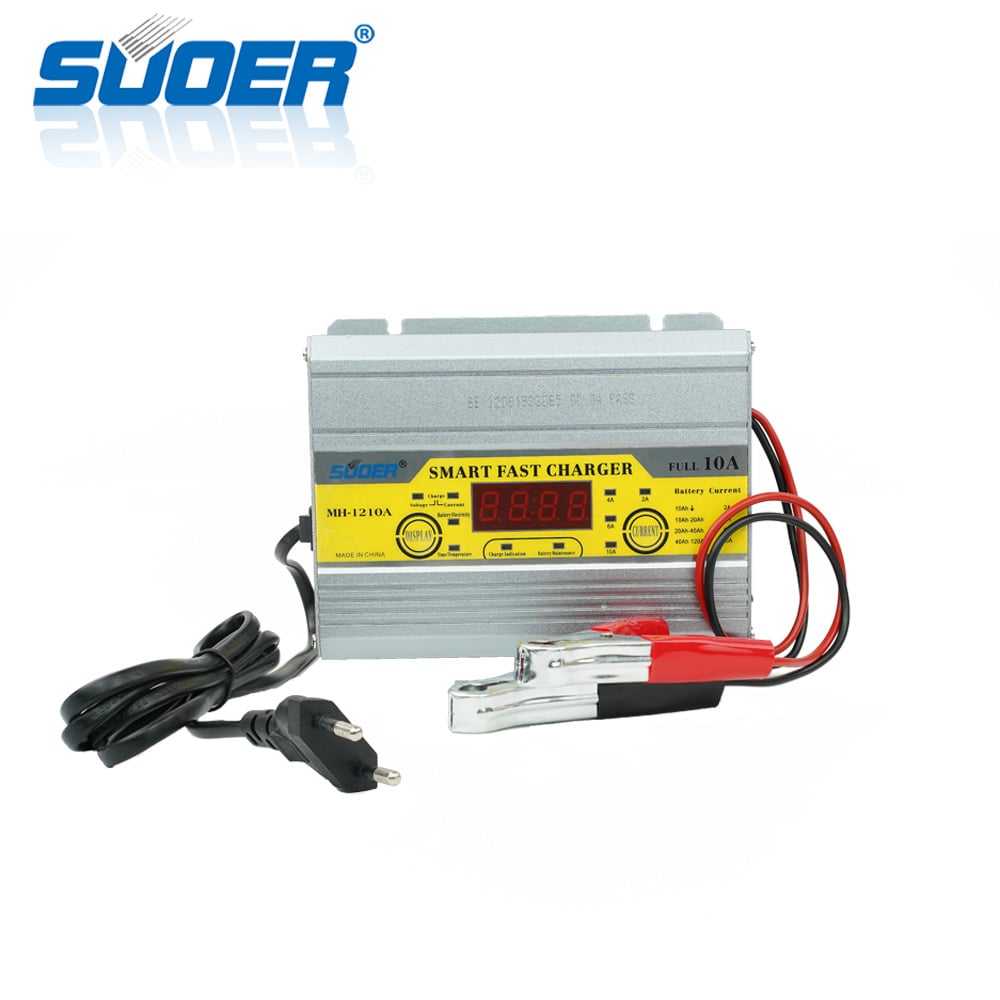
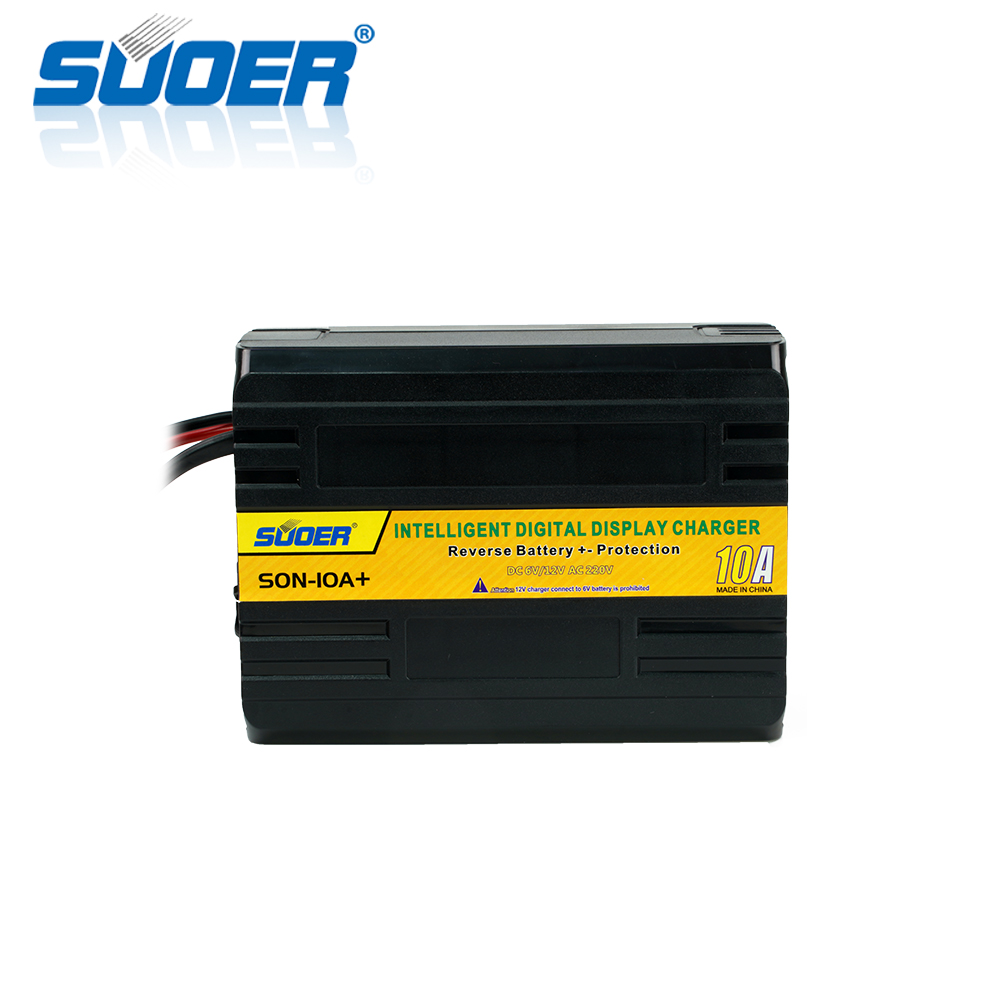
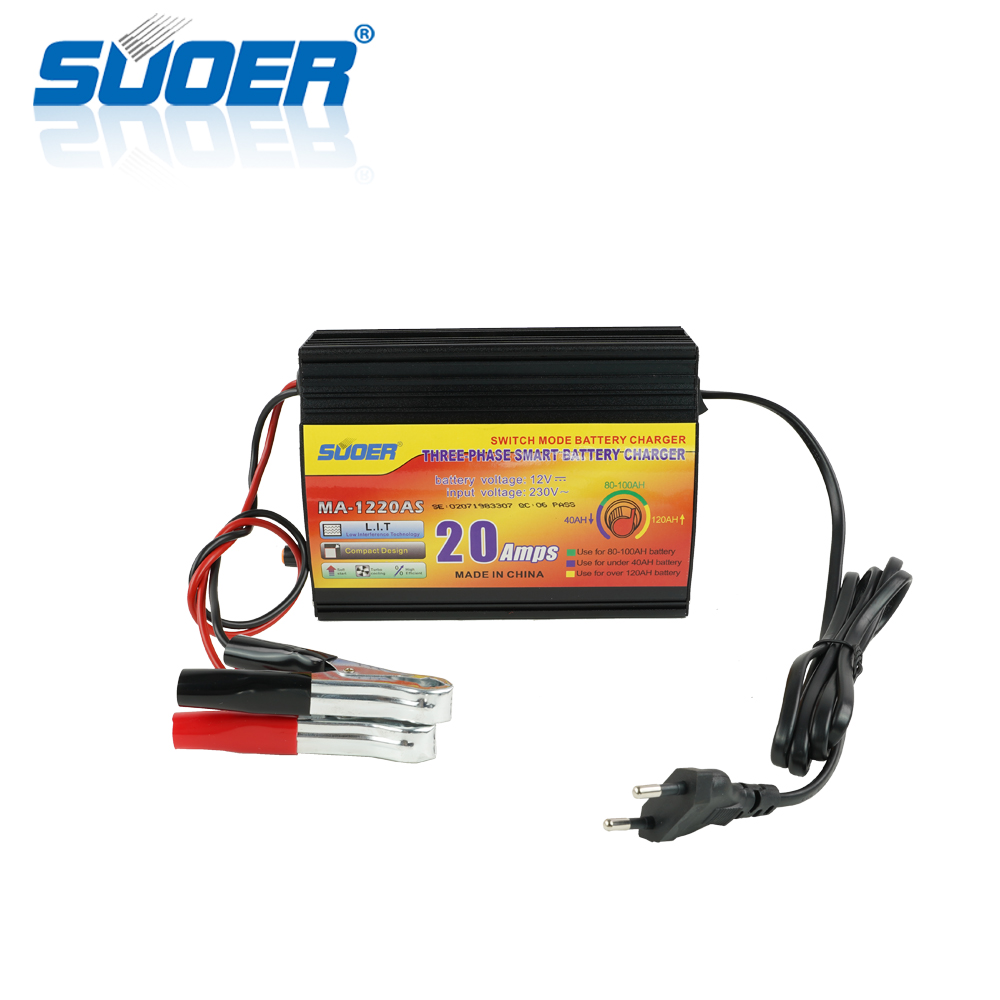
Selecting the right 48V lithium battery charger is crucial for ensuring the efficient operation of electric vehicles and various industrial applications. B2B buyers, including purchasing managers and engineers, often face concerns regarding compatibility, performance, and quality when sourcing these chargers. This article will guide you through the essential factors to consider when choosing a 48v battery charger, helping you make informed purchasing decisions.
When selecting a 48V lithium battery charger, several key factors should guide your decision:
Compatibility: Ensure that the charger is compatible with your specific lithium battery type. Different lithium batteries may require different charging profiles to function optimally and safely.
Charging Speed: Evaluate the charger's output current and voltage. Chargers with higher currents can charge batteries faster, which is crucial for applications requiring quick turnaround times.
Safety Features: Look for chargers equipped with safety features such as overcharge protection, short-circuit protection, and thermal regulation. These features help prevent battery damage and enhance user safety.
Durability and Environment: Consider the environmental conditions in which the smart battery charger will operate. If it will be used in harsh environments, look for chargers with robust housing and protection against dust and moisture.
Certifications: Verify that the charger meets industry standards and certifications, such as ROHS, CE, and ISO9001. These certifications indicate compliance with safety and quality regulations.
When evaluating specifications, focus on the following:
Output Voltage and Current: The charger should provide a stable output of 48V, with the current rating (measured in amps) reflecting your battery's charging requirements. A typical charger output might range from 5A to 30A, depending on the battery capacity and desired charge time.
Efficiency Rating: Look for chargers with high efficiency ratings, ideally above 85%. Higher efficiency reduces energy loss during charging, leading to cost savings over time.
Charging Algorithm: Different lithium batteries may require specific charging algorithms (CC-CV - Constant Current, Constant Voltage). Ensure the charger has the appropriate charging profile for your battery type to enhance safety and lifespan.
Temperature Range: Check the operating temperature range of the charger, especially if it will be used in extreme conditions. Chargers that can function effectively across a wide temperature range (-20°C to 50°C) offer greater flexibility.
Quality assessment of 48V lithium battery chargers should include:
Material and Build Quality: Inspect the materials used in the charger’s construction. High-quality plastics and metals can enhance durability and performance. Look for indicators of robust design, such as reinforced connectors and protective enclosures.
Testing and Quality Control: Inquire about the manufacturer's testing and quality control processes. A reputable manufacturer will conduct thorough testing, including performance, safety, and compliance tests, before the charger reaches the market.
Warranty and Support: A solid warranty indicates confidence in the product's quality. Ensure the manufacturer offers comprehensive customer support and warranty options for additional peace of mind.
User Reviews and Feedback: Research user feedback and testimonials to gauge real-world performance and reliability. Online reviews can provide insights into common issues or strengths.
Proper installation is crucial for optimal charger performance. Follow these guidelines:
Location Selection: Choose a well-ventilated area for installation to prevent overheating. Avoid placing the lithium battery charger in confined spaces or near heat sources.
Electrical Connections: Ensure that all electrical connections comply with local codes and regulations. Use appropriate gauge wiring to handle the charger's current requirements and prevent overheating.
Mounting: If the charger is designed for wall mounting, ensure it is securely fastened to prevent movement during operation. Follow the manufacturer's installation instructions for proper mounting procedures.
Initial Testing: After installation, conduct initial testing to verify that the charger functions correctly. Check voltage output and confirm that all safety features are operational.
Understanding the cost structure is essential for budgeting and purchasing decisions. Here are key cost factors to consider:
Initial Purchase Price: Compare prices from different suppliers, but be wary of extremely low-cost options that may compromise quality. A higher initial investment can lead to better performance and longevity.
Operational Costs: Evaluate the energy efficiency of the charger. Higher efficiency can reduce electricity costs over time, making it a more economical choice in the long run.
Maintenance and Support: Consider potential maintenance costs and the availability of customer support. Chargers requiring frequent service or lack of support can lead to higher overall costs.
Volume Discounts: If you plan to purchase in bulk, inquire about volume discounts. Many manufacturers offer price reductions for larger orders, which can significantly impact your budget.
By carefully considering these factors, specifications, quality assessments, installation guidance, and cost evaluations, you can make a well-informed decision when selecting a 48V lithium battery charger for your business needs.

Discover Suoer’s premium range of solar inverters and power inverters designed for reliable renewable energy solutions.Trusted by customers worldwide for exceptional performance and durability.
Suoer Industrial Zone, Ercun Road Section, Yanfeng Avenue, Shishan Town,Foshan city,Guangdong Province,China
Copyright © 2024 Foshan Suoer Electronic Industry Co., Ltd. Privacy Policy - Blog

 EN
 AR
 NL
 FR
 DE
 EL
 IT
 JA
 KO
 PT
 RU
 ES
 VI
 TH
 TR
 BG
 HR
 CS
 NO
 PL
 TL
 ID
 SR
 UK
 SQ
 HU
 MT
 AF
 MS
 IS
 HY
 AZ
 BN
 BS
 GU
 LO
 LA
 MN
 NE
 TA