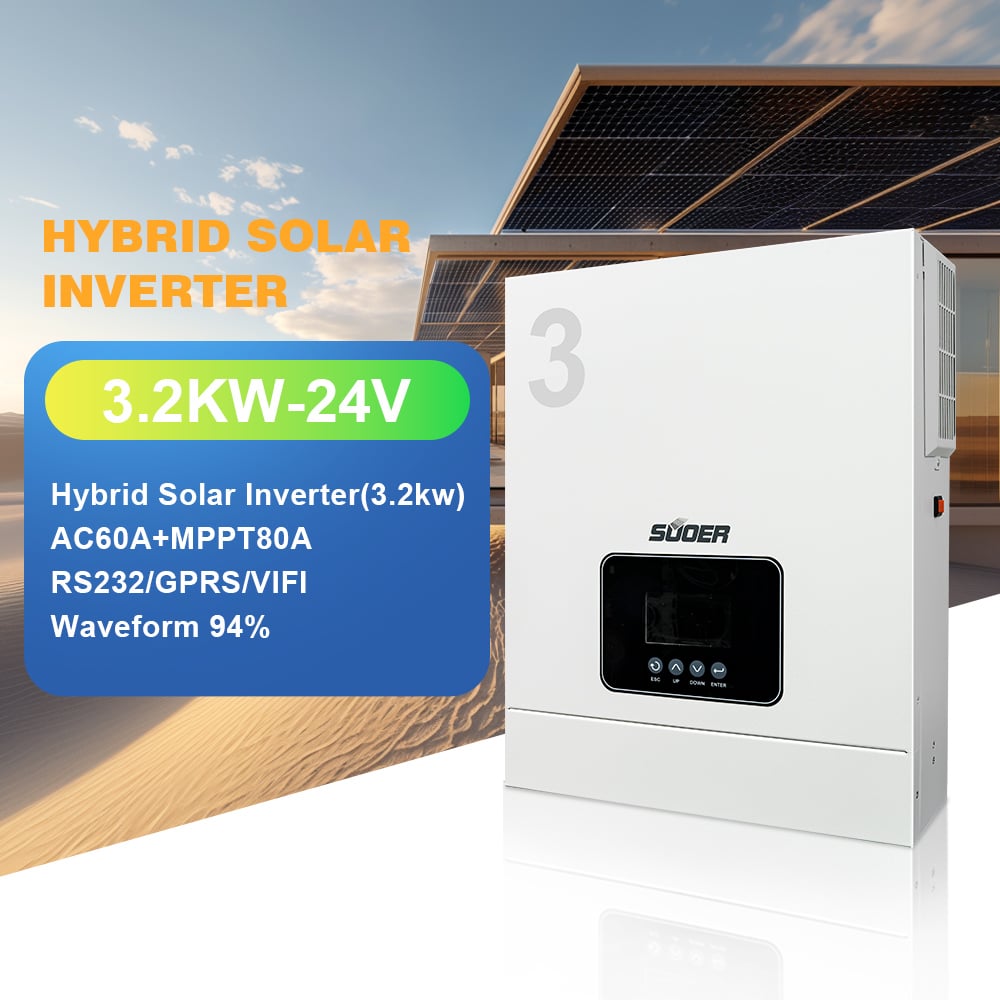
Smart battery chargers play a critical role in various industries, providing an efficient solution for maintaining and optimizing the performance of batteries used in electric vehicles, industrial applications, and telecommunications. As purchasing managers and product professionals seek reliable power supply solutions, understanding the specifications, cost factors, and common challenges associated with smart battery chargers becomes essential. This 3kw 24v inverter article will guide you through key considerations when sourcing these chargers, ensuring you make informed purchasing decisions.
When evaluating smart battery chargers, several technical specifications should be prioritized to ensure compatibility with your applications.
Input Voltage Range: Ensure that the charger supports the voltage requirements of the batteries in your application. A mismatch here can lead to inefficient charging or even damage.
Charging Current: Assess the charging current options available. Higher currents can reduce charging time, but it's crucial to check if the battery can handle the specified current without overheating.
Battery Chemistry Compatibility: Different batteries (lead-acid, lithium-ion, etc.) have unique charging profiles. Ensure the charger is designed for your specific battery chemistry to optimize performance and lifespan.
Smart Features: Look for features such as automatic shut-off, temperature compensation, and diagnostic indicators. These functionalities can enhance charging efficiency and prevent overcharging.
Safety Certifications: Verify that the charger has relevant safety certifications, such as CE and ROHS. These car battery charger certifications indicate compliance with safety and environmental standards.
Understanding these specifications helps ensure that the charger meets your operational needs and maintains battery health effectively.
Before proceeding with a purchase, buyers should familiarize themselves with the operational and application requirements of smart battery chargers. Consider the following:
Environment: Determine whether the charger will be used indoors or outdoors. Environmental factors such as humidity and temperature can affect charger performance and longevity.
Power Supply Availability: Understand your local power supply characteristics. Chargers may have different power requirements, which car power converter can influence installation and operational costs.
User Interface: Assess whether the charger’s interface is user-friendly. A clear display and accessible controls can simplify operation, particularly for users with varying technical expertise.
Integration Capability: Consider how the charger integrates with existing systems. Compatibility with vehicle or battery management systems can enhance overall efficiency.
By gathering this information, you can streamline the selection process, leading to a more effective deployment of smart battery chargers.
When sourcing smart battery chargers, it’s essential to follow a systematic approach to ensure that you meet your operational and budgetary requirements:
Define Your Needs: Start by outlining the specific applications and battery types you need to charge. This will help narrow down the options significantly.
Request Technical Specifications: When reaching out to suppliers, request detailed technical specifications and performance data. This should include input/output voltage ratings, charging profiles, and safety features.
Evaluate Customization Options: Depending on your unique requirements, inquire about customization capabilities. Some manufacturers offer tailored solutions that can better fit specific applications.
Assess Production Capacity and Lead Times: Understand the manufacturer’s production capacity to ensure they can meet your order volume within your required timeline.
Review Quality Control Processes: Inquire about the quality assurance measures in place. A robust quality control process is crucial for ensuring the reliability of the chargers.
Compare Quotes and Terms: Gather quotes from multiple suppliers and compare not only prices but also terms of service, warranty conditions, and after-sales support.
Following this guide will help you make a well-informed decision, ultimately leading to a successful procurement process for smart battery chargers.
Cost considerations are critical when sourcing smart battery chargers, as they can significantly influence the overall budget. Here are the primary factors to consider:
Initial Purchase Price: The upfront cost of the charger is often the first consideration. However, it's important to balance price with quality and features.
Long-Term Operating Costs: Evaluate the efficiency of the charger. A higher initial cost may be justified by lower energy consumption and reduced operational costs over time.
Maintenance and Repair Costs: Consider potential maintenance expenses. A charger with a proven reliability record may incur fewer repair costs.
Customization Fees: If you require specific features or adaptations, be aware that customization may come with additional costs.
Shipping and Handling: Factor in shipping costs, particularly for international orders. Understand any tariffs or import duties that may apply.
By understanding these cost factors, you can make more informed decisions that align with your budget and operational needs.
Despite their advantages, smart battery chargers can encounter several common issues. Understanding these problems and their solutions can enhance operational efficiency:
Overheating: Chargers may overheat if they are not properly rated for the battery type or if they are used in high-temperature environments. To mitigate this, ensure that the charger is appropriately sized for your battery and consider using thermal management solutions.
Incompatibility: Not all chargers are compatible with every battery chemistry. Ensure that the charger you select is explicitly designed for the battery type you intend to use.
Connection Issues: Poor connections can lead to inefficient charging. Regularly inspect cables and connectors for wear and proper fit.
Software Glitches: Smart chargers often use software for diagnostics and performance management. Make sure to keep the firmware updated to ensure optimal performance and access to the latest features.
User Errors: Misuse can lead to performance issues. Providing clear user instructions and training can help minimize these errors.
By being aware of these common problems and their solutions, you can ensure smoother operation and prolonged lifespan of your smart battery chargers.
sourcing smart battery chargers requires careful consideration of specifications, costs, and potential challenges. By understanding the key factors and following a structured purchasing process, you can make informed decisions that enhance operational efficiency and battery performance.

Discover Suoer’s premium range of solar inverters and power inverters designed for reliable renewable energy solutions.Trusted by customers worldwide for exceptional performance and durability.
Suoer Industrial Zone, Ercun Road Section, Yanfeng Avenue, Shishan Town,Foshan city,Guangdong Province,China
Copyright © 2024 Foshan Suoer Electronic Industry Co., Ltd. Privacy Policy - Blog

 EN
 AR
 NL
 FR
 DE
 EL
 IT
 JA
 KO
 PT
 RU
 ES
 VI
 TH
 TR
 BG
 HR
 CS
 NO
 PL
 TL
 ID
 SR
 UK
 SQ
 HU
 MT
 AF
 MS
 IS
 HY
 AZ
 BN
 BS
 GU
 LO
 LA
 MN
 NE
 TA