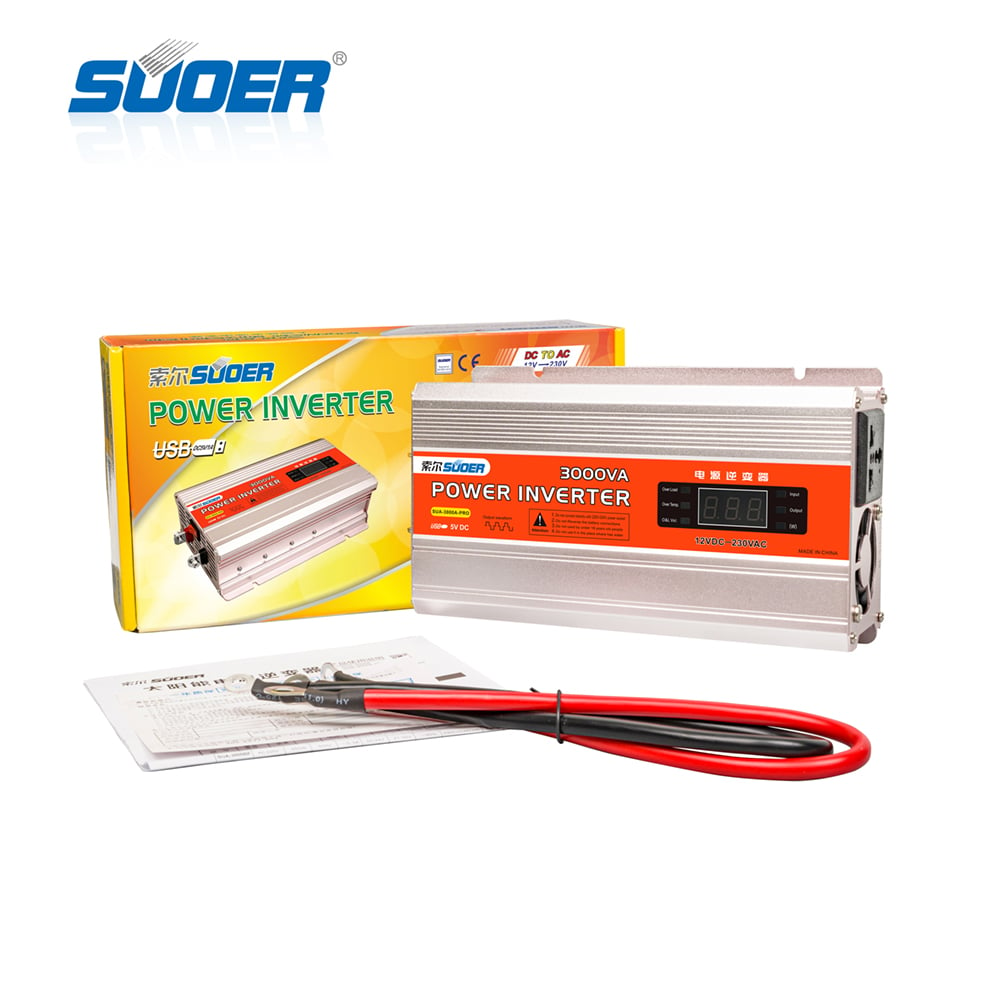
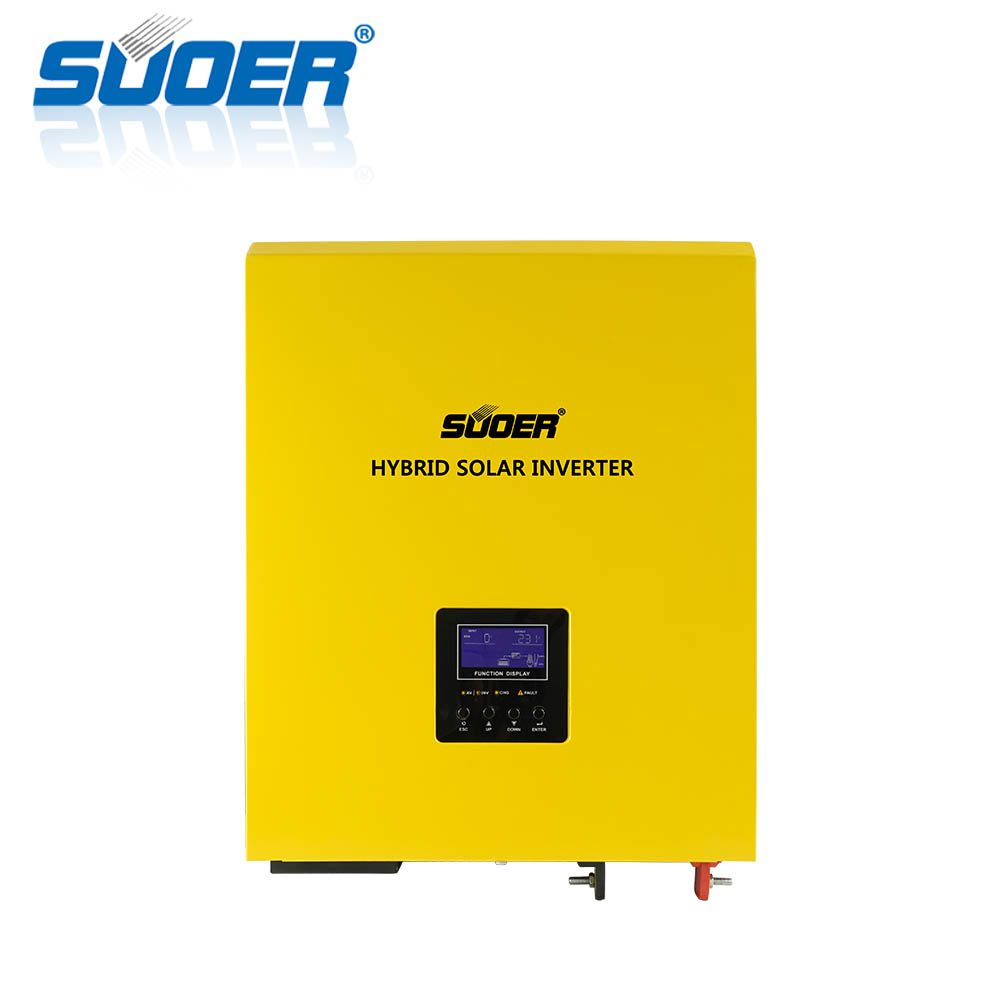
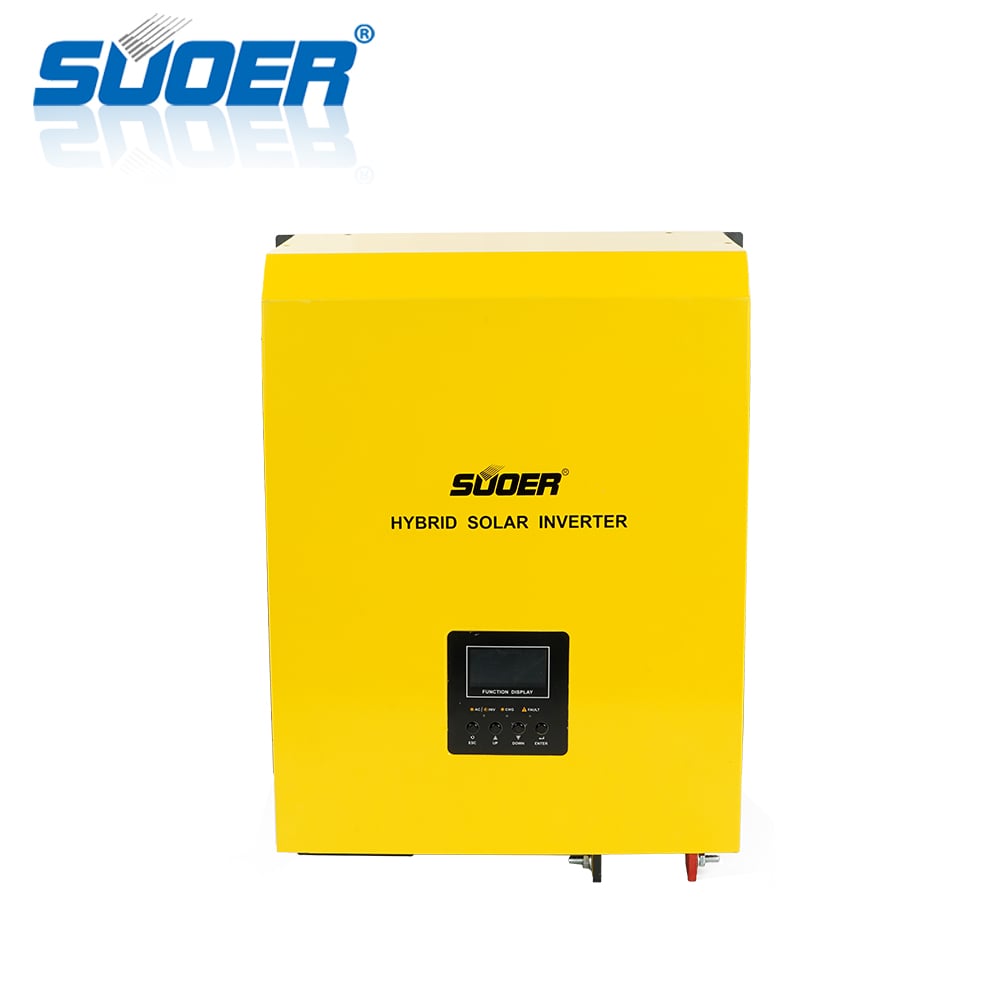
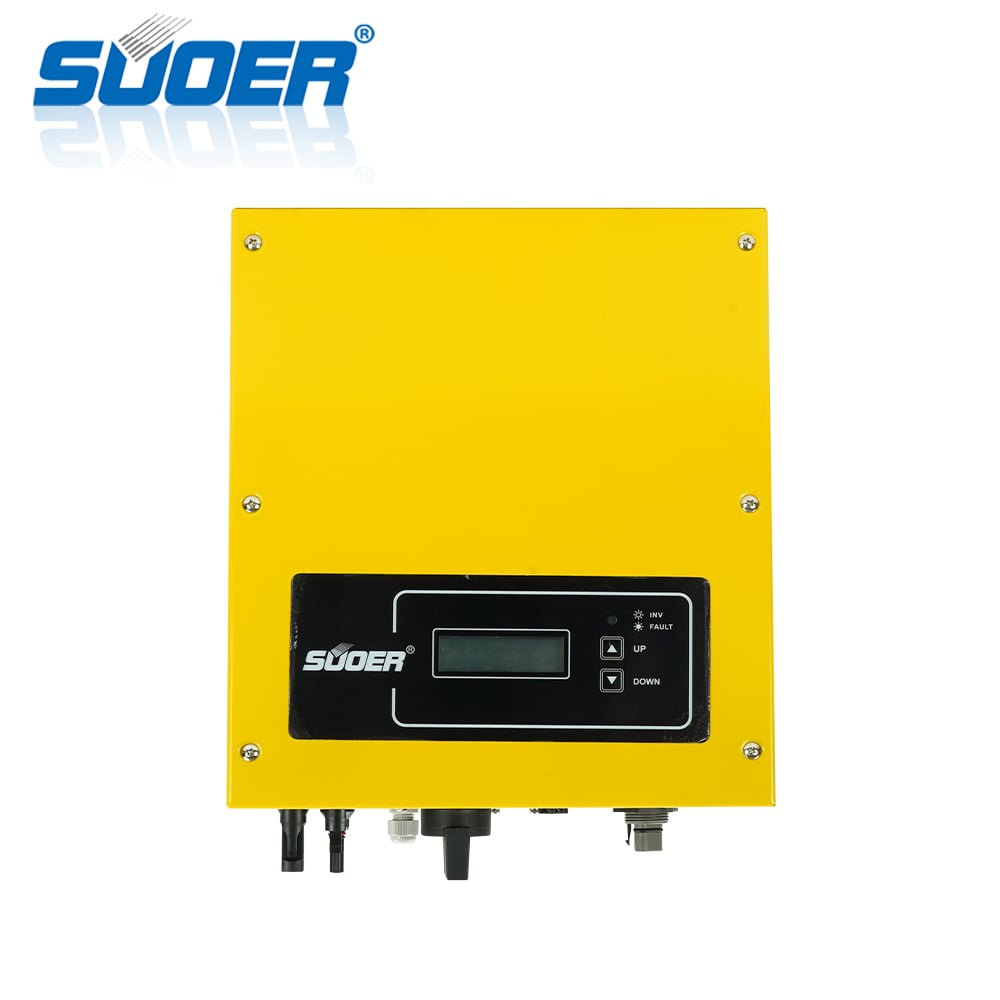
Choosing the right 3000 watt solar inverter is crucial for optimizing the efficiency of your photovoltaic systems. It plays a vital role in converting the direct current (DC) generated by solar panels into alternating current (AC) suitable for use in homes and businesses. As a B2B buyer, you'll want to ensure that the inverter meets your project's specific requirements, whether for commercial applications, electric vehicles, or industrial setups. This article will guide you through essential considerations when selecting a 3000 watt solar inverter, detailing specifications, sourcing options, common issues, and best practices for procurement.
When selecting a 3000 watt solar inverter, several critical factors should be evaluated:
Efficiency Ratings: Look for inverters with high conversion efficiency, typically above 90%. This indicates how well the inverter converts DC to AC power. Higher efficiency means more usable power and reduced energy loss.
Grid Connection: Determine whether you need a grid-tied inverter, which connects to the utility grid, or an off-grid inverter, for standalone systems. Your choice will affect installation requirements and system design.
Durability and Warranty: Consider the physical and environmental conditions where the inverter will be installed. Inverters should be rated for temperature extremes, humidity, and dust. A longer warranty period can also reflect the manufacturer's confidence in their product's durability.
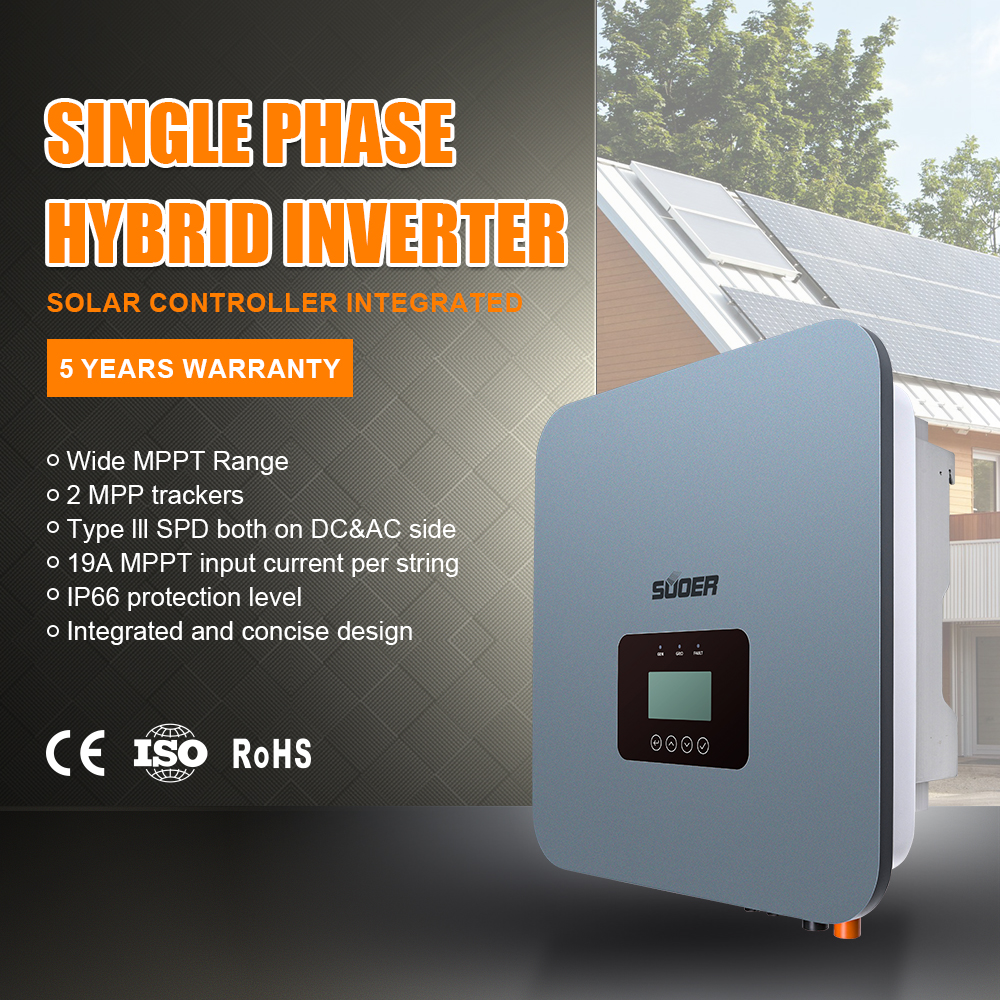
Features: Advanced features such as MPPT (Maximum Power Point Tracking) can optimize the energy harvest from solar panels. Additionally, consider whether the inverter offers remote monitoring capabilities, which can facilitate easier management and troubleshooting.
Compliance and Certifications: Ensure the inverter complies with local regulations and standards, such as ROHS, CE, and ISO9001, which indicate adherence to quality and safety benchmarks.
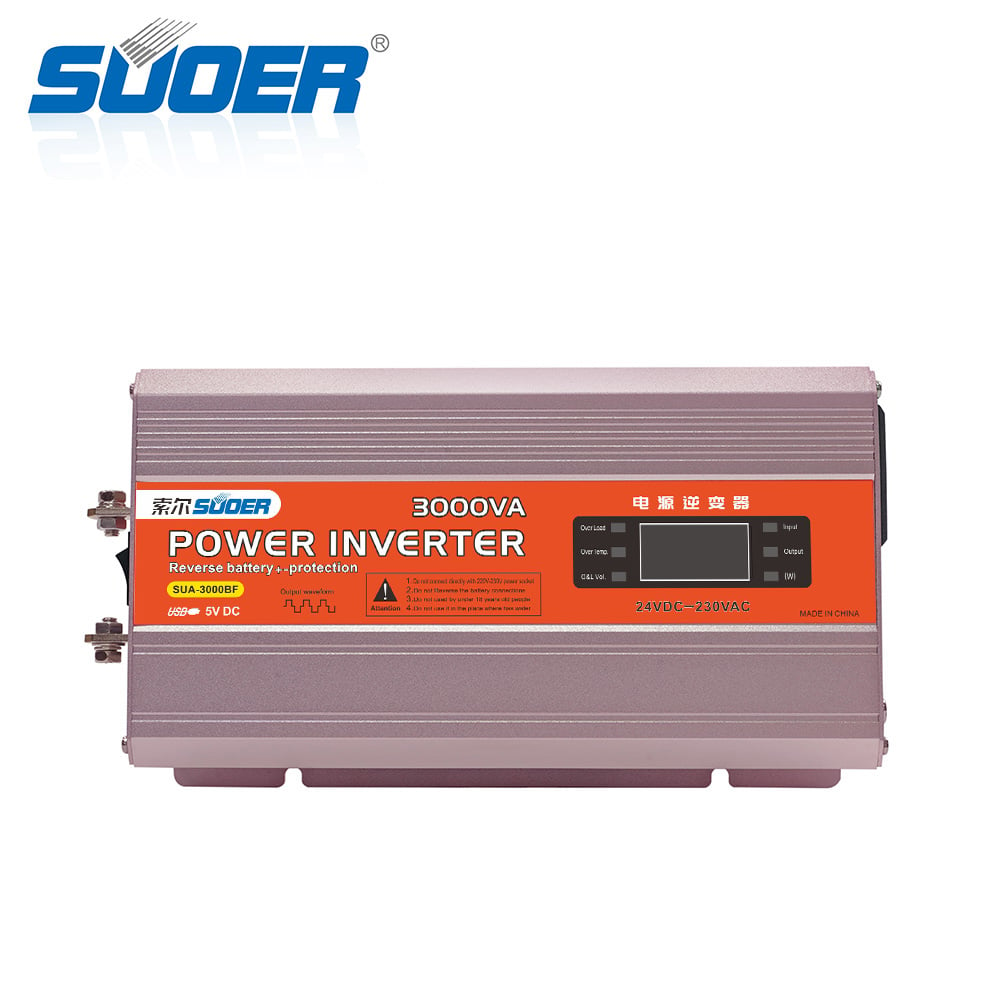
Understanding the specifications of a 3000 watt solar inverter is essential for making an informed purchase. Key specifications include:
Input Voltage Range: This defines the range of DC voltage the inverter can accept. It should match the solar panel output to ensure compatibility and efficiency.
Output Voltage and Frequency: The inverter should provide the correct AC output voltage (typically 230V or 120V) and frequency (50Hz or 60Hz) based on your local electrical standards.
Total Harmonic Distortion (THD): A lower THD value indicates that the inverter produces a cleaner waveform, which is essential for sensitive equipment. Aim for a THD of less than 5%.
Cooling Methods: Inverters can be either air-cooled or liquid-cooled. Air-cooled models are generally easier to maintain, while liquid-cooled models may be more efficient in high-load scenarios.
Safety Features: Look for built-in protections against overvoltage, overcurrent, and short circuits. This ensures safe operation and longevity of the inverter.
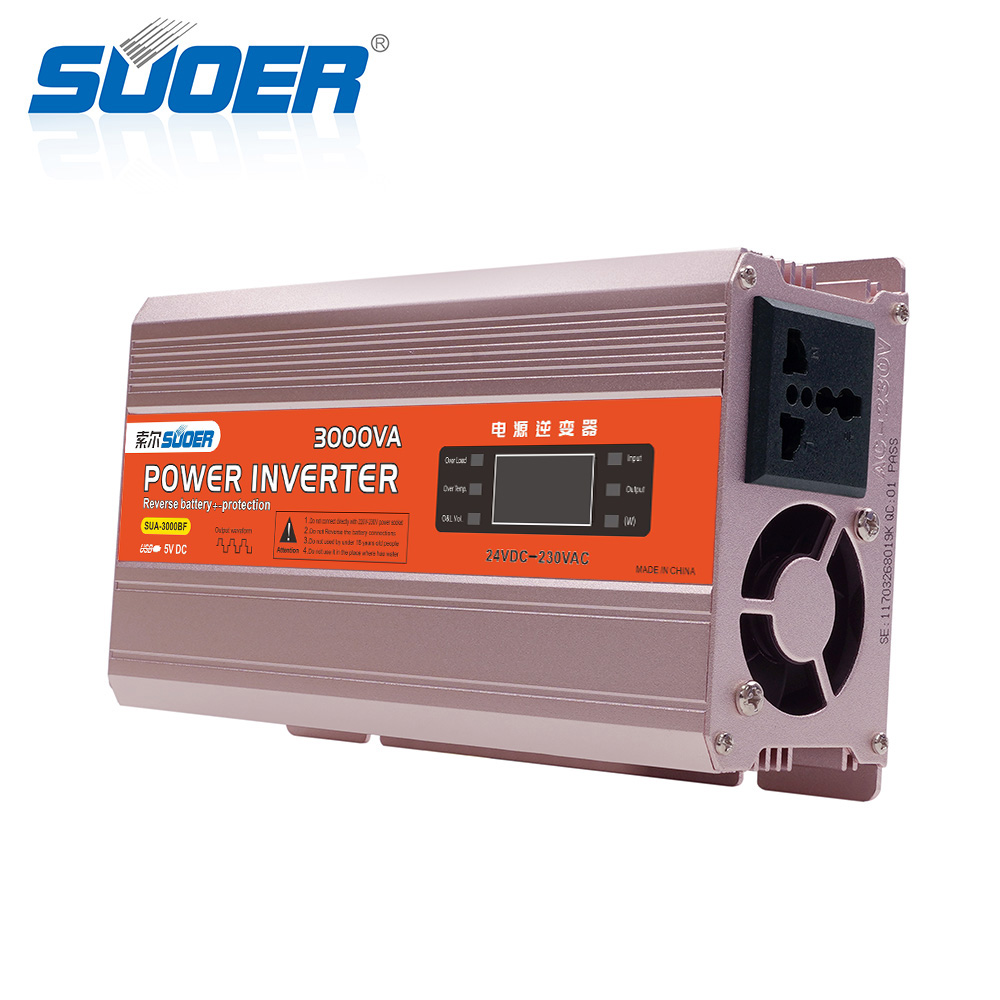
Sourcing reliable wholesale 3000 watt solar inverters requires due diligence. Here are some steps to help you find a trustworthy supplier:
Industry Trade Shows: Attending renewable energy trade shows allows you to meet manufacturers face-to-face and assess products firsthand.
Online Marketplaces and Directories: Websites like Alibaba, TradeIndia, or industry-specific directories can help you identify potential suppliers. Look for companies with positive reviews and established reputations.
Manufacturer Websites: Explore the websites of manufacturers known for their quality in the solar inverter market. Review their product catalogs, specifications, and client testimonials. For instance, you might be interested in the New 10.2kw Hybrid Solar Off-Grid Inverter System 10kwh 200ah Lithium Iron Lifepo4 Battery Split Stackable CAN Communication Port for its advanced features.
Certifications and Compliance: Ensure that suppliers provide necessary certifications for their products, confirming adherence to safety and quality standards.
Request Samples: Always ask for product samples before placing a bulk order. This allows you to verify quality, compatibility, and performance.
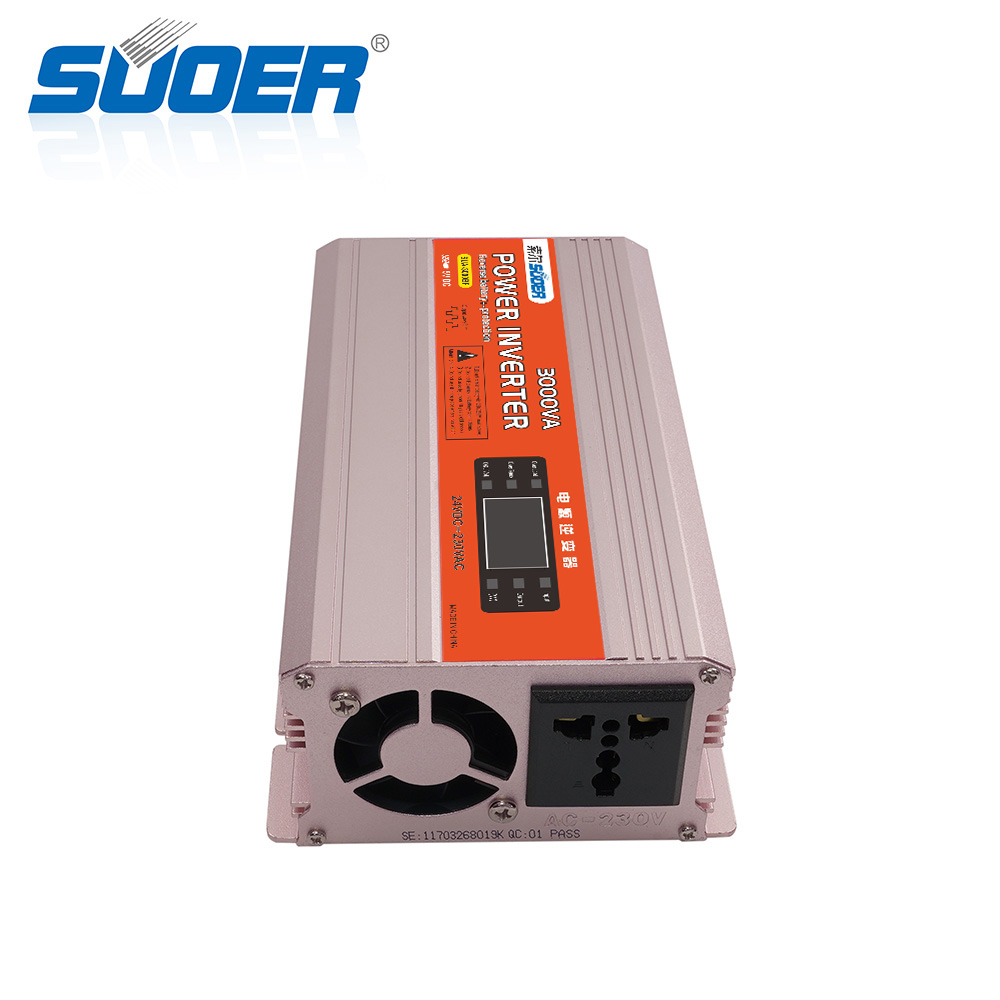
While 3000 watt solar inverters are generally reliable, certain issues may arise during operation. Here are some common problems and their solutions:
Overheating: If the inverter frequently overheats, it may be due to inadequate ventilation or high ambient temperatures. Ensure proper installation and consider models with active cooling mechanisms.
Voltage Fluctuations: Fluctuations in output voltage can indicate problems with the inverter or the connected solar array. Regular monitoring and maintenance can help identify and rectify these issues.
Communication Failures: Inverters with remote monitoring capabilities may occasionally lose connectivity. This can usually be resolved by resetting the device or checking network settings.
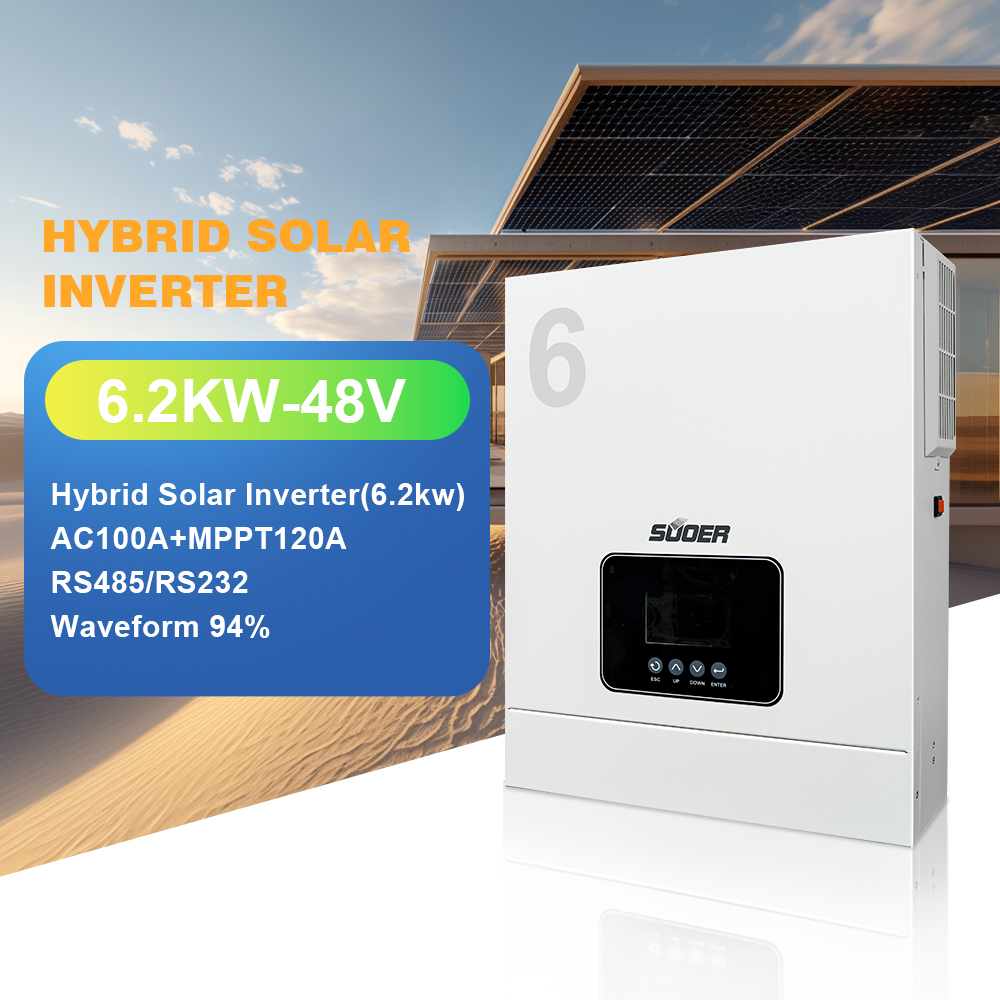
Reduced Efficiency: If you notice a drop in output, check for shading on solar panels or dirt accumulation. Regular cleaning and maintenance can help maintain optimal performance. You might also consider the 6200W Hybrid Solar Off-Grid Inverter System 10kwh Lithium Iron Lifepo4 Battery Split Stackable CAN Communication as an alternative solution.
To ensure optimal performance and longevity of your 3000 watt solar inverter, consider these best practices:
Regular Maintenance: Schedule periodic inspections and maintenance checks to identify potential issues early. This includes cleaning dust from the inverter and surrounding areas.
Monitoring Performance: Utilize any built-in monitoring features to track energy production and inverter performance. This can help identify issues before they become significant problems.
Understanding System Integration: Ensure all components of your solar system, including panels and batteries, are compatible with the inverter. This can prevent inefficiencies and operational issues.
Documentation and Support: Keep all documentation, including warranties and installation guides, organized. Familiarize yourself with the manufacturer's support resources for troubleshooting and assistance.
Educate Your Team: If you're managing a team, ensure that they understand the operational requirements and maintenance needs of the inverter. This can lead to better performance and fewer issues.
By considering these factors and following these best practices, you can ensure that your investment in a 3000 watt solar inverter is sound and that your solar energy system operates efficiently.

Discover Suoer’s premium range of solar inverters and power inverters designed for reliable renewable energy solutions.Trusted by customers worldwide for exceptional performance and durability.
Suoer Industrial Zone, Ercun Road Section, Yanfeng Avenue, Shishan Town,Foshan city,Guangdong Province,China
Copyright © 2024 Foshan Suoer Electronic Industry Co., Ltd. Privacy Policy - Blog

 EN
 AR
 NL
 FR
 DE
 EL
 IT
 JA
 KO
 PT
 RU
 ES
 VI
 TH
 TR
 BG
 HR
 CS
 NO
 PL
 TL
 ID
 SR
 UK
 SQ
 HU
 MT
 AF
 MS
 IS
 HY
 AZ
 BN
 BS
 GU
 LO
 LA
 MN
 NE
 TA