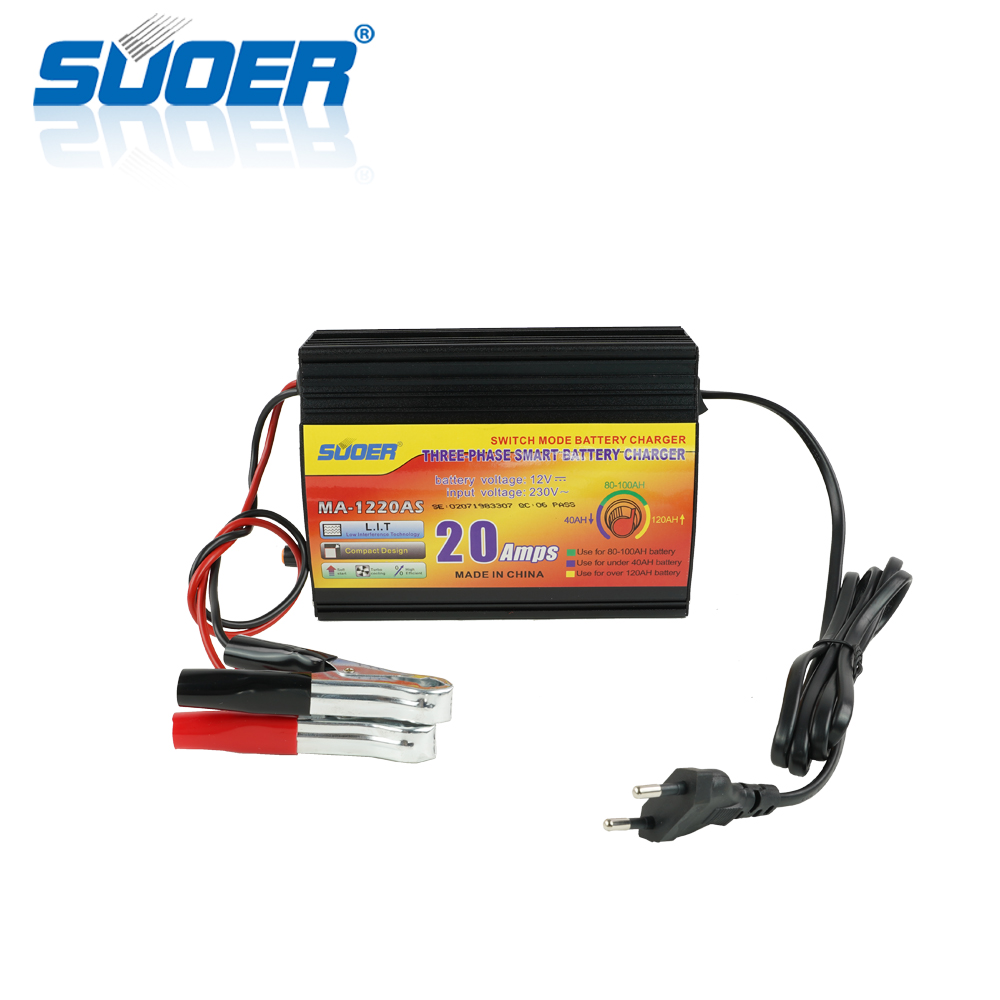
Choosing the right solar powered battery charger is crucial for businesses looking to enhance their renewable energy strategies and reduce dependency on traditional power sources. This article addresses key considerations for B2B buyers, including product specifications, quality assurance, and sourcing options. By understanding these factors, purchasing managers and engineers can make informed decisions that align with their operational needs and sustainability goals.
When selecting a solar powered battery charger, several critical factors come into play. First, consider the charger’s power output, which should match the requirements of the battery and the devices being powered. The capacity of solar panels and the efficiency of the charging system are vital; higher efficiency rates mean more reliable and faster charging.
Next, assess the environment in which the charger will be used. Factors like weather conditions, temperature ranges, and potential obstacles (such as shade from buildings or trees) can affect performance. Additionally, the durability of the materials used in the charger is essential for ensuring longevity, particularly in industrial applications where chargers may be exposed to harsh conditions.
Lastly, evaluate the certification standards that the solar battery charger meets, such as ROHS and CE, which signify compliance with safety and environmental regulations. These certifications are important for businesses that prioritize sustainability and compliance in their procurement processes.
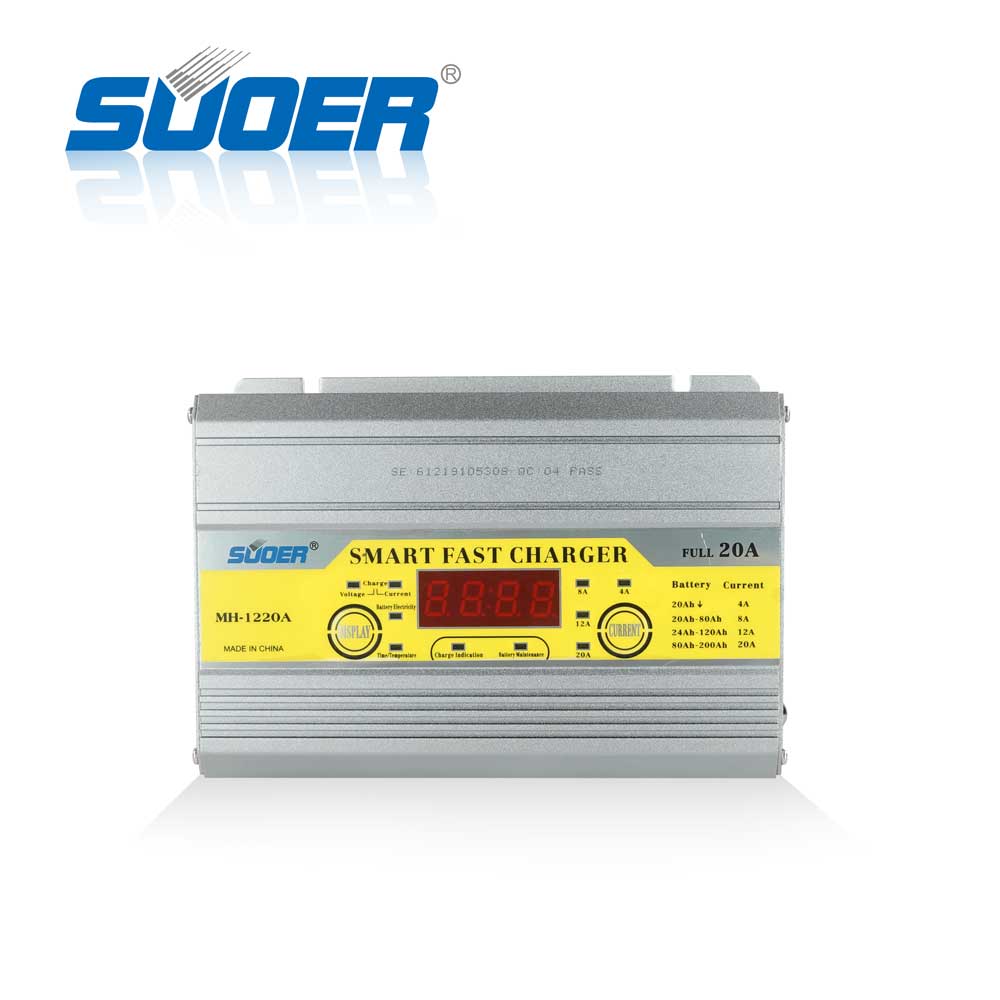
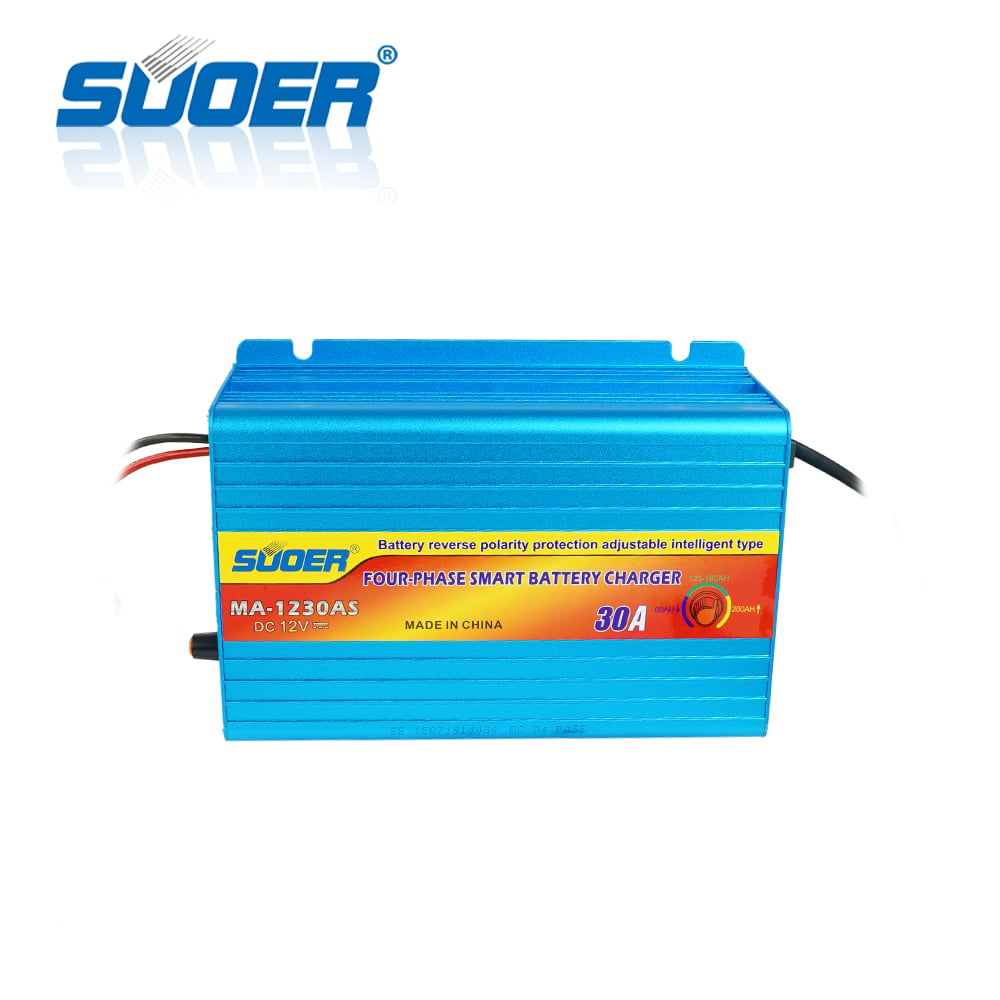
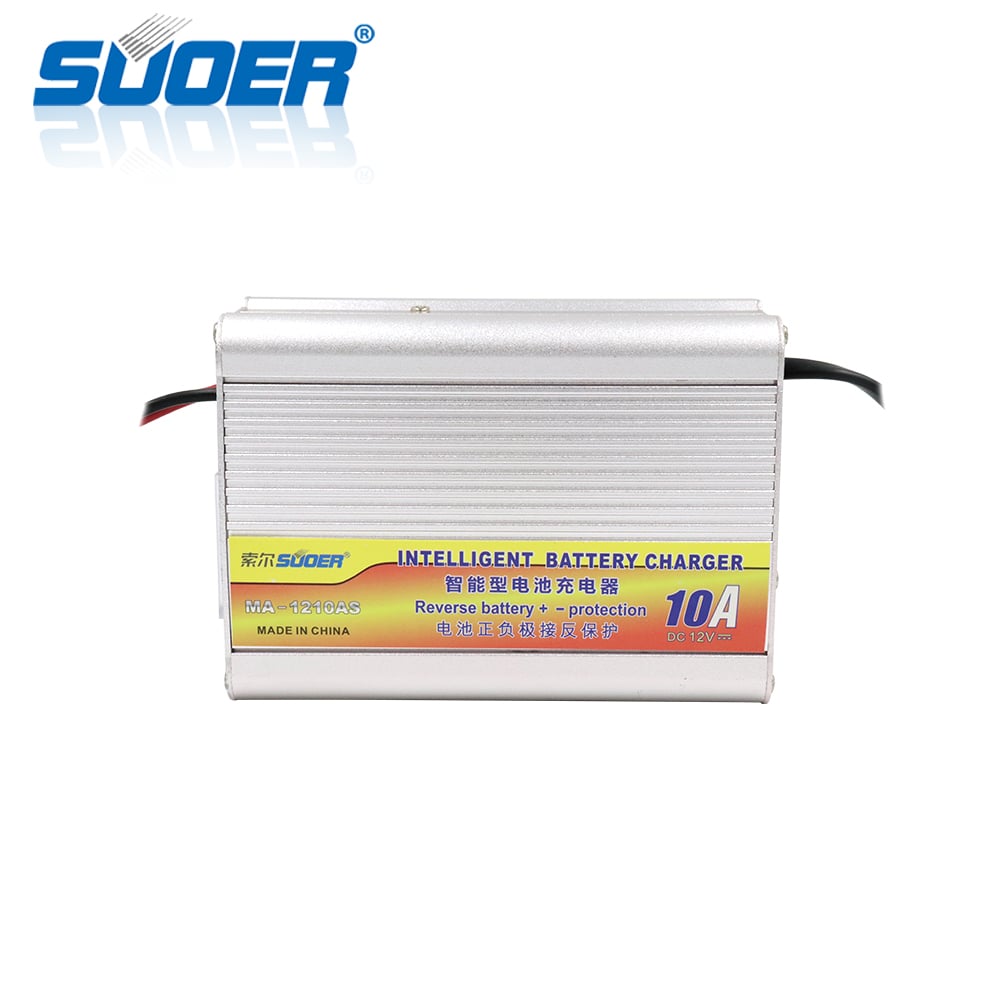
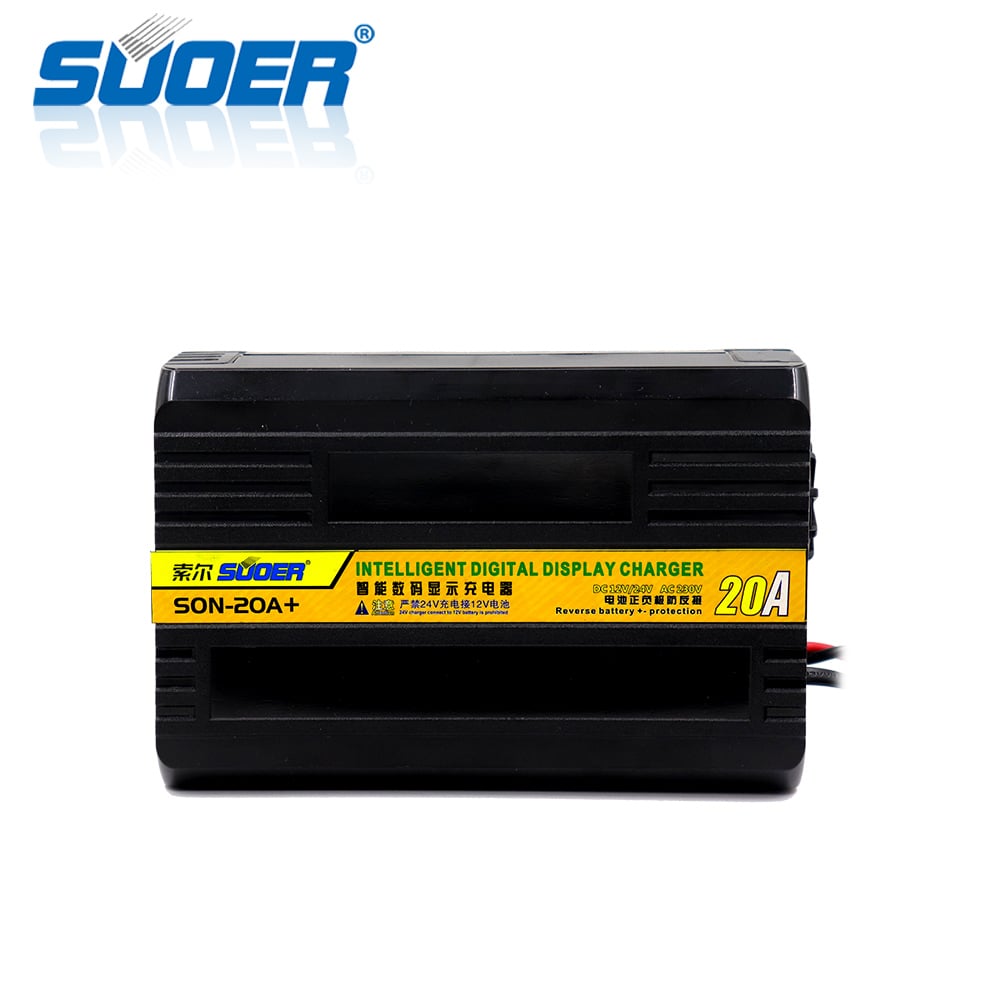
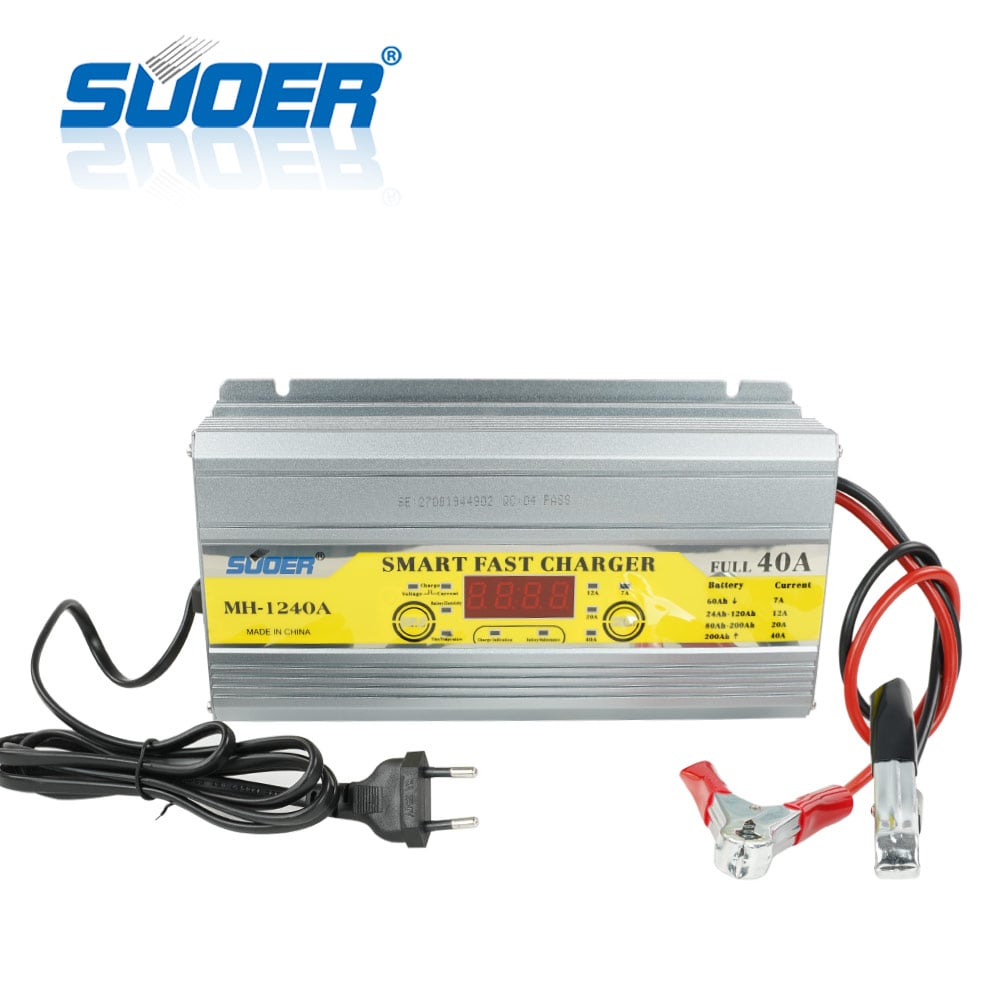
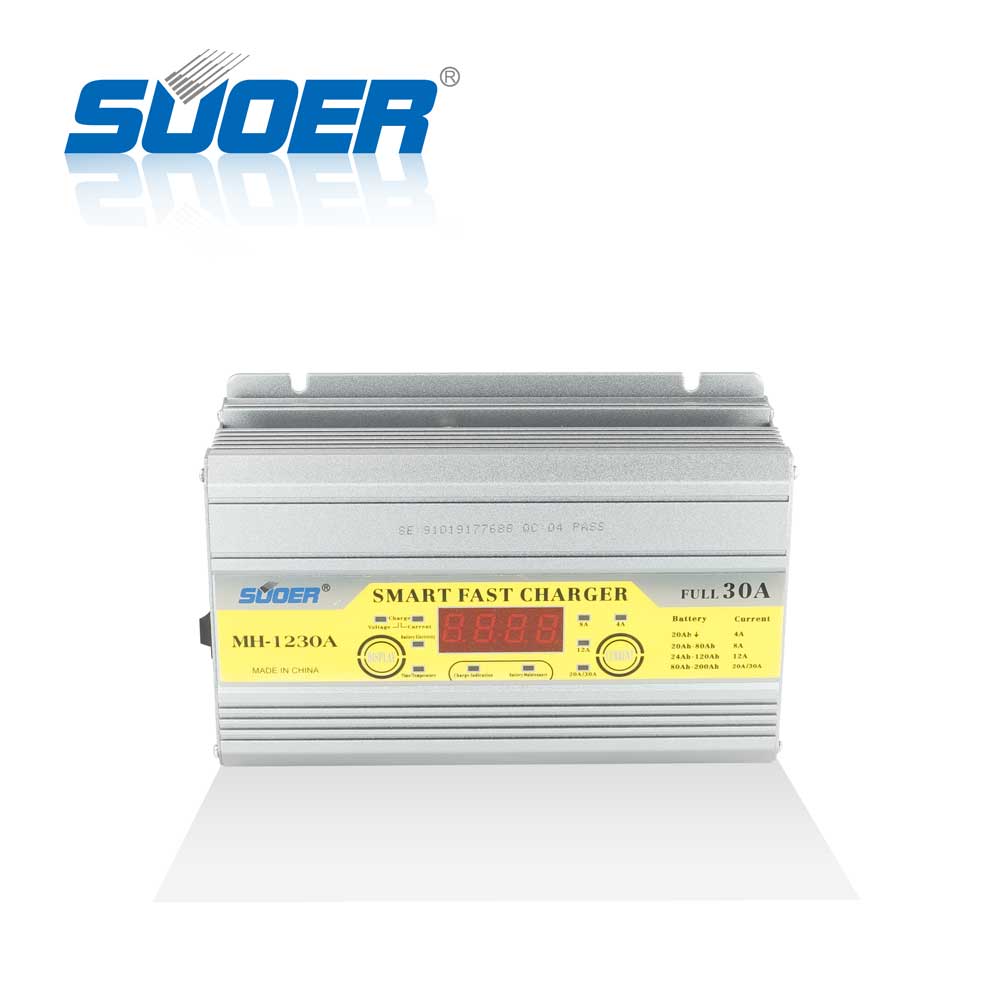
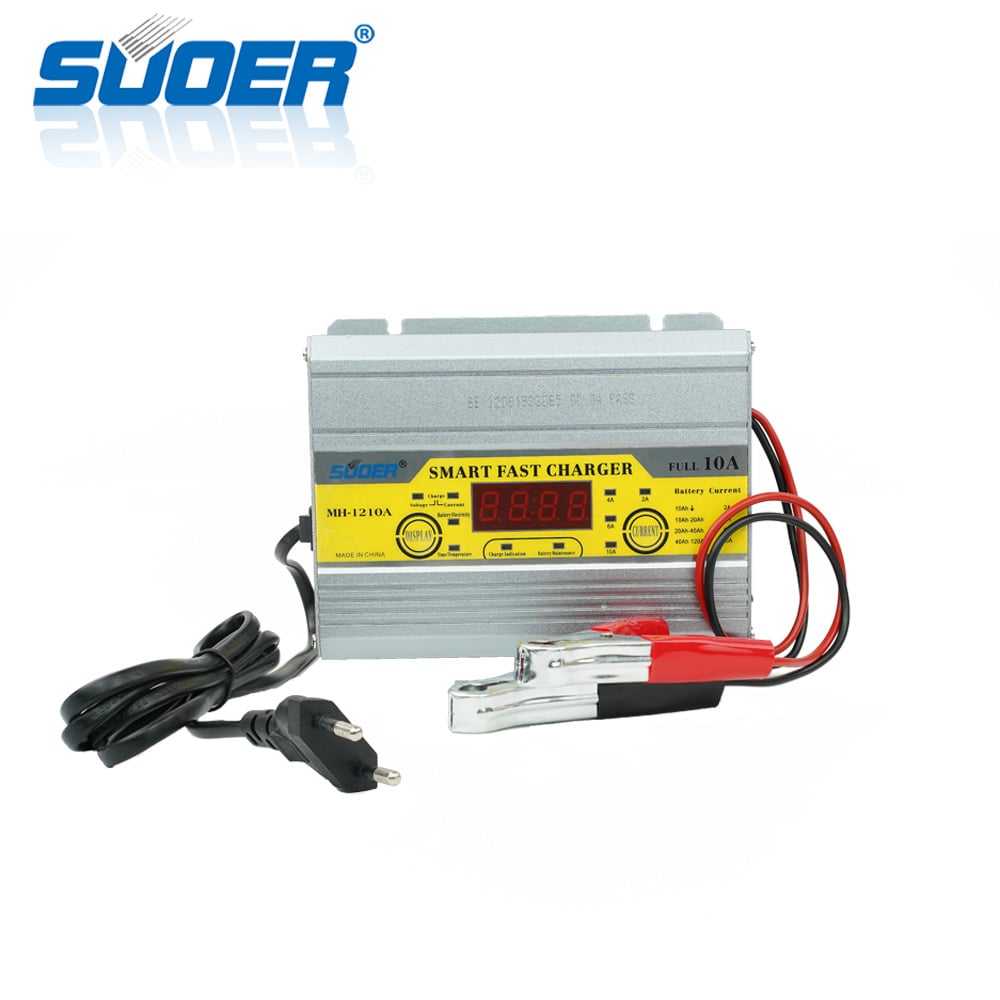
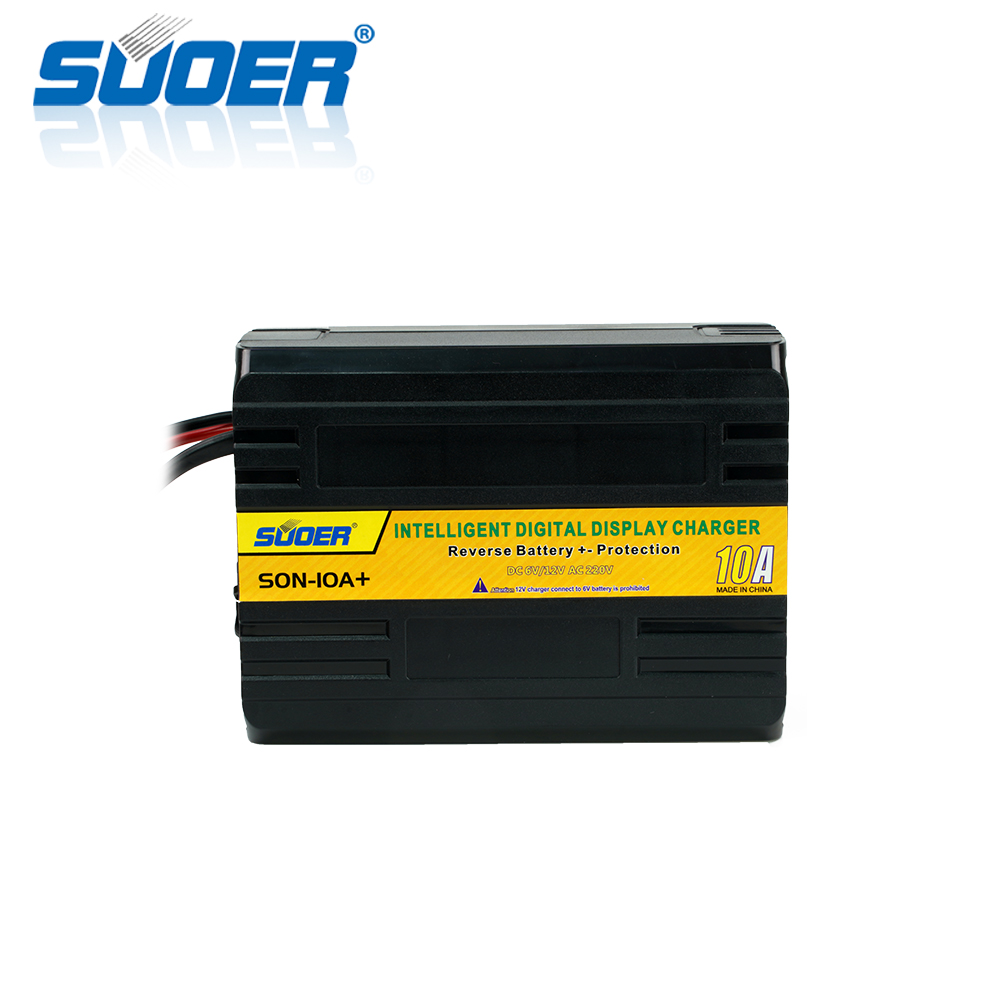
When evaluating different Suoer solar powered battery charger options, buyers should compare various models based on their technical specifications and applications. Key aspects to consider include:
Power Rating: Look for chargers with power ratings that meet your specific energy needs. This may vary based on the size of the battery bank or the devices being charged.
Voltage Compatibility: Ensure the charger is compatible with the voltage of your batteries. Mismatched voltage can lead to inefficient charging or damage.
Charging Speed: Some chargers come with advanced features for faster charging. Determine the acceptable charging time for your operations to select a model that aligns with your requirements.
Portability and Installation: Depending on your application, you may need a portable charger or one that can be fixed in place. Evaluate the installation process and whether it requires additional support structures.
User Interface and Monitoring: Models with built-in monitoring systems can provide real-time data on charging status and battery health, which is a valuable feature for operational efficiency.
When considering specifications for solar powered battery chargers, focus on the following:
Panel Type: Different solar panel types (monocrystalline, polycrystalline, or thin film) have varying efficiencies and costs. Monocrystalline panels generally offer higher efficiency rates but at a higher price point.
Battery Type Compatibility: Ensure the charger is suitable for the type of batteries you plan to use (e.g., lead-acid, lithium-ion). Each battery type may require specific charging profiles.
Input and Output Ratings: Check the inverter with battery charger input (solar panel) and output (battery) ratings to ensure they match your system requirements.
Durability Ratings: Look for chargers with IP ratings that indicate resistance to dust and moisture, especially if they will be used outdoors.
Warranty and Support: A comprehensive warranty and access to customer support can be crucial for long-term investments, ensuring that you have assistance if issues arise.
When considering bulk orders of Suoer solar powered battery chargers, focus on these comparison points:
Minimum Order Quantities (MOQ): Determine if the supplier has an MOQ that aligns with your needs. This can impact your purchasing decisions and overall cost.
Pricing Structure: Analyze pricing tiers based on quantity. Bulk purchases often come with discounts, so ensure you understand the pricing model and any additional costs for shipping or handling.
Lead Times: Confirm the lead time for bulk orders and whether the supplier can meet your project deadlines. Delays can affect your operations significantly.
Customization Options: If your application requires specific features, inquire about the possibility of customizing chargers to meet your needs. This may include branding, specific connectors, or additional functionalities.
Supplier Reliability: Research the supplier’s reputation, including reviews from other B2B customers. Understanding their track record can help mitigate risks associated with bulk purchases.
To source high-quality Suoer solar powered battery chargers for wholesale, consider the following avenues:
Established Manufacturers: Partnering with manufacturers specializing in solar technology can ensure access to quality products. Evaluate their certifications and production capabilities to ensure they meet your standards.
Industry Trade Shows: Attending trade shows can provide opportunities to meet suppliers, view products, and negotiate deals directly. This face-to-face interaction can enhance trust and facilitate better understanding of products.
Online Marketplaces: Platforms focusing on B2B transactions can be valuable for comparing options and finding suppliers that offer competitive pricing and quality.
Local Distributors: Working with local distributors can reduce shipping times and costs. They may also provide valuable insights into local market needs and trends.
Networking within Industry Associations: Engaging with industry associations can lead to recommendations for reputable suppliers and insights into emerging technologies and products.
By focusing on these aspects, businesses can effectively navigate the selection and procurement of lithium battery chargers, ensuring they choose products that meet their operational needs while aligning with sustainability goals.

Discover Suoer’s premium range of solar inverters and power inverters designed for reliable renewable energy solutions.Trusted by customers worldwide for exceptional performance and durability.
Suoer Industrial Zone, Ercun Road Section, Yanfeng Avenue, Shishan Town,Foshan city,Guangdong Province,China
Copyright © 2024 Foshan Suoer Electronic Industry Co., Ltd. Privacy Policy - Blog
 EN
 AR
 NL
 FR
 DE
 EL
 IT
 JA
 KO
 PT
 RU
 ES
 VI
 TH
 TR
 BG
 HR
 CS
 NO
 PL
 TL
 ID
 SR
 UK
 SQ
 HU
 MT
 AF
 MS
 IS
 HY
 AZ
 BN
 BS
 GU
 LO
 LA
 MN
 NE
 TA