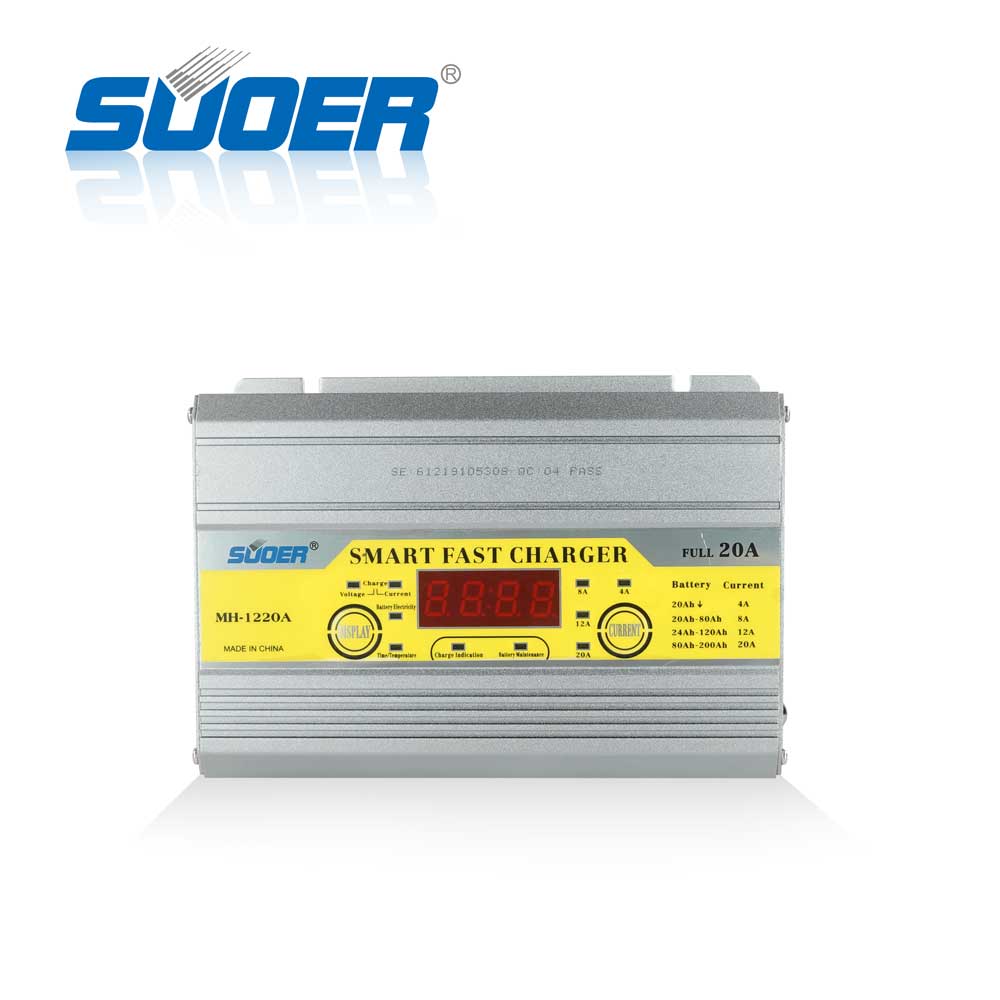
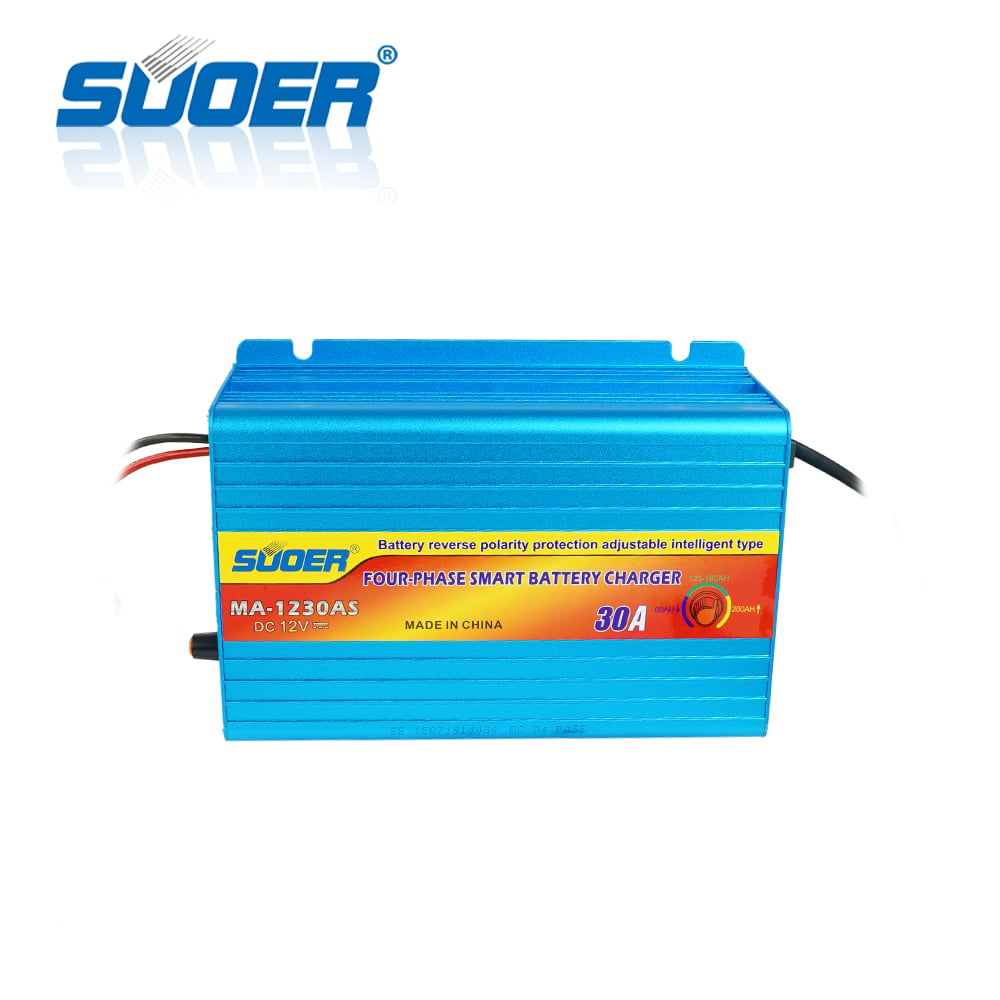
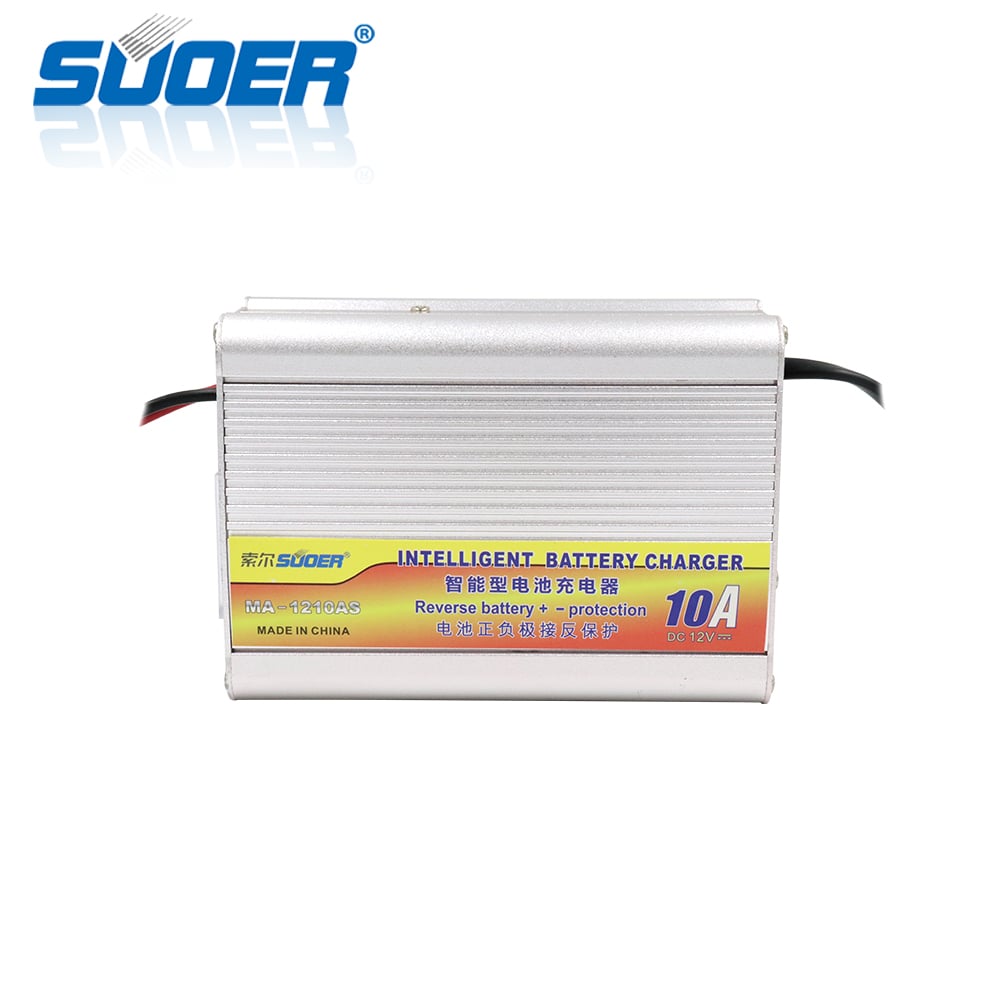
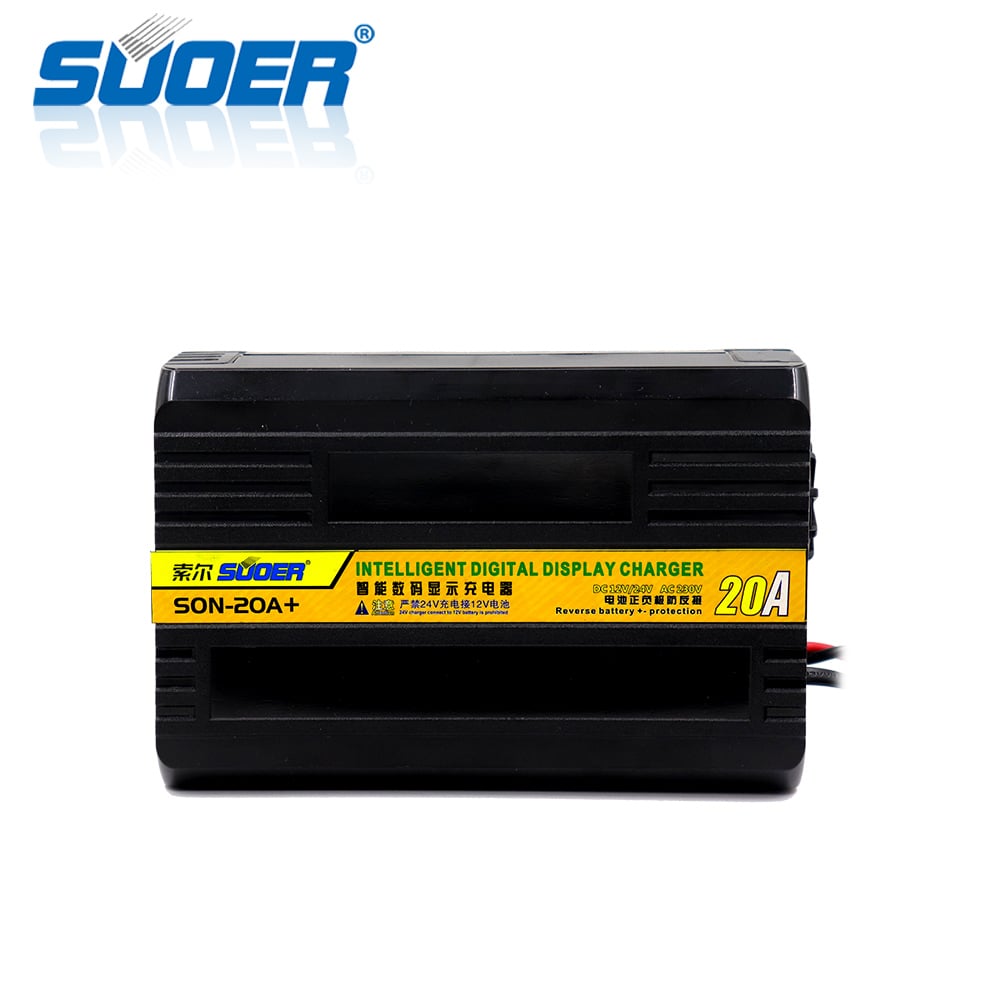
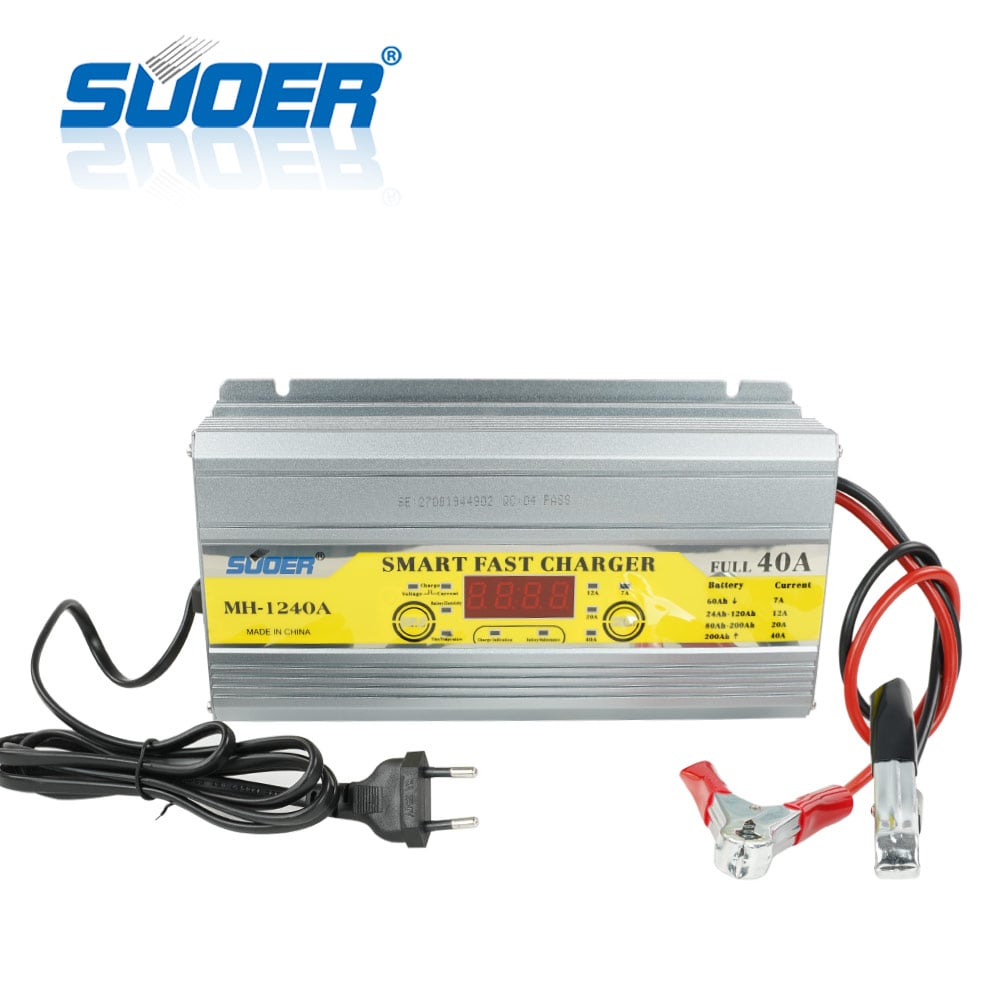
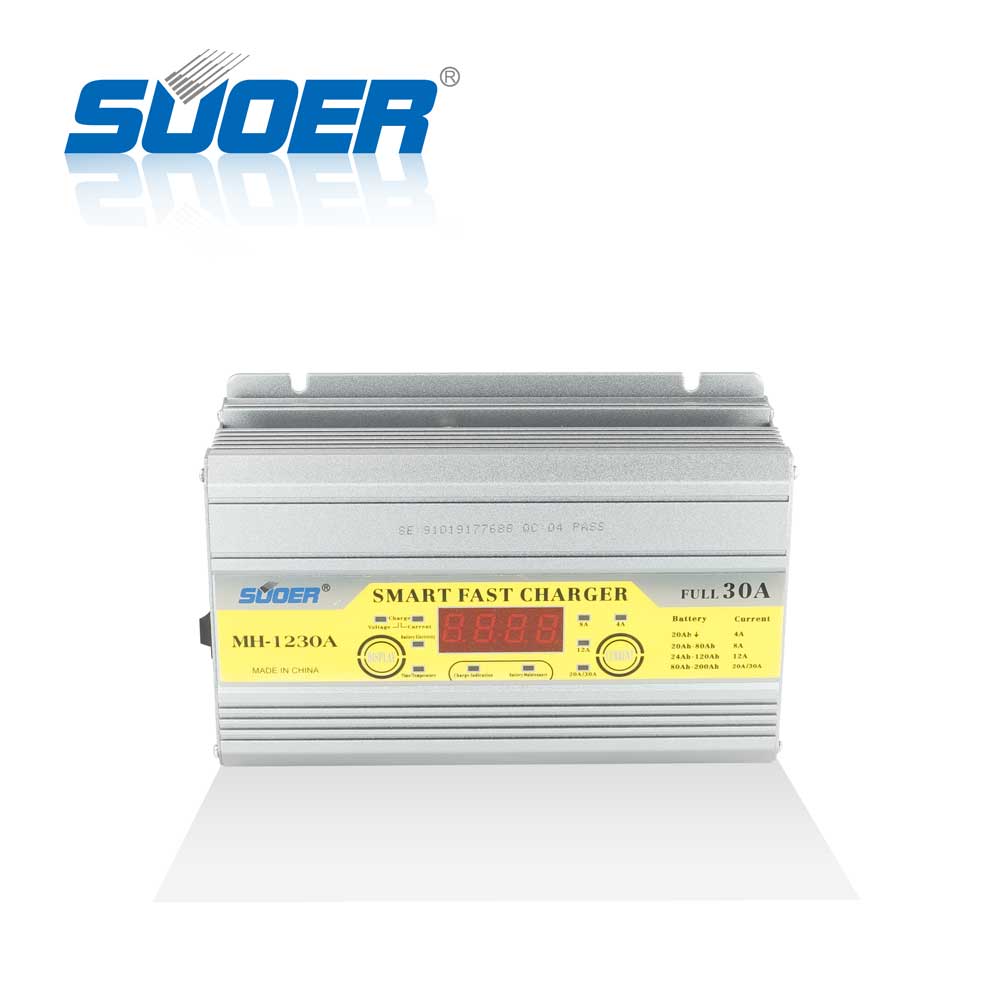
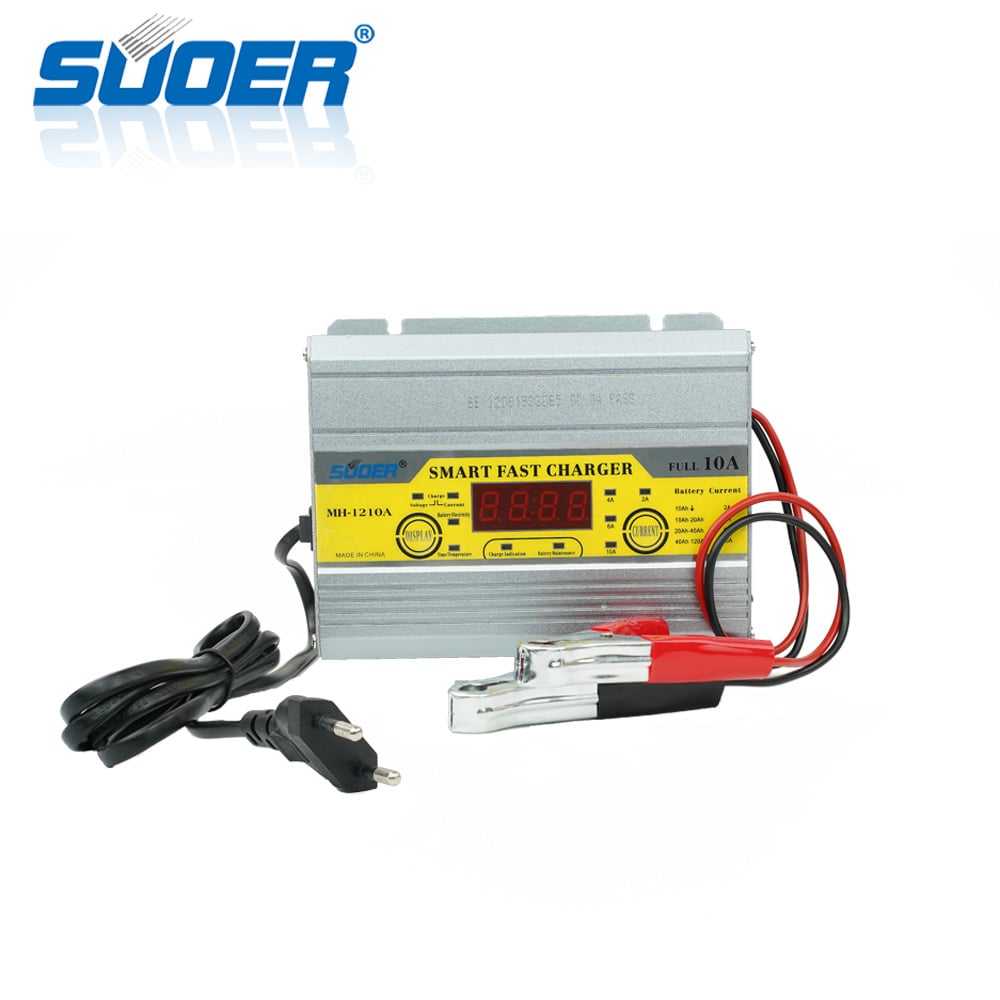
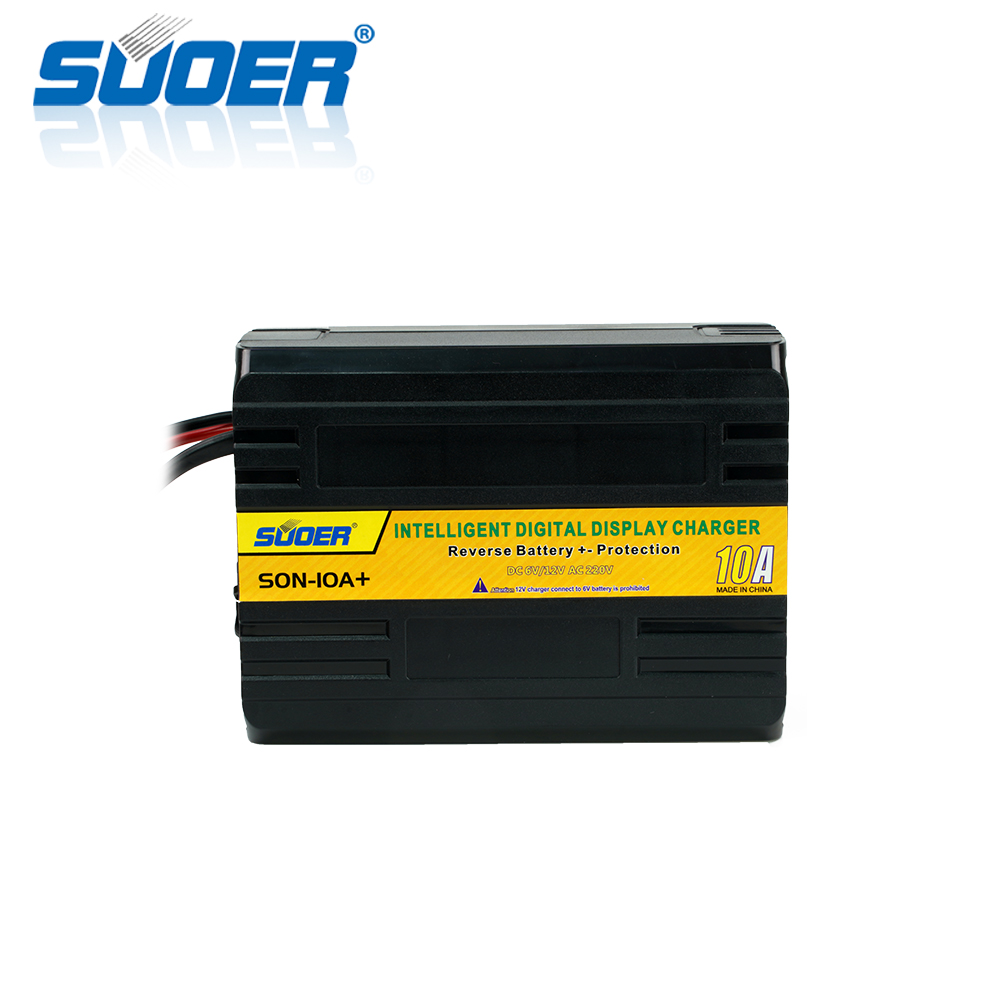
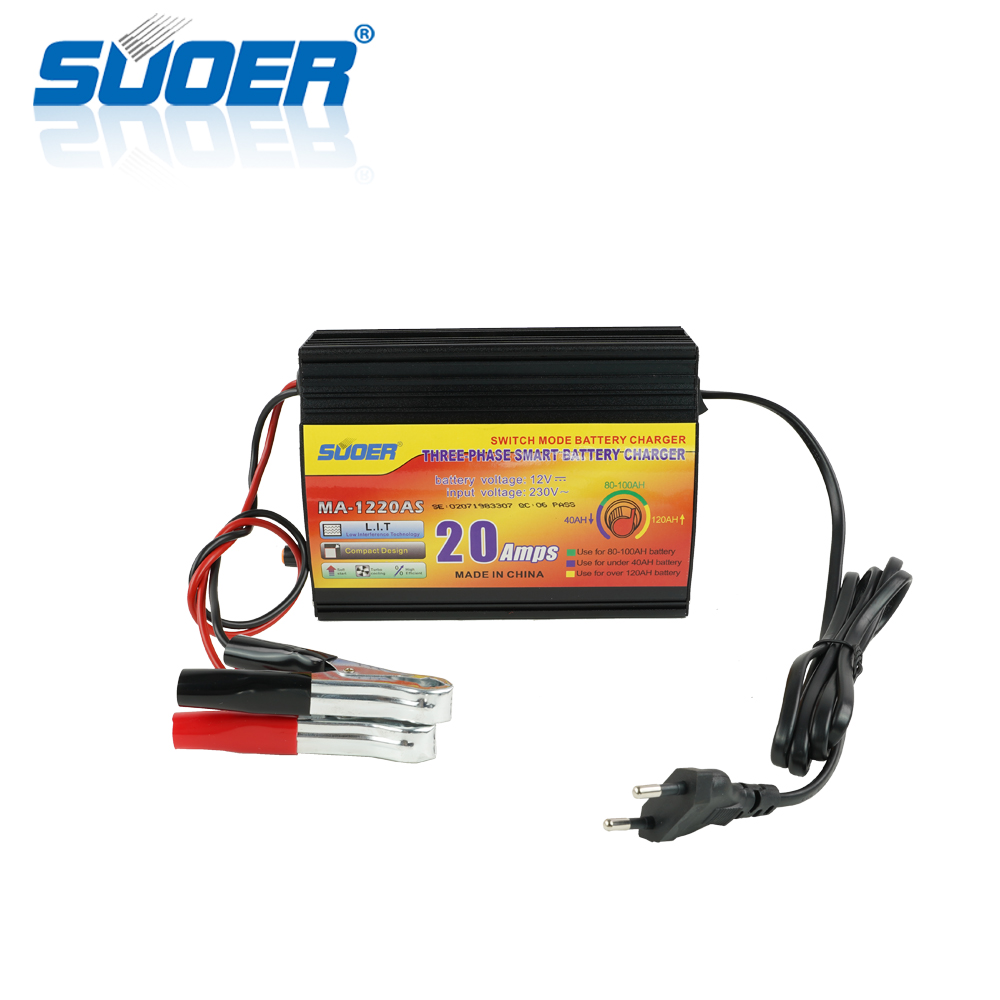
Choosing the right Lifep04 battery charger is crucial for businesses involved in electric vehicle and renewable energy solutions. As a key component in the power supply ecosystem, these chargers ensure efficient energy transfer and optimal battery performance. This article will provide insights into selecting Lifep04 battery chargers, addressing common concerns for B2B buyers, such as quality, features, and cost-effectiveness. By understanding these elements, purchasing managers, engineers, and distributors can make informed decisions that align with their operational needs.
When selecting a Lifep04 battery charger for wholesale, several factors should be prioritized. First, consider the charger's compatibility with the specific Lifep04 battery models you intend to use. Compatibility ensures that the charger can efficiently manage the charging cycle, which directly impacts battery life and performance.
Next, evaluate the charger's output specifications, including voltage and current ratings. These specifications should match the requirements of your battery systems to prevent issues such as overcharging or insufficient charging, which can lead to reduced battery lifespan or even failure.
Additionally, look into the charger's safety features. High-quality Lifep04 battery charger often include protections against overvoltage, overcurrent, and short circuits. These features are essential for preventing damage to both the charger and the batteries during operation.
Finally, consider the manufacturer's reputation and certifications. Products that comply with standards like CE and ISO9001 often reflect a commitment to quality and safety, which can be crucial in ensuring reliability in your operations.
The features of a Lifep04 battery charger can significantly affect its cost and overall quality. Key features to look for include:
Smart Charging Technology: This technology optimizes the charging process by adjusting the current and voltage based on the battery's state. It enhances charging efficiency and prolongs battery life.
Durability and Build Quality: A well-constructed charger made from high-quality materials can withstand the rigors of industrial use, making it a better investment in the long run.
User Interface: An intuitive user interface can facilitate easier monitoring and control, reducing the likelihood of user error during operation.
In terms of cost, it's essential to balance price with quality. While cheaper options may seem attractive initially, they often lack the reliability and features that justify a higher investment. Consider the total cost of ownership, which includes potential maintenance costs or early replacements, when evaluating your options.
Quality control processes during manufacturing also play a critical role in the performance and longevity of Lifep04 battery chargers. Manufacturers with robust quality assurance protocols are more likely to produce reliable products, minimizing the risk of failures in the field.
Despite their advantages, Lifep04 battery chargers can present common issues that buyers should be aware of. One frequent problem is overheating, which can stem from inadequate ventilation or prolonged use. To mitigate this, ensure that chargers are used in well-ventilated areas and monitor their temperature during operation.
Another issue is the failure to charge batteries fully. This can be caused by mismatched charger specifications or faulty connections. Before purchasing, confirm the charger's compatibility with your solar battery charger models and inspect all connectors for signs of wear or damage.
Lastly, software or firmware issues can lead to unexpected behavior in smart chargers. Regular updates from the manufacturer can help address these problems and improve functionality. Buyers should inquire about the availability of technical support and firmware updates when selecting a supplier.
When preparing to purchase Lifep04 battery chargers, compiling accurate and thorough information is crucial to facilitate a smooth procurement process. Here’s a buyer’s guide to help you prepare:
Product Specifications: Clearly define the required voltage, current specifications, and compatibility with your existing battery systems.
Quantity: Determine the number of chargers needed based on your operational demands, considering potential future growth or expansion.
Customization Requirements: If your application has specific needs, clarify any customization options available with the manufacturer. This could include unique connectors or firmware.
Packaging and Shipping: Specify your preferences for packaging, as it can affect logistics and storage. Additionally, confirm lead times for shipping, especially for bulk orders.
Having this information on hand will facilitate meaningful discussions with suppliers, helping to ensure that you receive a product that meets your operational requirements.
Cost factors for Lifep04 battery chargers can vary widely based on several elements. When considering bulk orders, the following factors should be taken into account:
Volume Discounts: Many manufacturers offer price breaks for larger orders. It's beneficial to inquire about bulk pricing as it can significantly reduce the unit cost.
Customization Costs: If you require specific features or modifications, be prepared for potential additional charges. Discuss these upfront to avoid surprises.
Shipping Costs: The delivery location and method can impact overall costs. Consider logistics in your budgeting, especially with international orders.
Warranty and Support: A longer warranty period may come with a higher price but can also provide peace of mind. Evaluate the support options available, as ongoing support can save costs in the long run.
Understanding these cost factors will enable you to make informed decisions that align with your budget and operational needs, ensuring a fruitful partnership with your supplier.
By considering these aspects, buyers can navigate the complexities of sourcing Lifep04 lithium battery charger and ensure that they select products that enhance their operational efficiency and reliability.

Discover Suoer’s premium range of solar inverters and power inverters designed for reliable renewable energy solutions.Trusted by customers worldwide for exceptional performance and durability.
Suoer Industrial Zone, Ercun Road Section, Yanfeng Avenue, Shishan Town,Foshan city,Guangdong Province,China
Copyright © 2024 Foshan Suoer Electronic Industry Co., Ltd. Privacy Policy - Blog

 EN
 AR
 NL
 FR
 DE
 EL
 IT
 JA
 KO
 PT
 RU
 ES
 VI
 TH
 TR
 BG
 HR
 CS
 NO
 PL
 TL
 ID
 SR
 UK
 SQ
 HU
 MT
 AF
 MS
 IS
 HY
 AZ
 BN
 BS
 GU
 LO
 LA
 MN
 NE
 TA