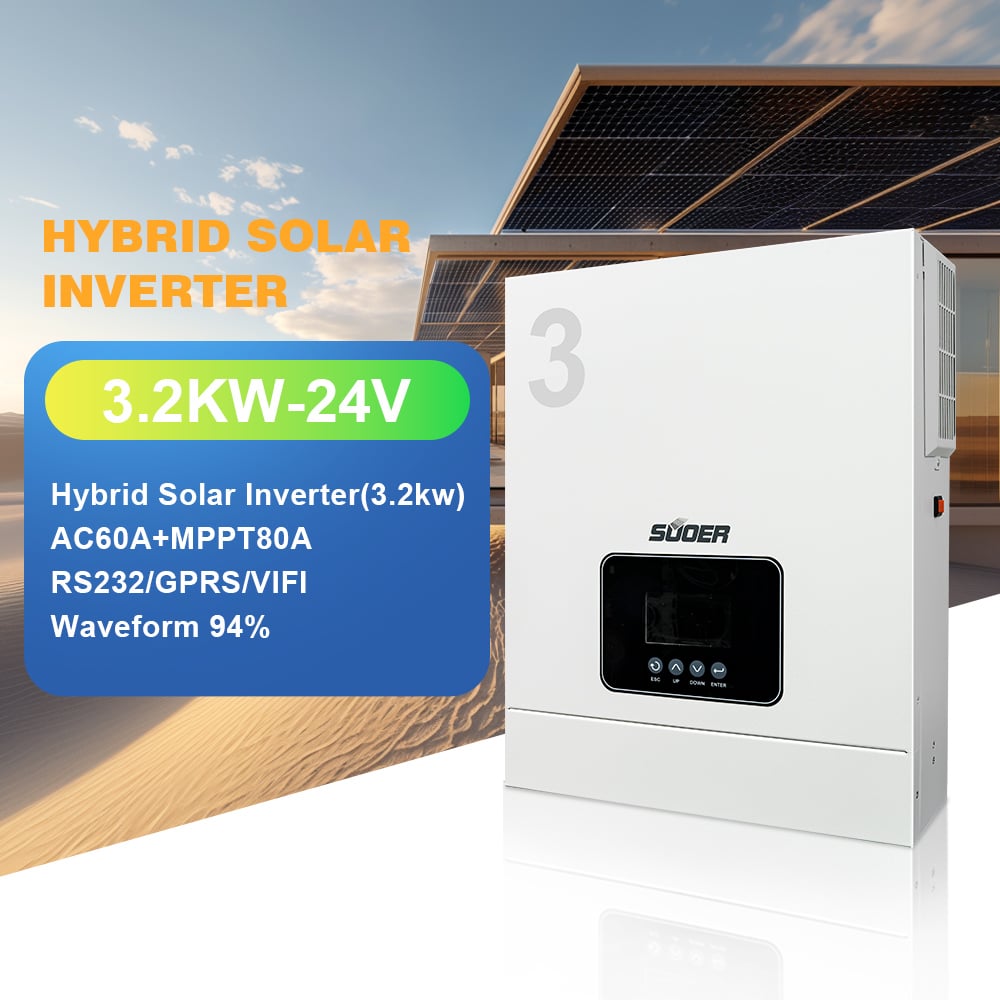
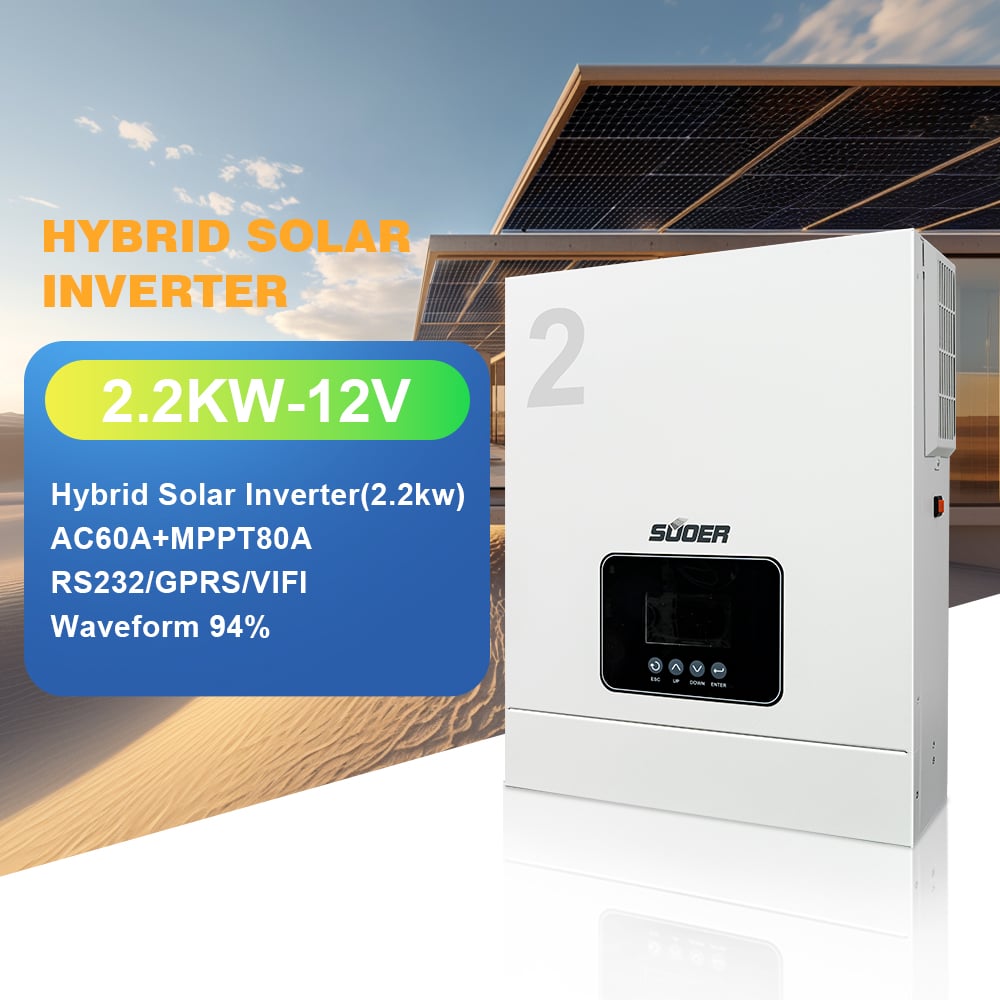
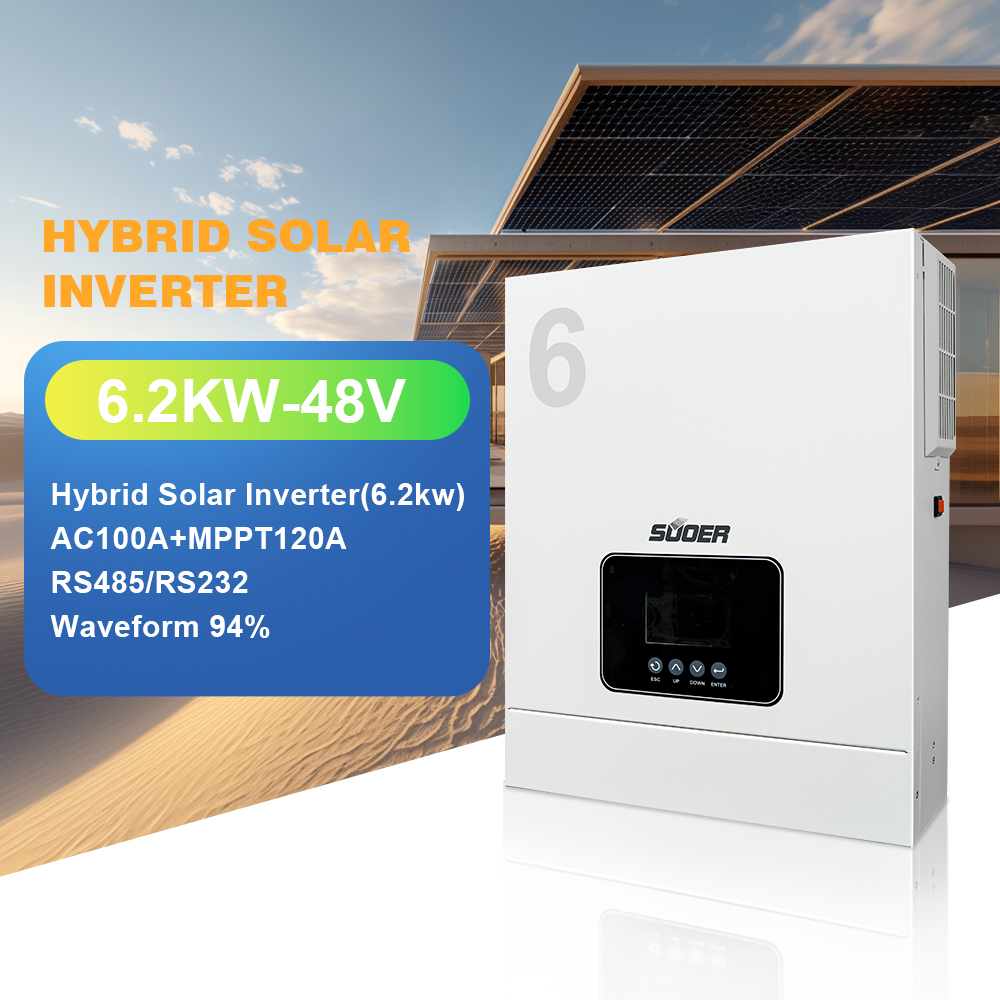
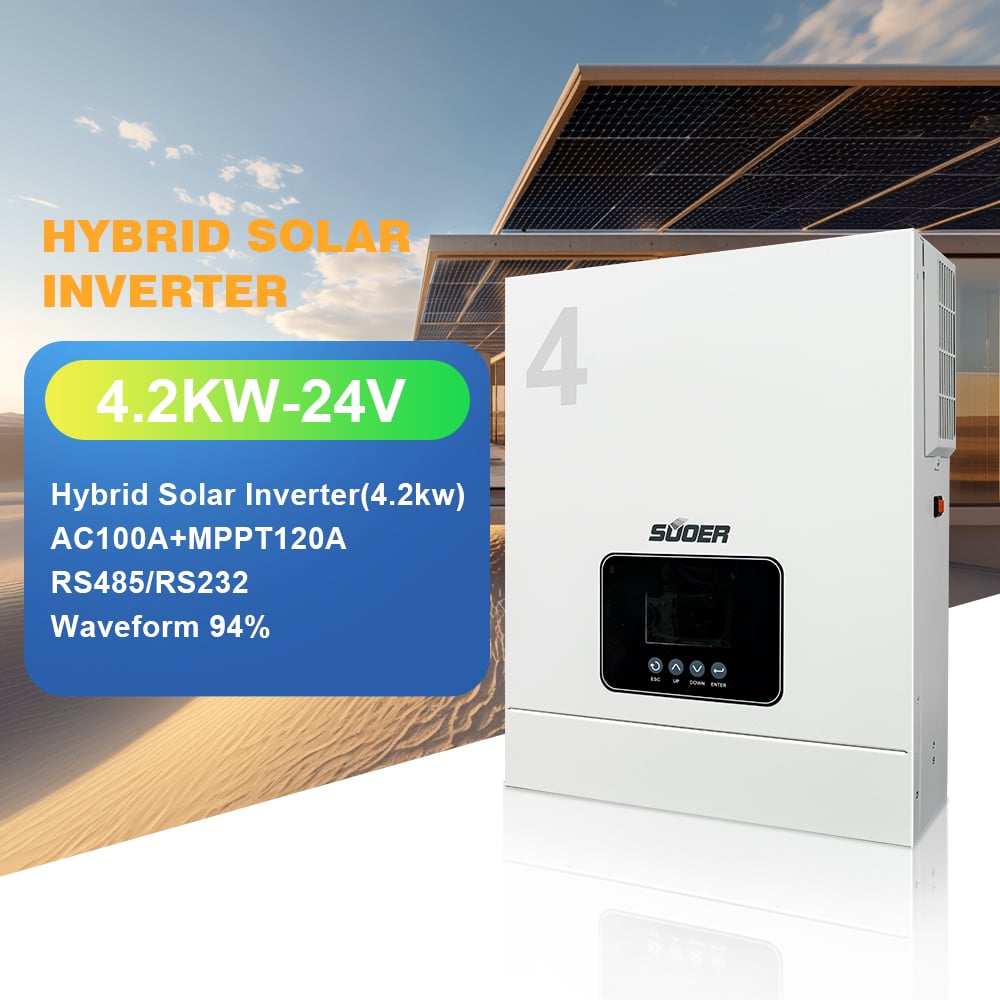
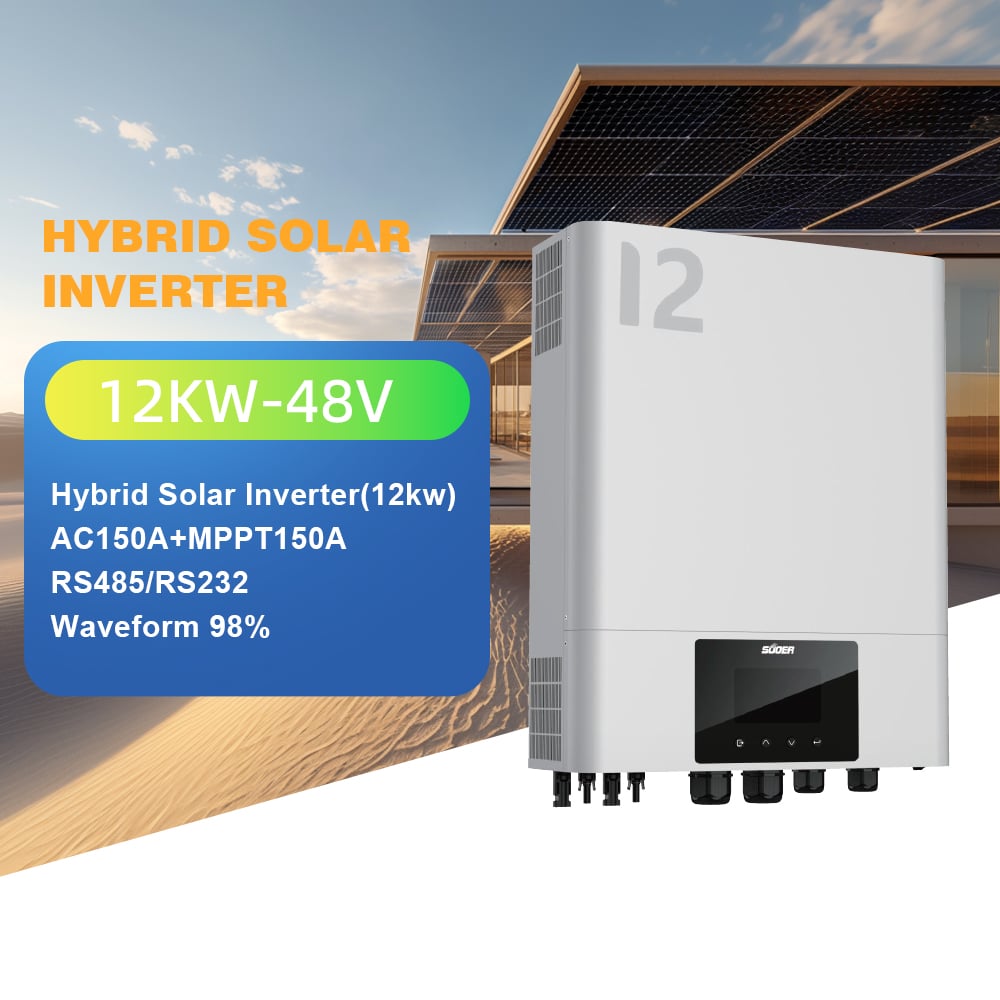
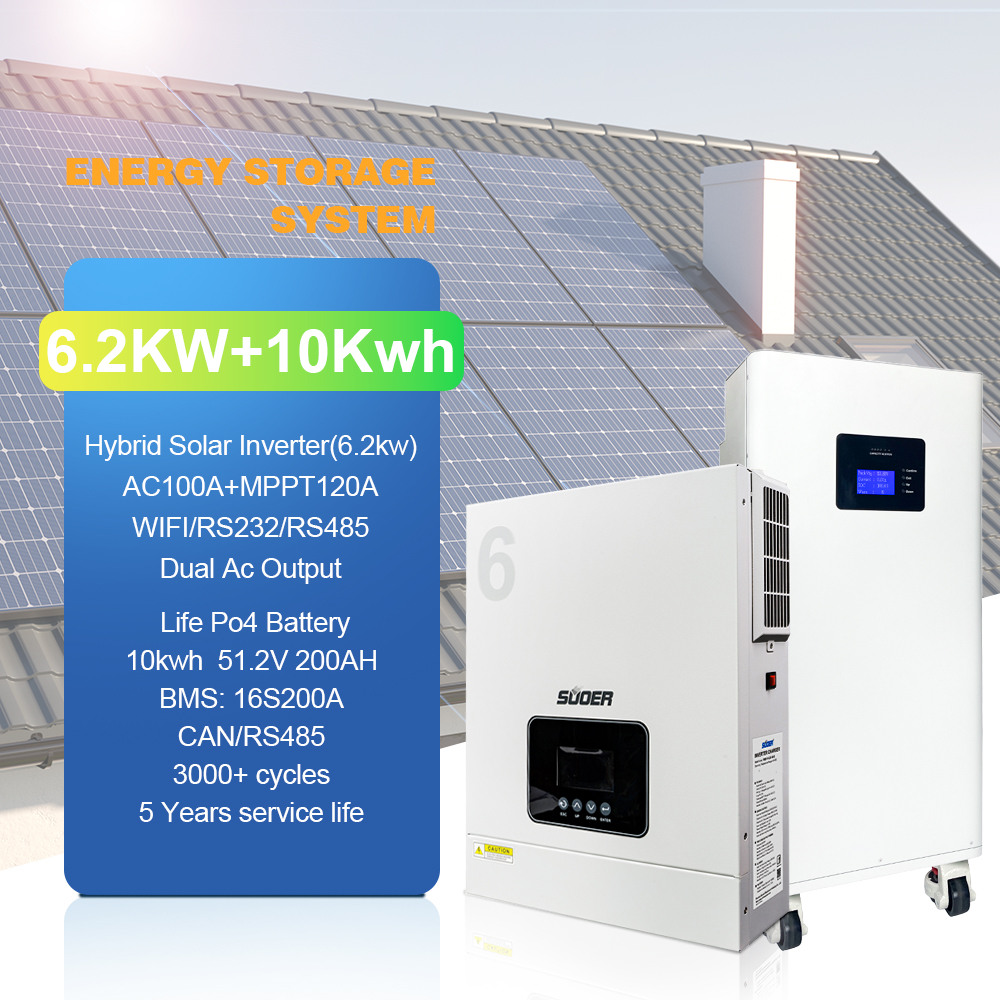
Choosing the right hybrid PV inverter is crucial for optimizing the energy efficiency of your projects, especially as the demand for renewable energy solutions continues to grow. A hybrid PV inverter integrates both solar energy and grid power, allowing for versatile energy management. This article aims to address key buyer concerns regarding specifications, quality, and cost factors, providing you with the knowledge to make informed purchasing decisions.
When selecting a hybrid PV inverter for your project, several factors come into play. First, consider the inverter’s power output capacity, measured in kilowatts (kW). This should align with your energy demands, taking into account peak loads and average daily consumption. An inverter that is too small may struggle to meet your needs, while an oversized inverter could lead to inefficiencies.
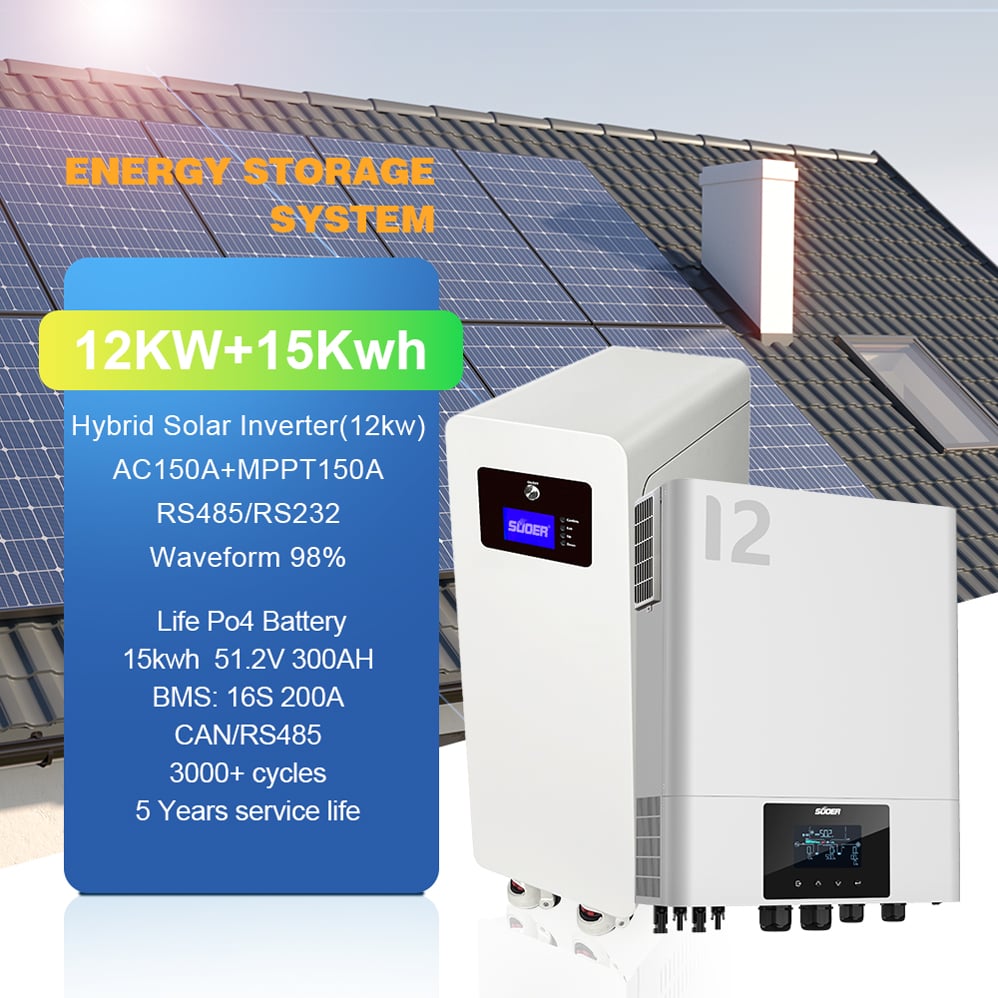
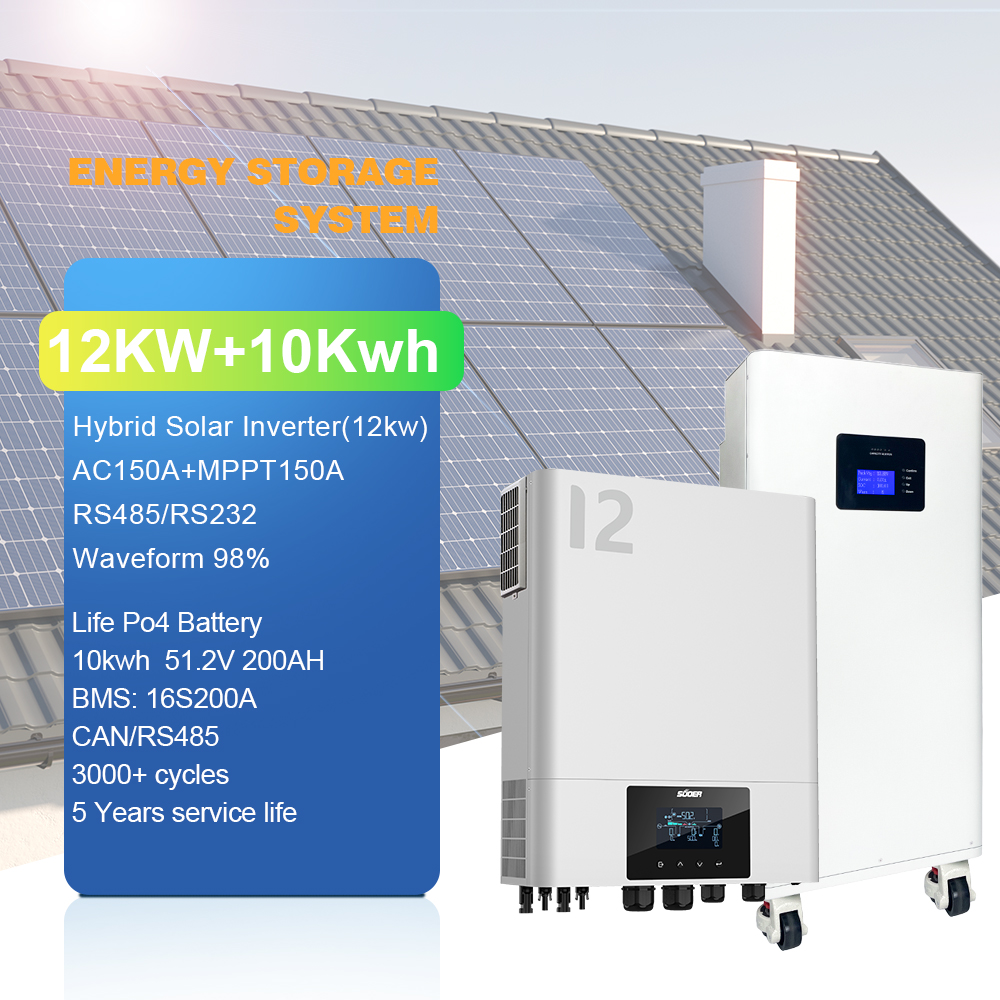
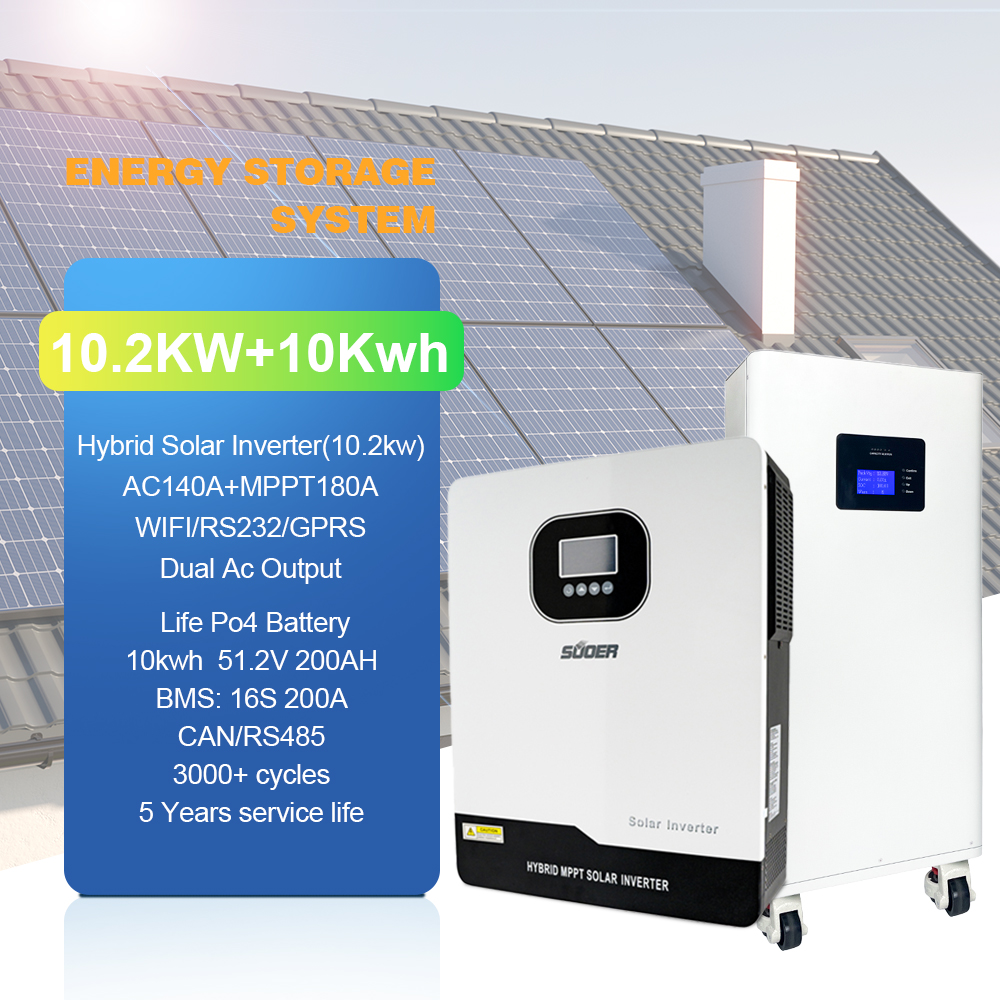
Next, evaluate the inverter's compatibility with your existing system. Ensure it can seamlessly integrate with both your solar panels and grid supply. Additionally, look for PV inverter hybrid that support multiple energy sources, including battery storage systems, which can enhance your energy flexibility.
Another critical aspect is the inverter's efficiency rating, typically expressed as a percentage. Higher efficiency ratings mean less energy loss during conversion, which is crucial for maximizing solar energy utilization. Aim for inverters with ratings above 95% to ensure optimal performance.
Lastly, consider the inverter's durability and warranty. Given the significant investment in photovoltaic systems, a robust warranty can provide peace of mind. Look for inverters that are rated for various environmental conditions, ensuring they can withstand temperature fluctuations, humidity, and dust exposure.
When preparing to purchase a hybrid PV inverter, gather comprehensive information to facilitate an effective request for quotation (RFQ). Key details to include are:
Type of Inverter: Specify whether you require a grid-tied, off-grid, or hybrid inverter.
Power Rating: Indicate the required power output in kW.
System Compatibility: Provide information on the existing solar panel specifications and whether battery integration is needed.
Application: Clarify the intended use, whether for residential, commercial, or industrial applications.
Customization Needs: If you have specific requirements such as unique dimensions or features, outline these in your RFQ.
Quantity: Specify the number of units needed, as this will affect pricing and lead times.
Delivery Timeline: Indicate your expected timelines to ensure the supplier can meet your project deadlines.
By clearly communicating these details, you enable suppliers to provide accurate quotes and information tailored to your needs.
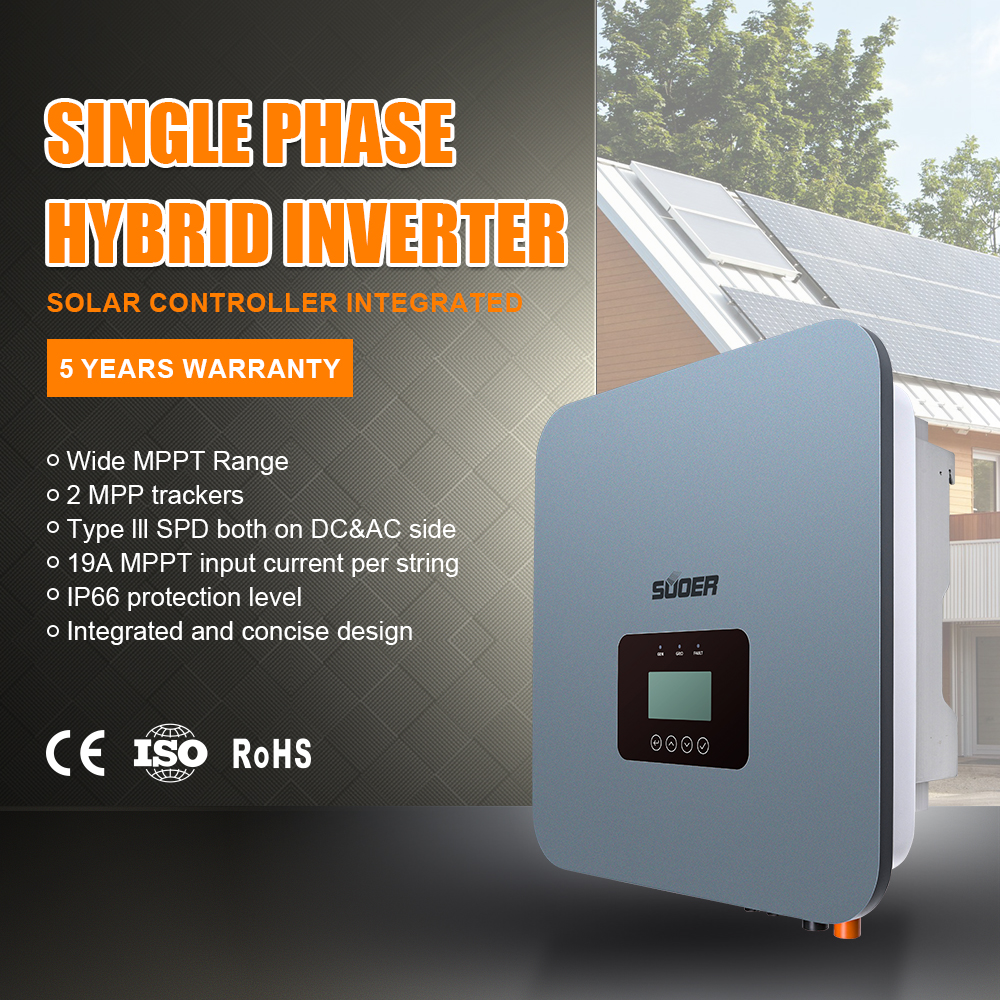
Quality evaluation is critical when sourcing hybrid PV inverters, especially for bulk orders. Start by examining the certifications the inverter holds, such as ROHS, CE, and ISO9001. These certifications indicate compliance with international safety and quality standards, providing assurance of product reliability.
Request samples before placing large orders. This step allows you to assess the physical quality of the hybrid solar inverter, including its build, materials, and operational performance. Pay attention to the specifications provided in the sample; they should align with your project requirements.
Additionally, inquire about the manufacturer's quality control processes. A reputable manufacturer should have rigorous testing protocols in place, including electronic testing, thermal imaging, and stress tests to ensure reliability under various conditions.
Consider the manufacturer's production capabilities as well. A facility with automated production lines typically ensures consistent quality and reduces the likelihood of defects. Understanding their production capacity can also help confirm their ability to fulfill bulk orders within your required timelines.
Cost is a significant factor in sourcing hybrid PV inverters, and multiple elements influence pricing. The primary cost drivers include the inverter's specifications, such as power rating and efficiency. Higher efficiency models generally come at a premium but can yield better long-term savings through energy savings.
Material costs also play a role. Inverters made with high-quality components, such as advanced semiconductors and durable enclosures, may cost more upfront but provide improved reliability and longer lifespans. Evaluate the trade-off between initial costs and potential savings over time.
Customization requirements can further affect pricing. If your project demands specific modifications, be prepared for possible increases in costs due to additional engineering and manufacturing efforts.
Lastly, consider shipping and handling costs, especially if sourcing from international suppliers. These can significantly affect the total cost of acquisition and should be factored into your budgeting.
Before finalizing a purchase of hybrid PV inverters, there are several important aspects buyers should understand. First, confirm the inverter's operational parameters, such as voltage and frequency, to ensure compatibility with your solar setup and grid supply.
Understand that while lower-priced inverters may be tempting, they could compromise on quality or efficiency. It is crucial to evaluate the total cost of ownership rather than just the purchase price. This includes maintenance costs, warranty terms, and expected lifespan.
Another consideration is the supplier's reputation and experience in the industry. Look for manufacturers that have a proven track record in the renewable energy sector, particularly those with experience supplying major vehicle OEMs and industries you operate in.
Finally, be aware of installation and maintenance requirements. Some inverters may require specialized installation techniques or ongoing maintenance, which could add to your overall project costs. Ensure that your team is equipped or trained to handle these needs to avoid unexpected complications.
Investing in a hybrid inverter is a significant decision that requires careful consideration of technical specifications, quality, and cost. By equipping yourself with the right knowledge and preparing adequately, you can ensure a successful procurement process that aligns with your renewable energy goals.

Discover Suoer’s premium range of solar inverters and power inverters designed for reliable renewable energy solutions.Trusted by customers worldwide for exceptional performance and durability.
Suoer Industrial Zone, Ercun Road Section, Yanfeng Avenue, Shishan Town,Foshan city,Guangdong Province,China
Copyright © 2024 Foshan Suoer Electronic Industry Co., Ltd. Privacy Policy - Blog

 EN
 AR
 NL
 FR
 DE
 EL
 IT
 JA
 KO
 PT
 RU
 ES
 VI
 TH
 TR
 BG
 HR
 CS
 NO
 PL
 TL
 ID
 SR
 UK
 SQ
 HU
 MT
 AF
 MS
 IS
 HY
 AZ
 BN
 BS
 GU
 LO
 LA
 MN
 NE
 TA