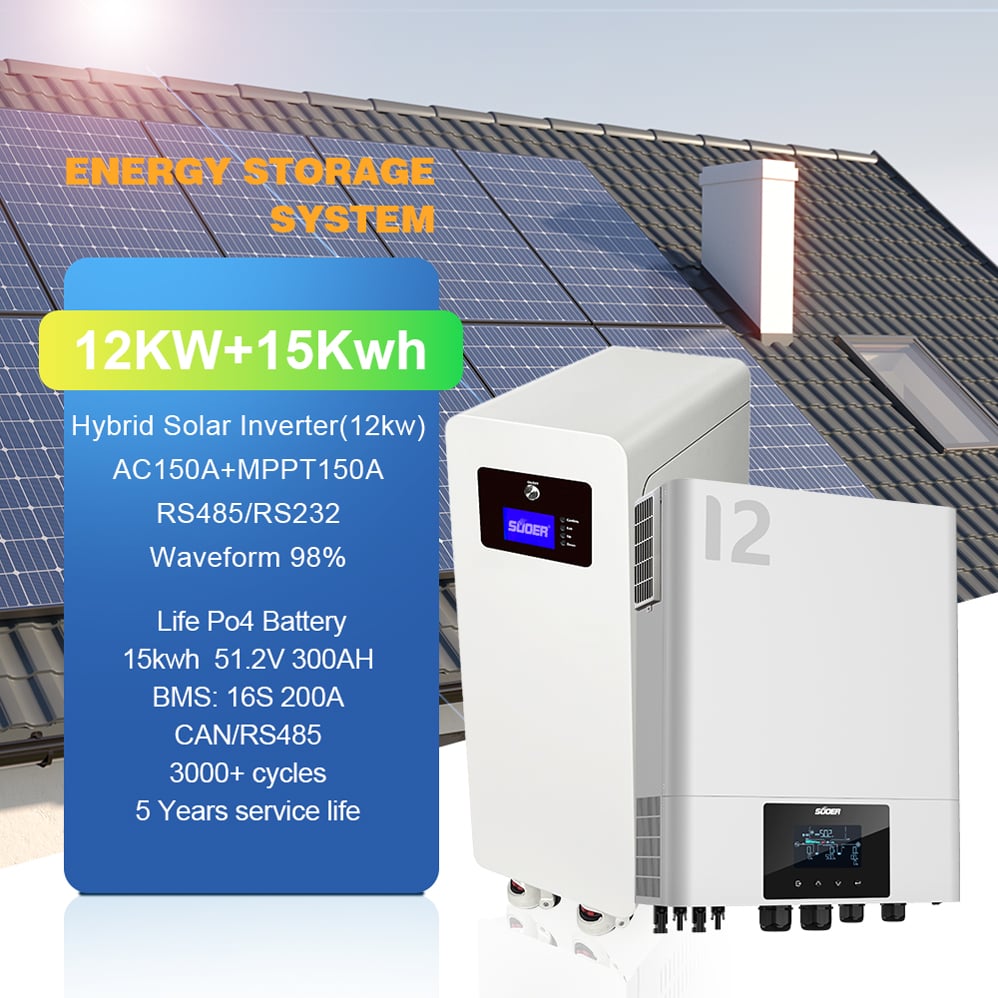
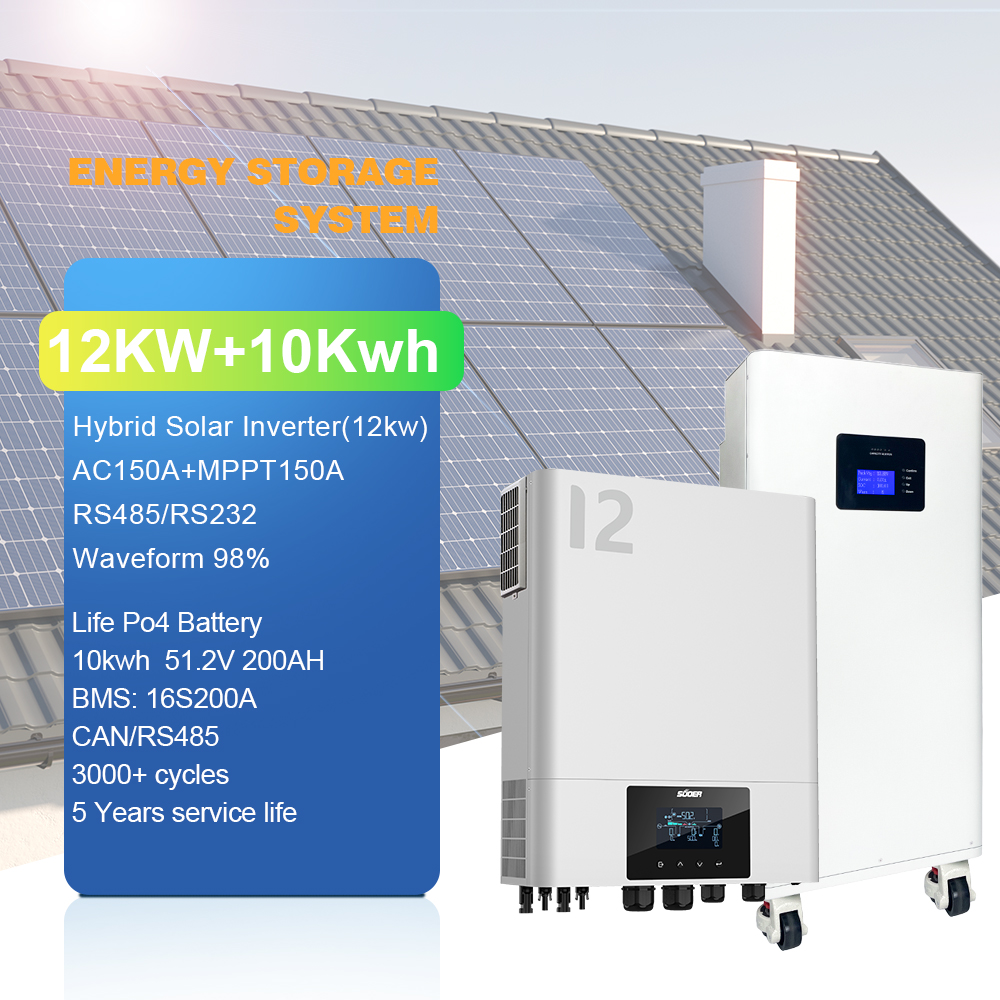
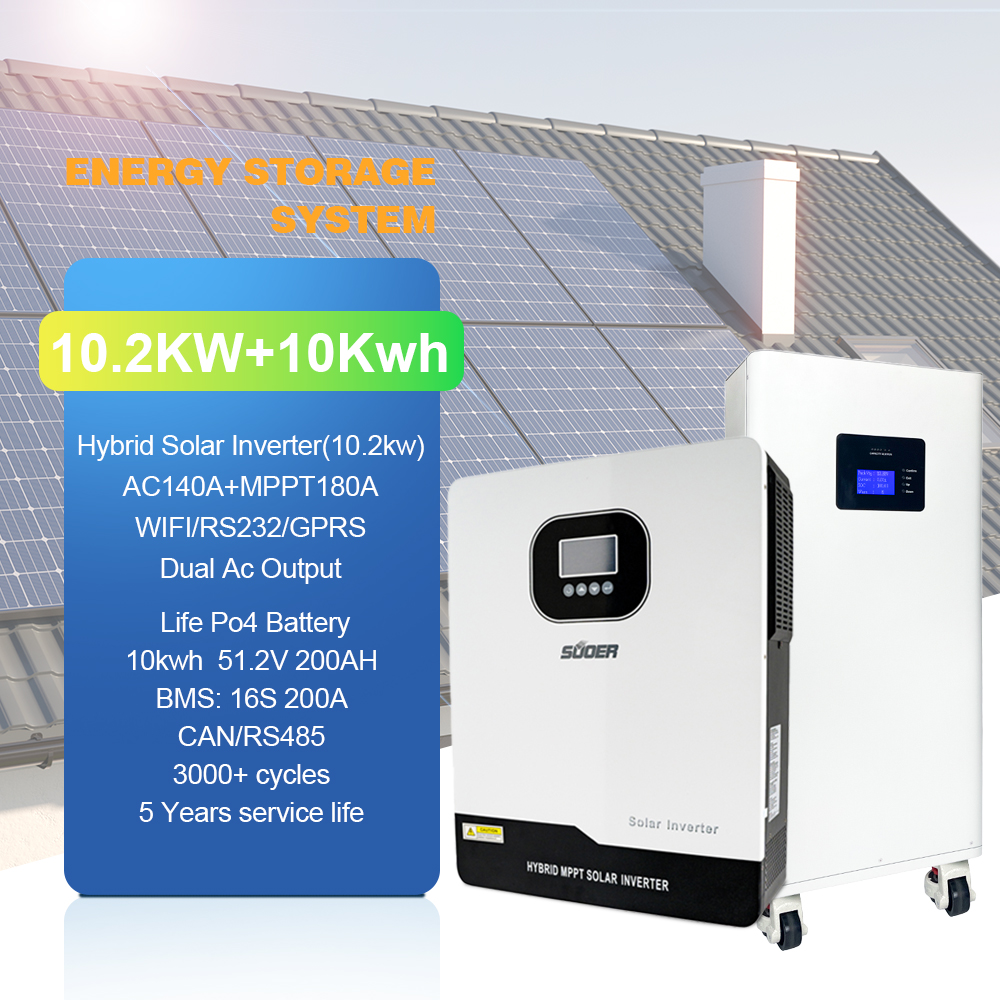
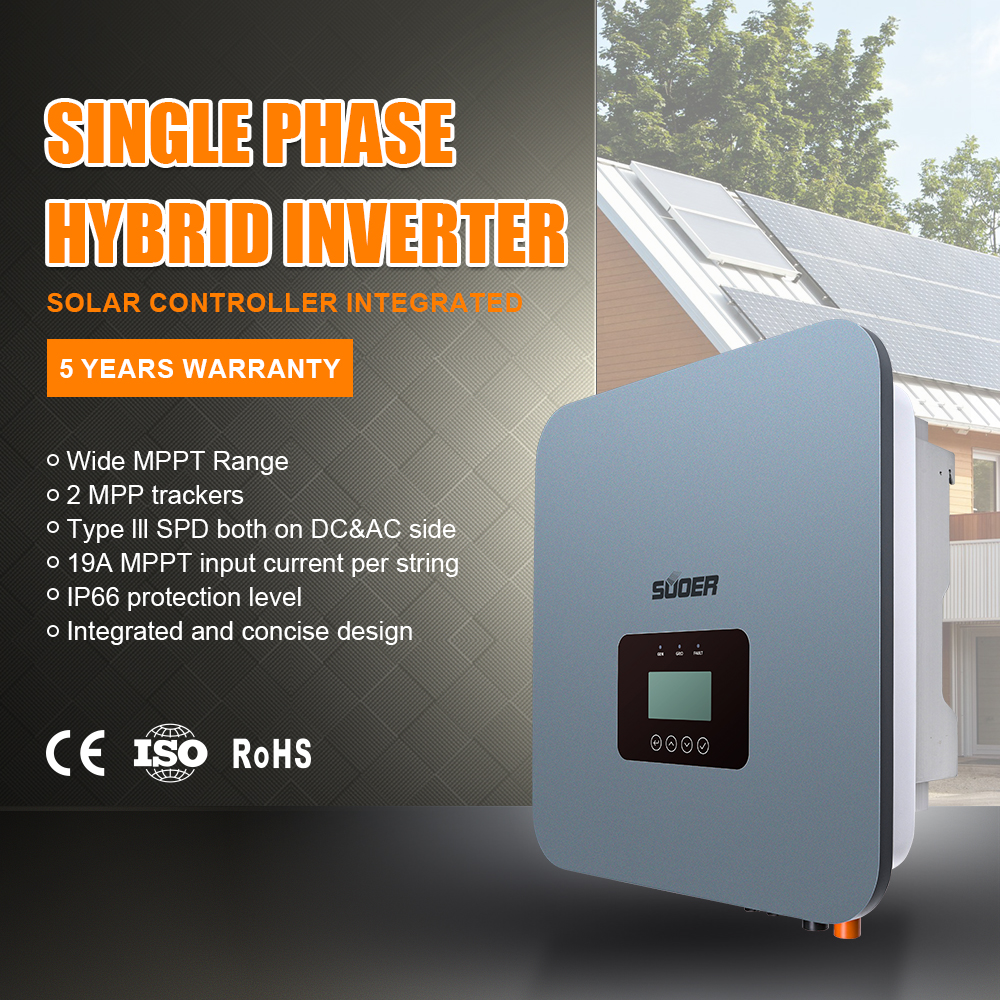
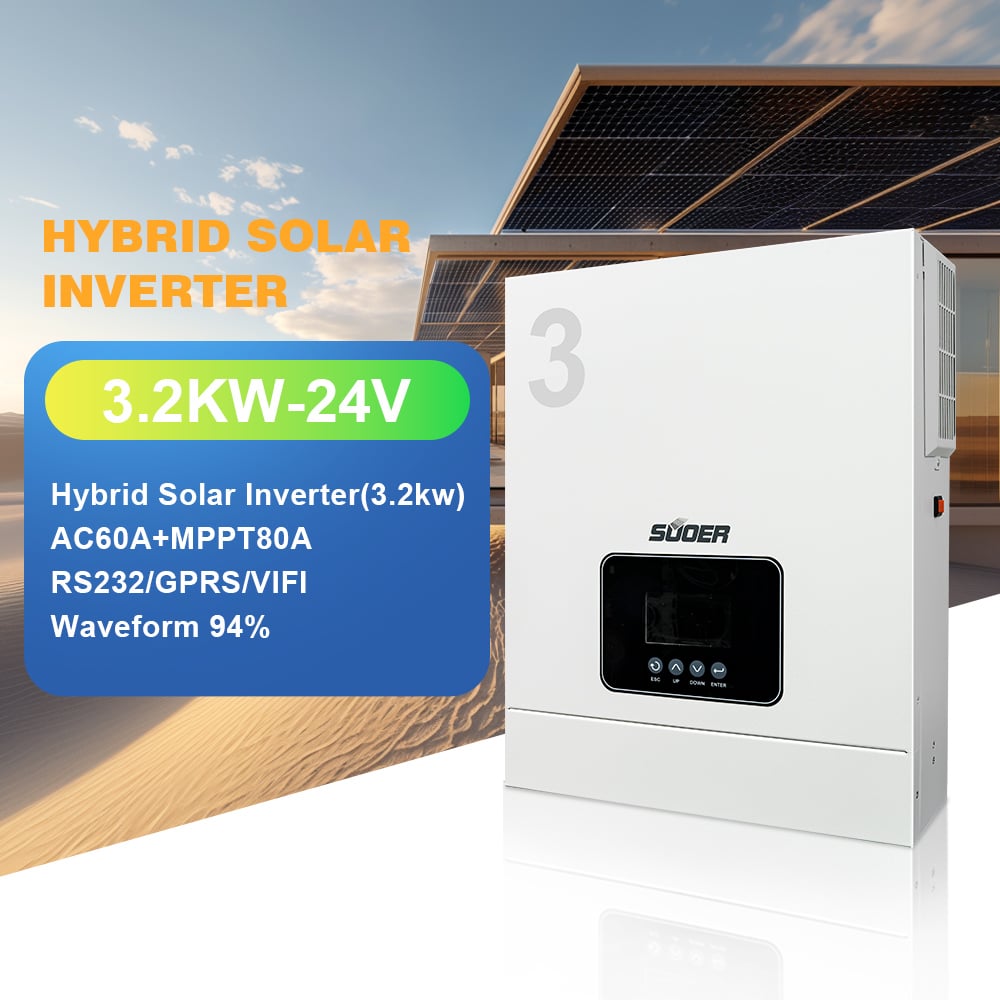
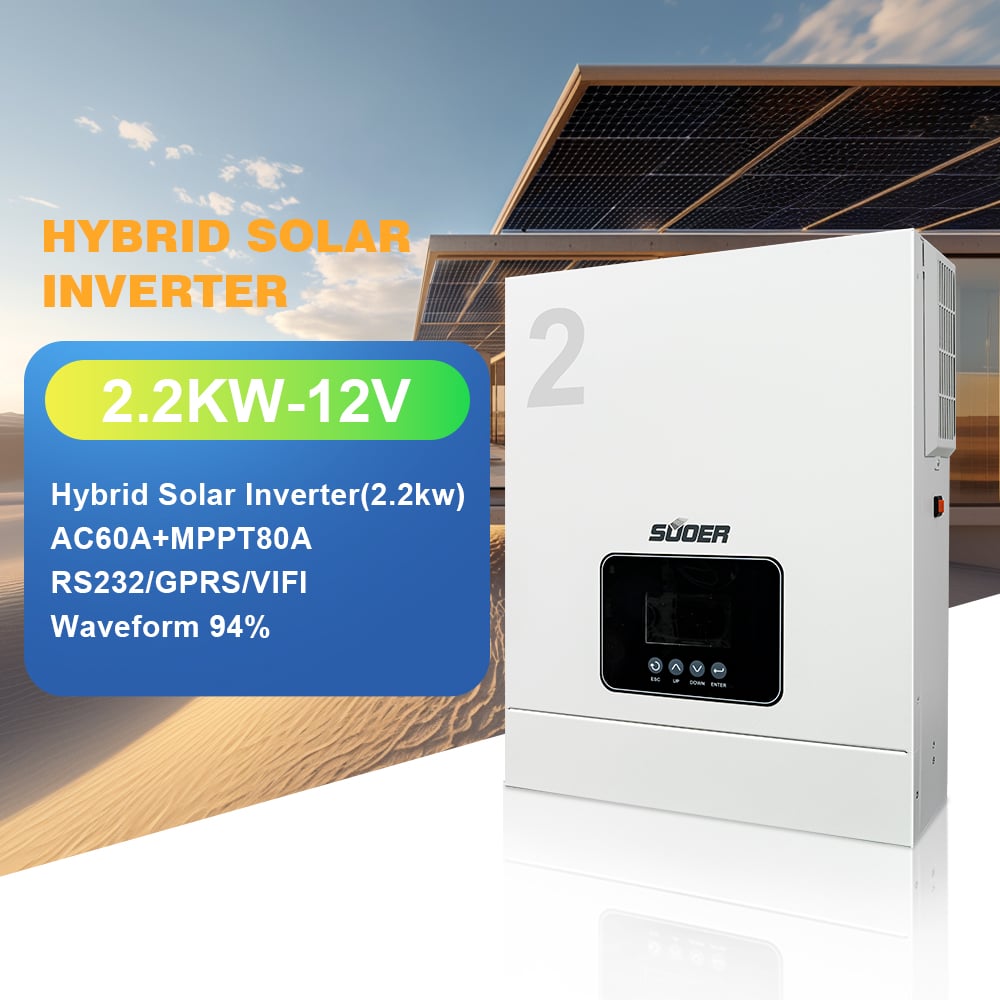
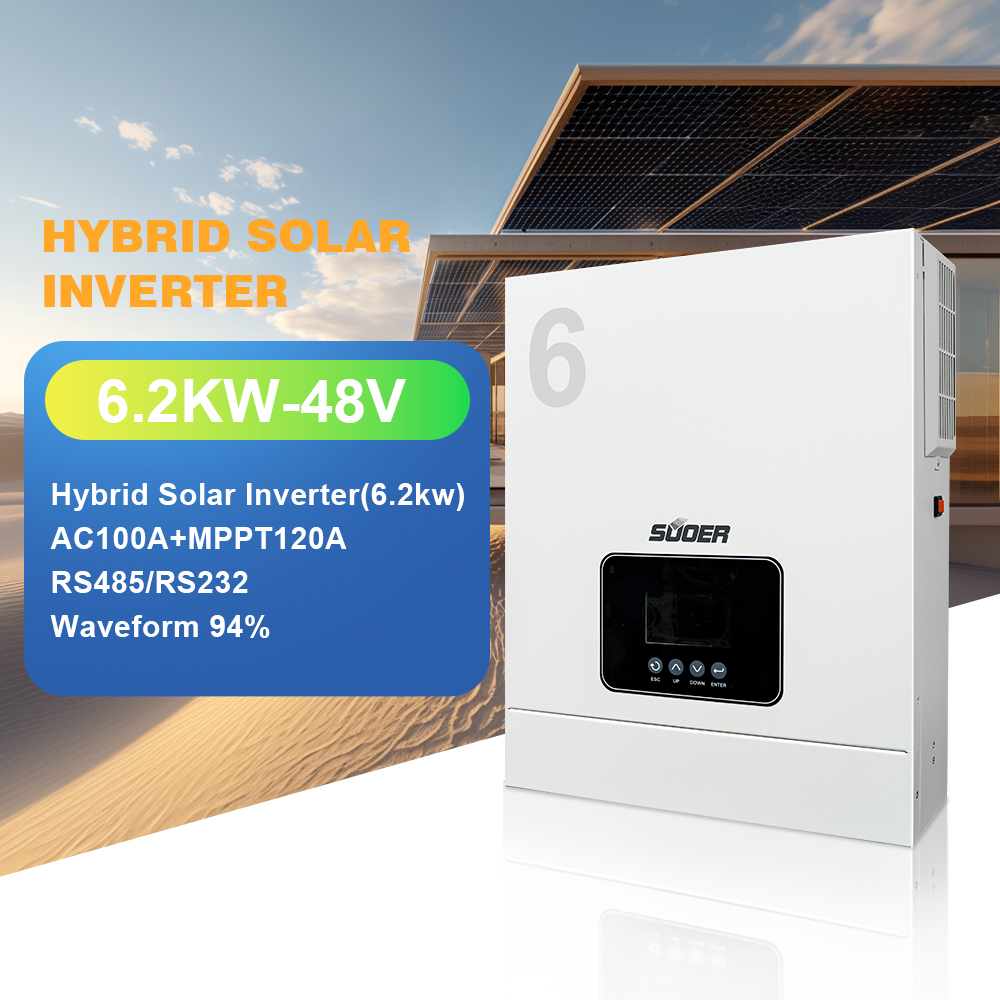
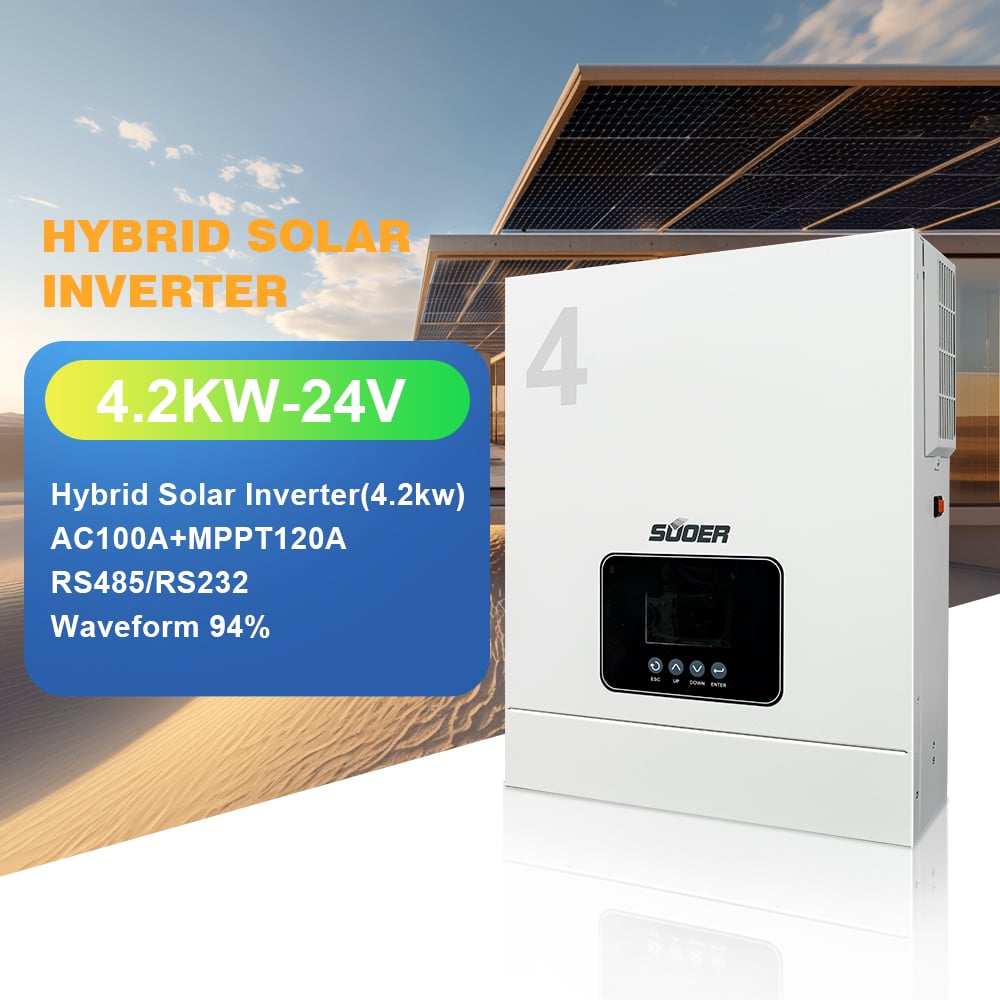
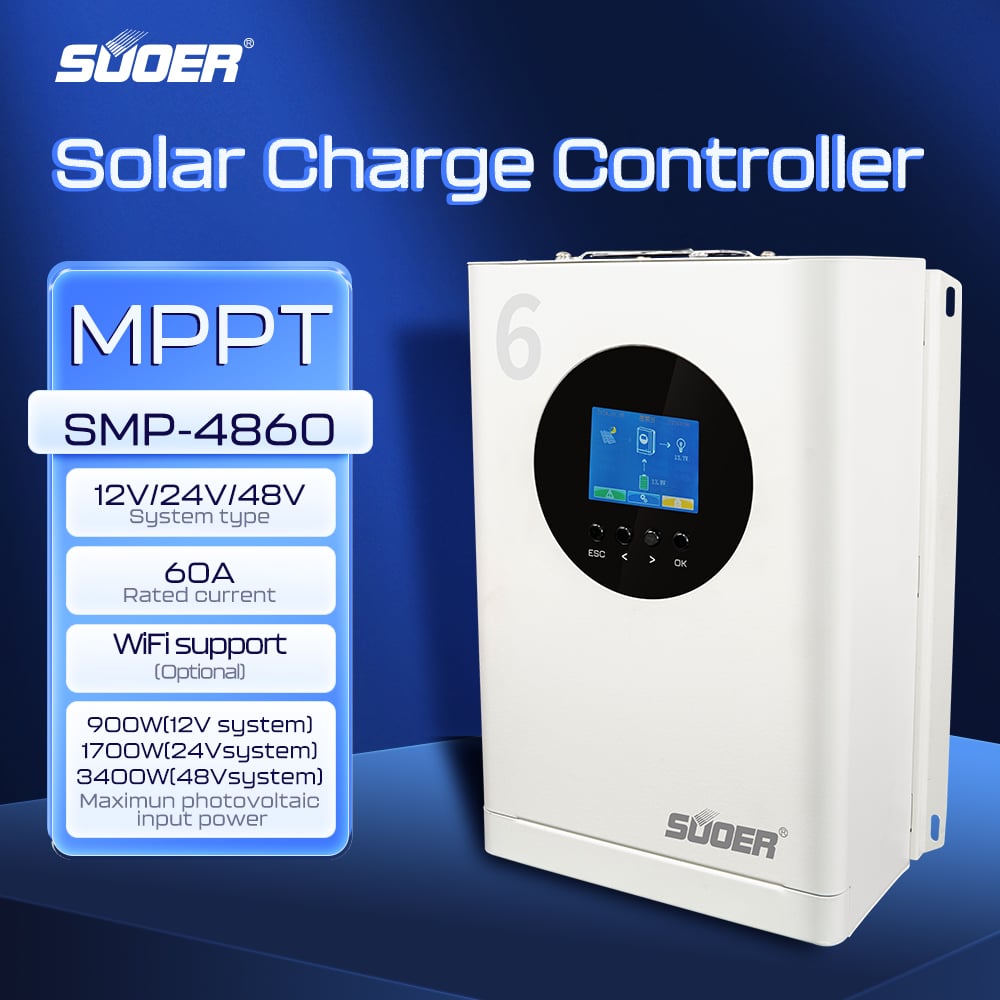
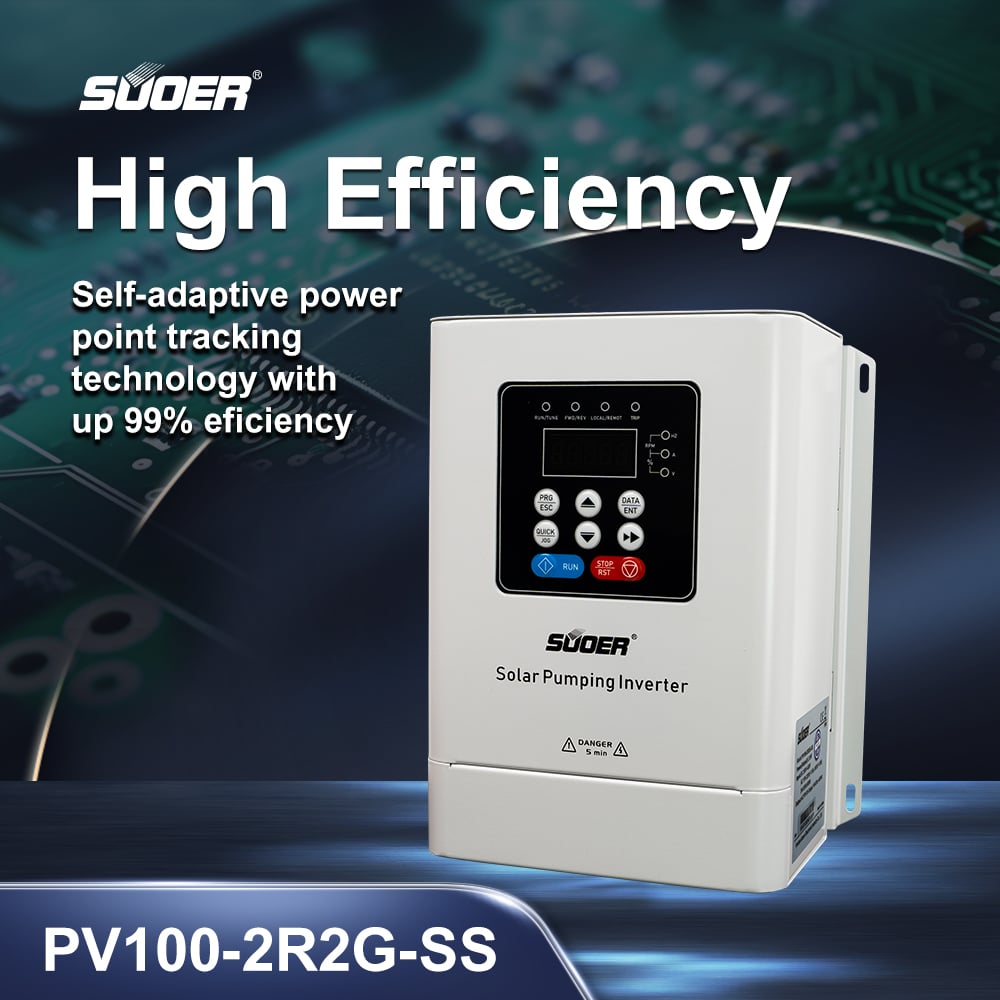
Understanding Suoer-made photovoltaic (PV) 1kw inverter is essential for anyone involved in the renewable energy sector, especially in projects that integrate solar power systems. As a key component in converting solar energy into usable electricity, PV inverters play a crucial role in system efficiency and reliability. This article will address key concerns that B2B buyers, such as purchasing managers and engineers, often face when selecting PV inverters. By the end, you will have a clearer understanding of how to choose the right PV inverter for your specific project needs, the factors influencing costs, and the applications where these devices excel
Selecting the right Suoer PV 4.2kw inverter involves understanding your project's specific requirements and how different inverter types meet those needs. The primary considerations include power rating, efficiency, and compatibility with existing systems
Power Rating: The inverter’s power rating should match the total output of your solar panel system. An underpowered inverter may limit the system’s performance, while an overpowered inverter could lead to unnecessary costs
Efficiency: Look for inverters with high efficiency ratings, typically above 95%. Higher efficiency means more energy conversion from the solar panels, contributing to better overall system performance
Type of Inverter: There are various types of PV inverters, such as string inverters, microinverters, and central inverters. String inverters are commonly used for residential and small commercial systems, while microinverters offer better performance in shaded conditions. Central inverters are suited for large-scale solar installations
Certifications and Standards: Ensure the inverter complies with relevant certifications such as ROHS, CE, and ISO9001. These certifications indicate that the product meets safety and quality standards
Installation and Maintenance: Consider the inverter's installation requirements and how easy it is to maintain. An inverter that is difficult to install or requires frequent maintenance can lead to increased operational costs.
When evaluating Suoer-made PV 6.2kw off grid inverter, several technical specifications and features are essential for ensuring optimal performance:
Input Voltage Range: This specification indicates the range of voltages the inverter can accept from the solar panels. A wide input voltage range can accommodate various solar panel configurations
Maximum DC Input Current: This is critical for preventing overloads. Make sure the inverter can handle the maximum current generated by your solar panel array
Operating Temperature Range: Ensure that the inverter can function efficiently within the temperature extremes of your installation area. An inverter rated for wider temperature ranges can perform better in harsh conditions
Monitoring Capabilities: Many modern inverters come with monitoring features that allow users to track performance metrics such as energy production and system health. This capability can be invaluable for maintenance and troubleshooting
Warranty and Support: Consider the warranty period and the level of customer support provided by the manufacturer. A longer warranty often indicates a manufacturer’s confidence in their product.
The cost of PV inverters can vary significantly based on several factors, including:
Type of Inverter: As previously mentioned, the type of inverter chosen affects the overall cost. Microinverters tend to be more expensive than string inverters but may provide better performance in specific scenarios
Power Capacity: Higher capacity inverters typically come with a higher price tag. It’s crucial to balance capacity with project requirements to avoid overspending
Features and Technology: Inverters with advanced features like integrated monitoring, communication capabilities, and enhanced efficiency technologies often have higher upfront costs but can lead to better long-term savings
Installation Costs: Don’t forget to factor in installation costs, which can include labor and additional equipment. A well-planned installation can minimize these costs
Bulk Purchasing Discounts: If you are purchasing in bulk for a large project, inquire about possible discounts. Many suppliers offer reduced rates for larger orders, which can significantly lower your overall expenditure.
PV inverters are versatile devices with a range of applications across various sectors:
Residential Solar Systems: Commonly used in home installations, PV inverters convert solar energy for household consumption, reducing reliance on grid electricity
Commercial Installations: Businesses utilize PV inverters to offset energy costs and enhance sustainability. The choice of inverter can significantly impact operational efficiency and profitability
Utility-Scale Solar Farms: Central inverters are often employed in large solar farms, where they manage substantial energy loads and ensure optimal system performance
Agricultural Applications: Farmers implement PV inverters to power irrigation systems, greenhouses, and other operations, thus reducing energy costs and enhancing productivity
Electric Vehicle Charging Stations: With the rise of electric vehicles, PV inverters are being integrated into charging stations to harness solar energy, providing a sustainable charging solution.
Finding a reliable supplier for PV inverters is crucial for ensuring quality and performance. Here are some tips to identify trustworthy suppliers:
Industry Experience: Look for suppliers with a proven track record in the renewable energy sector. Experience often correlates with product knowledge and reliability
Certifications and Compliance: Ensure the suppliers’ products meet necessary industry certifications such as ISO9001, CE, and ROHS. This indicates adherence to quality and safety standards
Customer Reviews and Testimonials: Research customer feedback to gauge the supplier's reputation and service quality. Positive reviews can provide reassurance of their reliability
Technical Support and Resources: Suppliers that offer technical support and resources, such as installation guides and troubleshooting advice, can be invaluable partners
Customization Capabilities: If your project has specific requirements, consider suppliers that offer customization of their products. This can include tailored specifications or packaging options
By understanding these factors and implementing them in your purchasing strategy, you can select the right PV inverter that meets your project needs while ensuring efficiency and reliability.
Discover Suoer’s premium range of solar inverters and power inverters designed for reliable renewable energy solutions.Trusted by customers worldwide for exceptional performance and durability.
Suoer Industrial Zone, Ercun Road Section, Yanfeng Avenue, Shishan Town,Foshan city,Guangdong Province,China
Copyright © 2024 Foshan Suoer Electronic Industry Co., Ltd. Privacy Policy - Blog
 EN
 AR
 NL
 FR
 DE
 EL
 IT
 JA
 KO
 PT
 RU
 ES
 VI
 TH
 TR
 BG
 HR
 CS
 NO
 PL
 TL
 ID
 SR
 UK
 SQ
 HU
 MT
 AF
 MS
 IS
 HY
 AZ
 BN
 BS
 GU
 LO
 LA
 MN
 NE
 TA