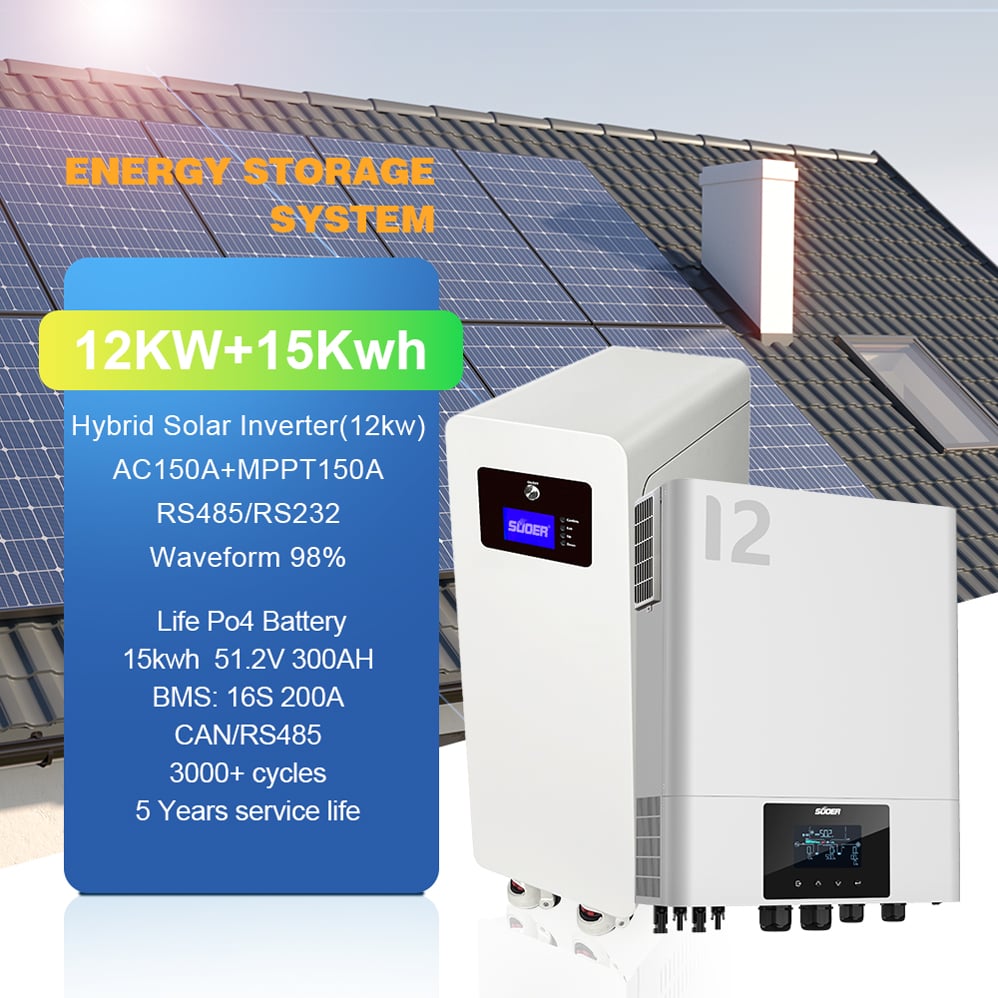
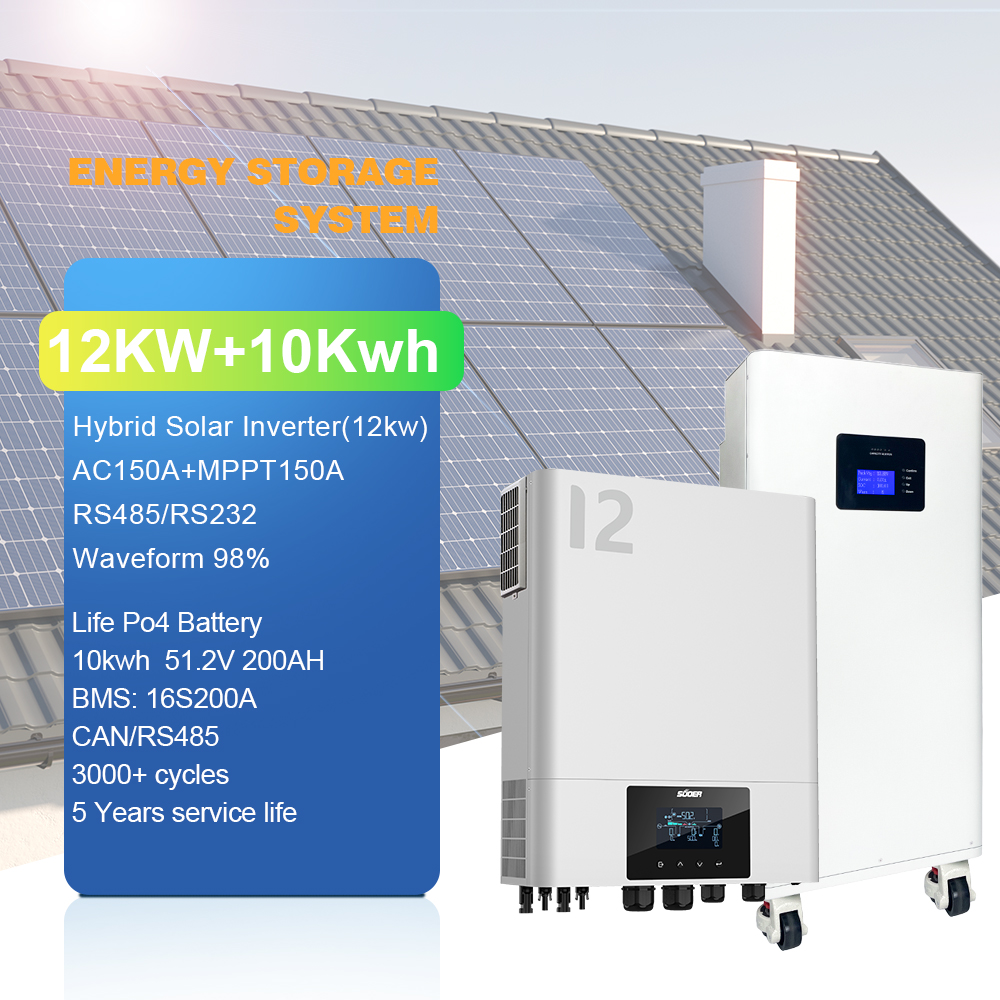
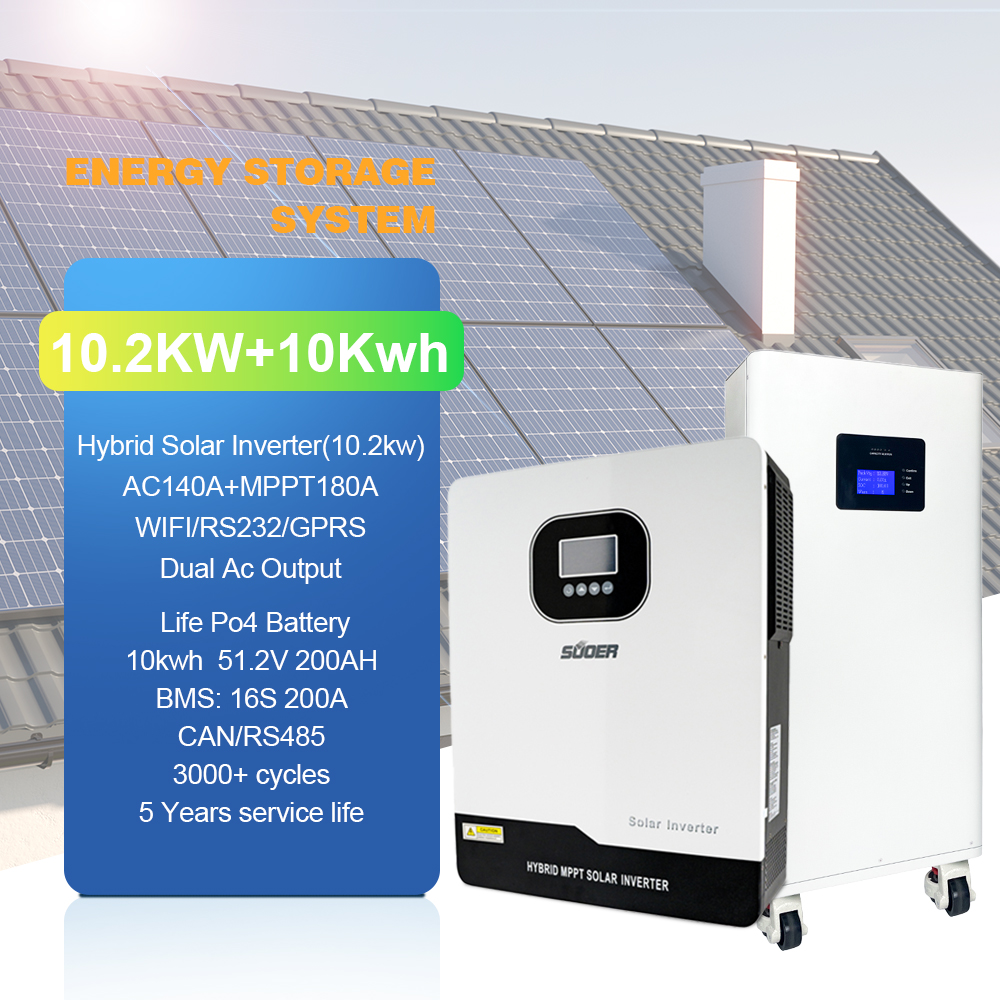
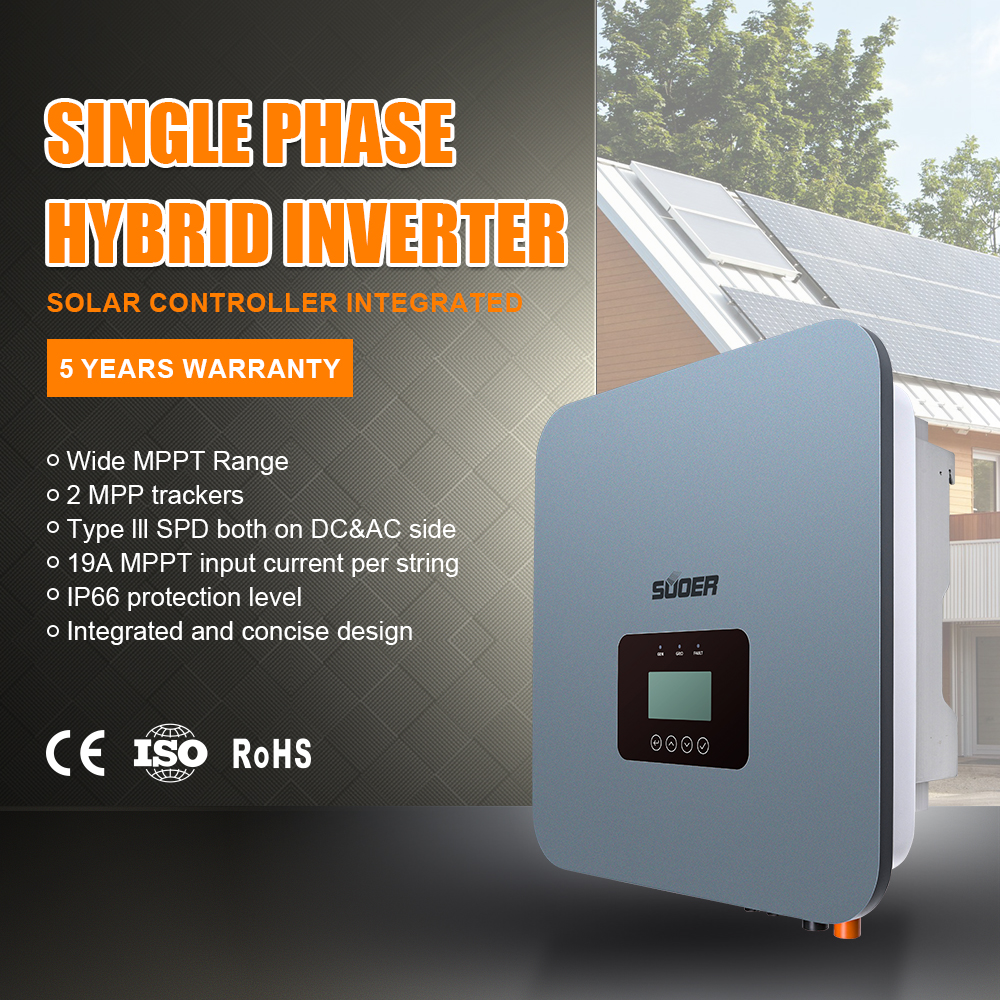
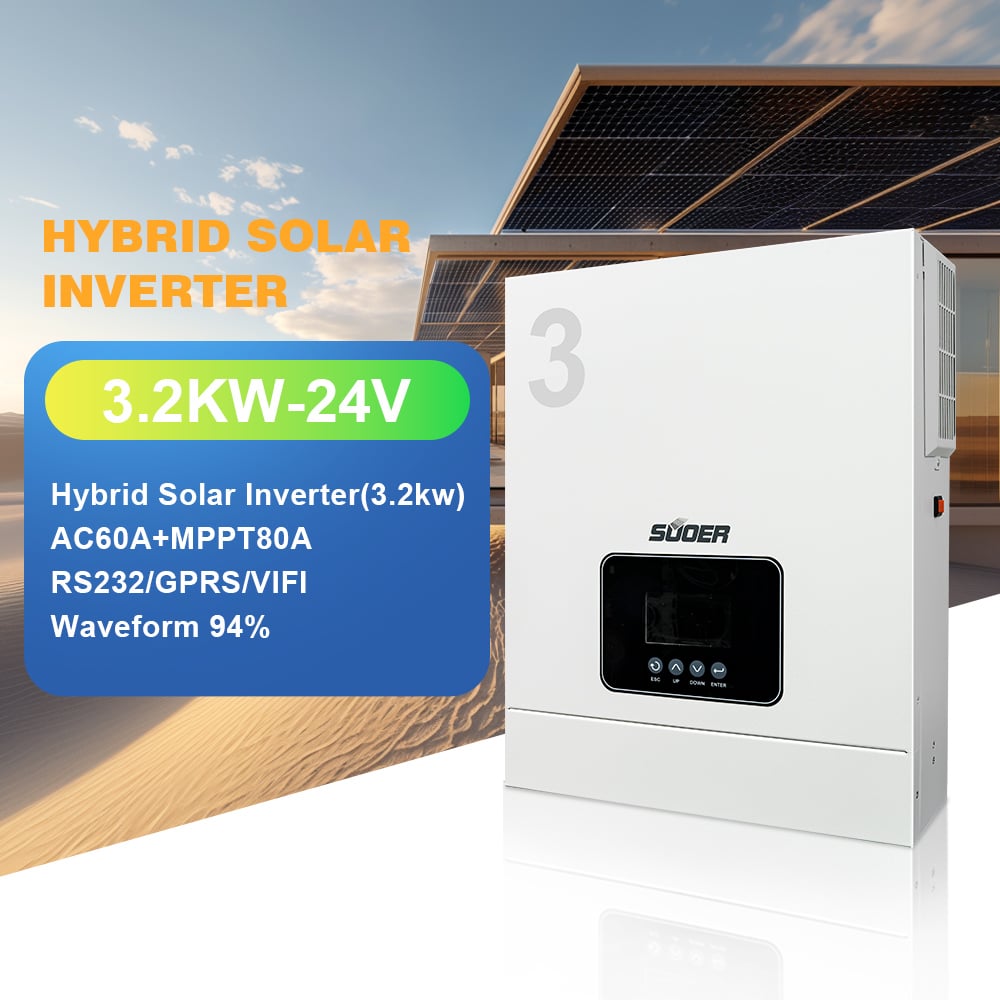
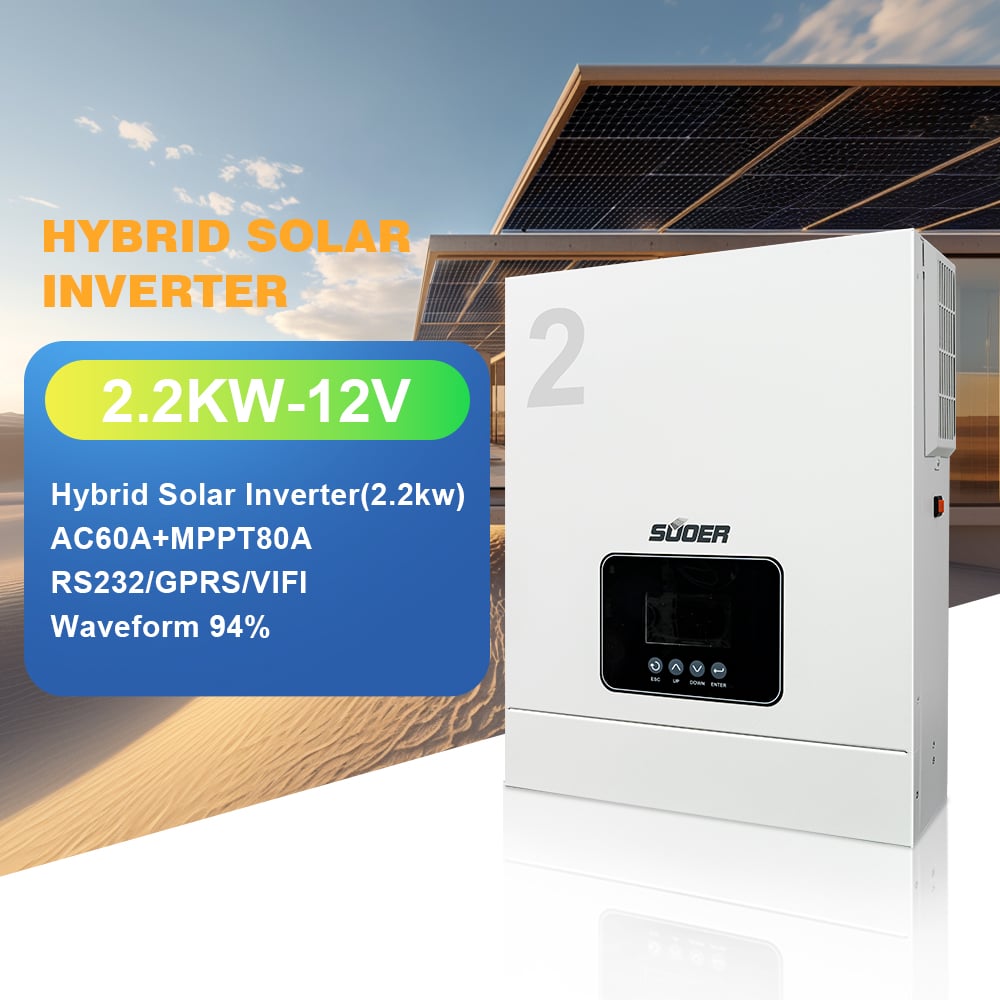
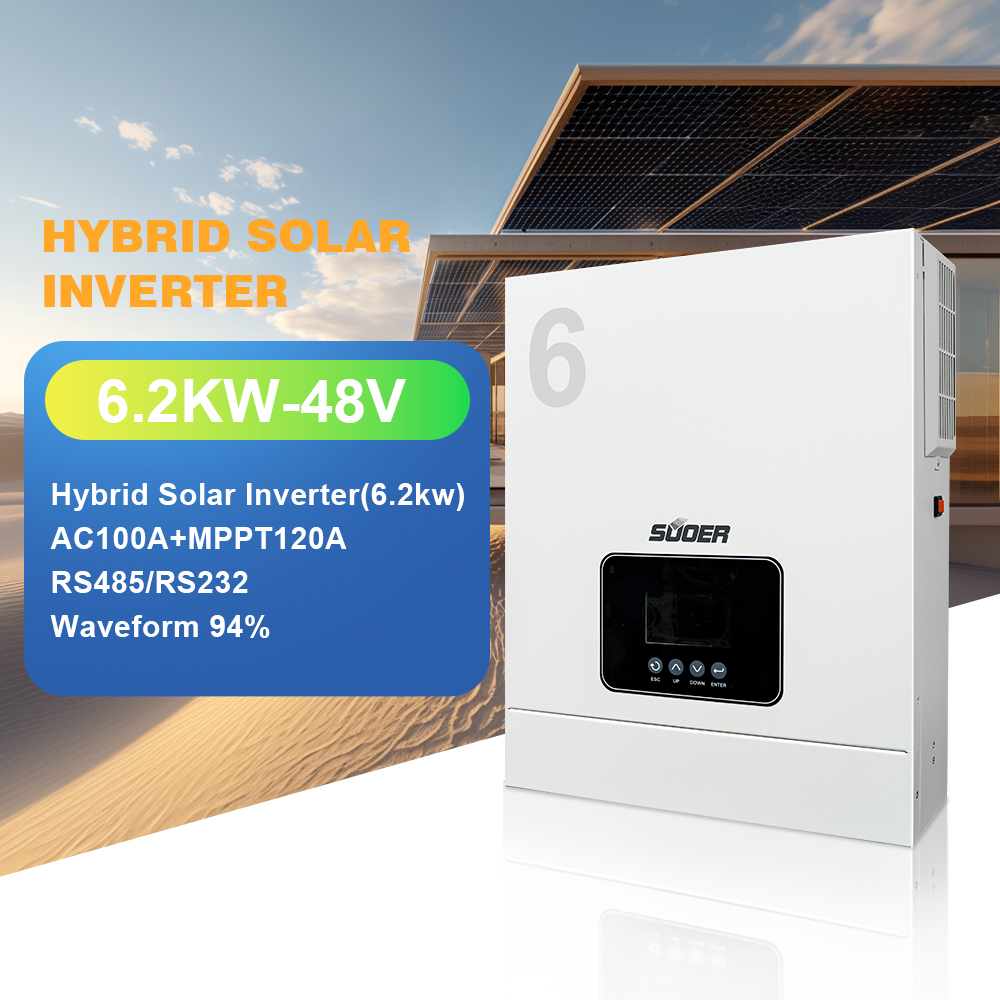
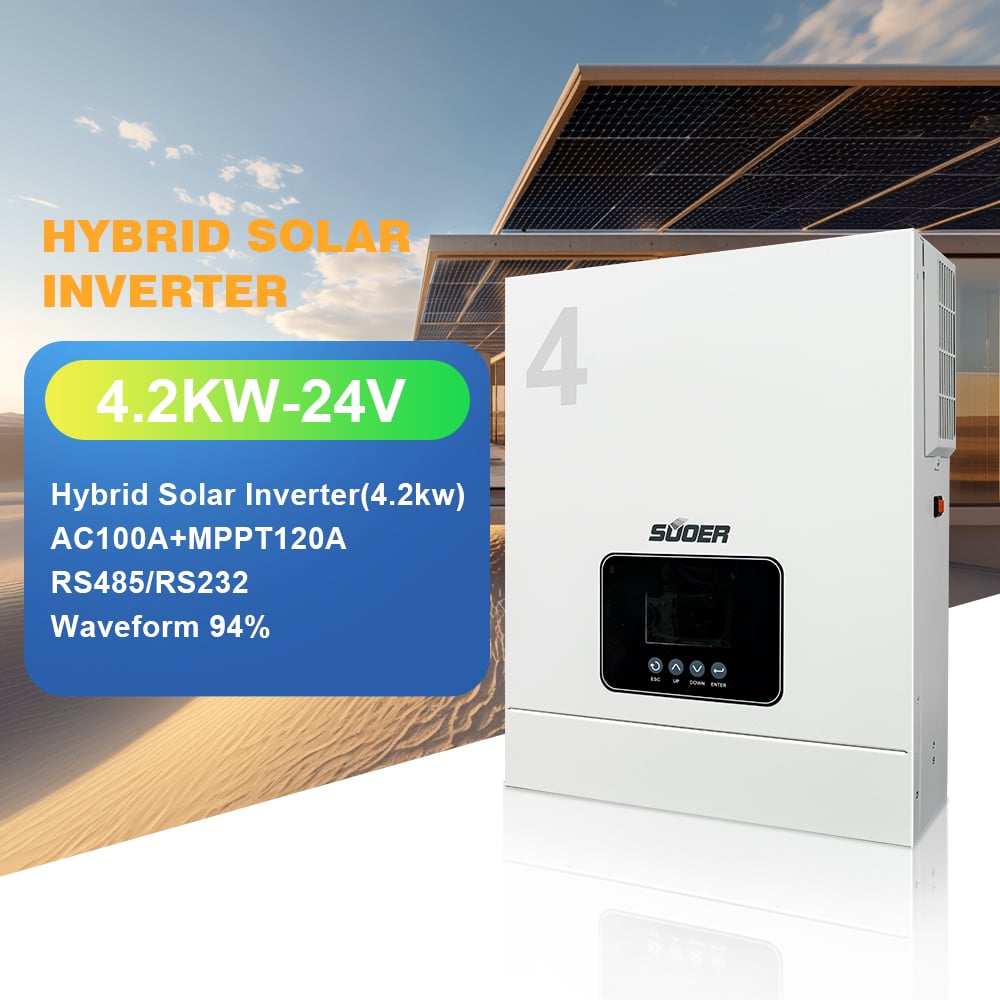
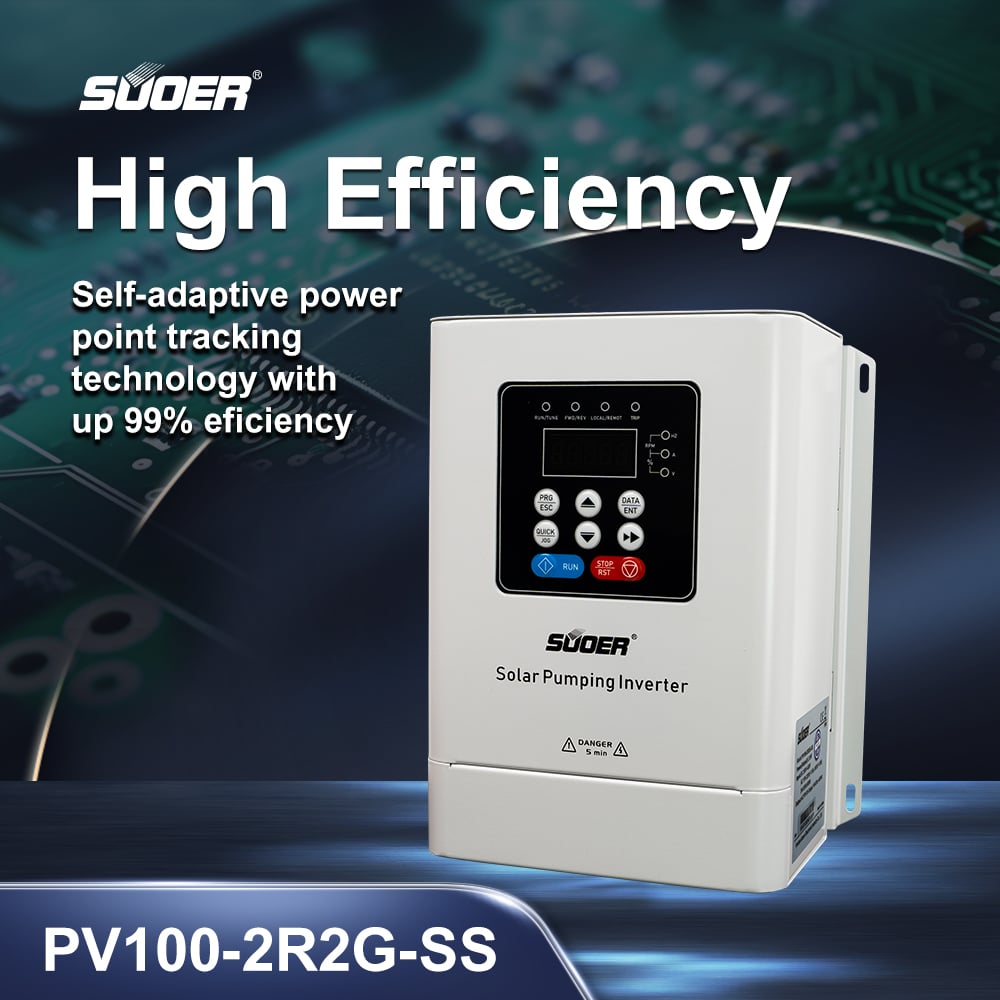
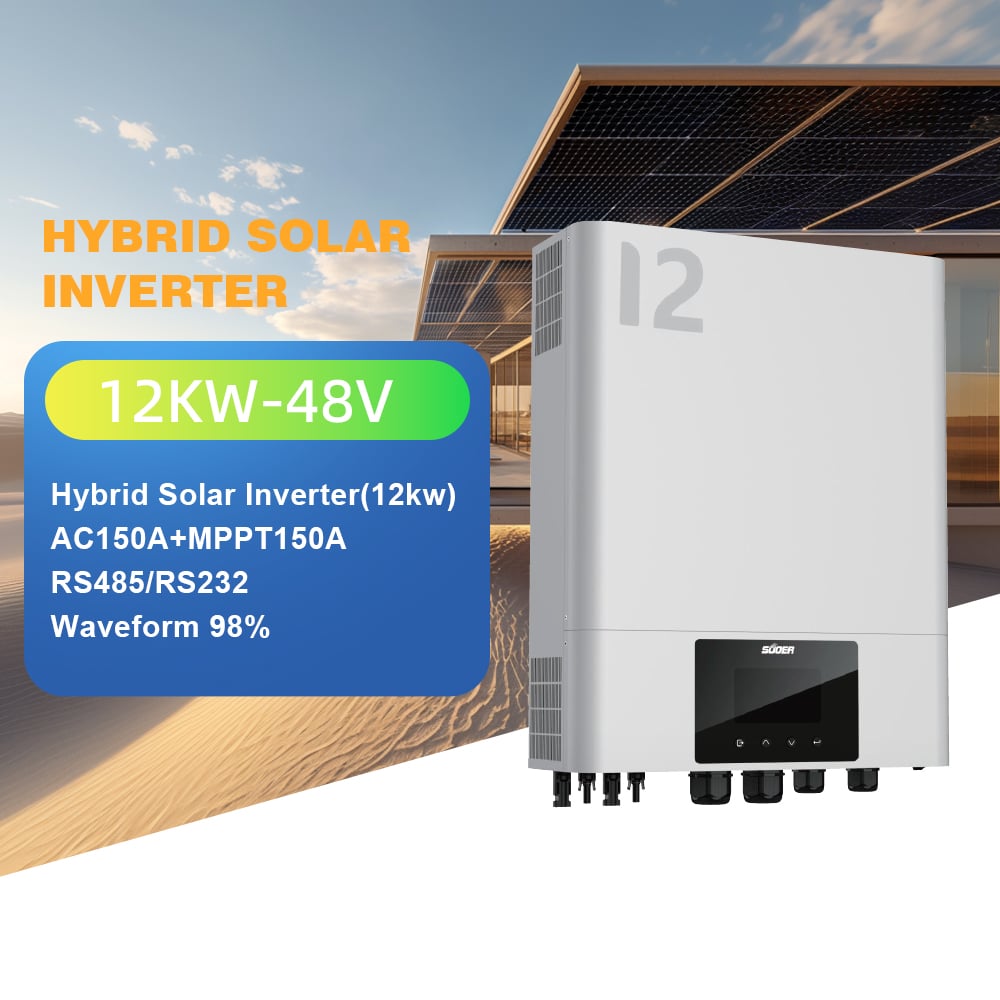
Inverter solar systems play a critical role in harnessing solar energy efficiently, converting direct current (DC) generated by solar panels into alternating current (AC) suitable for various applications. For B2B buyers, particularly purchasing managers and engineers, choosing the right inverter solar system involves numerous considerations, from technical specifications to cost factors. This article will guide you through essential aspects to consider when selecting inverter solar systems for bulk orders, ensuring you make an informed purchasing decision.
When selecting an inverter solar system for bulk orders, it is vital to evaluate several key factors. Firstly, application suitability is paramount. Understand the specific requirements of your projects, such as power capacity, efficiency ratings, and compatibility with existing systems. This ensures the inverter can handle the expected load and integrates seamlessly with other components.
Next, certifications such as ROHS, CE, and ISO9001 are essential indicators of quality and compliance with international standards. Verify that the manufacturer adheres to these certifications, as they reflect a commitment to safety and performance.
Finally, consider customization capabilities. Many projects may require specific configurations or features tailored to unique operational environments. A manufacturer with a strong R&D team, like ours, can provide tailored solutions that meet your precise needs, enhancing performance and reliability.
Understanding the key specifications of inverter solar systems is crucial for making an informed purchase. Here are some of the primary specifications to consider:
Power Rating: Measured in kilowatts (kW), this indicates the maximum output the inverter can provide. Assess your energy needs to select an inverter with an appropriate power rating.
Efficiency: Look for inverters with high efficiency ratings, typically above 95%. This ensures minimal energy loss during the DC to AC conversion process, maximizing overall system performance.
Input Voltage Range: Ensure the inverter supports the voltage produced by your solar panels. A mismatch can lead to performance issues or system failure.
Cooling System: Inverters may use air or liquid cooling systems. Depending on your installation environment, consider the cooling mechanism's effectiveness to maintain optimal performance.
Warranty and Lifespan: Check the warranty period, which often reflects the manufacturer's confidence in their product. A longer warranty can indicate better build quality and reliability.
Monitoring Capabilities: Advanced inverters include monitoring systems that provide real-time data on performance, aiding in maintenance and efficiency tracking.
These specifications ensure that the inverter solar system meets the operational demands of your business.
Evaluating the quality of power solar inverter systems is essential to avoid costly issues post-purchase. Start by requesting samples or prototypes to assess their performance under real-world conditions. Testing samples allows you to evaluate efficiency, durability, and compatibility with existing systems.
Next, review production processes. A manufacturer with automated production capabilities and stringent quality control measures can produce consistent and reliable products. Inquire about their quality assurance protocols and whether they conduct third-party testing.
Additionally, check customer reviews and testimonials. Feedback from other businesses can provide insights into the performance and reliability of the inverter systems. Look for case studies or references within your industry to gauge how the inverter has performed in similar applications.
When budgeting for inverter solar systems, several cost factors should be taken into account. The initial purchase price is essential, but consider the total cost of ownership over the system's lifespan. This includes installation costs, maintenance expenses, and potential energy savings.
Bulk order discounts can significantly impact pricing. Many manufacturers offer reduced rates for larger orders, so it’s beneficial to negotiate based on volume. Additionally, inquire about lead times and shipping costs, as these can affect overall project timelines and budgets.
Finally, consider the long-term efficiency and performance of the inverter. A higher upfront cost may be justified by lower energy losses and reduced operational costs over time. Always evaluate the long-term return on investment (ROI) when assessing different options.
Inverter solar systems, while generally reliable, can encounter several common problems. Understanding these issues and their solutions can help mitigate potential disruptions:
Overheating: If an inverter overheats, it can lead to reduced performance or failure. Ensure the solar inverters has adequate ventilation or cooling systems. If overheating occurs, check for dust buildup or obstructions in the airflow.
Communication Failures: Inverters with monitoring capabilities may experience communication issues with remote monitoring systems. Regularly check connections and firmware updates to maintain proper functionality.
Inverter Shutdown: This can occur due to various reasons, including overloading or grid issues. Implementing a monitoring system can help identify the cause, and ensuring the inverter is sized correctly for your application can prevent this issue.
Voltage Mismatches: Using an inverter not rated for the specific voltage output of the solar panels can cause inefficiencies or damage. Always ensure compatibility before installation.
By proactively addressing these common challenges, you can enhance the reliability and efficiency of your inverter solar systems.
selecting the right inverter solar system involves a comprehensive understanding of specifications, quality evaluation, cost factors, and potential issues. By following the guidance outlined , you can ensure that your investment in inverter technology meets your operational needs and delivers long-term value for your business.
Discover Suoer’s premium range of solar inverters and power inverters designed for reliable renewable energy solutions.Trusted by customers worldwide for exceptional performance and durability.
Suoer Industrial Zone, Ercun Road Section, Yanfeng Avenue, Shishan Town,Foshan city,Guangdong Province,China
Copyright © 2024 Foshan Suoer Electronic Industry Co., Ltd. Privacy Policy - Blog
 EN
 AR
 NL
 FR
 DE
 EL
 IT
 JA
 KO
 PT
 RU
 ES
 VI
 TH
 TR
 BG
 HR
 CS
 NO
 PL
 TL
 ID
 SR
 UK
 SQ
 HU
 MT
 AF
 MS
 IS
 HY
 AZ
 BN
 BS
 GU
 LO
 LA
 MN
 NE
 TA