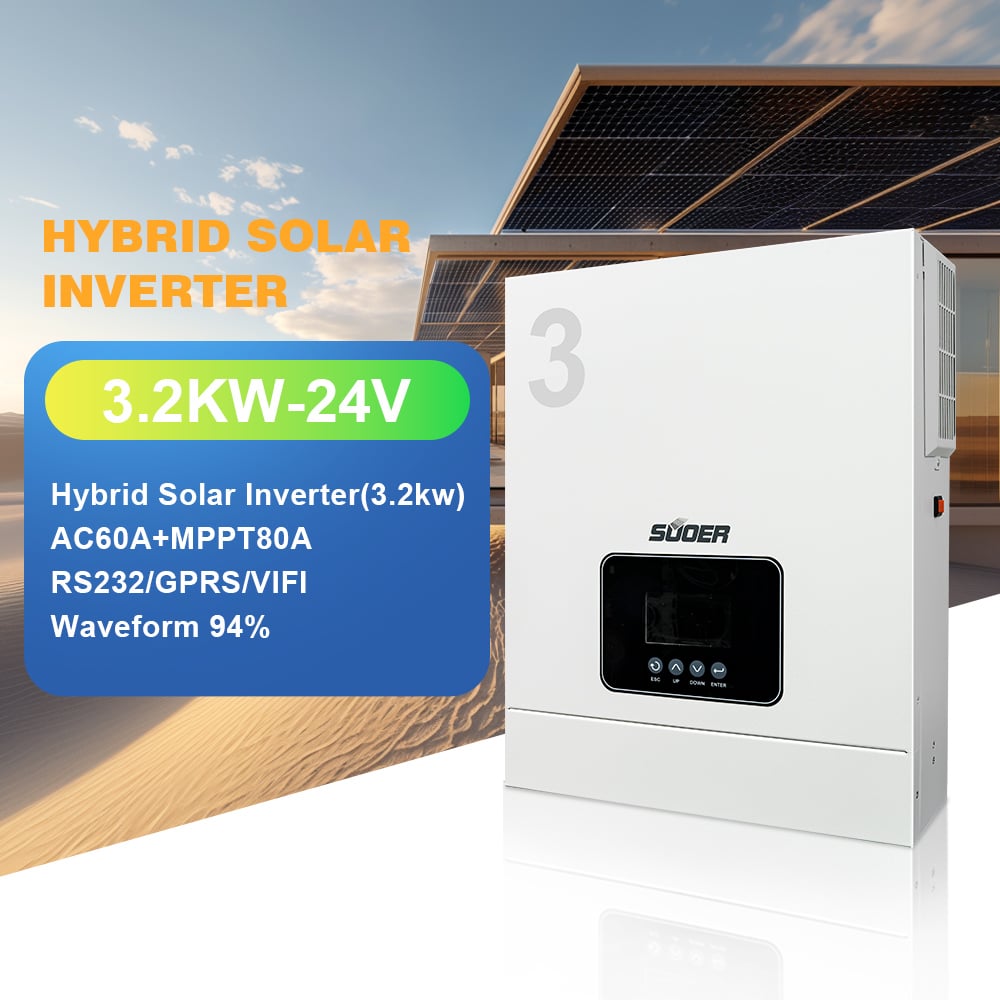
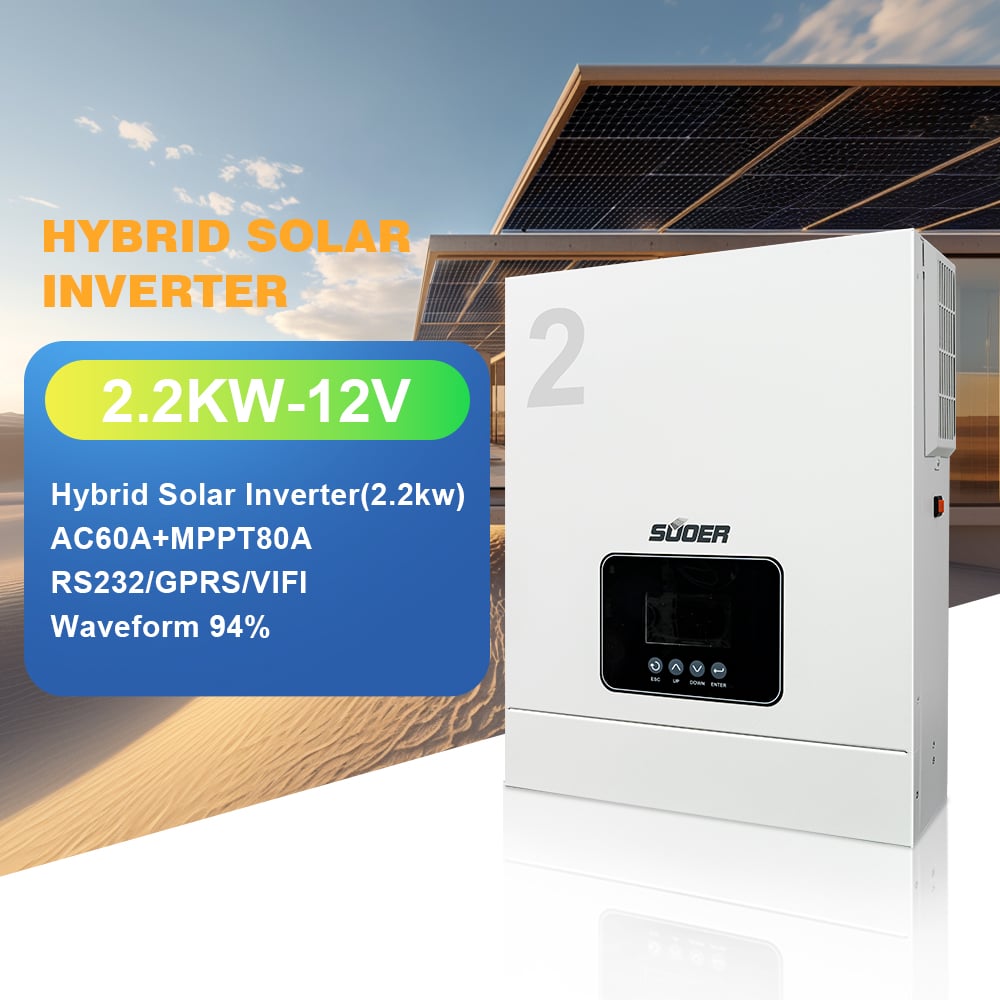
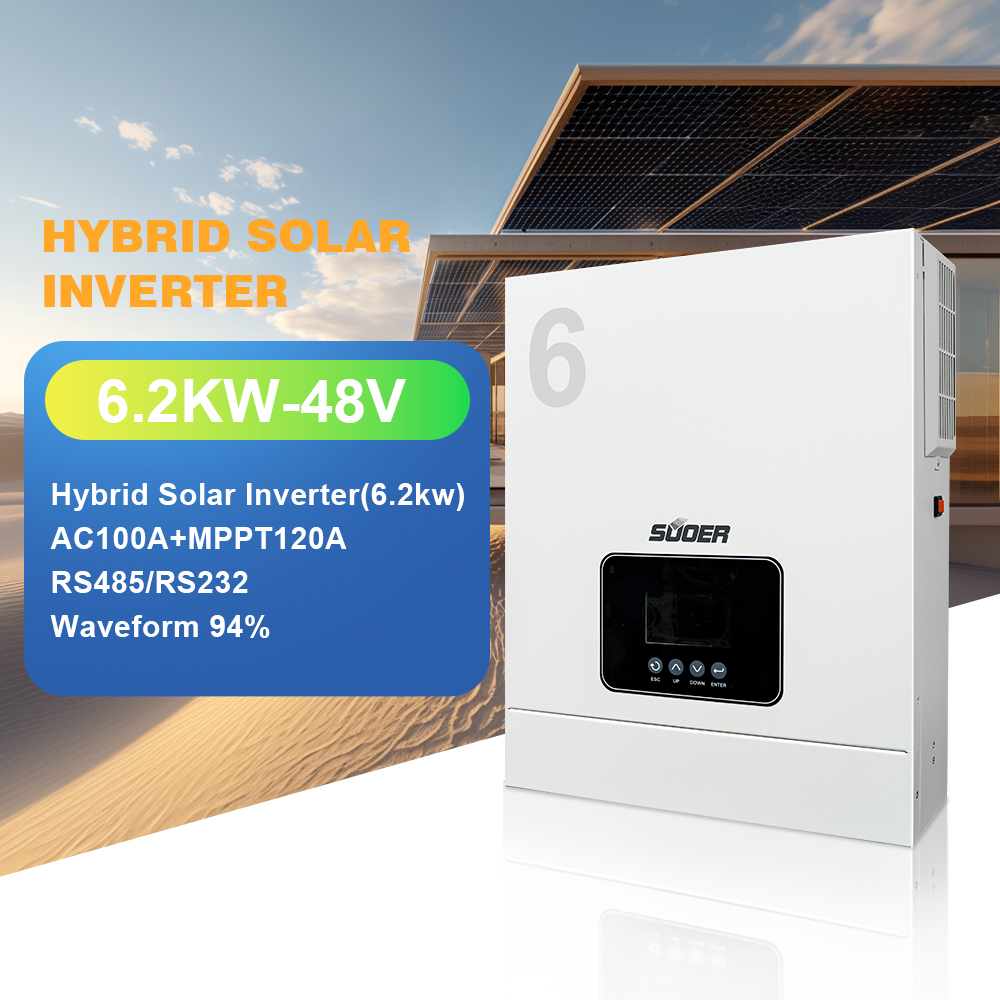
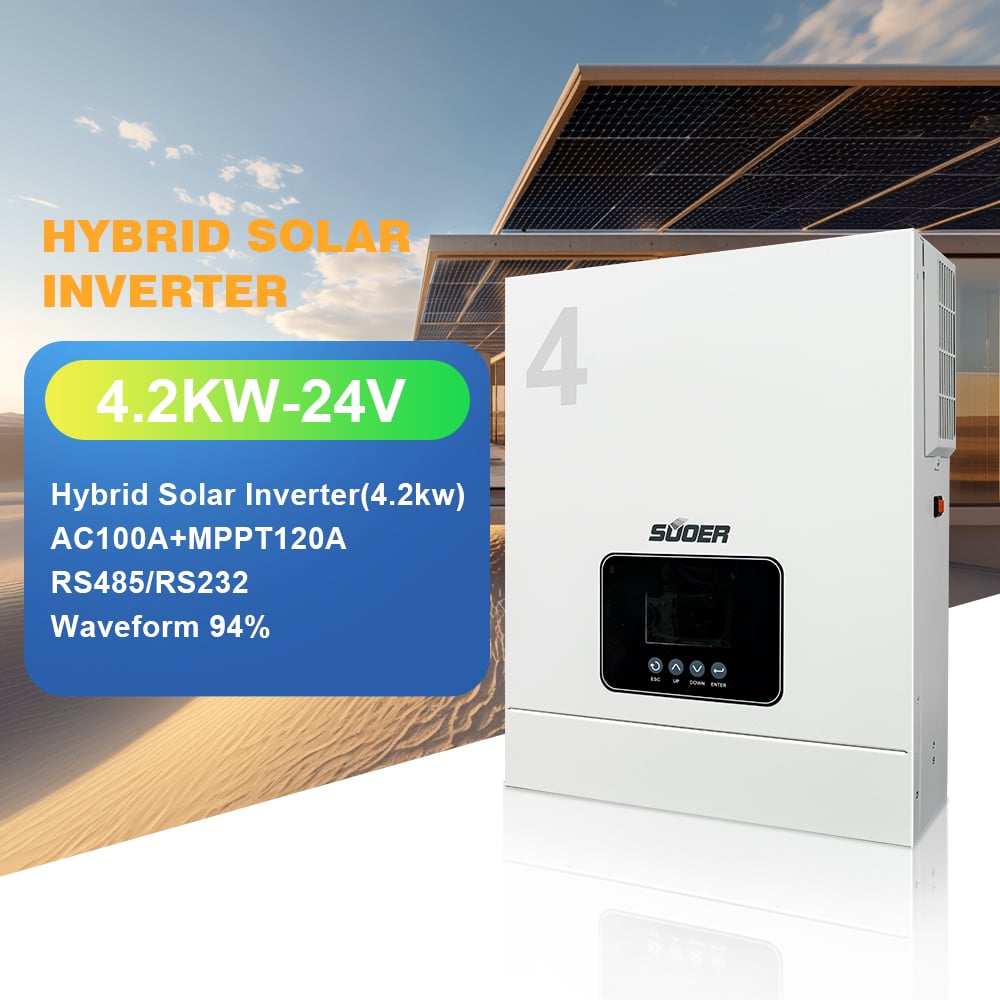
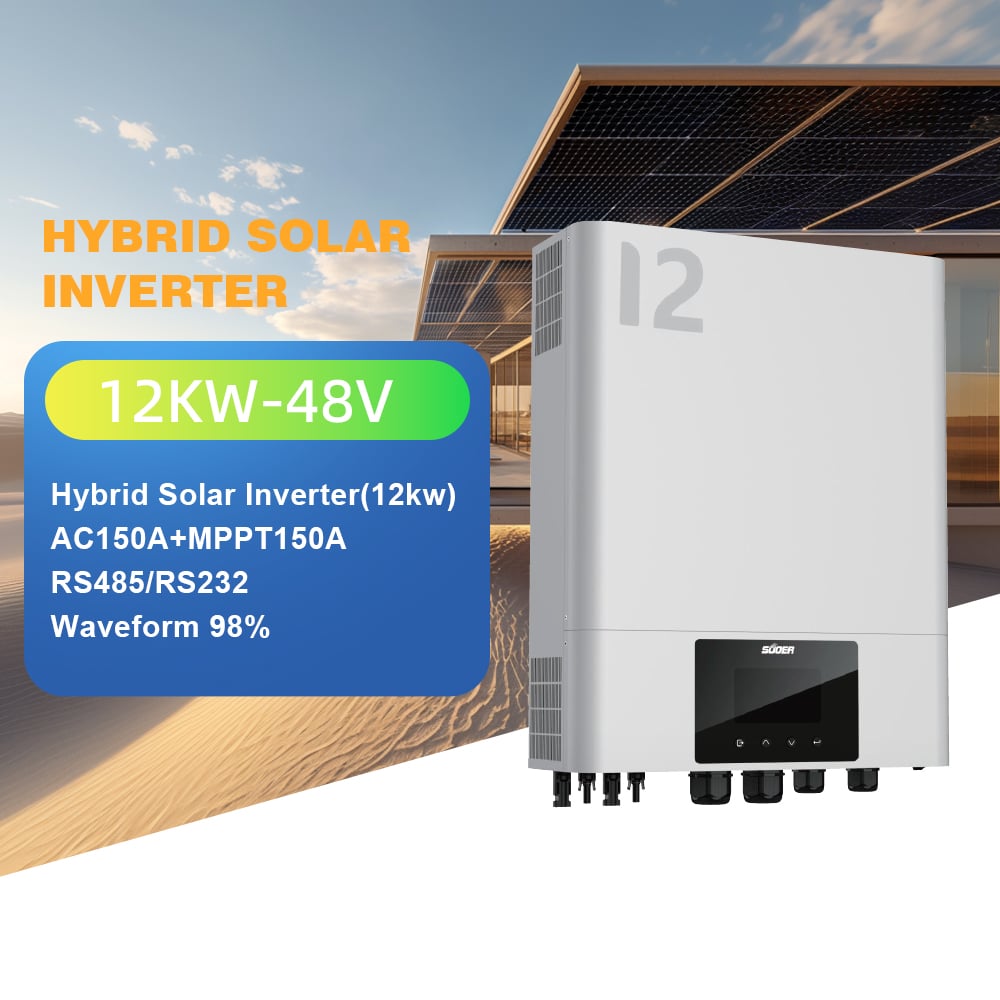
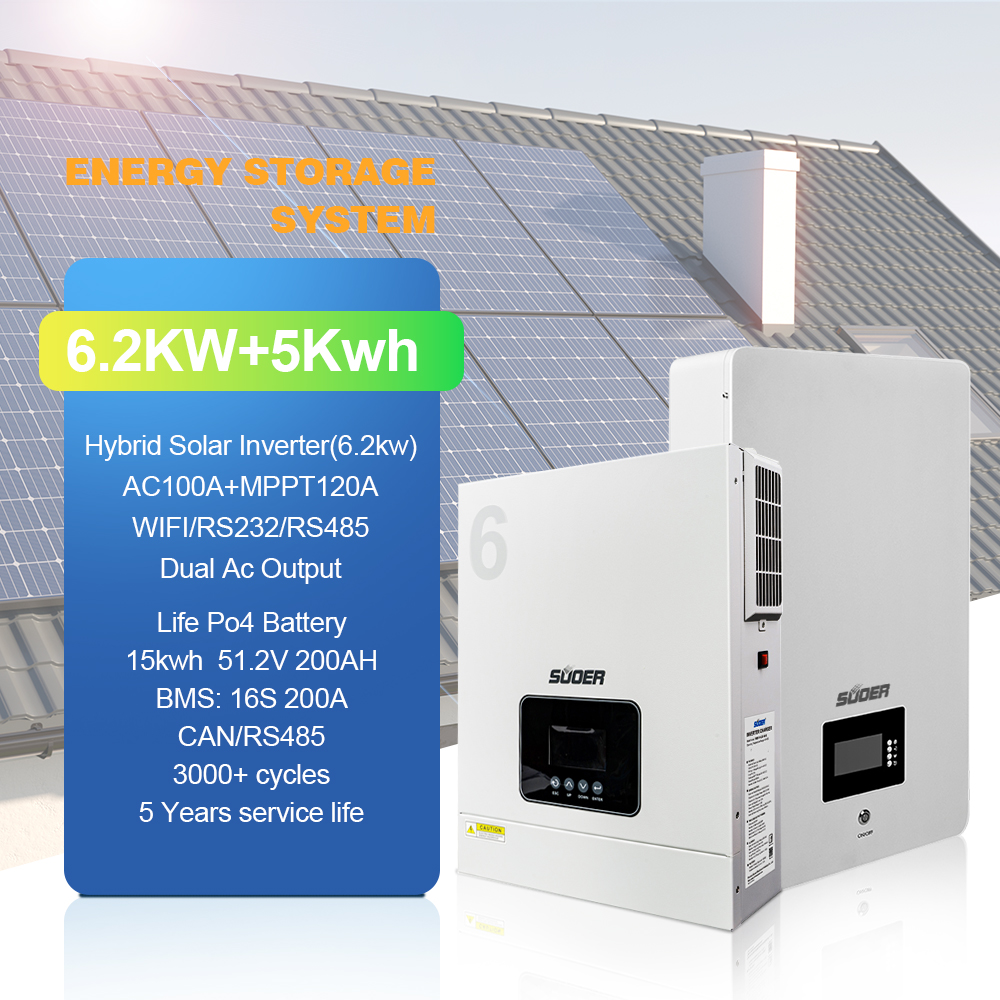
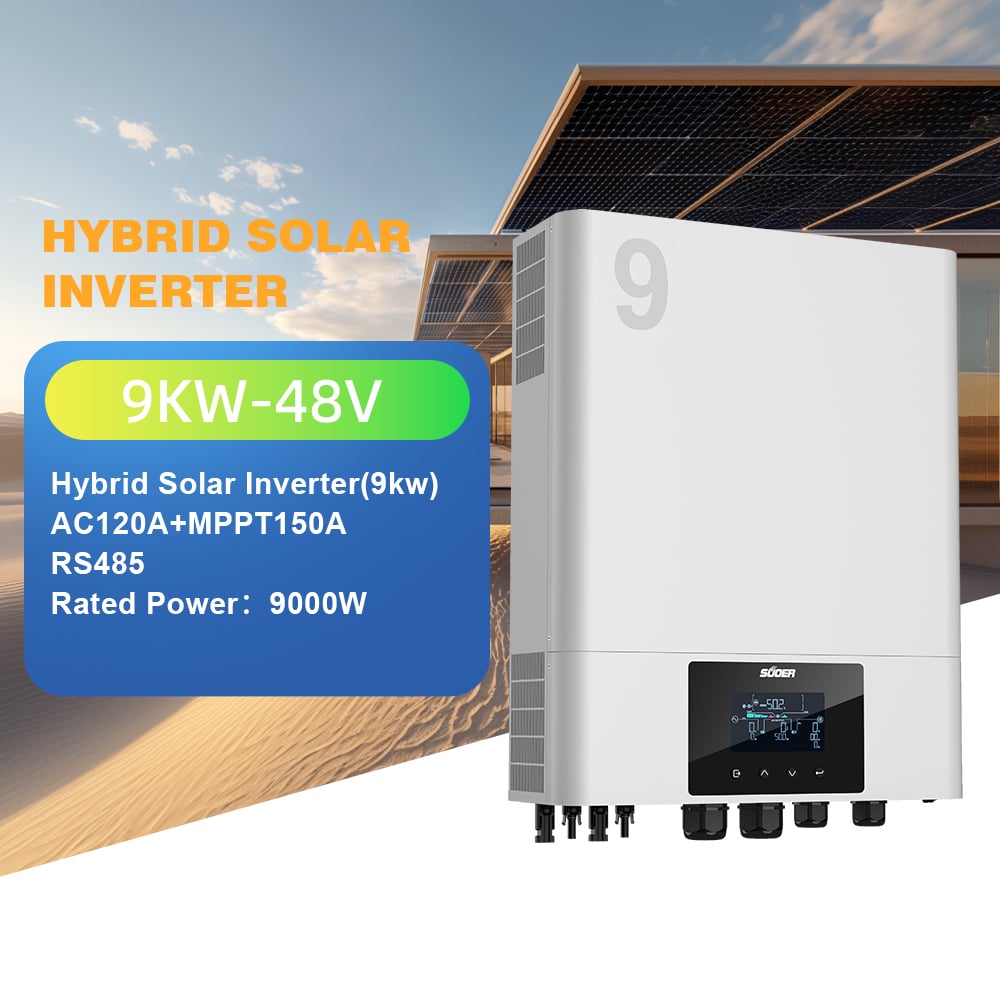
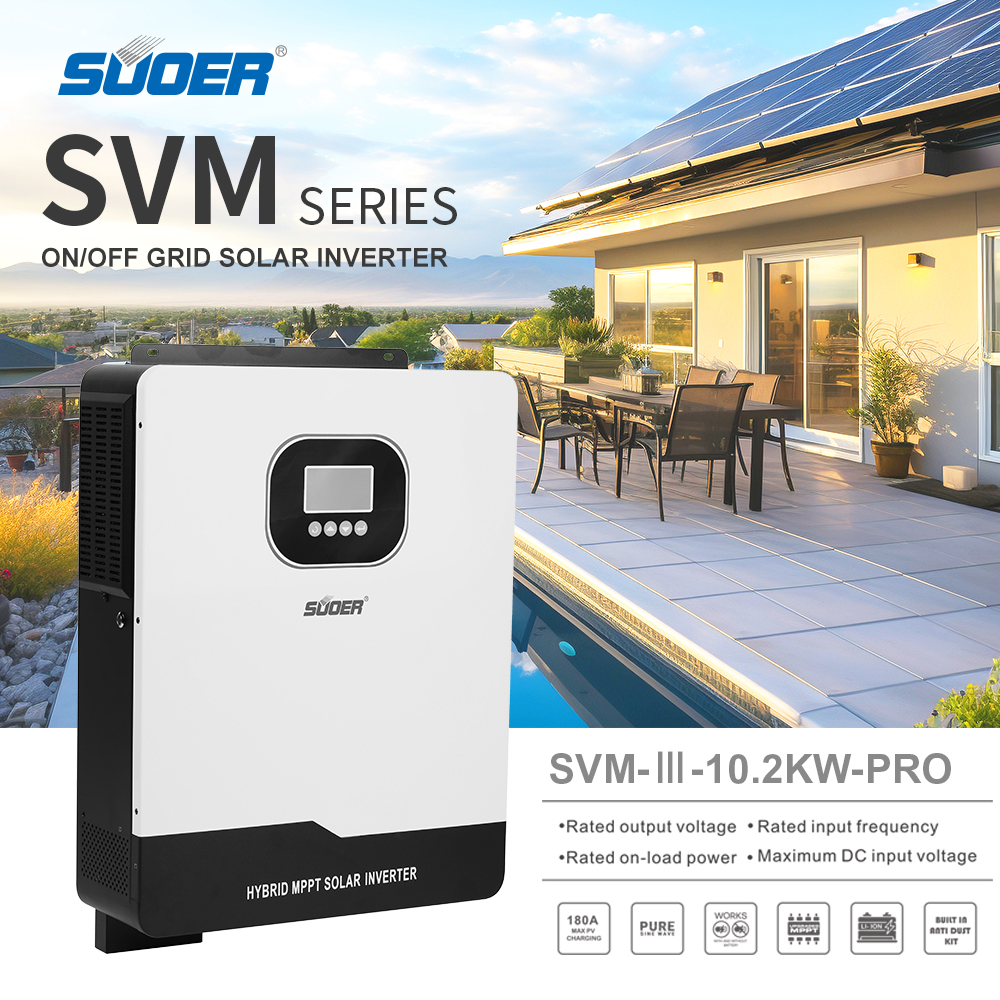
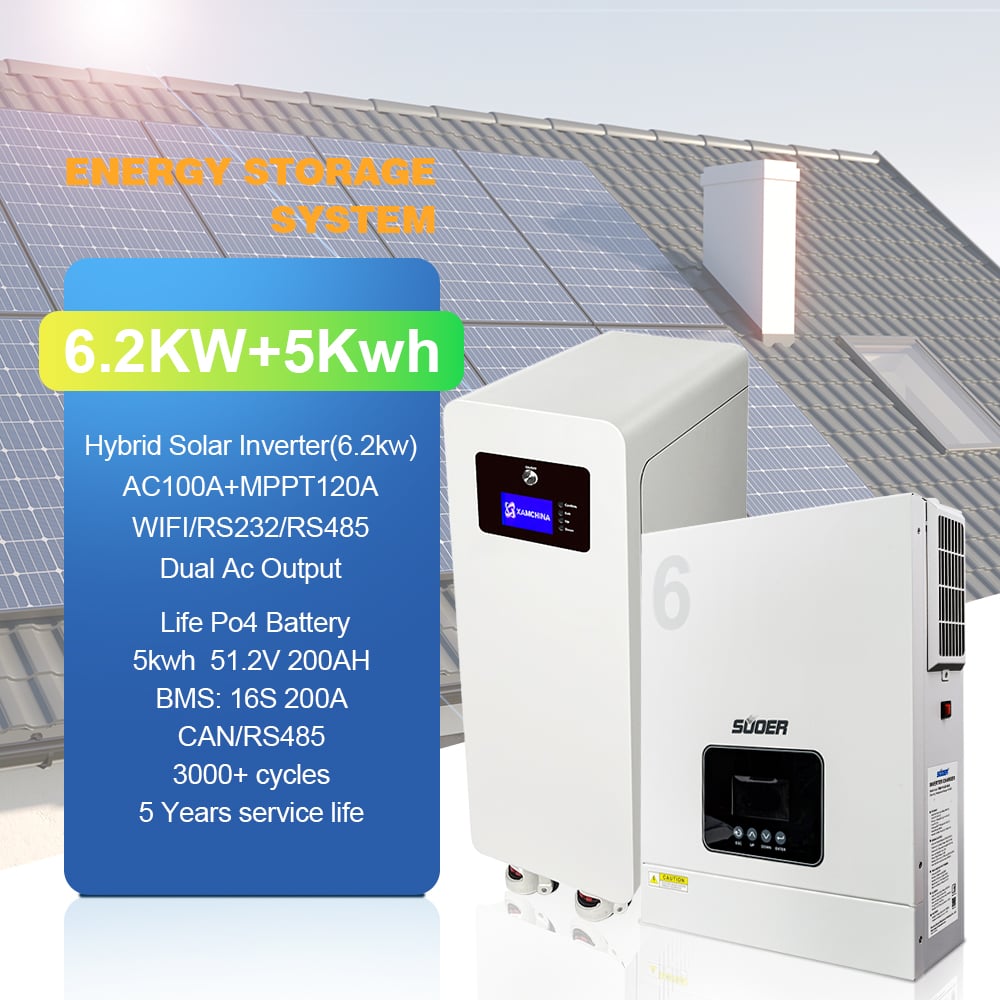
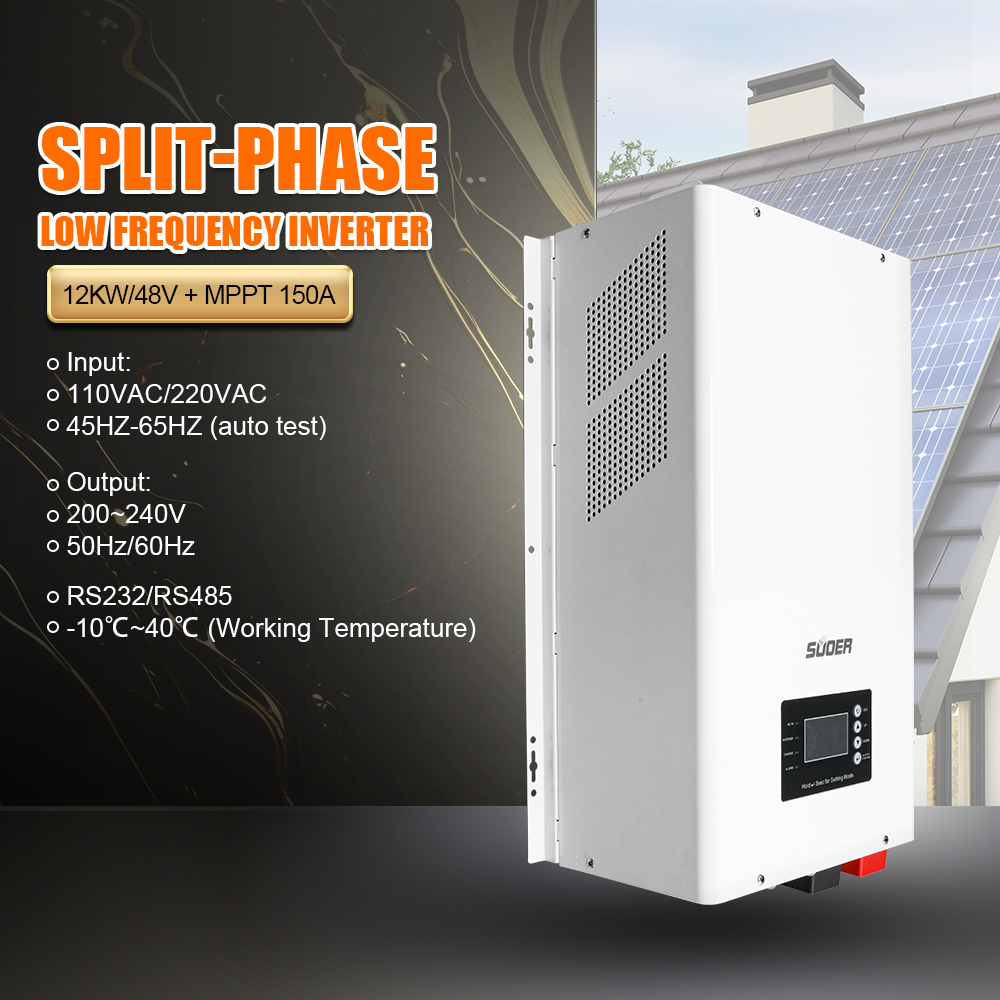
In the rapidly evolving landscape of renewable energy, the 5kW solar inverter stands out as a critical component in photovoltaic systems. This device converts the direct current (DC) generated by solar panels into alternating current (AC), making it suitable for residential or commercial use. For purchasing managers and engineers, understanding the specifications, benefits, and applications of 12kw solar inverter is essential for making informed decisions that align with project requirements and budgets. This article will provide insights into selecting the right inverter, the advantages of high-quality options, cost considerations for bulk purchases, and practical applications across various industries.
When selecting a 5kW solar inverter, several key specifications should be evaluated:
Input Voltage Range: The inverter must be compatible with the voltage range of the solar panels. A mismatch can lead to inefficiencies or system failure.
Efficiency Ratings: Look for inverters with high efficiency ratings, ideally above 95%. This indicates minimal energy loss during the conversion process, maximizing the energy output from the solar system.
Grid Connectivity: Determine whether the inverter is grid-tied or off-grid. Grid-tied systems can sell excess energy back to the grid, while off-grid systems require battery storage solutions.
Protection Features: Ensure the 24v solar inverter inverter has built-in safety features such as over-voltage, over-current, and short-circuit protection to safeguard both the inverter and the overall solar system.
Cooling Mechanisms: Inverters generate heat during operation. Effective cooling systems, such as fans or heat sinks, help maintain optimal operating temperatures and prolong the inverter's lifespan.
Understanding these specifications will help buyers compare different models and choose an inverter that meets their needs.
Investing in high-quality 5kW solar inverters offers several advantages that can significantly impact project success:
Reliability: Premium inverters are typically built with superior materials and undergo rigorous testing, leading to greater reliability and fewer failures over time. This reliability can reduce maintenance costs and downtime.
Longer Lifespan: High-quality inverters often come with better warranties, reflecting the 3kw solar inverter manufacturer’s confidence in their product. A longer lifespan means fewer replacements, which is crucial for long-term project viability.
Enhanced Performance: Quality inverters are designed to operate efficiently under various environmental conditions, ensuring optimal energy conversion and performance. This can lead to increased energy savings and faster return on investment.
Better Support and Service: Reputable manufacturers usually provide robust customer support and after-sales service, which can be invaluable when addressing technical issues or warranty claims.
Choosing a high-quality 5kW solar inverter can ultimately lead to better project outcomes and lower total cost of ownership.
Purchasing 5kW solar inverters in bulk can lead to significant cost savings, but several factors should be analyzed to ensure optimal pricing:
Manufacturer Pricing: Different manufacturers may have varying pricing structures. Consider factors such as brand reputation, warranty terms, and customer support when evaluating costs.
Volume Discounts: Many suppliers offer discounts based on order volume. It’s essential to negotiate bulk pricing to maximize savings.
Shipping and Handling Costs: Calculate the total cost by including shipping, handling, and any applicable customs duties. These costs can vary significantly based on the supplier's location and your project site.
Installation Expenses: Factor in the cost of installation, as it may vary depending on the inverter's complexity and the installation environment. Ensure that the inverter you choose is compatible with existing systems to avoid additional costs.
Maintenance and Operational Costs: Consider the long-term operational costs, including maintenance and potential repairs. Investing in a slightly more expensive but reliable inverter may save money in the long run.
By carefully analyzing these factors, purchasers can make informed decisions that align with their budget and project requirements.
5kW solar inverters are versatile components used across multiple industries:
Residential: Homeowners utilize 5kW inverters in residential solar installations. These systems can significantly reduce electricity bills while contributing to sustainable energy practices.
Commercial: Businesses often install solar panels with 5kW inverters to offset operational costs and enhance their corporate sustainability profiles.
Agriculture: In the agricultural sector, solar inverters power irrigation systems and equipment, helping farmers reduce reliance on fossil fuels and lower operational costs.
Telecommunications: Solar inverters are increasingly used to power remote telecommunications equipment. They provide a reliable energy source and reduce operational costs in off-grid locations.
Electric Vehicle Charging Stations: As the demand for electric vehicles grows, 5kW solar inverters can be integrated into charging stations, allowing for clean energy charging solutions.
These applications highlight the adaptability of 5kW solar inverters and their role in promoting energy efficiency across various sectors.
Selecting the appropriate 5kW solar inverter requires a careful assessment of specific project needs:
Project Scope: Determine the energy requirements of the project. For example, if the system will be used for residential purposes, a simpler inverter may suffice. However, commercial applications may require more advanced features and capabilities.
Compatibility: Ensure that the inverter is compatible with existing solar panels and other system components. This includes checking the inverter’s input voltage range and ensuring it aligns with the solar panel specifications.
Future Scalability: Consider whether the inverter can accommodate future expansions. If the solar system's energy requirements are likely to increase, choose an inverter that can handle higher loads.
Environmental Conditions: Evaluate the installation environment, including temperature extremes and potential exposure to moisture or dust. Selecting an inverter with appropriate IP ratings can ensure durability in challenging conditions.
Budget Constraints: Finally, align your choice with budget constraints without compromising on quality. It’s advisable to balance upfront costs with long-term performance and reliability.
By considering these factors, buyers can ensure that they choose a 5kW solar inverter that meets their specific requirements and contributes to the overall success of their solar projects.

Discover Suoer’s premium range of solar inverters and power inverters designed for reliable renewable energy solutions.Trusted by customers worldwide for exceptional performance and durability.
Suoer Industrial Zone, Ercun Road Section, Yanfeng Avenue, Shishan Town,Foshan city,Guangdong Province,China
Copyright © 2024 Foshan Suoer Electronic Industry Co., Ltd. Privacy Policy - Blog

 EN
 AR
 NL
 FR
 DE
 EL
 IT
 JA
 KO
 PT
 RU
 ES
 VI
 TH
 TR
 BG
 HR
 CS
 NO
 PL
 TL
 ID
 SR
 UK
 SQ
 HU
 MT
 AF
 MS
 IS
 HY
 AZ
 BN
 BS
 GU
 LO
 LA
 MN
 NE
 TA