
 EN
EN
 AR
AR
 NL
NL
 FR
FR
 DE
DE
 EL
EL
 IT
IT
 JA
JA
 KO
KO
 PT
PT
 RU
RU
 ES
ES
 VI
VI
 TH
TH
 TR
TR
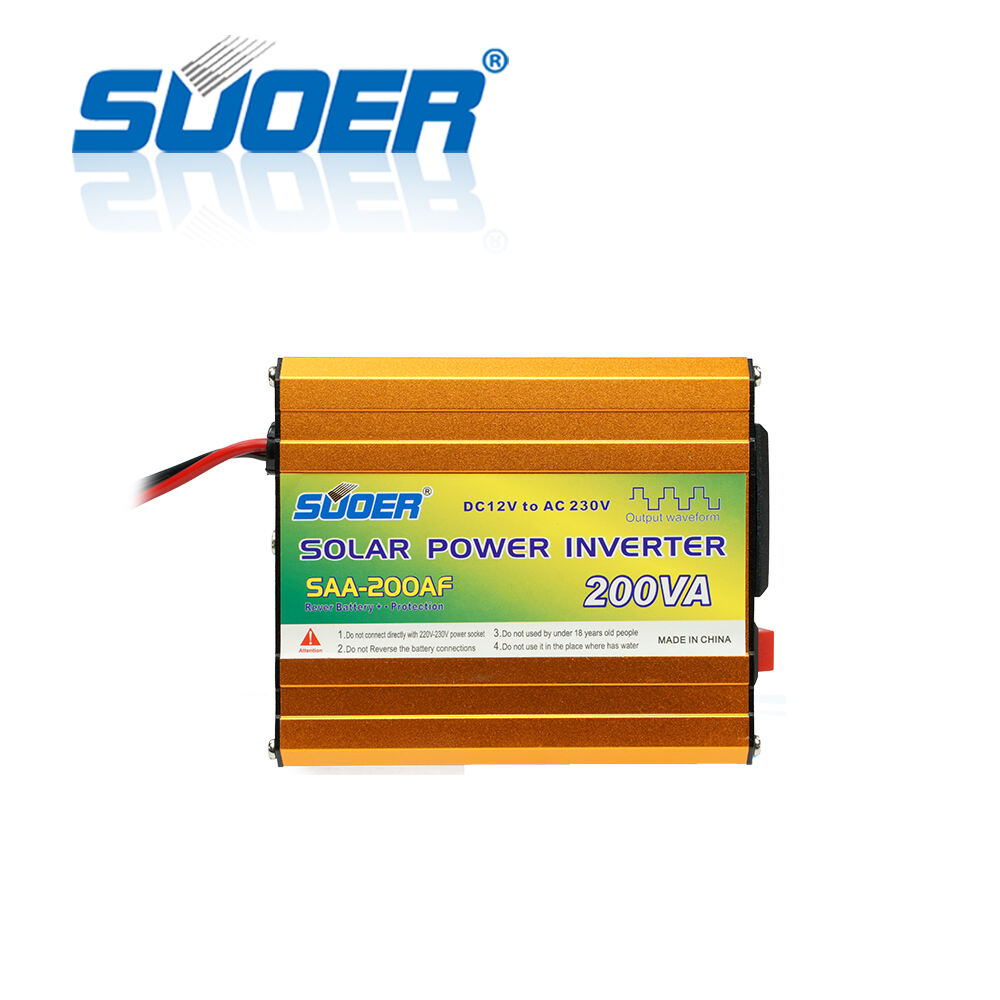
DC to AC power inverters are vital systems that convert direct current (DC) electricity to alternating current (AC) electricity. Being a highly qualified professional manufacturer of industrial power inverter, Suoer has realized needs to resolve frequently asked questions. That is why in this guide, we are going to discuss how to troubleshoot and test DC power inverter like experts so that you will enjoy quality working performance at all time.
DC Power Inverter Troubleshooting Guide
In troubleshooting DC-DC converters, there are several problem areas that may exist. One of the common problems is overheating, there is not enough ventilation in the room or no proper installation and it reach beyond what your inverter can handle. Another issue is a reduction in output voltage, which can be caused by poor connections, or defective components. Users may also encounter problems with 'phantom' battery drain, in which the inverter draws down power from the batteries when not needed. A systematic troubleshooting approach makes it possible to track down and fix these problems.
How to Diagnose a Bad DC Power Inverter
When trying to identify the DC power inverter problems, you need to begin with the basics. Check all connections and that inverter is getting a good power source. Then look at the display or front of your inverter to see whether it has any error codes or warnings. But if you are overheating the inverter, try to move it somewhere cooler or add more ventilation. Check for loose connections and inspect all connections for damage. If output voltage is low, try following these steps: If the battery is discharging, you may want to install a switch in order to cut off the inverter when it not being used. Through employing these troubleshooting methods, users can successfully troubleshoot and solve common DC inverter problems for ND collectors to attain peak functionality and long service life.
Frequent DC Power Inverter Trouble Shooting Points
There are some general tips you can follow when troubleshooting a DC power inverter 1000w. First of all, make sure to inspect your connections and ensure everything is securely connected; loose connectors often result in power problems and similar issues. Check the fuse next; if it blows, examine the circuit. If so, change it out for a new one of the same rating. Also, verify the input voltage is correct for the inverter. An inverter with improper voltage can adversely affect the operation. Finally, ensure that the inverter is properly ventilated as overheating can cause malfunctions as well.
Common Uses and Misuses of DC Power Inverters
There are many common use issues with DC power inverters which can occur. One is overload, in which the inverter is attempting to power devices that draw more power than it can handle. Power overload can be avoided by verifying the electrical requirements of all your stuff before connecting to the inverter. Another issue is shorting, which occurs when the inverter’s positive and negative terminals touch. Just make sure all the connections are tight and there is no short circuit before turning on the Inverter. Low voltage battery can also contribute to inverter problems. To avoid this, don’t forget to keep an eye on your battery and charges it when necessary.
DC Power Inverter Troubleshooting Techniques
There are several methods you can use to troubleshoot DC power inverter. One method is to check the input and output voltages of the inverter with a multimeter. This will help you to differentiate where the issue is: in the power supply or inverter. Another method is to check for physical signs of damage on the inverter like burned part or disconnected connections. If you see any problems, you might need to fix or replace the damaged components. You could also refer to your inverter user manual if you need troubleshooting tips that are model specific. By these methods some of the typical faults with D.C. power inverter can be diagnosed and corrected successfully.