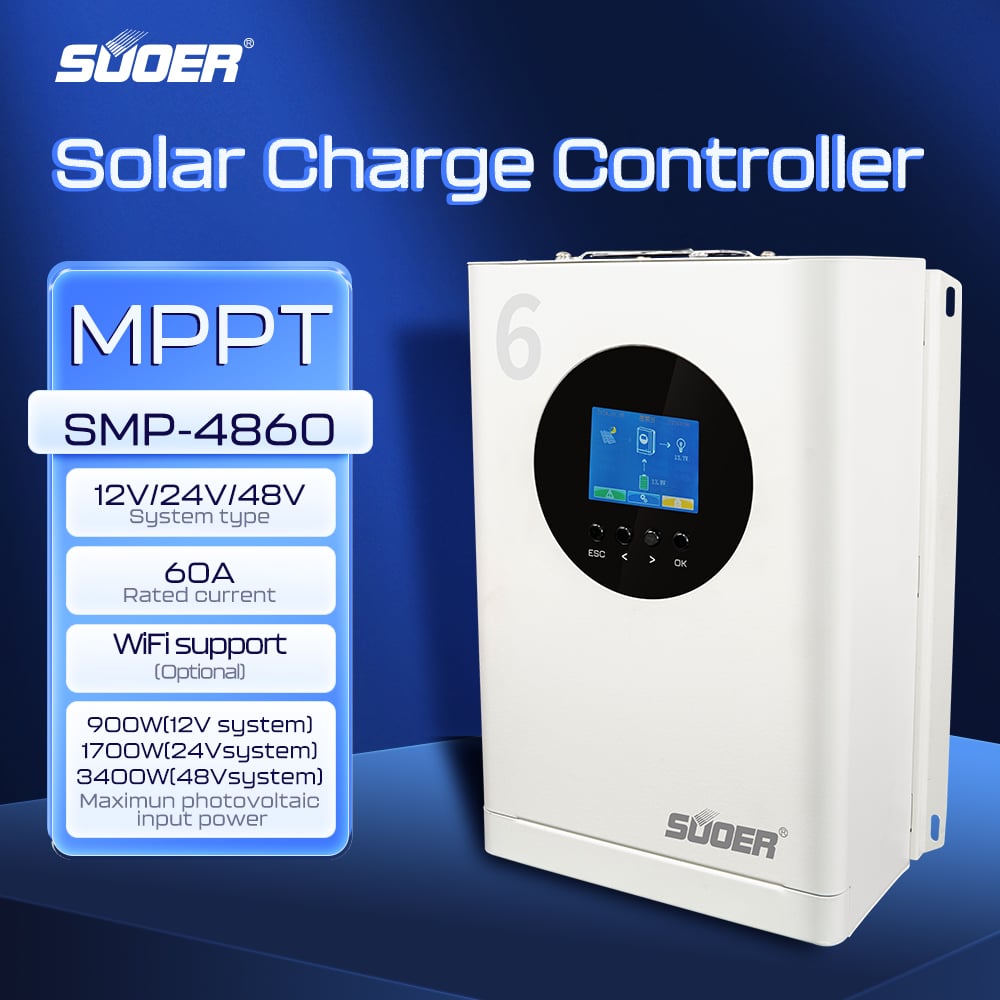
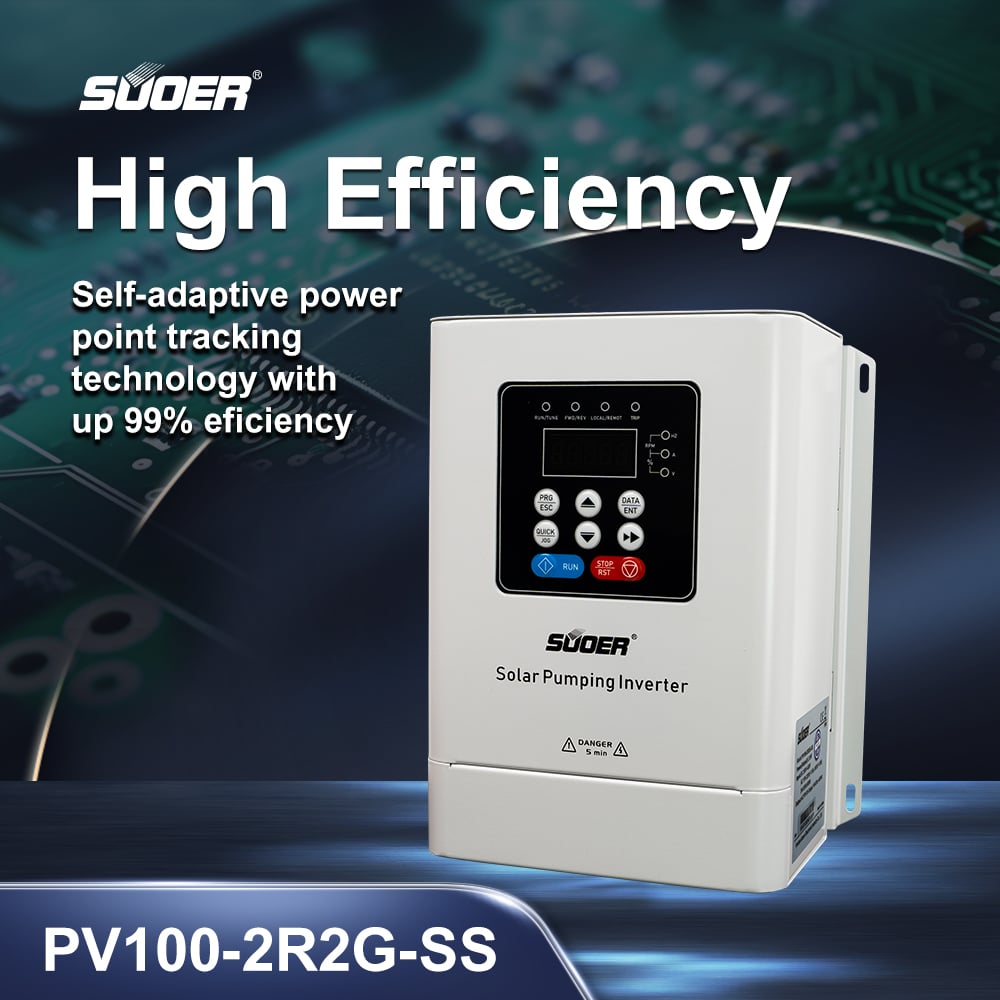
Small battery chargers play a crucial role in powering a wide range of devices, particularly in the electric vehicle and industrial sectors. For purchasing managers and distributors, understanding the specifications, features, and cost factors is essential for making informed decisions. This article will explore key specifications, benefits, common issues, and material advantages of small battery chargers, providing the insights needed to navigate the purchasing process effectively.
When evaluating small battery chargers, several key specifications should be prioritized to ensure that the product meets application needs.
Voltage and Current Ratings: It’s vital to match the charger’s output voltage and current with the specifications of the battery it will charge. An unsuitable voltage can lead to inefficient charging or even damage to the battery, while inadequate current may result in prolonged charging times.
Charging Time: The efficiency of a charger often hinges on its charging speed. Distributors should assess the charger’s ability to deliver a full charge within an acceptable timeframe, especially for applications in fast-paced environments.
Compatibility: Ensure that the charger is compatible with various battery chemistries (e. g., lithium-ion, lead-acid). 1000 watt pure sine wave inverter versatility can be a significant selling point for distributors, allowing them to cater to a broader customer base.
Safety Features: Look for chargers that include overcurrent protection, overvoltage protection, and thermal management systems. These features are crucial for preventing damage to both the charger and the batteries during operation.
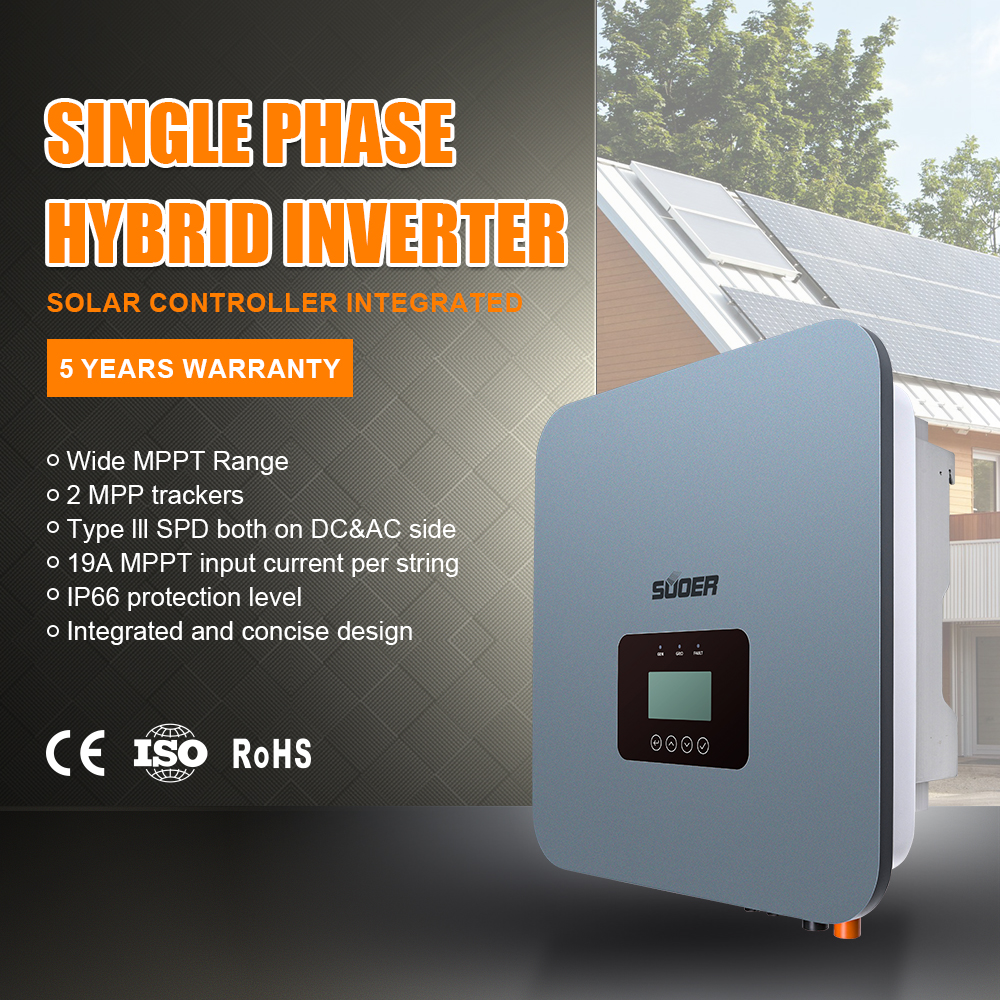
Certifications: Chargers should ideally have relevant certifications such as ROHS, CE, and ISO9001, ensuring compliance with safety and environmental standards. This not only assures quality but also enhances trust with end-users.
Small battery chargers come equipped with various features that provide specific benefits, making them indispensable in various applications.
Compact Design: Many small battery chargers are designed with portability in mind, allowing users to easily carry them or integrate them into tight spaces. This is particularly beneficial in automotive applications where space is often limited.
Smart Charging Technology: Advanced chargers may include smart technology that adjusts the charging parameters based on the battery's state. This feature optimizes charging efficiency and prolongs battery life, which can be a significant selling point for distributors.
Multi-Functionality: Chargers that can handle multiple battery types and configurations can simplify inventory management for distributors. A single model that accommodates various applications reduces the need for multiple products in stock.
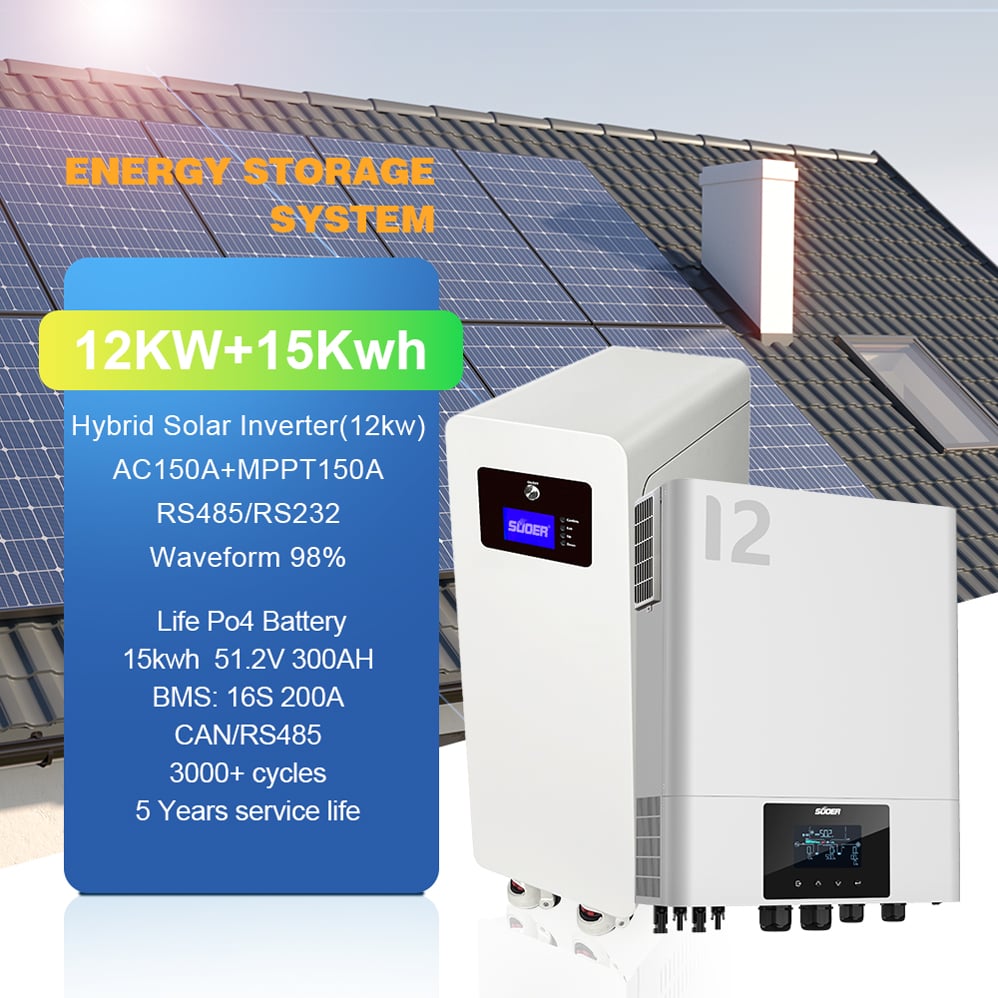
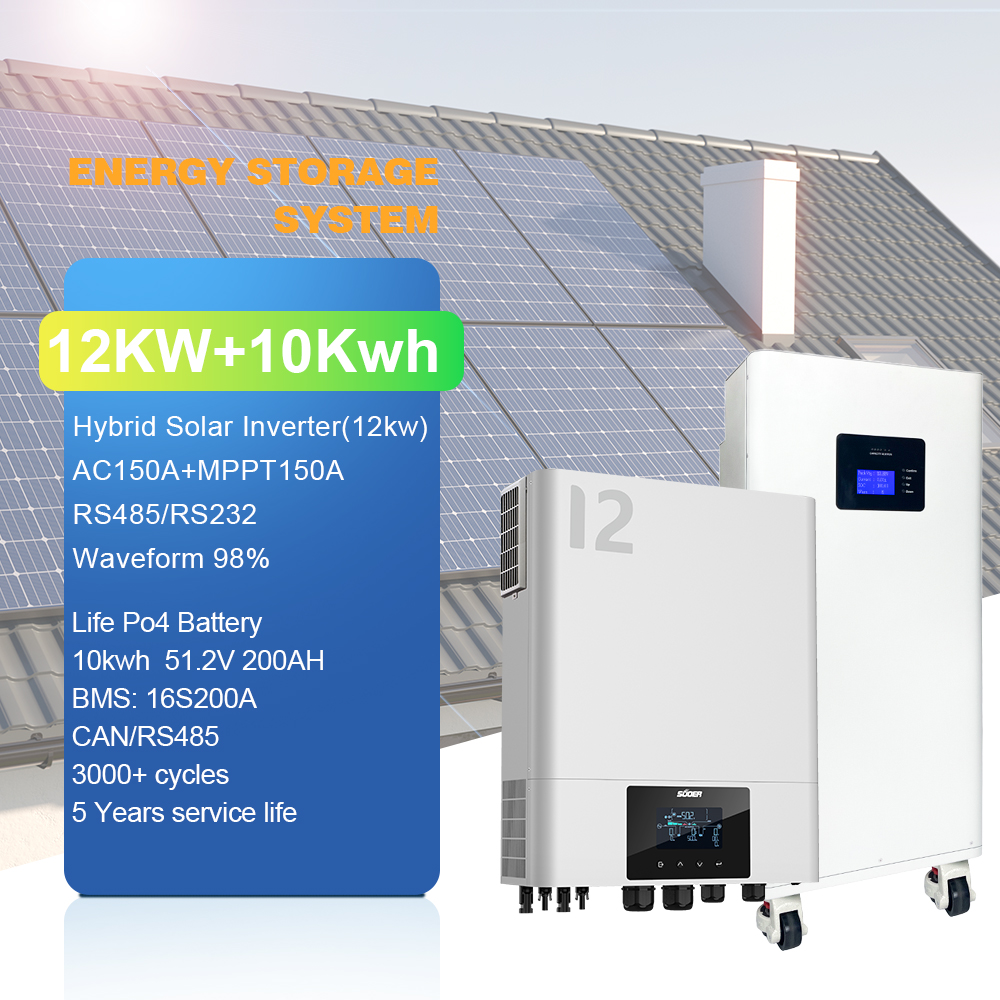
Durability: Many chargers are built to withstand harsh environments, making them suitable for industrial applications. 12kw solar inverter durability can lead to lower replacement costs and improved customer satisfaction.
Several cost factors should be considered when importing small battery chargers:
Manufacturing Costs: The complexity of the charger design and the materials used directly impact production costs. Automated manufacturing processes can reduce costs but may require higher initial investments.
Volume Discounts: Many manufacturers offer price breaks for larger orders. Importers should discuss minimum order quantities (MOQ) with suppliers to understand potential savings.
Shipping and Customs Fees: Shipping costs can vary significantly based on the destination and the weight of the product. Importers should factor in customs duties and taxes as these can affect overall pricing.
Warranty and Support: A product with a robust warranty and good customer support may come at a higher price but can save costs in the long run through reduced returns and customer service issues.
Market Demand: Understanding trends in the electric vehicle and industrial sectors can help importers make informed purchasing decisions, ensuring they stock items that are likely to see high demand.
Despite their utility, small battery chargers can present various challenges. Here are some common issues and effective solutions:
Overheating: Chargers can overheat due to poor ventilation or prolonged use. Ensuring that chargers have built-in thermal management systems can mitigate this risk.
Incompatibility with Battery Types: Using a charger not designed for specific battery chemistries can lead to inefficiency or damage. Importers should always confirm compatibility based on the batteries they intend to charge.
Inconsistent Charging Performance: Variability in charging times can frustrate users. Implementing smart charging technology can help maintain consistent performance by adapting to the battery's needs.
Physical Damage: Chargers used in industrial settings are prone to physical wear and tear. Selecting robust designs with protective casings can help reduce damage from drops or exposure to harsh conditions.
Limited Lifecycle: If a charger has a short lifespan, it can lead to increased replacement costs. Buyers should evaluate the durability and warranty of the charger as part of their purchasing decision.
The materials used in the construction of small battery chargers significantly impact their performance and durability. Key material considerations include:
Housing Materials: Chargers made from high-quality plastic or metals provide better durability and can withstand harsher environments. This is crucial for industrial applications where equipment may be exposed to dust, moisture, or physical impact.
Internal Components: The choice of internal components, such as capacitors and transformers, directly affects performance and efficiency. High-grade components can improve charging efficiency and reduce energy losses.
Heat Resistance: Materials that can withstand high temperatures are essential for chargers that operate in elevated thermal environments. 12kw hybrid inverter not only extends the lifespan of the charger but also ensures consistent performance.
Environmental Compliance: Using materials that comply with environmental standards, such as ROHS and REACH, is becoming increasingly important. It not only meets regulatory requirements but also appeals to eco-conscious customers.
Customization Options: Many manufacturers offer customization in terms of materials for specific applications, allowing businesses to tailor chargers to their needs. This flexibility can be a significant advantage in meeting diverse customer requirements.
Through understanding these aspects, purchasing managers, distributors, and importers can better navigate the complexities of selecting and procuring small battery chargers for various applications.

Discover Suoer’s premium range of solar inverters and power inverters designed for reliable renewable energy solutions.Trusted by customers worldwide for exceptional performance and durability.
Suoer Industrial Zone, Ercun Road Section, Yanfeng Avenue, Shishan Town,Foshan city,Guangdong Province,China
Copyright © 2024 Foshan Suoer Electronic Industry Co., Ltd. Privacy Policy - Blog

 EN
 AR
 NL
 FR
 DE
 EL
 IT
 JA
 KO
 PT
 RU
 ES
 VI
 TH
 TR
 BG
 HR
 CS
 NO
 PL
 TL
 ID
 SR
 UK
 SQ
 HU
 MT
 AF
 MS
 IS
 HY
 AZ
 BN
 BS
 GU
 LO
 LA
 MN
 NE
 TA