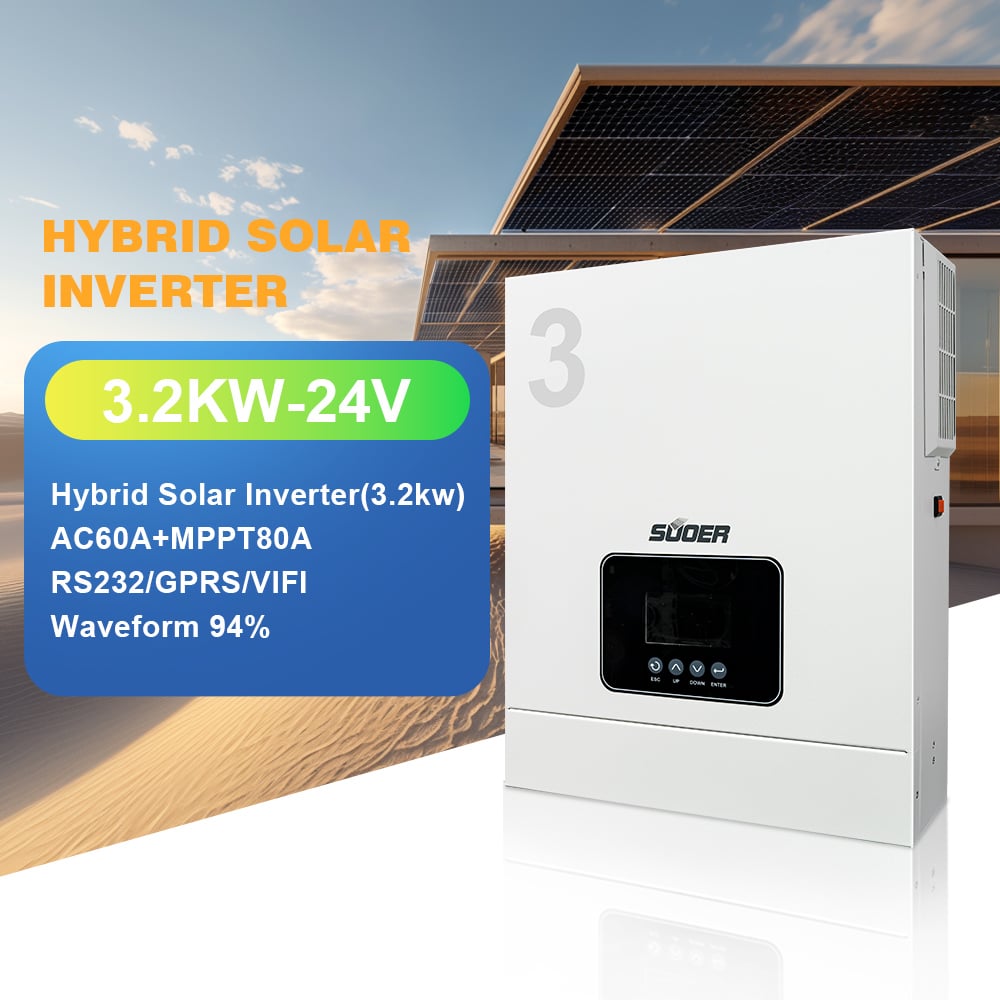
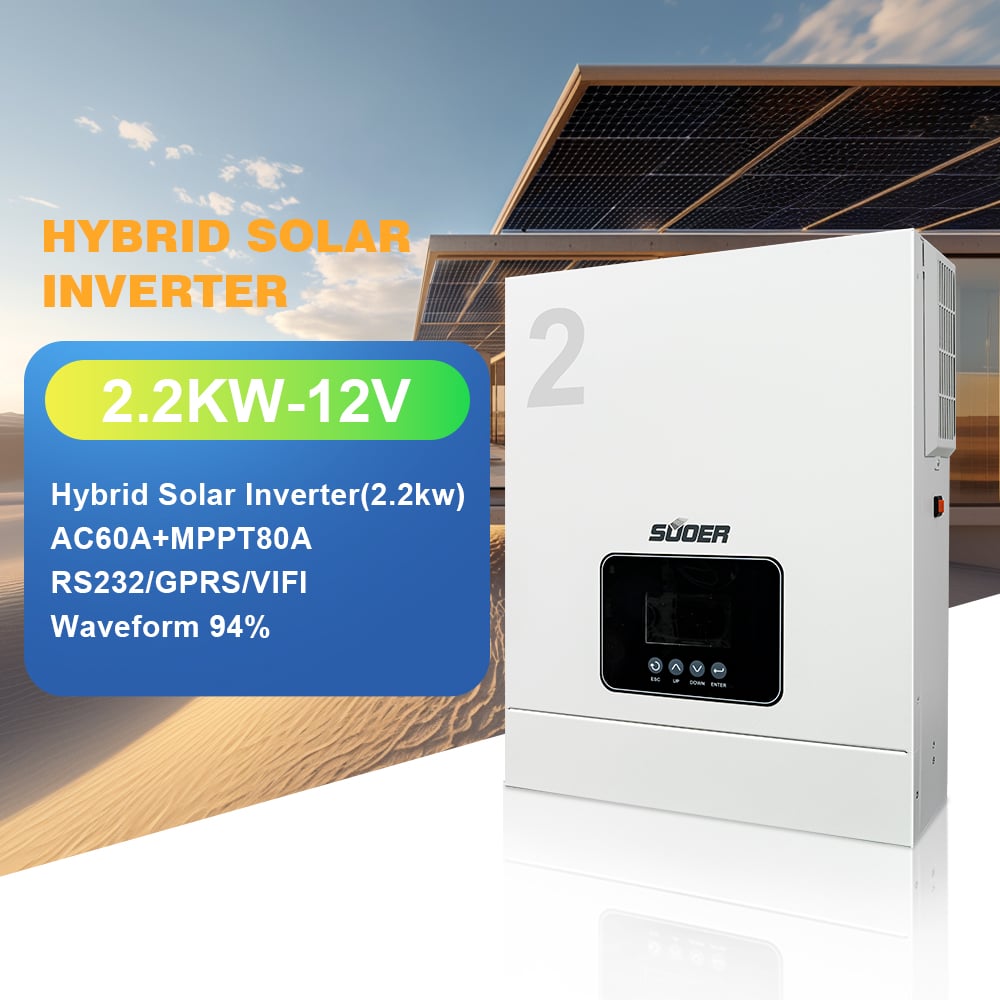
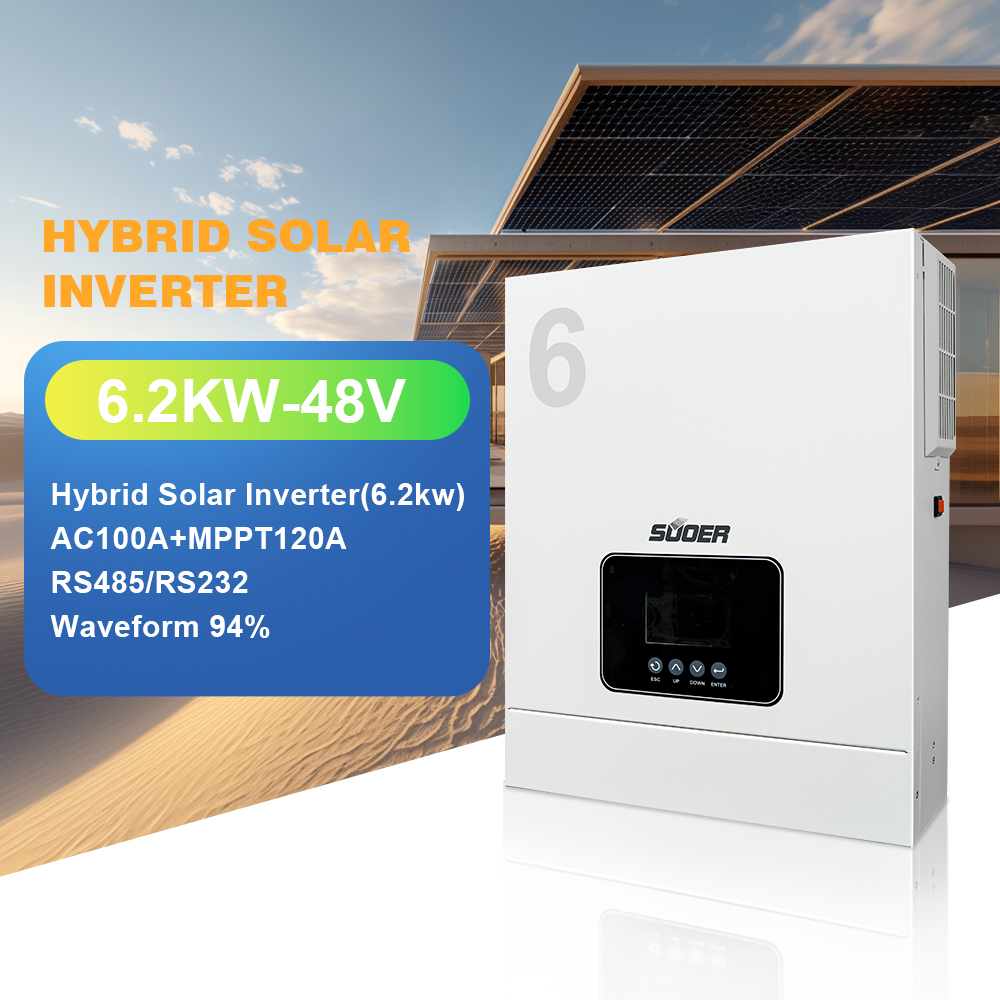
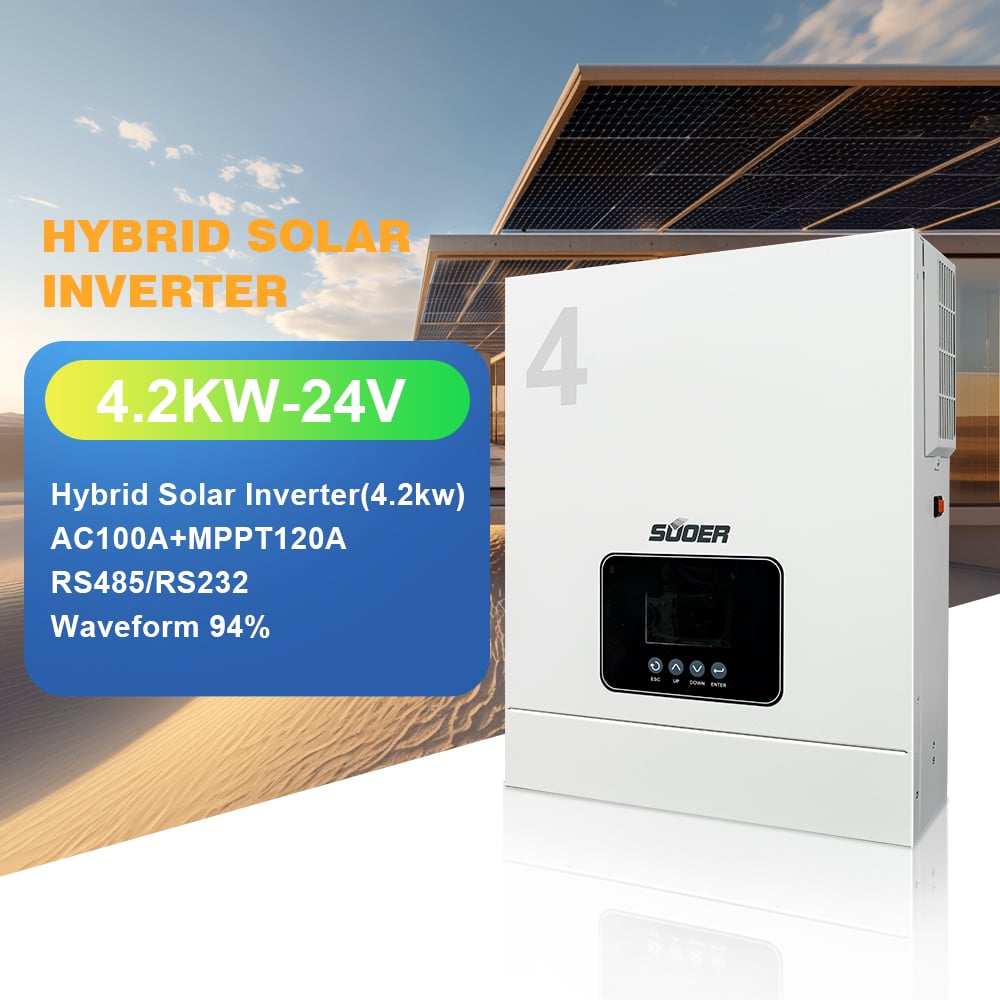
The inverter pure sine wave 300W is a critical component in various industrial and commercial applications, ensuring that electronic devices receive clean and stable power. Purchasing managers and engineers often face concerns regarding quality, compatibility, and certification when selecting inverters for their operations. This article will guide you through essential considerations, potential problems, and effective solutions related to 300W pure sine wave inverters, helping you make informed purchasing decisions.
Certifications such as ROHS, CE, and ISO9001 are essential indicators of product quality and safety in the manufacturing sector. For inverters, these certifications ensure that the product meets specific industry standards regarding performance, safety, and environmental impact.
When evaluating a 300W inverter pure sine wave, confirm that the product is certified. This can help you avoid potential issues with non-compliance, which may lead to legal liabilities or product recalls. Additionally, certified products often undergo rigorous testing, ensuring better reliability and longevity, which can lower total ownership costs over time. Always ask suppliers for certification documents to verify compliance before making a purchase.
Despite advancements in technology, common issues can arise with inverters, including voltage instability, overheating, and noise.
Voltage Instability: This can occur due to fluctuations in input voltage or load demands. To mitigate this, ensure that the inverter has built-in voltage regulation features. Additionally, understanding your application’s power requirements can help in selecting an inverter that can handle variable loads without compromising performance.
Overheating: Inverters can overheat if they are not adequately ventilated or if they are overloaded. Buyers should confirm that the inverter has sufficient thermal management features, such as heat sinks or fans, to dissipate heat effectively. Regular maintenance and monitoring during operation can also help prevent overheating issues.
Noise: Some inverters produce electromagnetic interference (EMI) or audible noise during operation. To address this, consider selecting inverters designed with noise reduction technologies. Assessing the inverter's specifications for EMI suppression can be crucial in sensitive applications.
By understanding these common issues and their solutions, purchasing managers can ensure that they select inverters that will perform reliably in their specific applications.
When looking to bulk order 300W pure sine wave inverters or 1000 watt pure sine wave inverter, it is essential to choose a reputable supplier who can provide high-quality products consistently. Here are some factors to consider:
Manufacturing Capabilities: Ensure the supplier has automated production systems and a robust quality control process. This can significantly affect the consistency and reliability of the inverters produced.
Customization Options: Depending on your application, you may need specific features or configurations. A supplier that offers customization can provide a better fit for your needs.
Minimum Order Quantity (MOQ): Verify the supplier's MOQ, as this can impact your purchasing decisions, especially if you are testing the market with a new product.
Lead Time: Discuss lead times and ensure that the supplier can meet your delivery requirements. Timely delivery is essential for maintaining production schedules.
Reputation and Reviews: Research the supplier’s reputation in the industry. Reviews and testimonials from other B2B buyers can provide insight into their reliability and product quality.
By considering these factors, you can confidently select a supplier that meets your bulk ordering needs.
Proper installation of a 300W pure sine wave inverter is crucial for optimal performance and longevity. Here are essential guidelines to follow:
Location: Install the inverter in a well-ventilated area to prevent overheating. Avoid placing it in enclosed spaces without airflow.
Wiring: Use appropriate gauge wiring to connect the inverter to the power source and load. Undersized wiring can lead to voltage drops and overheating. Refer to the inverter's specifications for wire size recommendations.
Grounding: Proper grounding is essential to ensure safety and prevent electrical faults. Follow all local electrical codes and guidelines for grounding the inverter.
Load Testing: Before full-scale operation, conduct load testing to ensure that the inverter can handle the expected load without issues. Monitor performance during this phase to identify any potential problems.
Safety Measures: Incorporate circuit breakers and fuses in the installation setup to protect against overloads and short circuits. This is a critical step in safeguarding both the inverter and connected equipment.
By adhering to these installation guidelines, users can enhance the performance and reliability of their 300W pure sine wave inverters.
The versatility of 300W pure sine wave inverters makes them suitable for a wide range of applications across multiple industries:
Electric Vehicles: Inverters are crucial for converting DC power from batteries to AC power for electric motors, ensuring efficient operation and improved vehicle performance.
Telecommunications: Inverters provide stable power to communication equipment, minimizing downtime and ensuring reliable data transmission.
Rail Transit: Inverters are used in rail systems to power onboard electronics, signaling systems, and other critical infrastructure, contributing to operational efficiency and passenger safety.
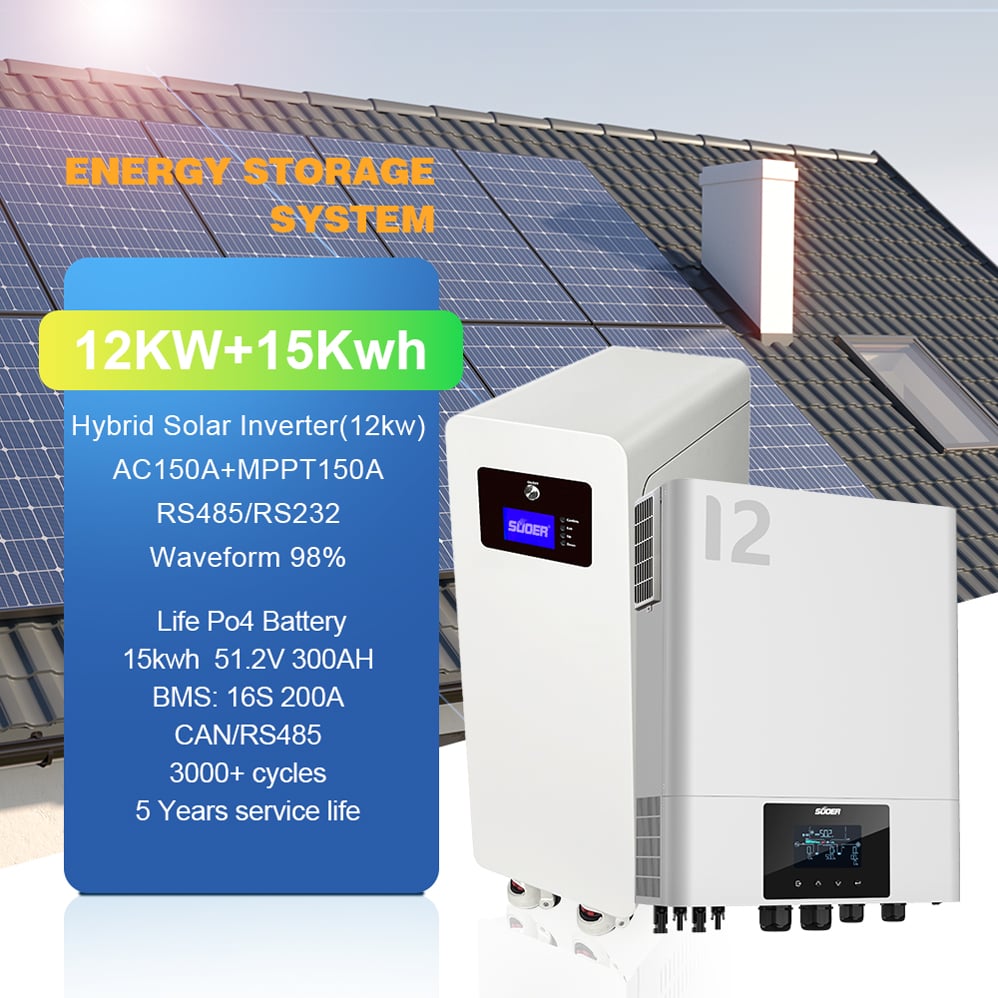
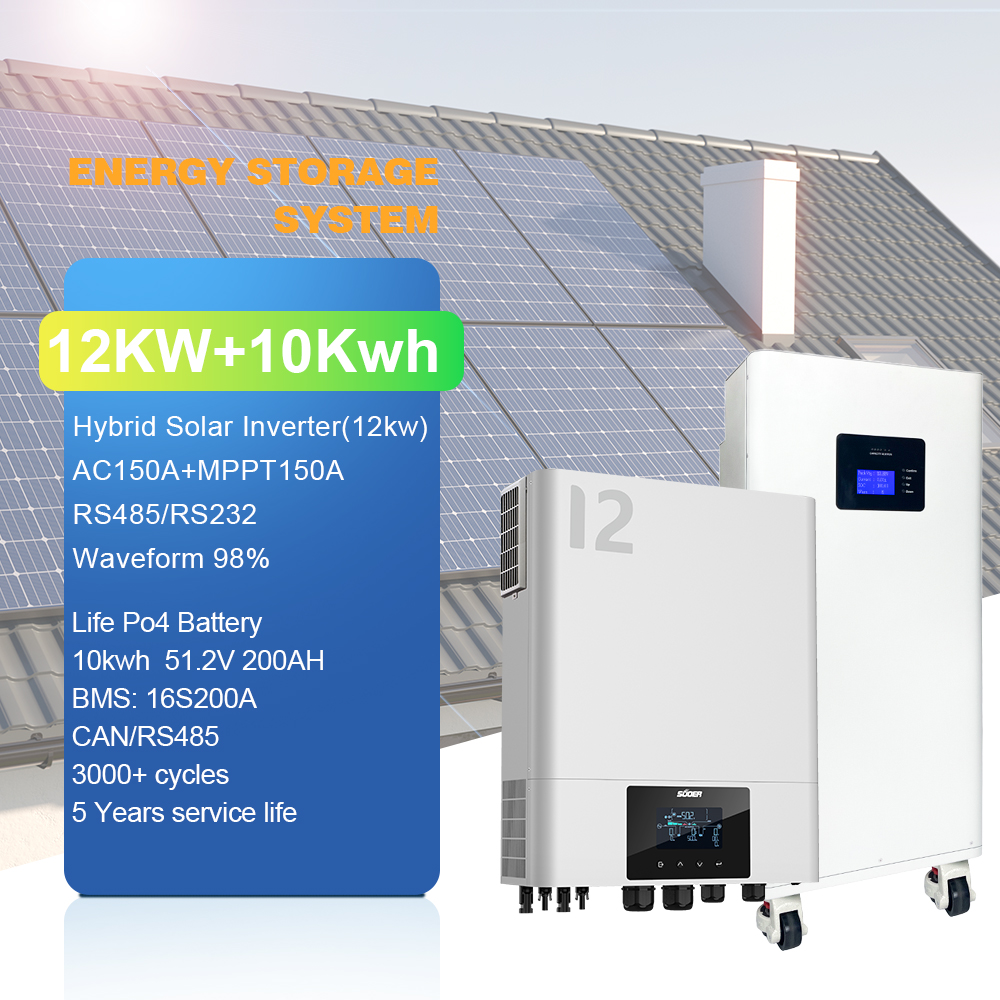
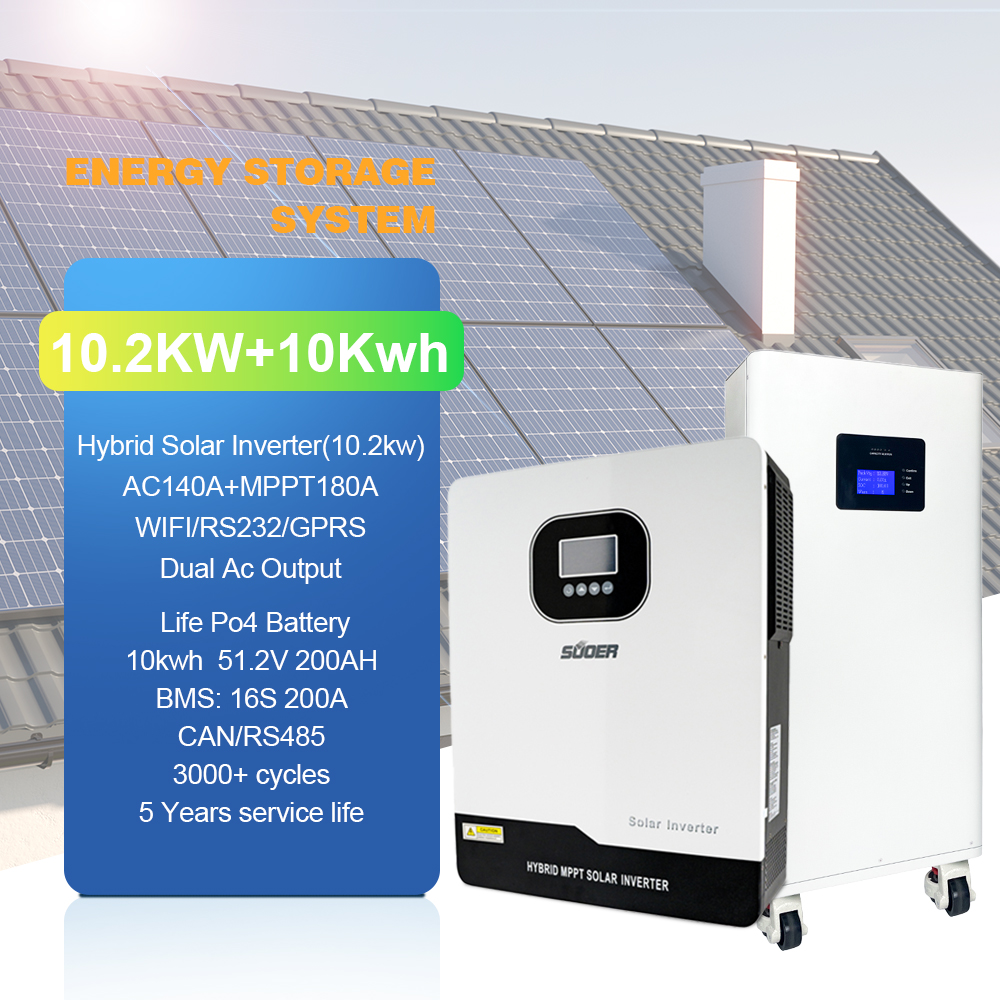
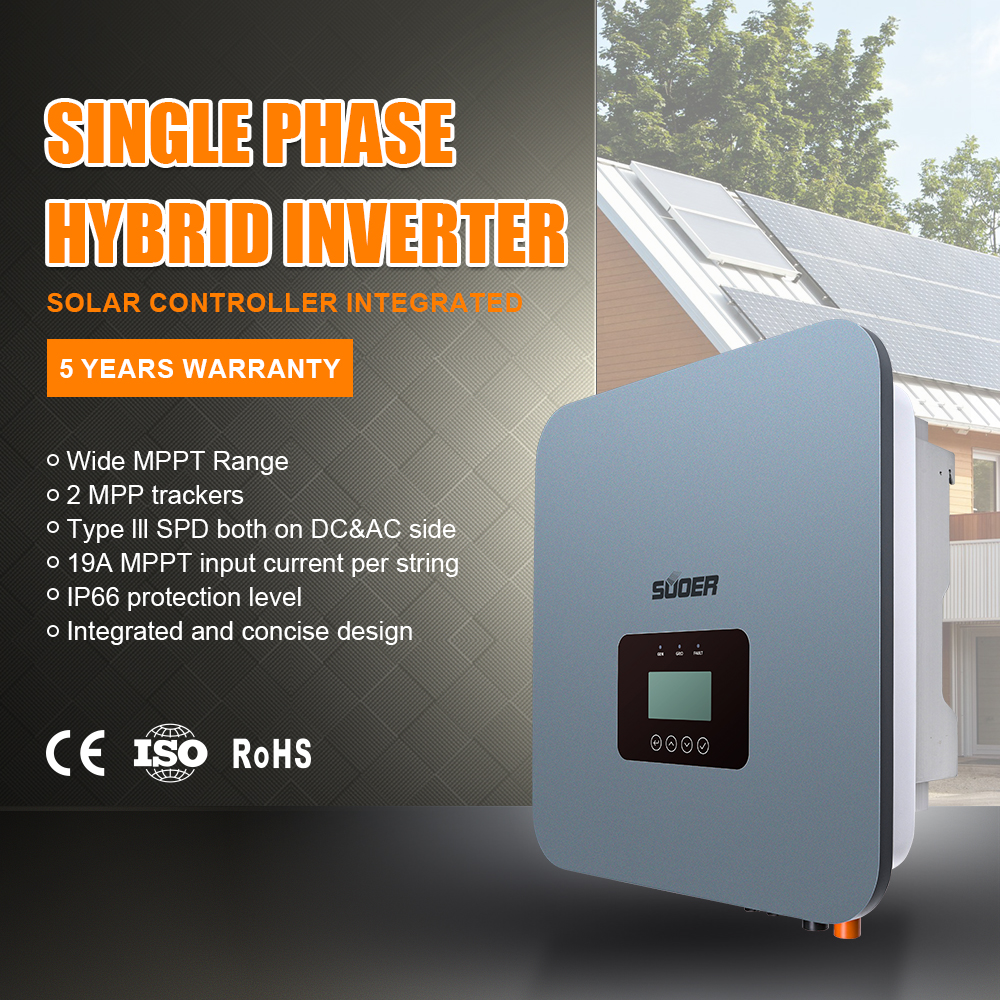
Photovoltaic Systems: In solar energy applications, pure sine wave inverters convert the DC power generated by solar panels into AC power for use in homes and businesses, ensuring compatibility with standard electrical systems.
Understanding the specific applications of 300W pure invert sine wave helps buyers align their purchasing decisions with their operational requirements, ensuring that they select the right inverter for their needs.

Discover Suoer’s premium range of solar inverters and power inverters designed for reliable renewable energy solutions.Trusted by customers worldwide for exceptional performance and durability.
Suoer Industrial Zone, Ercun Road Section, Yanfeng Avenue, Shishan Town,Foshan city,Guangdong Province,China
Copyright © 2024 Foshan Suoer Electronic Industry Co., Ltd. Privacy Policy - Blog

 EN
 AR
 NL
 FR
 DE
 EL
 IT
 JA
 KO
 PT
 RU
 ES
 VI
 TH
 TR
 BG
 HR
 CS
 NO
 PL
 TL
 ID
 SR
 UK
 SQ
 HU
 MT
 AF
 MS
 IS
 HY
 AZ
 BN
 BS
 GU
 LO
 LA
 MN
 NE
 TA