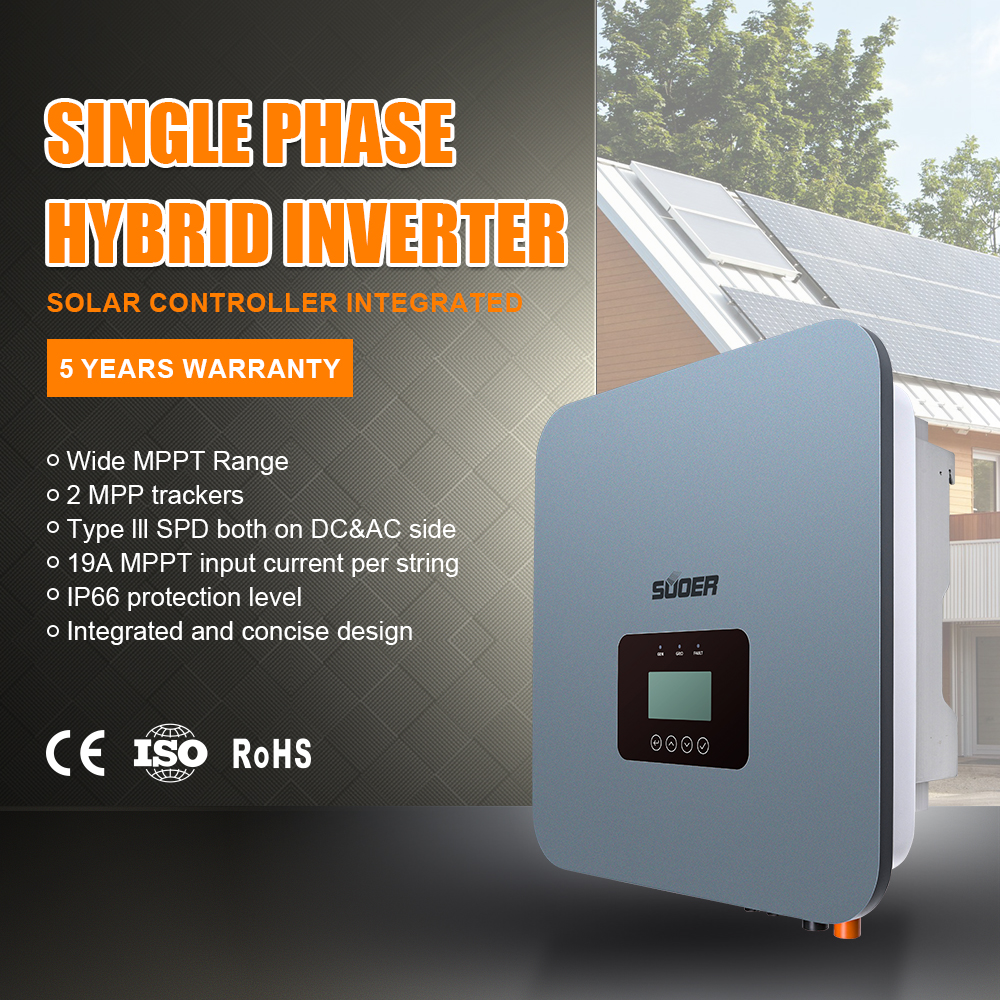
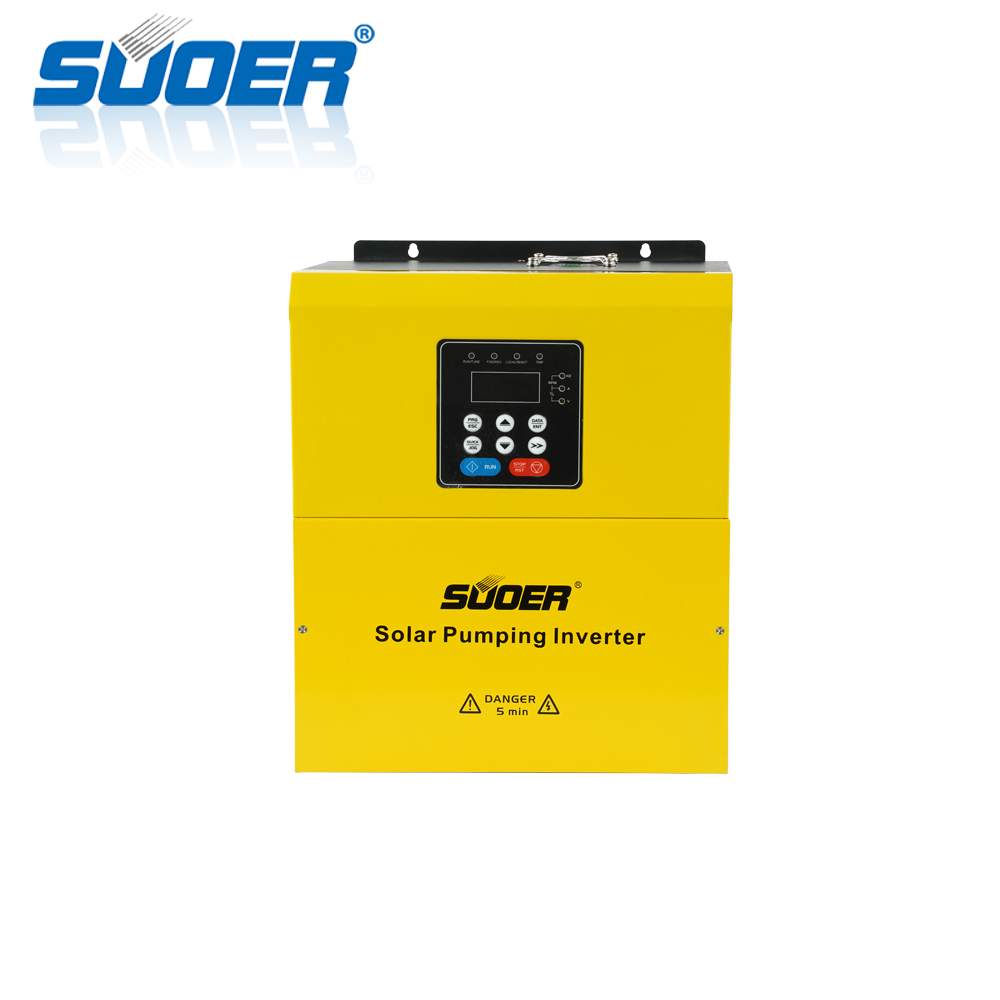
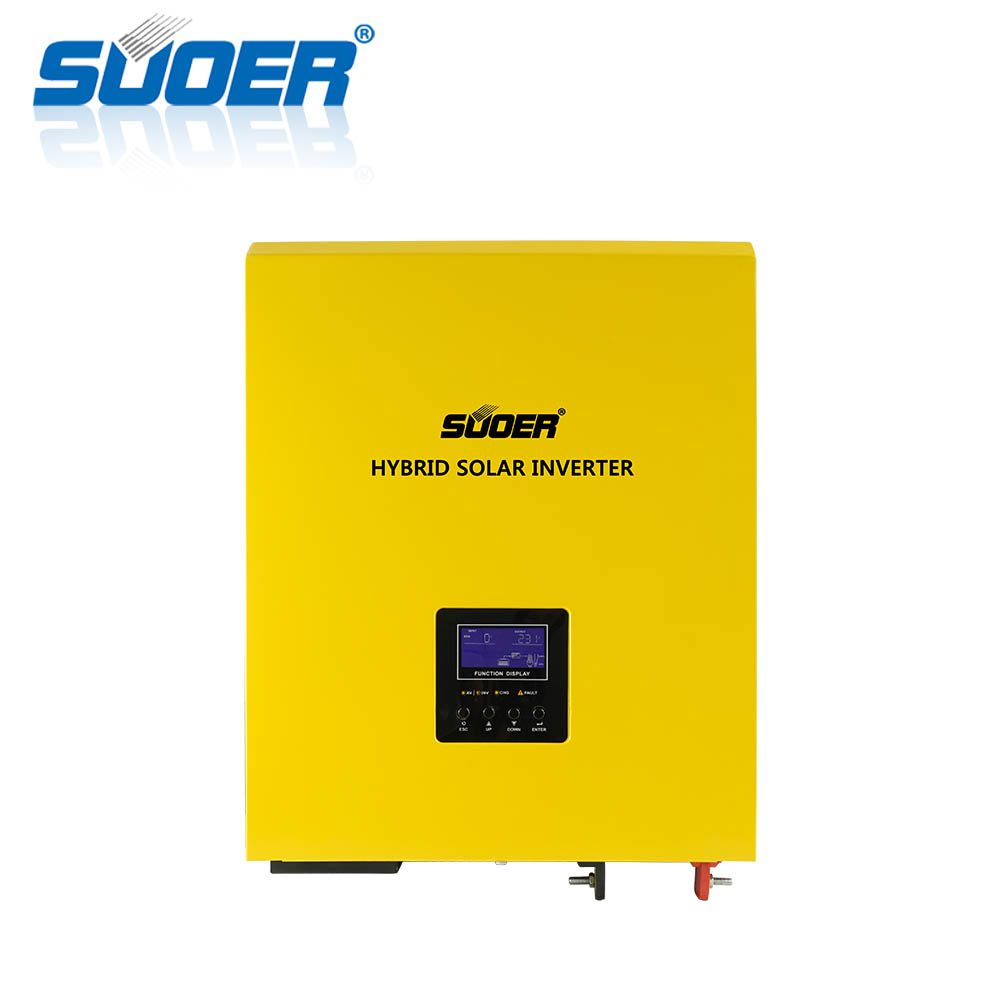
A 6kW hybrid inverter is a critical component in modern energy solutions, blending the capabilities of solar energy and grid power to optimize energy use across various applications. For B2B buyers, understanding the intricacies of selecting the right hybrid inverter is essential to ensure compatibility, efficiency, and reliability in their specific projects. This article will provide insights into the key considerations, specifications, and best practices for sourcing a 6kW hybrid inverter, helping you make informed purchasing decisions.
When selecting a 6kW hybrid inverter, several factors should be taken into account to ensure it meets your project's requirements. First, assess the compatibility with your existing energy systems, such as photovoltaic installations or electric vehicle chargers. If you're integrating this inverter into a photovoltaic system, ensure it can efficiently convert and manage the energy produced by your solar panels.
Next, consider the inverter's efficiency rating. A higher efficiency rating translates to less energy loss during conversion, which is crucial for maximizing the return on investment in renewable energy systems. Additionally, check for features like grid-tie capabilities, battery management systems, and load management options, which can enhance the inverter's functionality.
Lastly, evaluate the manufacturer's reputation, certifications (such as ROHS, CE, and ISO9001), and after-sales support. A reliable hybrid inverter supplier will not only provide a high-quality product but also assist with installation and maintenance, ensuring long-term performance.
Several key specifications should be evaluated when considering a 6kW hybrid inverter:
Input Voltage Range: The inverter should be compatible with the voltage range of your solar panels or battery systems. Ensure this range is suitable for your specific application to avoid performance issues.
Output Power: Confirm that the inverter can handle the expected load requirements. A 6kW inverter should efficiently support the combined power needs of all connected devices.
Efficiency Rating: Look for inverters with a high efficiency rating, typically above 90%. This indicates lower energy loss during the conversion process, leading to better overall performance.
Surge Capacity: Evaluate the inverter's ability to manage short-term power surges, which can occur when starting certain devices. This specification is crucial for applications with high initial power demands.
Operating Temperature Range: Ensure the inverter can operate effectively within the expected environmental conditions. Extreme temperatures can affect performance, so selecting an inverter rated for your climate is advisable.
Communication Features: Modern inverters often include communication capabilities for remote monitoring and control. This can be beneficial for larger installations where performance tracking is essential.
When purchasing 6kW hybrid inverters wholesale, there are several key considerations to guide your procurement process:
Minimum Order Quantity (MOQ): Understand the supplier's MOQ to ensure it aligns with your project needs. Some manufacturers may require larger orders for wholesale pricing.
Pricing Factors: Inquire about bulk pricing and any potential discounts for larger orders. Consider factors such as shipping costs, tariffs, and payment terms that may affect the overall cost.
Lead Time: Confirm the expected lead time for order fulfillment. This is critical for project planning, especially if you are under tight deadlines.
Customization Options: Discuss any customization capabilities with the hybrid inverter manufacturers. Tailoring features to specific project needs can enhance the functionality of the inverter.
Quality Assurance: Verify the manufacturer's quality control processes to ensure that the inverters meet industry standards. Request information about certifications and quality testing procedures.
Warranty and Support: Understand the warranty terms and after-sales support provided. A comprehensive warranty can protect your investment and ensure timely assistance if issues arise.
To effectively compare 6kW hybrid inverters, focus on the following aspects:
Brand Reputation: Research the manufacturer’s history in the industry. A well-established brand with positive reviews typically indicates reliability and quality.
User Reviews and Case Studies: Look for case studies or testimonials from other businesses that have used the inverter. Real-world performance data can provide insight into reliability and efficiency.
Field Testing Results: Inquire about any field testing results or performance metrics provided by the manufacturer. This data can help assess how the inverter performs under various conditions.
Technical Support: Evaluate the availability and responsiveness of technical support. A manufacturer that offers robust support can assist in troubleshooting and optimizing performance.
Return Policy: Understand the return policy in case the inverter does not meet your expectations. A flexible return policy can mitigate the risk associated with purchasing.
Long-Term Performance: Consider the expected lifespan of the inverter. A higher upfront cost may be justified if the inverter has a longer operational life and lower maintenance requirements.
To ensure successful integration and operation of your 6kW hybrid inverter, follow these best practices:
Pre-Installation Testing: Before installation, conduct a thorough review of the installation site and ensure all components are compatible. This includes verifying electrical connections and ensuring the inverter is suitable for the intended application.
Sample Approval: If possible, request a sample unit for testing. This can help identify any potential issues before committing to larger orders.
Proper Installation: Engage qualified technicians for installation to ensure compliance with local electrical codes and optimal performance of the system.
Regular Maintenance: Schedule routine maintenance checks to ensure the inverter is operating efficiently. Monitoring performance can help identify issues early and extend the system's lifespan.
Documentation: Keep thorough documentation of specifications, warranties, and installation guidelines. This will facilitate future maintenance and troubleshooting.
Feedback Loop: Establish a feedback loop with the manufacturer to report any issues and receive updates on new technologies or improvements that may benefit your operation.
By adhering to these best practices, you can maximize the performance and reliability of your 6kW hybrid inverter, ensuring it meets your project's energy needs effectively.

Discover Suoer’s premium range of solar inverters and power inverters designed for reliable renewable energy solutions.Trusted by customers worldwide for exceptional performance and durability.
Suoer Industrial Zone, Ercun Road Section, Yanfeng Avenue, Shishan Town,Foshan city,Guangdong Province,China
Copyright © 2024 Foshan Suoer Electronic Industry Co., Ltd. Privacy Policy - Blog

 EN
 AR
 NL
 FR
 DE
 EL
 IT
 JA
 KO
 PT
 RU
 ES
 VI
 TH
 TR
 BG
 HR
 CS
 NO
 PL
 TL
 ID
 SR
 UK
 SQ
 HU
 MT
 AF
 MS
 IS
 HY
 AZ
 BN
 BS
 GU
 LO
 LA
 MN
 NE
 TA