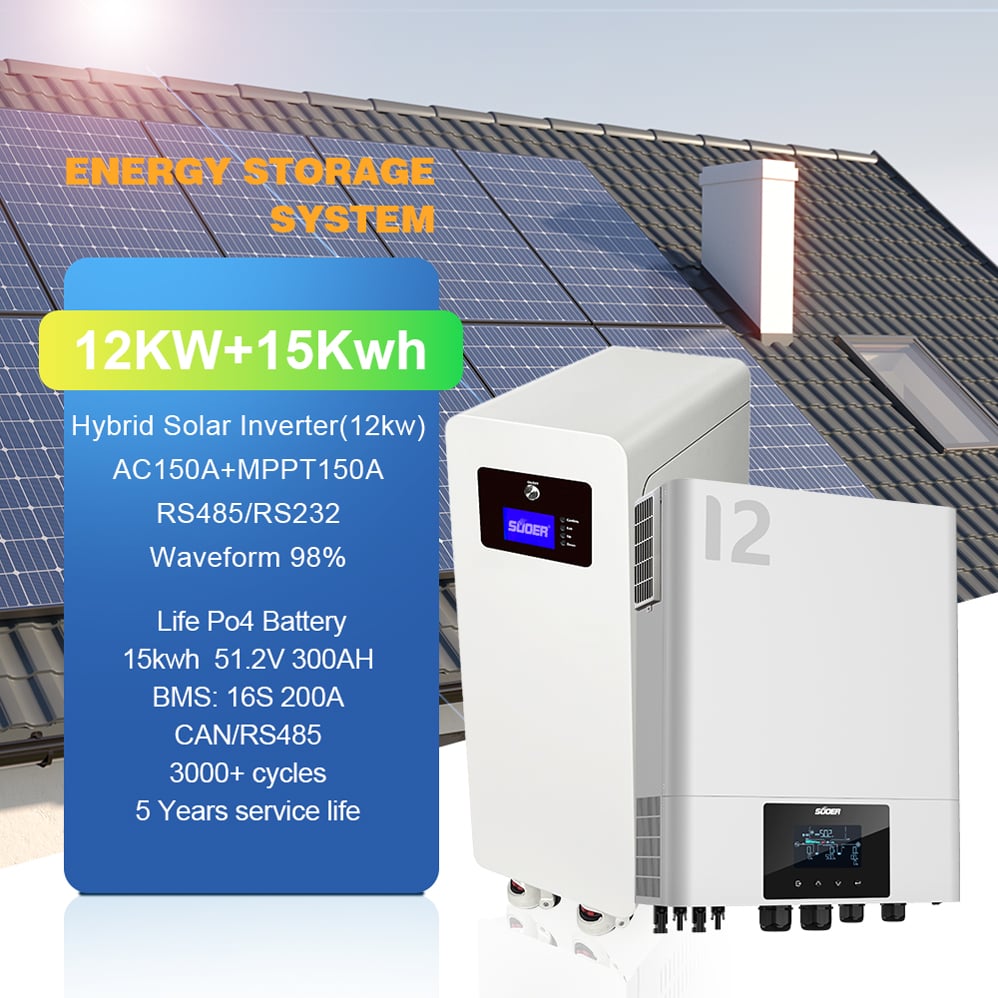
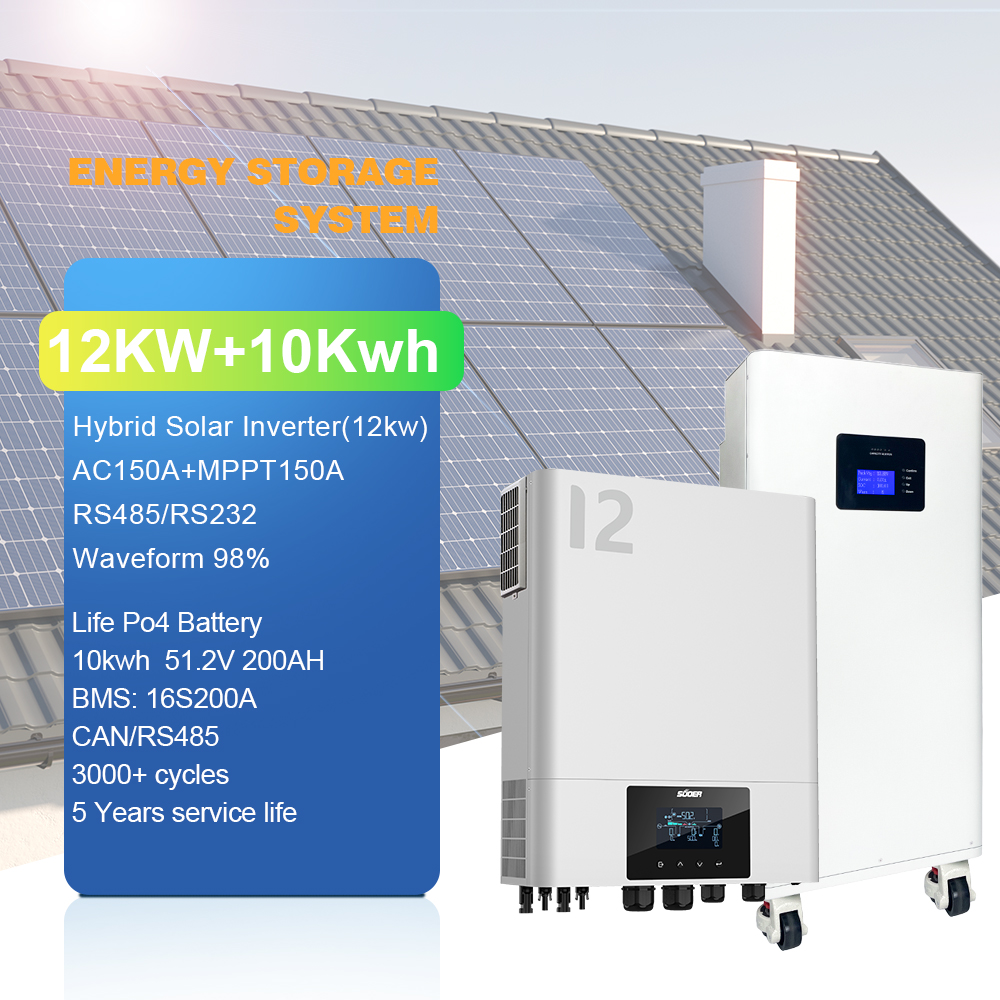
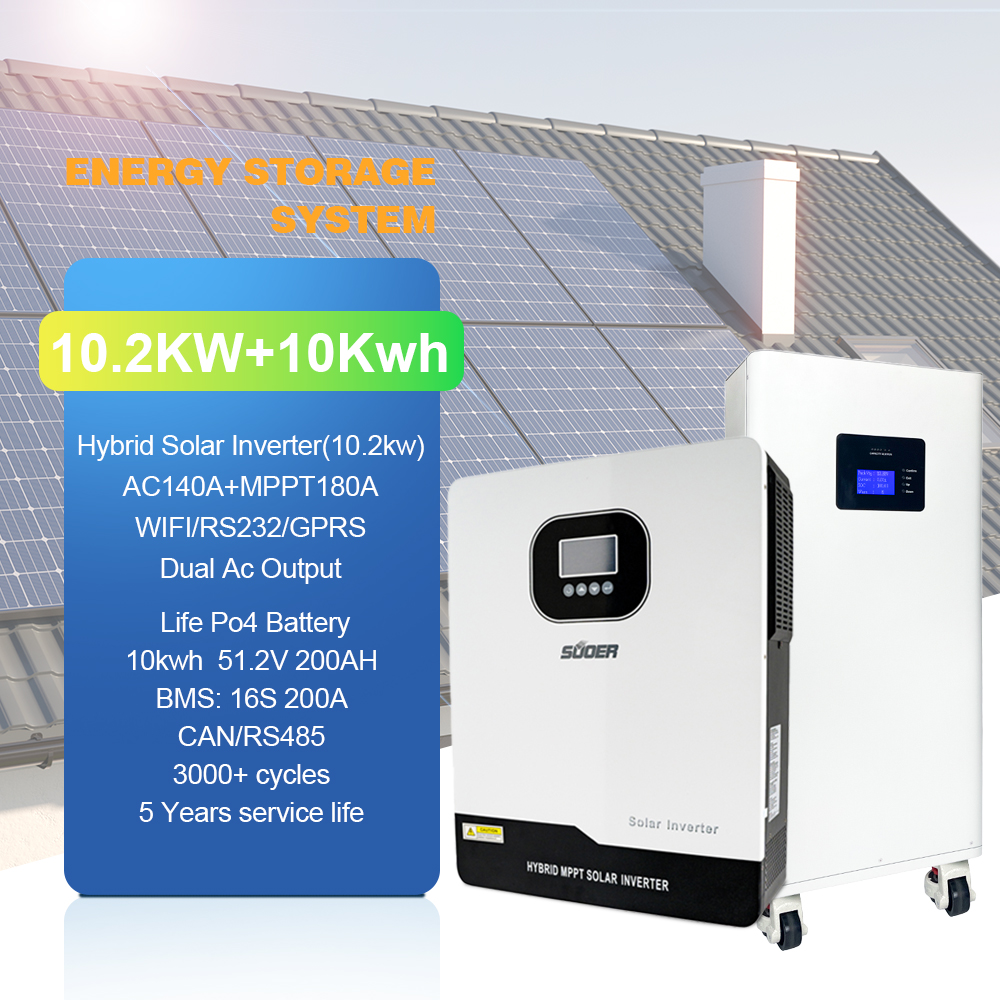
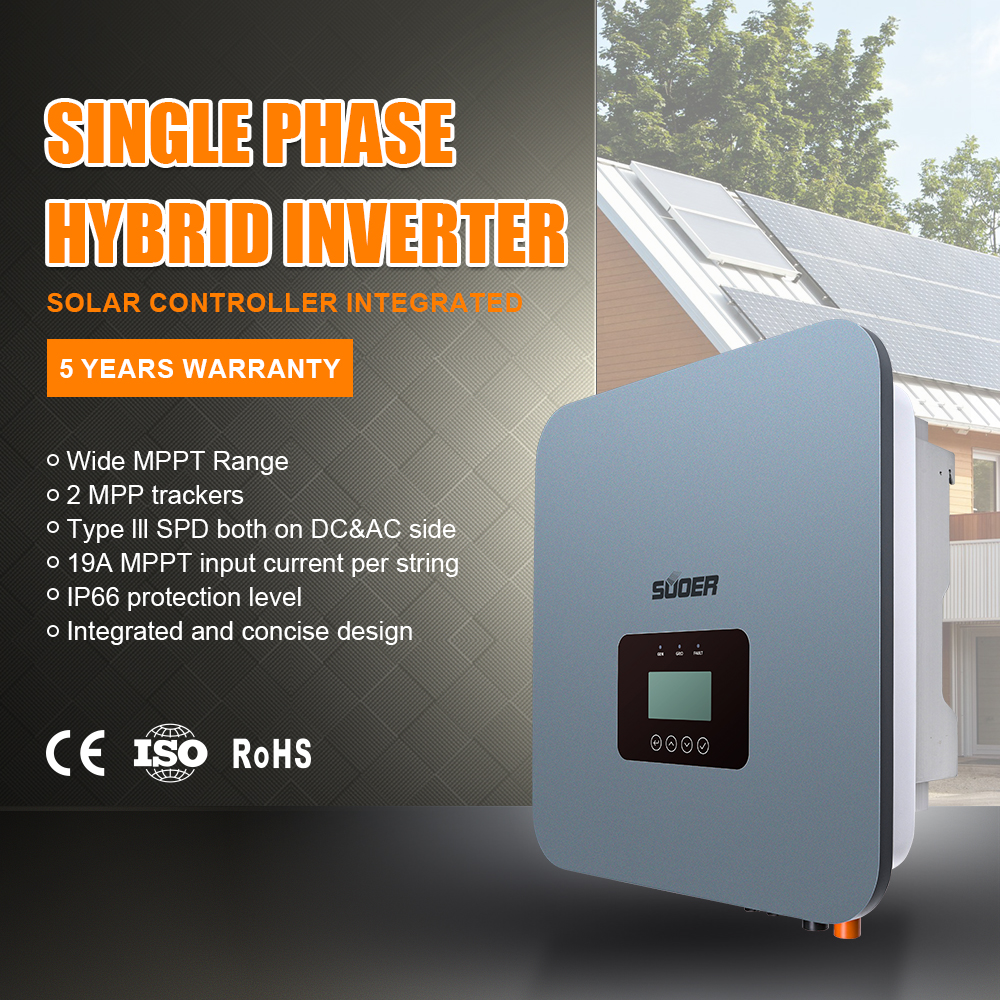
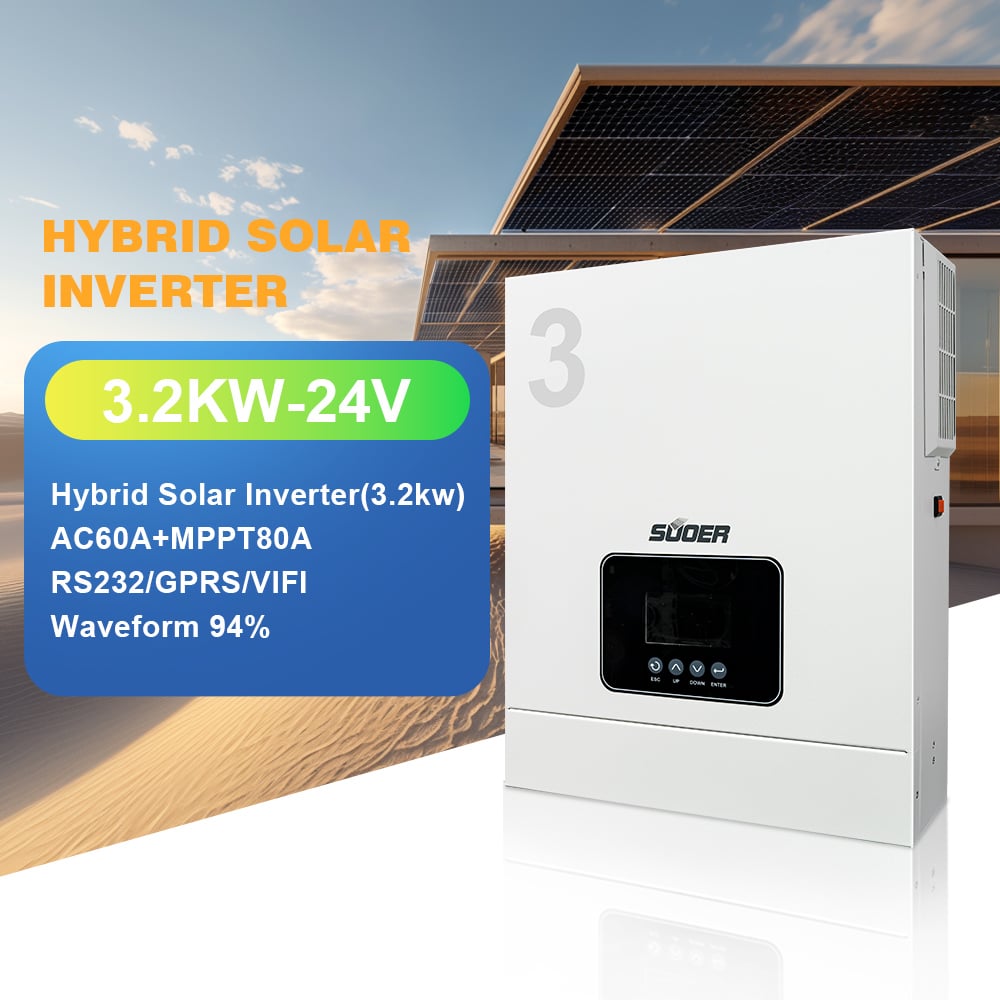
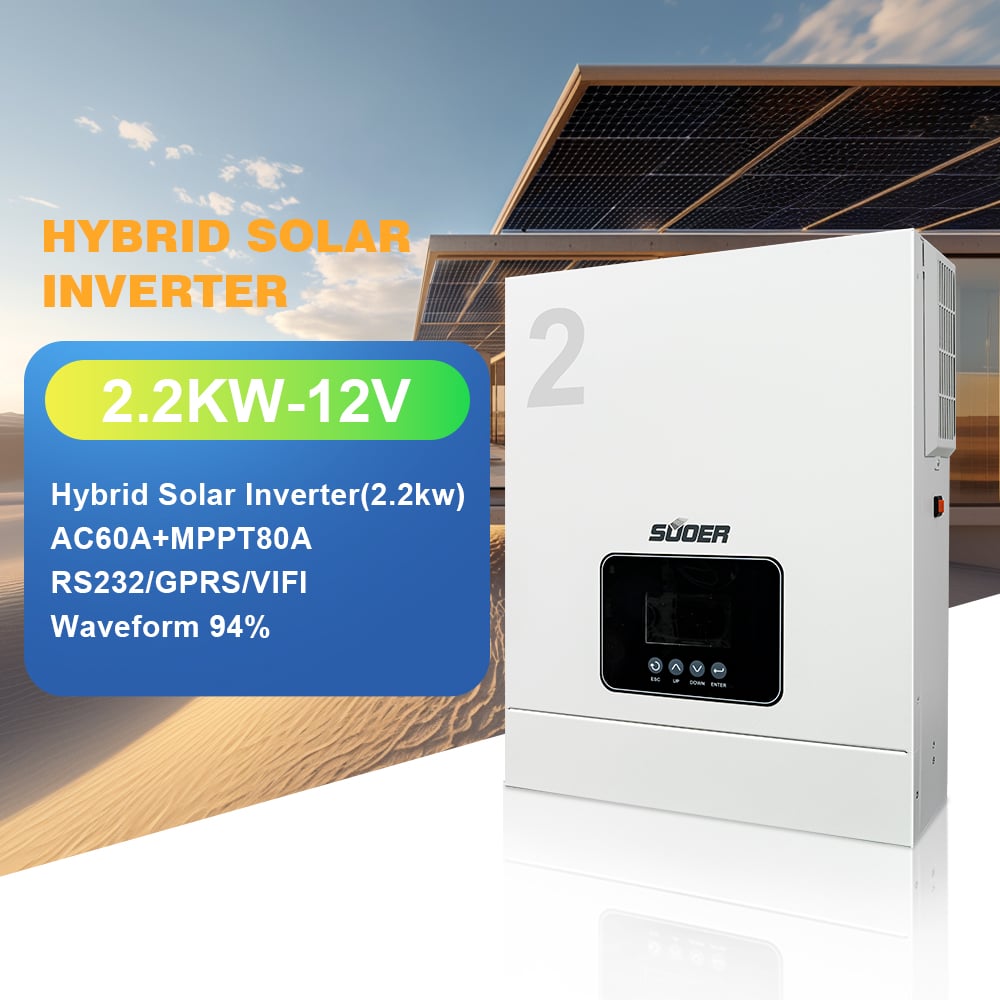
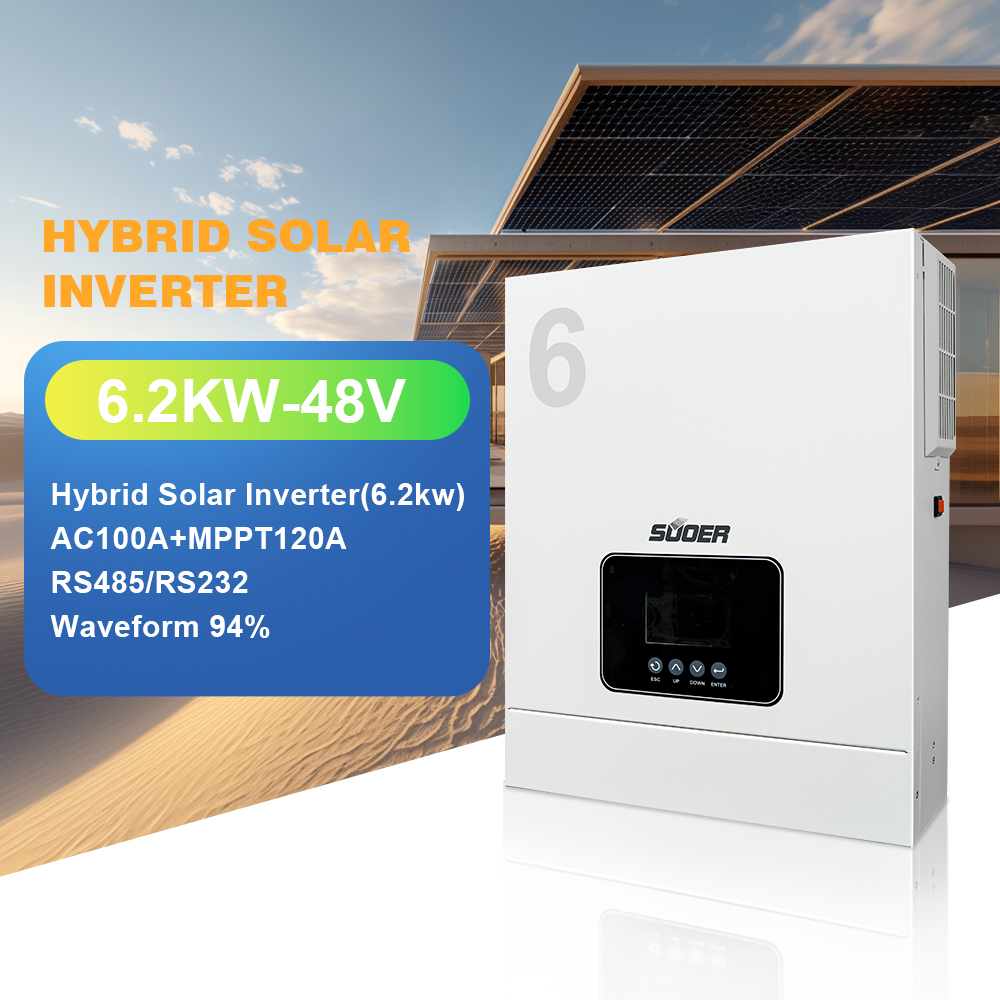
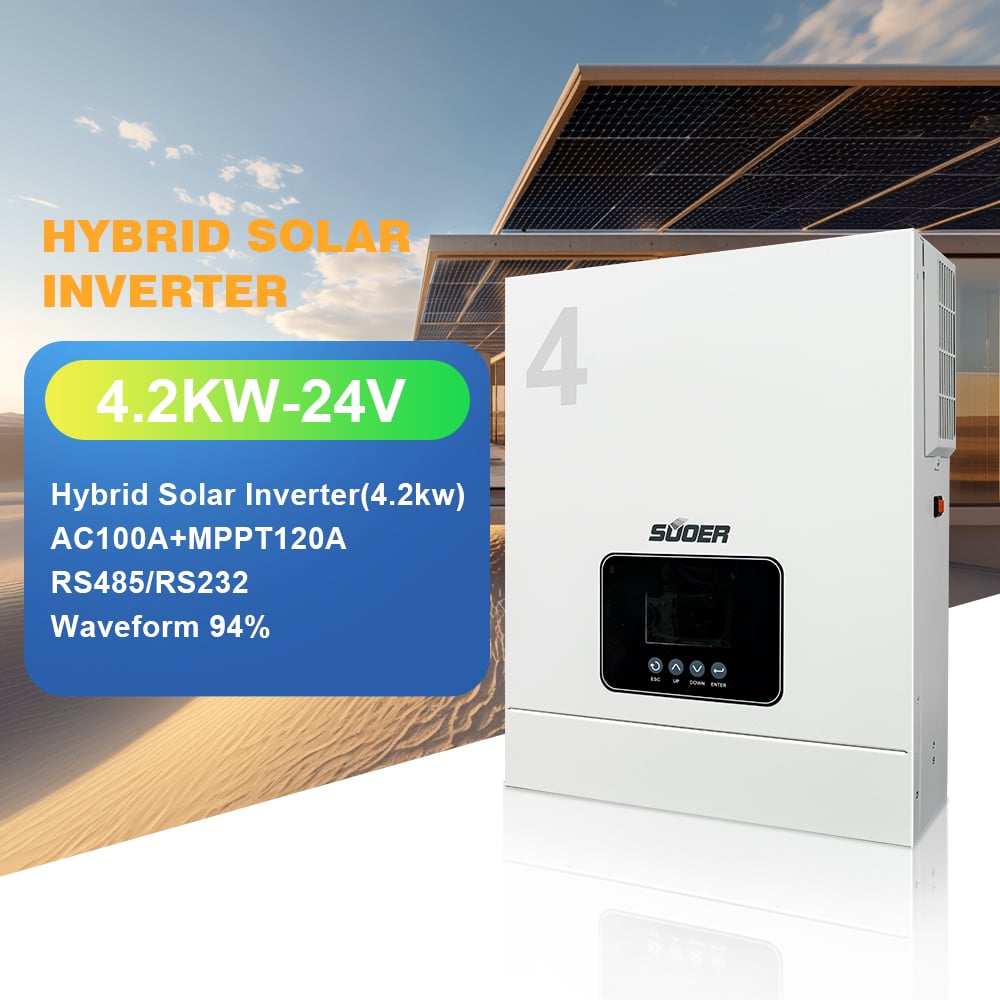
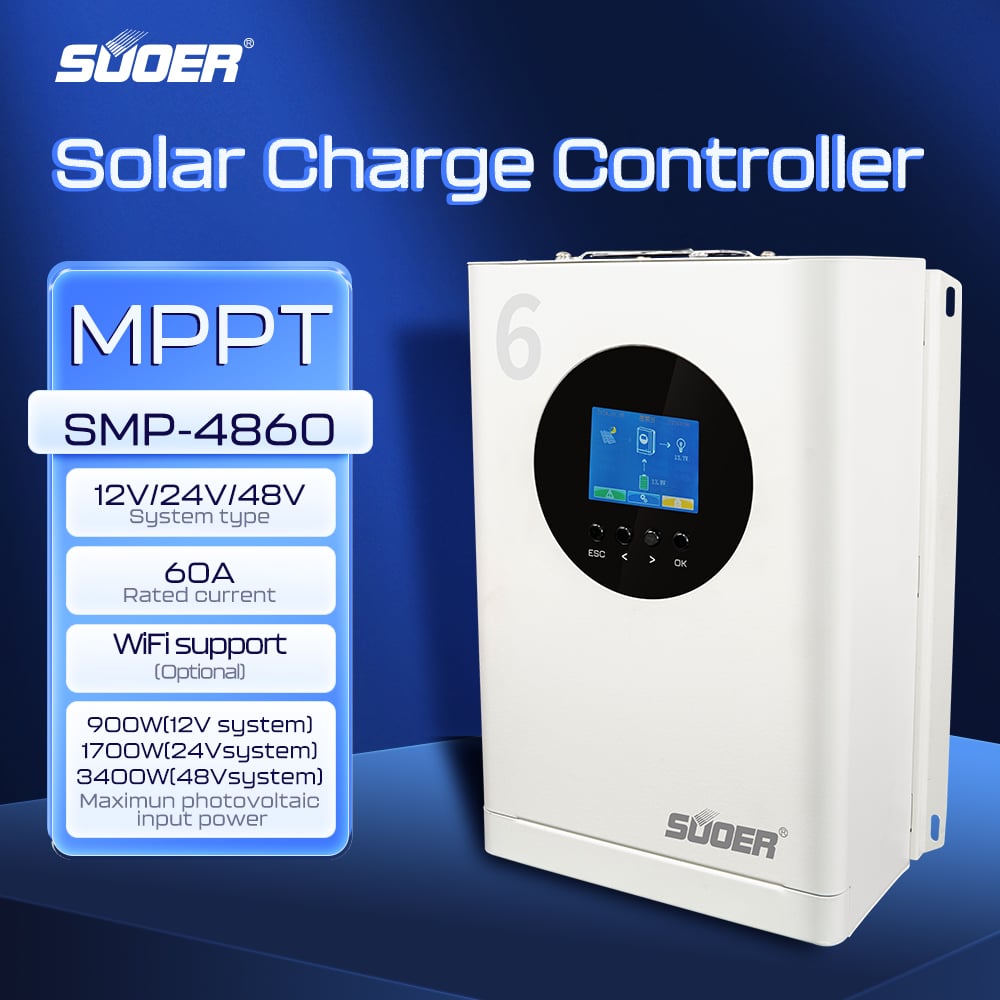
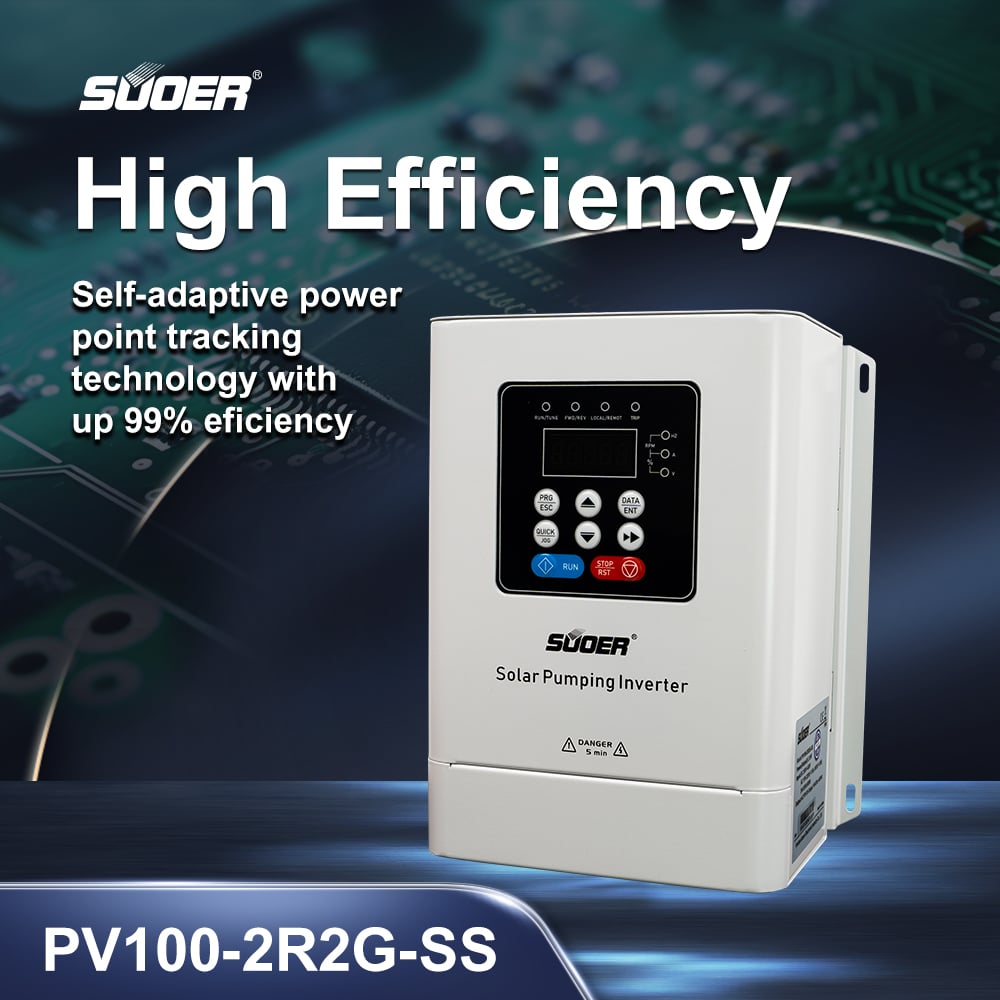
The 5kW solar hybrid inverter is an essential component for integrating solar energy with traditional power systems, offering both efficiency and versatility. As B2B buyers, purchasing managers, and engineers evaluate options in this space, concerns typically revolve around product specifications, compatibility with existing systems, and the reliability of the supplier. This 1kw inverter article will guide you through key specifications to consider, sourcing options, cost factors, common installation problems, and model comparisons to empower informed purchasing decisions.
When selecting a 5kW solar hybrid inverter, several key specifications are critical to ensuring optimal performance and compatibility with your application.
Input Voltage Range: This 2000w inverter 12v 220v specification impacts the inverter's ability to handle varying solar panel outputs. Ensure the inverter can accommodate the maximum voltage produced by your solar array, typically ranging from 150V to 600V.
Efficiency Rating: The efficiency of a solar hybrid inverter is a measure of how well it converts DC electricity from solar panels into AC electricity for use in buildings. Look for models with efficiency ratings above 90% to maximize energy production.
Surge Capacity: This defines the maximum power the inverter can handle in short bursts, which is especially important for appliances that require higher power to start. A surge capacity of 1.5 to 2 times the inverter's rated power is generally advisable.
Communication Interfaces: Many modern inverters come with advanced monitoring capabilities. Look for options that offer Wi-Fi or Ethernet connectivity for remote monitoring and control, as well as compatibility with energy management systems.
Certifications: Ensure that the inverter has relevant certifications such as ROHS, CE, and ISO9001, which indicate compliance with international standards and quality assurance.
Understanding these specifications allows buyers to select an inverter that not only meets their current needs but can also adapt to future energy demands.
Sourcing quality 5kW solar hybrid inverters requires careful consideration of suppliers to ensure reliability and performance. Here are effective strategies for sourcing:
Established Manufacturers: Partnering with manufacturers who have a strong reputation in the renewable energy sector can provide assurance of quality. Look for companies that specialize in power supplies and have a proven track record with major players in the vehicle OEM and telecommunications sectors.
Trade Shows and Industry Events: Attending renewable energy trade shows allows buyers to meet manufacturers, see products first-hand, and gather information on the latest technologies. These 24v off grid inverter events are also an excellent opportunity to network and establish relationships with potential suppliers.
Online Marketplaces: Platforms like Alibaba or Global Sources can connect you with manufacturers, but ensure to verify their credentials and product reviews. Direct inquiries to manufacturers can also yield better pricing and customization options.
Distributors and Wholesalers: Working with reputable distributors who specialize in renewable energy products can simplify the sourcing process. They often have established relationships with manufacturers and can offer competitive pricing due to bulk purchasing.
Direct Factory Shipments: For large-scale projects, consider negotiating direct shipments from manufacturers. This can reduce costs and lead times, provided that you have a clear understanding of minimum order quantities (MOQ) and shipping terms.
By employing these strategies, purchasing managers can secure reliable and high-quality inverters tailored to their specific project requirements.
Understanding the cost factors associated with 5kW solar hybrid inverters is crucial for making budget-conscious decisions. Here are the primary factors to consider:
Base Price: The initial cost of the inverter typically varies based on brand, specifications, and technology features. It's essential to compare prices among similar models while considering the long-term performance and warranty.
Shipping Costs: Depending on the supplier's location and your delivery requirements, shipping costs can vary significantly. Factor in any customs duties or tariffs if sourcing internationally.
Installation Expenses: Consider the costs associated with installation, including labor and any additional components required for integration. A qualified electrician or technician should be involved to ensure compliance with local regulations.
Maintenance and Warranty: Some manufacturers offer extended warranties or service packages, which can influence the total cost of ownership. Regular maintenance costs should also be factored in to ensure optimal performance over time.
Volume Discounts: If you're purchasing multiple units, inquire about volume discounts or bulk pricing options. Many manufacturers are willing to negotiate pricing based on order size.
By evaluating these cost factors, buyers can make informed decisions that align with their budget and project goals.
Installation of 5kW solar hybrid inverters can present several challenges that may affect system performance. Here are common problems and recommended solutions:
Incorrect Sizing: One of the most prevalent issues is selecting an inverter that is not adequately sized for the solar array or load requirements. To avoid this, conduct a thorough analysis of energy needs and consult with the manufacturer for guidance on matching inverter size to system capacity.
Incompatible Equipment: Sometimes, newer inverters may not be compatible with existing electrical systems. Assess compatibility before installation and consider consulting with an electrician to avoid costly modifications.
Poor Wiring Practices: Incorrect wiring can lead to performance issues and safety hazards. Ensure that all wiring adheres to local electrical codes, and engage a qualified technician for installation to minimize risks.
Environmental Factors: Installations in extreme weather conditions or unsuitable locations can affect performance. Ensure the inverter is rated for the specific environmental conditions of the installation site (e. g., temperature, humidity, exposure to sunlight).
Monitoring Setup: Failure to properly configure monitoring systems can lead to operational inefficiencies. Ensure that all monitoring interfaces are set up correctly and regularly check system performance to catch issues early.
By addressing these common installation problems, buyers can enhance the reliability and effectiveness of their solar hybrid inverter systems.
When evaluating different models of 5kW solar hybrid inverters, it's essential to compare various aspects to ensure the best fit for your project. Here are critical factors to consider:
Performance Metrics: Look beyond the basic specifications and compare efficiency ratings, surge capacities, and thermal management systems. Inverters with higher efficiency and better thermal management will perform better over the long term.
Feature Set: Some models may offer advanced features such as smart grid compatibility, battery storage integration, or enhanced monitoring capabilities. Assess whether these features are necessary for your application and how they may affect overall costs.
Size and Weight: Depending on the installation site, the physical dimensions and weight of the inverter may be critical. Ensure that the selected model fits within the designated space and can be safely mounted.
User Reviews and Case Studies: Research user reviews and case studies to gauge real-world performance. Feedback from other users can provide insights into reliability, ease of installation, and manufacturer support.
Warranty and Support: Compare warranty terms and the availability of customer support. A robust warranty and responsive support can provide peace of mind and reduce long-term operational risks.
By carefully comparing these elements, B2B buyers can select the most suitable 5kW solar hybrid inverter model for their specific project needs, ensuring both performance and value.

Discover Suoer’s premium range of solar inverters and power inverters designed for reliable renewable energy solutions.Trusted by customers worldwide for exceptional performance and durability.
Suoer Industrial Zone, Ercun Road Section, Yanfeng Avenue, Shishan Town,Foshan city,Guangdong Province,China
Copyright © 2024 Foshan Suoer Electronic Industry Co., Ltd. Privacy Policy - Blog

 EN
 AR
 NL
 FR
 DE
 EL
 IT
 JA
 KO
 PT
 RU
 ES
 VI
 TH
 TR
 BG
 HR
 CS
 NO
 PL
 TL
 ID
 SR
 UK
 SQ
 HU
 MT
 AF
 MS
 IS
 HY
 AZ
 BN
 BS
 GU
 LO
 LA
 MN
 NE
 TA