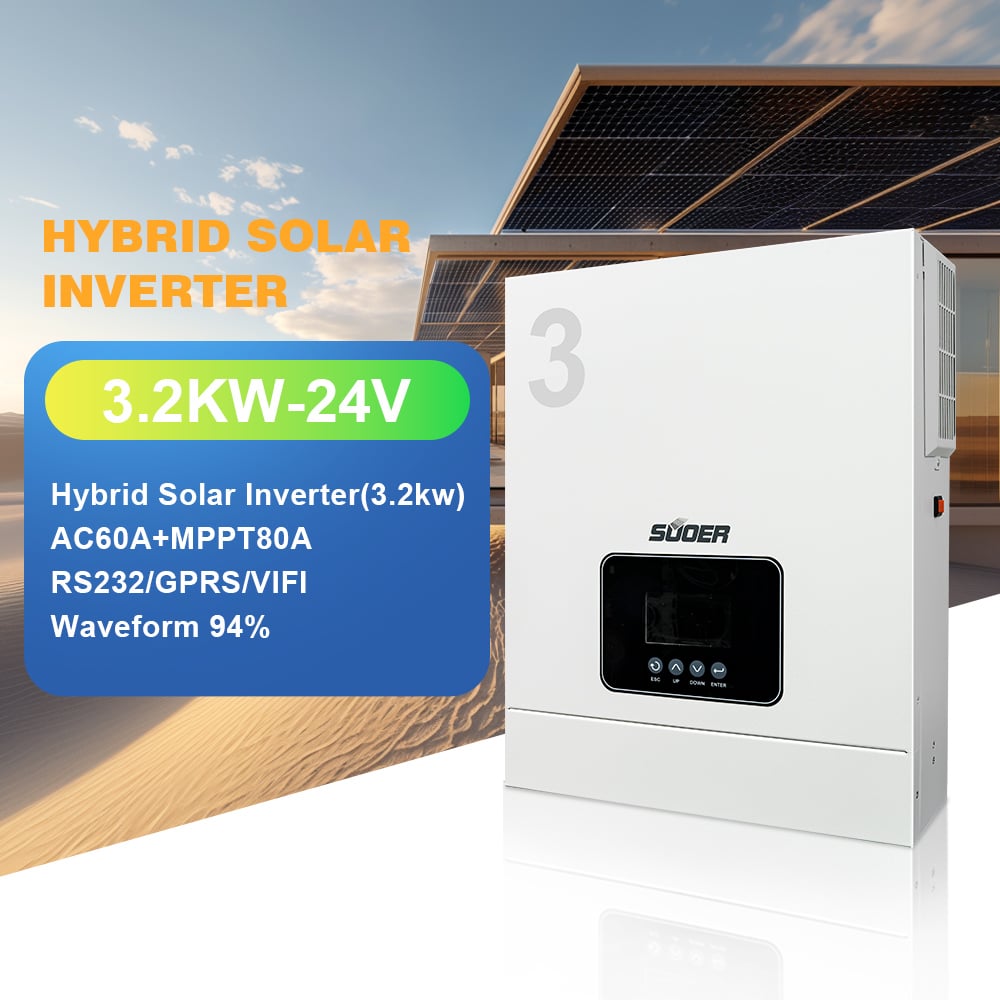
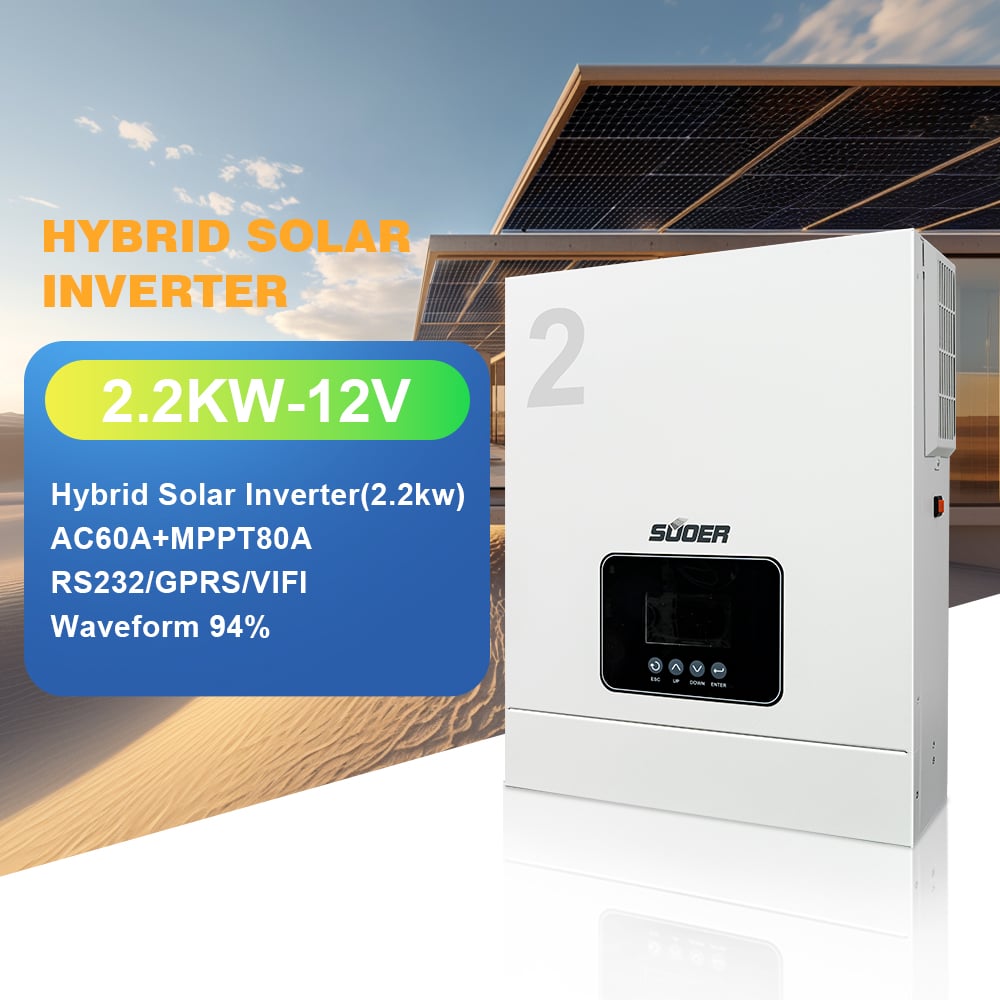
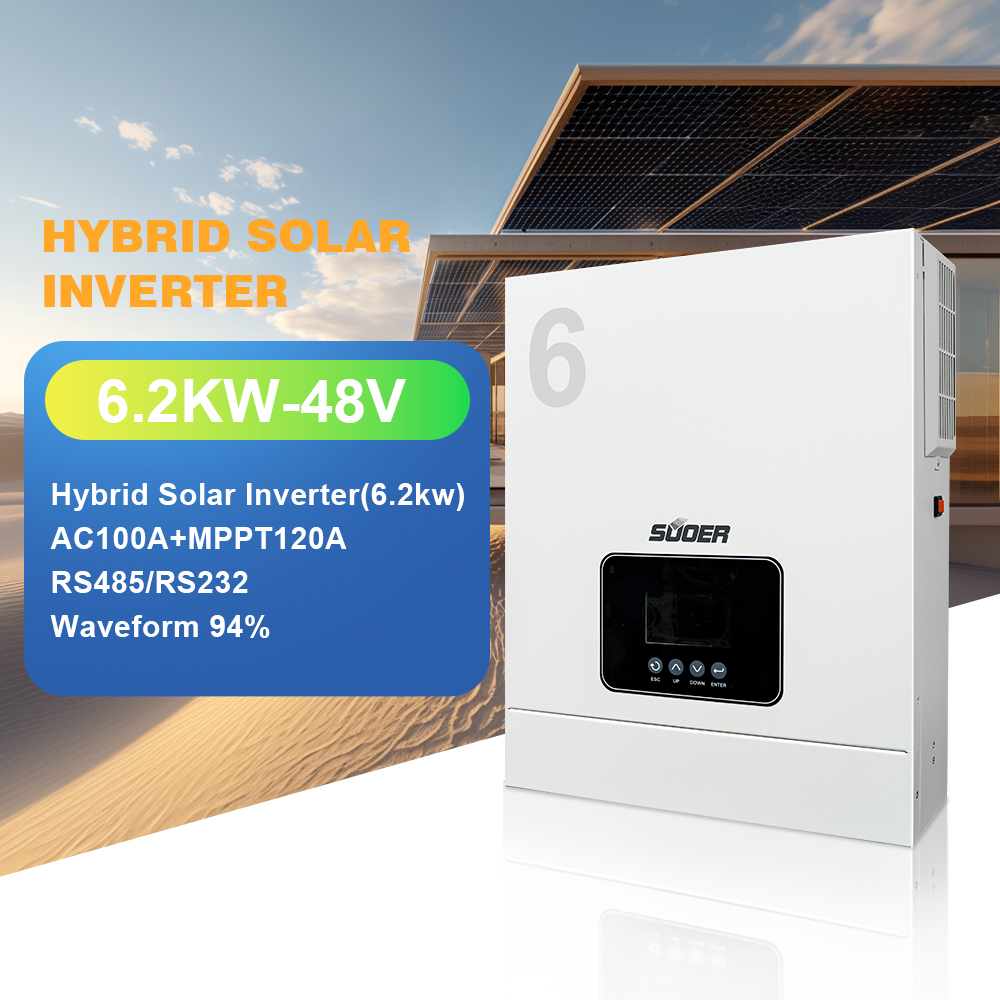
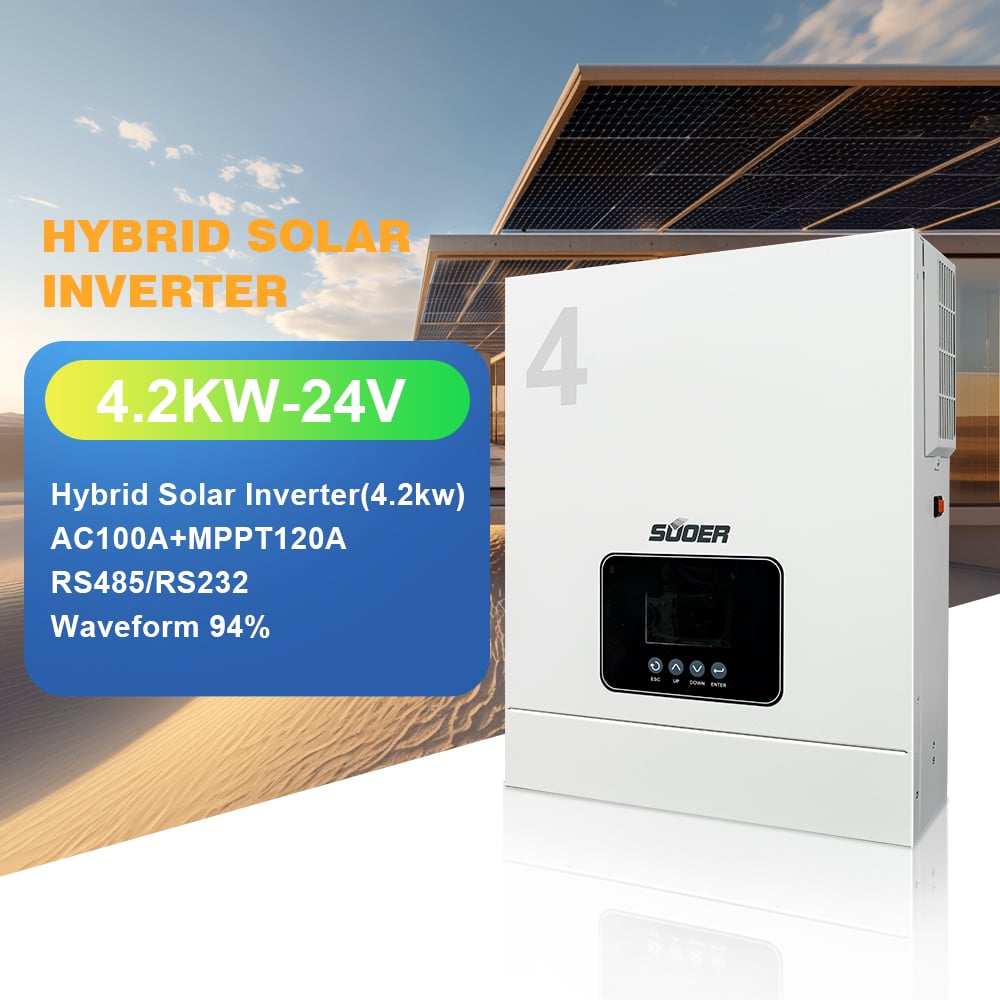
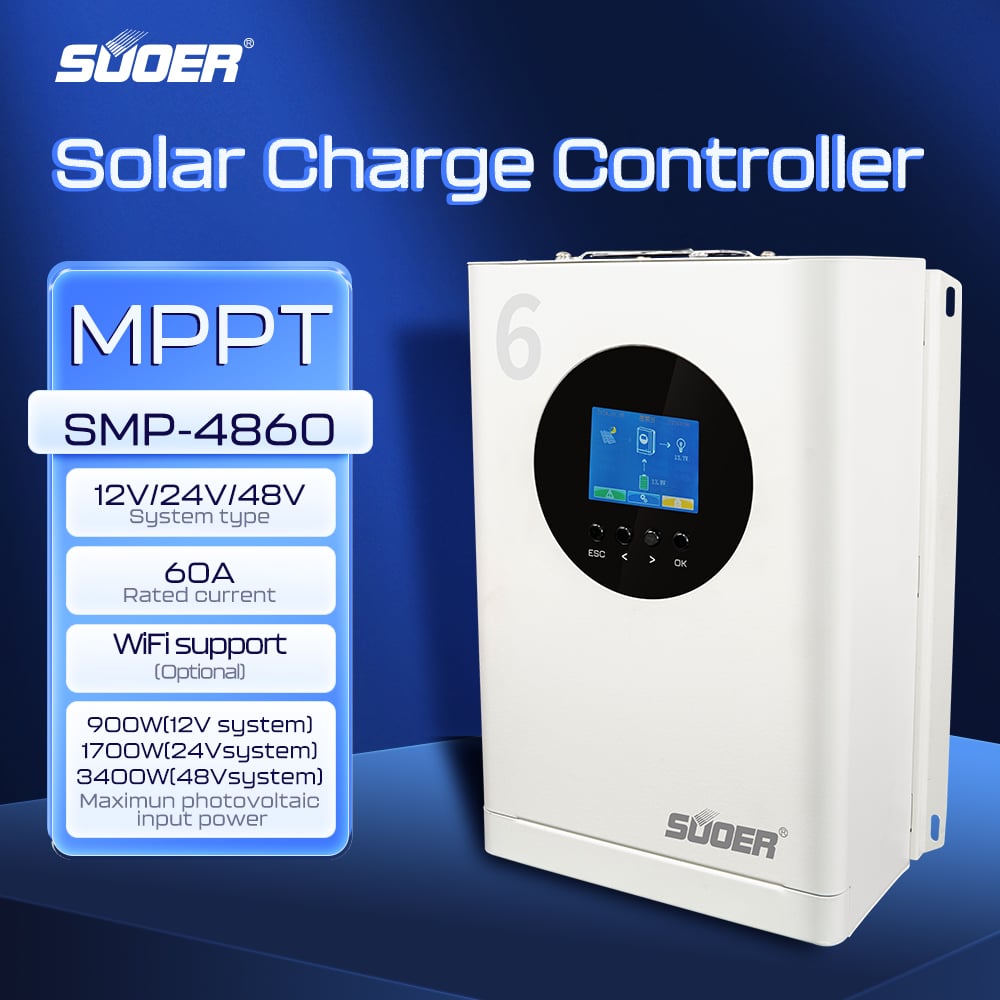
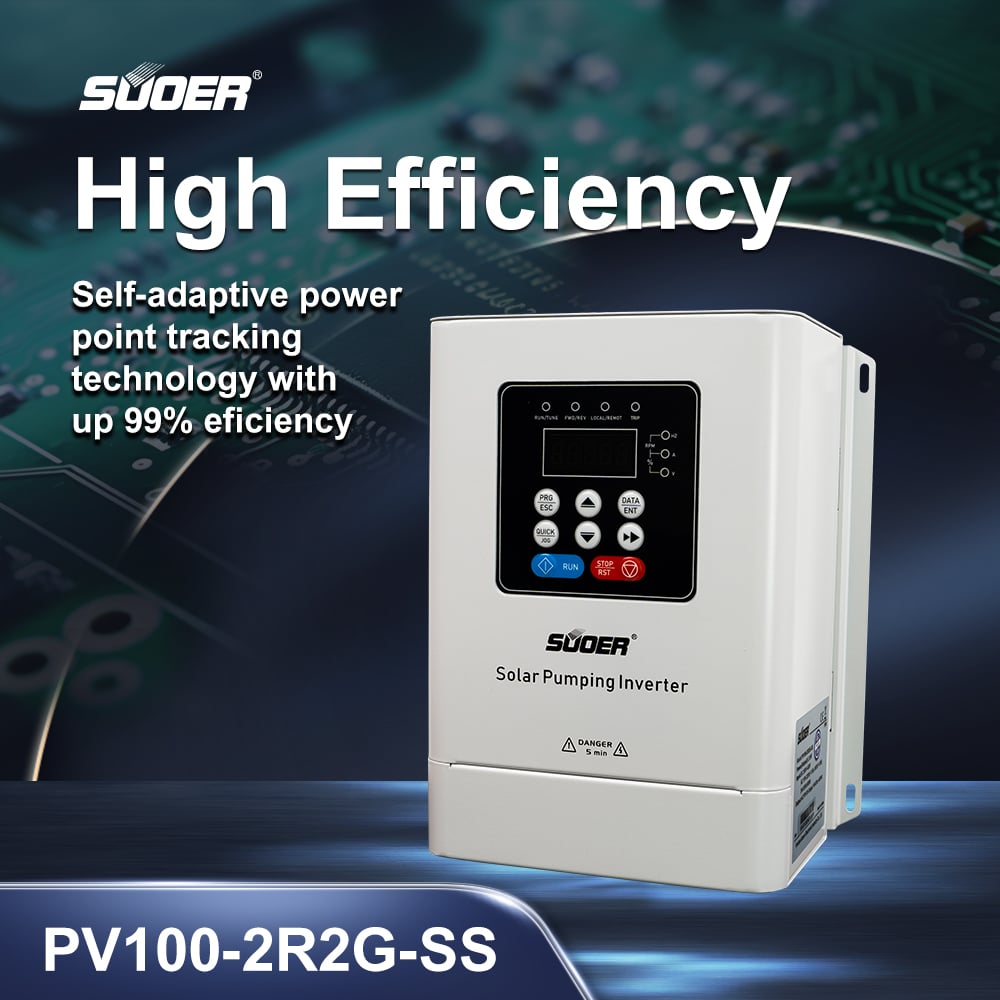
In the rapidly evolving landscape of renewable energy, the 5kW hybrid inverter stands out as a crucial component for various applications, including electric vehicles and photovoltaic systems. For B2B buyers—such as purchasing managers and engineers—understanding the specifications, supplier evaluation criteria, and quality assurance processes related to these inverters is essential. This article will guide you through the critical aspects of selecting and evaluating 5kW hybrid inverters, ensuring that you make informed purchasing decisions that align with your project requirements.
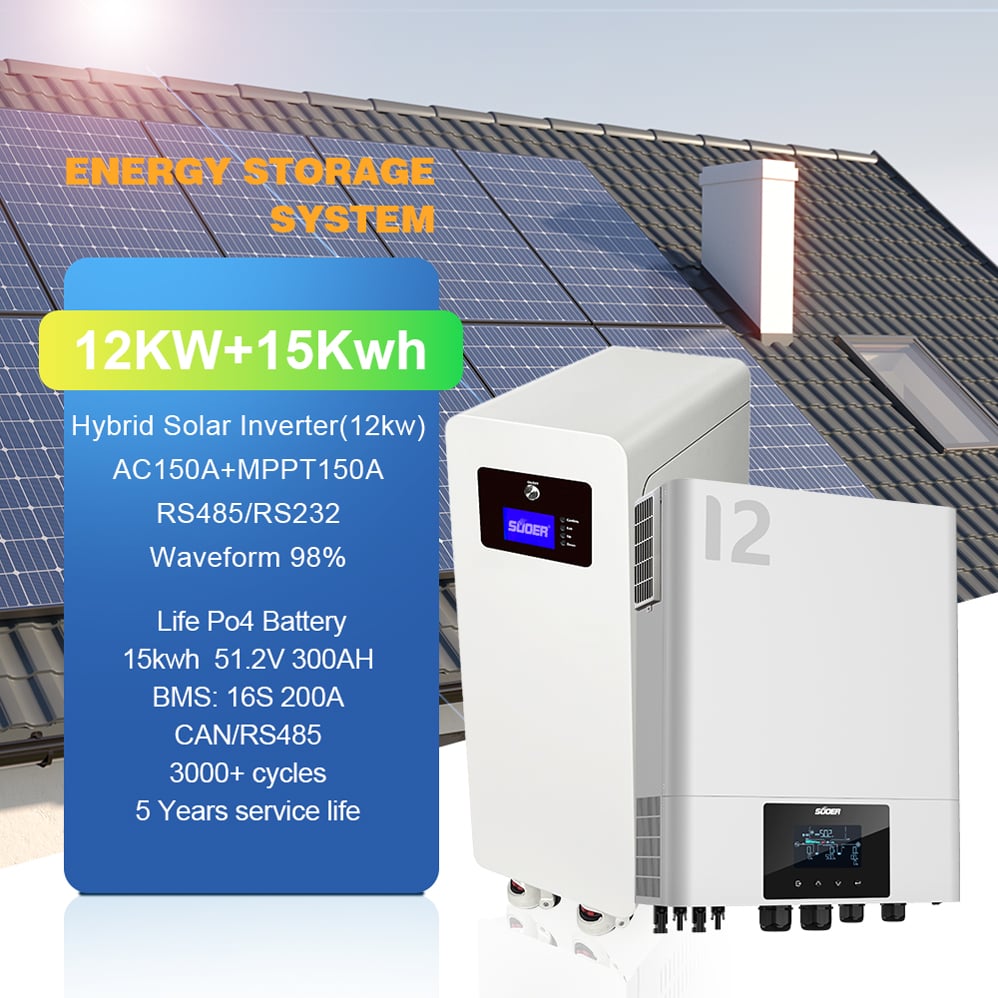
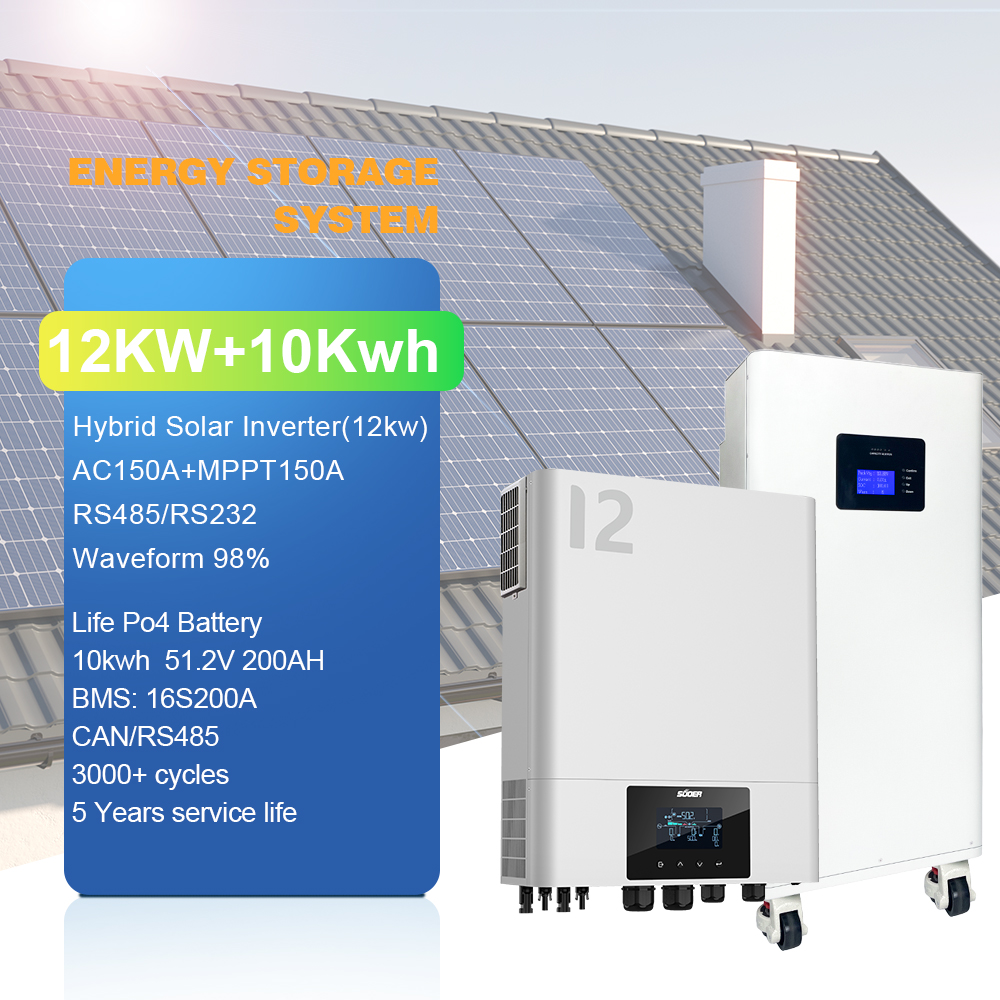
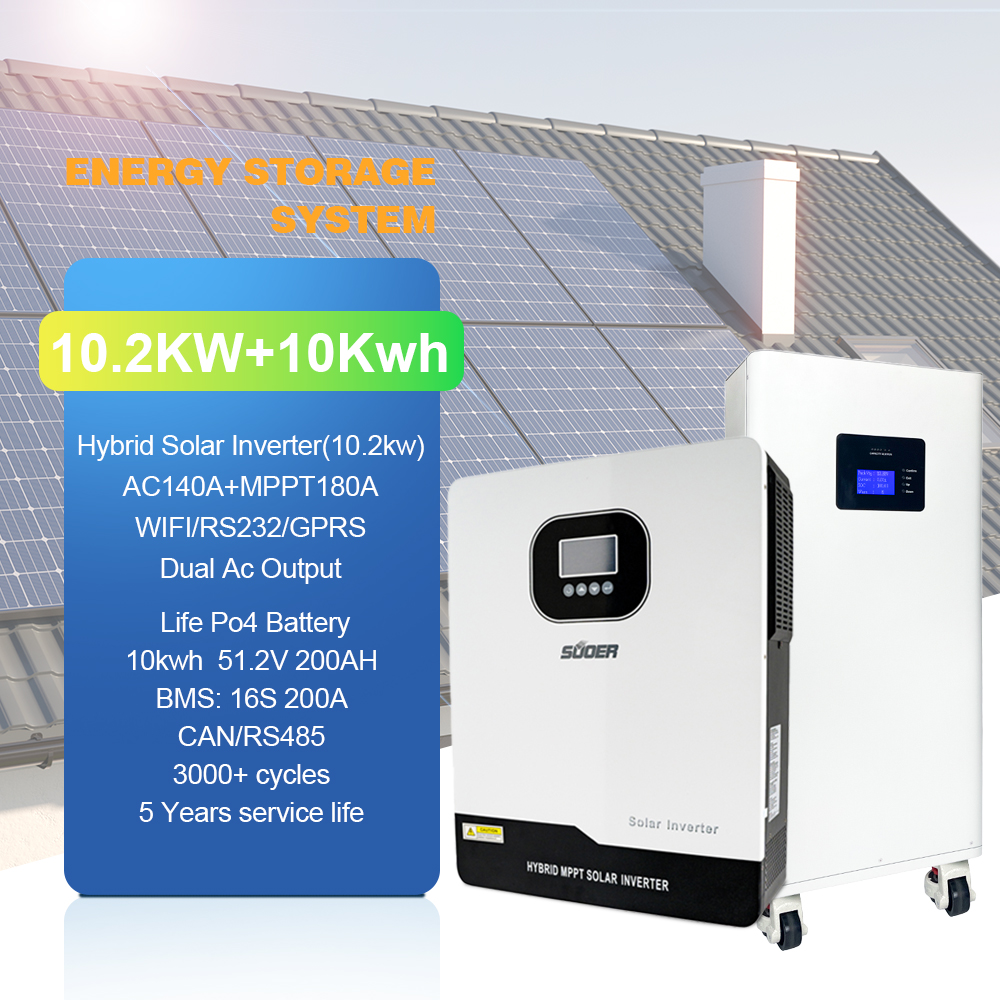
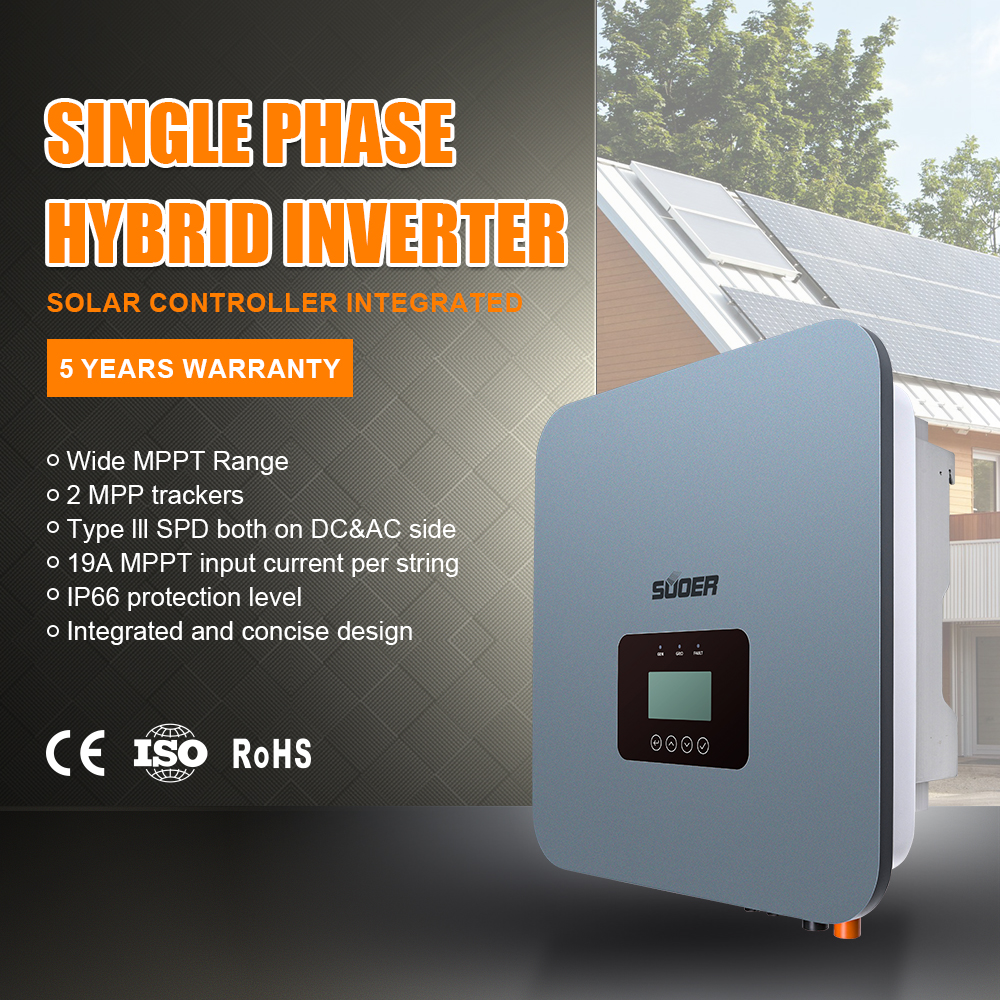
A Renewable Energy is designed to manage power from multiple sources, such as solar panels and grid electricity, and can also support battery storage systems. Key specifications to consider include:
Input Voltage Range: This indicates the range of voltages the inverter can accept. It is essential to ensure compatibility with your solar array and battery systems. An unsuitable voltage range can lead to inefficiencies or system failures.
Efficiency Rating: Efficiency ratings typically range from 90% to over 98%. A higher efficiency means less energy loss during conversion, which can be critical for maximizing energy output and reducing operational costs.
Output Waveform: Most hybrid inverters produce a pure sine wave output, essential for powering sensitive electronics without distortion. Verify that the output waveform meets your load requirements.
Communication Protocols: Many modern inverters feature communication capabilities, enabling integration with smart home systems or monitoring platforms. Protocols like RS485 or Wi-Fi can enhance usability and data tracking.
Dimensions and Weight: Depending on installation space, the physical dimensions and weight of the inverter can impact your project. Ensure that the inverter fits within your design parameters.
Understanding these specifications helps ensure that the inverter you select will operate effectively within your intended application, providing reliable performance and longevity.
When selecting a supplier for 5kW hybrid inverters, consider several critical factors to ensure a successful partnership:
Experience and Expertise: Look for suppliers with a proven track record in the renewable energy sector. An experienced supplier will understand industry standards and regulatory requirements, which can simplify compliance processes.
Manufacturing Capabilities: Assess the supplier's production facilities, including automation levels and quality control processes. Advanced manufacturing capabilities often translate to better consistency and reliability in the products.
Certifications: Ensure that the supplier's products have relevant certifications, such as ROHS, CE, and ISO9001. These certifications indicate adherence to quality and safety standards, enhancing trust in the product's reliability.
Customization Options: Some projects may require specific modifications to the inverter. Discuss the supplier's ability to provide custom solutions that meet your unique specifications.
Pricing and Minimum Order Quantity (MOQ): Understand the pricing structure and MOQ. A supplier that offers competitive pricing along with flexible order quantities can be advantageous for your budget and inventory management.
After-Sales Support: Evaluate the level of technical support and warranty provided. Having a responsive support team can significantly impact your experience, especially during installation and troubleshooting.
Choosing the right supplier involves careful consideration of these factors, ensuring that your procurement process aligns with your project goals.
Quality assurance is paramount when purchasing 5kW hybrid inverters in bulk. Here are some steps to evaluate the quality and reliability:
Pre-Production Samples: Always request pre-production samples before committing to bulk orders. Testing these samples under real-world conditions allows you to assess performance, efficiency, and compatibility with your existing systems.
Quality Control Processes: Inquire about the supplier's quality control measures during production. A robust quality assurance program, including inspections and testing at various stages, reduces the risk of defects in bulk orders.
Performance Testing: Verify if the supplier conducts extensive performance testing on their inverters, including temperature and load tests. This information can help you understand how the inverters will perform under different conditions.
Field Performance Data: Ask for customer references or case studies showcasing the inverters' performance in similar applications. Real-world feedback can provide insights into reliability and customer satisfaction.
Warranty Terms: Review the warranty terms offered by the supplier. A longer warranty may indicate greater confidence in the product's durability and can provide peace of mind for your investment.
By following these steps, you can ensure that the inverters you purchase in bulk will meet your performance standards and operational needs.
Like any technological product, 5kW hybrid inverters can encounter issues. Here are some common problems and their potential solutions:
Overheating: Inverters may overheat due to inadequate ventilation or high ambient temperatures. Ensure proper installation with adequate airflow around the unit and consider using heat sinks or fans if necessary.
Communication Failures: If the inverter does not communicate with monitoring systems, check the wiring connections and ensure that the communication protocols are correctly configured. Regularly updating firmware can also resolve compatibility issues.
Battery Compatibility Issues: Not all inverters are compatible with every battery type. Verify the inverter's specifications against your battery system to avoid performance issues. Consulting with the supplier can help clarify compatibility.
Power Inconsistencies: Fluctuations in output power can occur due to poor connections or faulty components. Regular maintenance checks can help identify and rectify these issues before they lead to major failures.
Software Glitches: Software issues may arise, affecting the inverter's functionality. Keeping the software updated and resetting the inverter as needed can resolve many of these problems.
Understanding these common issues and their solutions can help you maintain the performance of your Solar Controller and minimize downtime.
When evaluating 5kW hybrid inverters, there are several features that should be prioritized according to your specific needs:
Smart Grid Integration: Inverters that support smart grid technology can optimize energy usage by adjusting settings based on grid demand. This feature is essential for maximizing efficiency and enhancing energy management.
Multiple Input Channels: Inverters with multiple input channels allow for greater flexibility in integrating various power sources. This feature is beneficial for projects that combine solar, wind, or battery systems.
User Interface and Monitoring: A user-friendly interface with monitoring capabilities enables easy access to performance data. Look for inverters with mobile app integration or web-based dashboards for real-time monitoring.
Robust Safety Features: Safety features such as over-voltage protection, short-circuit protection, and anti-islanding capabilities are crucial. These features protect both the inverter and connected devices from potential issues.
Scalability: As energy needs change, having a scalable inverter can save costs in the long run. Choose models that allow for easy expansion to accommodate future energy demands.
By focusing on these features, buyers can select Hybrid Solar Inverter that align with their operational goals and enhance overall efficiency.
In summary, understanding the specifications, evaluating suppliers, and being aware of common issues are critical steps for any B2B buyer interested in 5kW hybrid inverters. By following the guidance provided , you can make informed decisions that support your projects and operational requirements effectively.

Discover Suoer’s premium range of solar inverters and power inverters designed for reliable renewable energy solutions.Trusted by customers worldwide for exceptional performance and durability.
Suoer Industrial Zone, Ercun Road Section, Yanfeng Avenue, Shishan Town,Foshan city,Guangdong Province,China
Copyright © 2024 Foshan Suoer Electronic Industry Co., Ltd. Privacy Policy - Blog

 EN
 AR
 NL
 FR
 DE
 EL
 IT
 JA
 KO
 PT
 RU
 ES
 VI
 TH
 TR
 BG
 HR
 CS
 NO
 PL
 TL
 ID
 SR
 UK
 SQ
 HU
 MT
 AF
 MS
 IS
 HY
 AZ
 BN
 BS
 GU
 LO
 LA
 MN
 NE
 TA