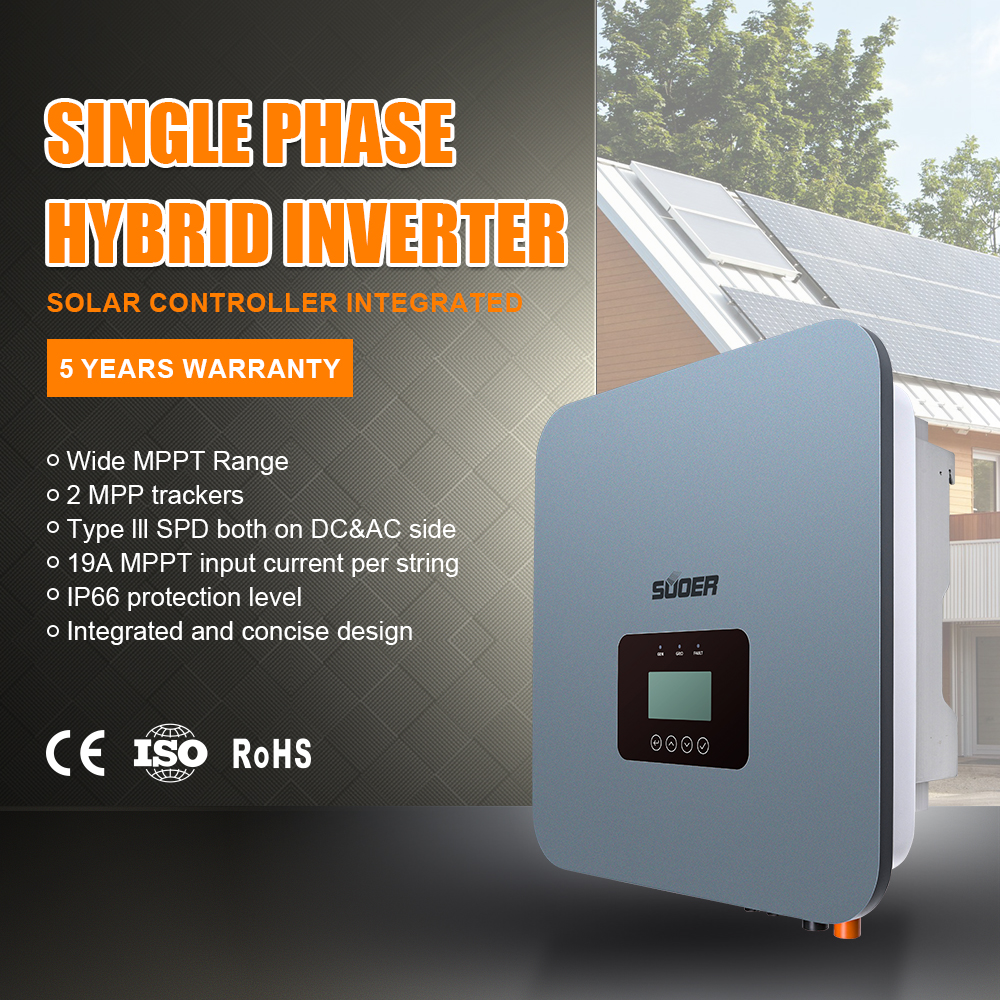
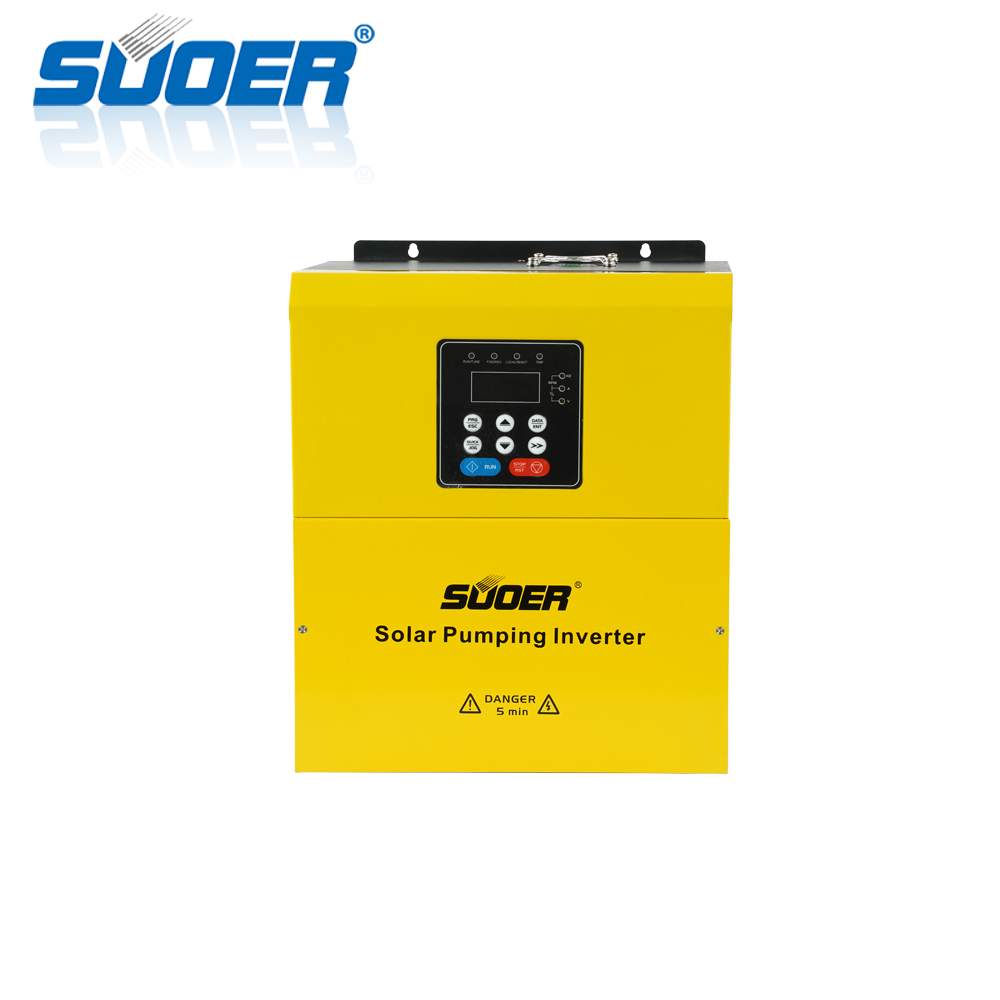
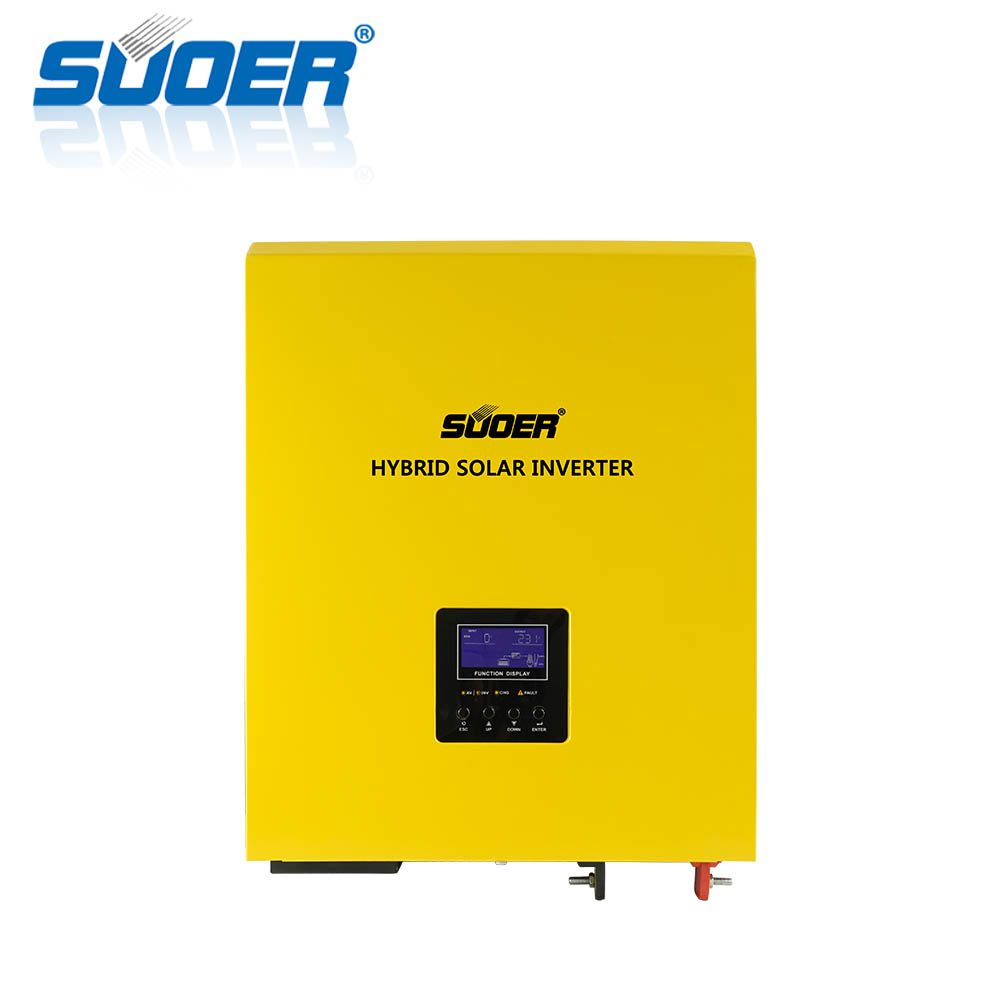
Choosing the right 5 kW hybrid inverter is crucial for optimizing energy efficiency in various applications, including electric vehicles and renewable energy systems. As a purchasing manager, distributor, or engineer, you need to navigate specifications, quality concerns, and installation challenges before making a bulk order. This article will guide you through the essential factors to consider when selecting a 5 kW 12kw hybrid inverter, ensuring that you make an informed purchasing decision.
When selecting a 5 kW hybrid inverter, several specifications and features should be evaluated to ensure compatibility with your projects. Key considerations include:
Power Conversion Efficiency: Look for inverters with high efficiency ratings, typically above 90%. A higher efficiency means lower energy losses during conversion, which directly impacts operational costs.
Input Voltage Range: Ensure that the inverter can handle the voltage levels from your renewable energy sources, such as solar panels. Check the inverter’s specifications for the maximum and minimum input voltages to avoid damage.
Grid Compatibility: Assess whether the inverter supports grid-tie operations if you plan to connect it to an electrical grid. This feature allows excess energy to be fed back into the grid, providing potential savings or revenue.
Battery Compatibility: If your application requires energy storage, confirm that the inverter is compatible with the type of batteries you intend to use, such as lithium-ion or lead-acid.
Environmental Ratings: Consider the 6.2 kw hybrid inverter inverter's IP rating for dust and moisture resistance, particularly if it will be installed outdoors or in harsh environments.
By focusing on these aspects, you can ensure that the selected 5 kW hybrid inverter meets your operational requirements and provides reliable performance.
Evaluating the quality of 5 kW hybrid inverters is essential, especially when placing bulk orders. Here are several factors to consider during your assessment:
Certifications: Look for products that have been certified by recognized standards such as ROHS, CE, and ISO9001. These certifications indicate adherence to quality management standards and environmental safety.
Manufacturer Reputation: Research the manufacturer’s history and reputation in the industry. Companies with a strong track record of producing reliable power supplies are more likely to deliver quality products.
Testing Procedures: Ensure that the manufacturer has stringent quality control processes in place. Inverters should undergo rigorous testing for performance, durability, and safety before being shipped.
Warranty and Support: A solid warranty reflects the 6.2kw hybrid inverter manufacturer's confidence in their product. Evaluate the warranty terms and the availability of technical support for troubleshooting and repairs.
Customer Reviews and Case Studies: Seek feedback from other buyers who have purchased the same model. Real-world performance can provide insights into the inverter’s reliability and efficiency.
By systematically reviewing these factors, you can select a high-quality 5 kW hybrid inverter that meets your project specifications.
Installing a 5 kW hybrid inverter can present several challenges. Here are some common issues and practical solutions:
Inverter Placement: Ensure that the inverter is installed in a well-ventilated area. Overheating can lead to performance degradation. If space is limited, consider using inverters designed for compact installations.
Wiring and Connections: Improperly sized or poorly installed wiring can lead to inefficiencies or system failures. Use appropriately rated cables and follow the manufacturer’s installation guidelines to avoid these issues.
Grounding Issues: Inadequate grounding can lead to safety hazards. Always ensure that the inverter is properly grounded according to local electrical codes.
Communication with Other Components: If the inverter is part of a larger system (e.g., with batteries or renewable sources), ensure that communication protocols are compatible. Check the manufacturer’s documentation for integration instructions.
Software Configuration: Many modern inverters require software setup to optimize their performance. Ensure that technicians are trained on how to configure the inverter settings correctly.
By addressing these common installation issues, you can enhance the reliability and efficiency of your hybrid inverter system.
When purchasing 5 kW hybrid inverters in bulk, understanding the cost factors involved can help you make more informed financial decisions. Key considerations include:
Unit Price: Bulk orders often come with discounts, but ensure you’re comparing similar product specifications. A lower unit price may not always equate to better value if quality is compromised.
Shipping and Handling: Factor in shipping costs, which can vary significantly based on distance and shipping method. Be sure to clarify shipping options and any associated fees with the supplier.
Import Duties and Taxes: If sourcing from international manufacturers, consider any import duties, taxes, and tariffs that may apply, as these can inflate the overall cost.
Storage Requirements: Depending on your inventory management practices, consider the costs associated with warehousing the inverters before installation.
Installation Costs: Calculate the expected costs for professional installation if needed. Complex systems may require specialized technicians, which can add to the overall budget.
By keeping these factors in mind, you can better manage your procurement costs and enhance your budgeting strategy.
5 kW hybrid inverters play a vital role in various renewable energy applications. Here are some primary uses:
Solar Power Systems: They are commonly integrated into photovoltaic systems, converting DC power from solar panels into AC power for home or grid use. Their ability to work with batteries also allows for energy storage and usage during non-sunny periods.
Electric Vehicle Charging Stations: Hybrid inverters can be employed in EV charging stations, efficiently managing the power supply from the grid and renewable sources to charge electric vehicles.
Off-Grid Systems: In remote areas where grid access is limited, 5 kW hybrid inverters can be used in off-grid solar setups, providing reliable power for homes or small businesses.
Telecommunications: In the telecommunications sector, these inverters support backup power systems, ensuring continuous operation of critical communication infrastructure during outages.
Rail Transit Systems: In railway applications, hybrid inverters can manage energy from regenerative braking systems, improving overall system efficiency and reducing energy costs.
By understanding the diverse applications of 5 kW hybrid inverters, you can better tailor your purchasing decisions to meet specific energy needs in your projects.

Discover Suoer’s premium range of solar inverters and power inverters designed for reliable renewable energy solutions.Trusted by customers worldwide for exceptional performance and durability.
Suoer Industrial Zone, Ercun Road Section, Yanfeng Avenue, Shishan Town,Foshan city,Guangdong Province,China
Copyright © 2024 Foshan Suoer Electronic Industry Co., Ltd. Privacy Policy - Blog

 EN
 AR
 NL
 FR
 DE
 EL
 IT
 JA
 KO
 PT
 RU
 ES
 VI
 TH
 TR
 BG
 HR
 CS
 NO
 PL
 TL
 ID
 SR
 UK
 SQ
 HU
 MT
 AF
 MS
 IS
 HY
 AZ
 BN
 BS
 GU
 LO
 LA
 MN
 NE
 TA