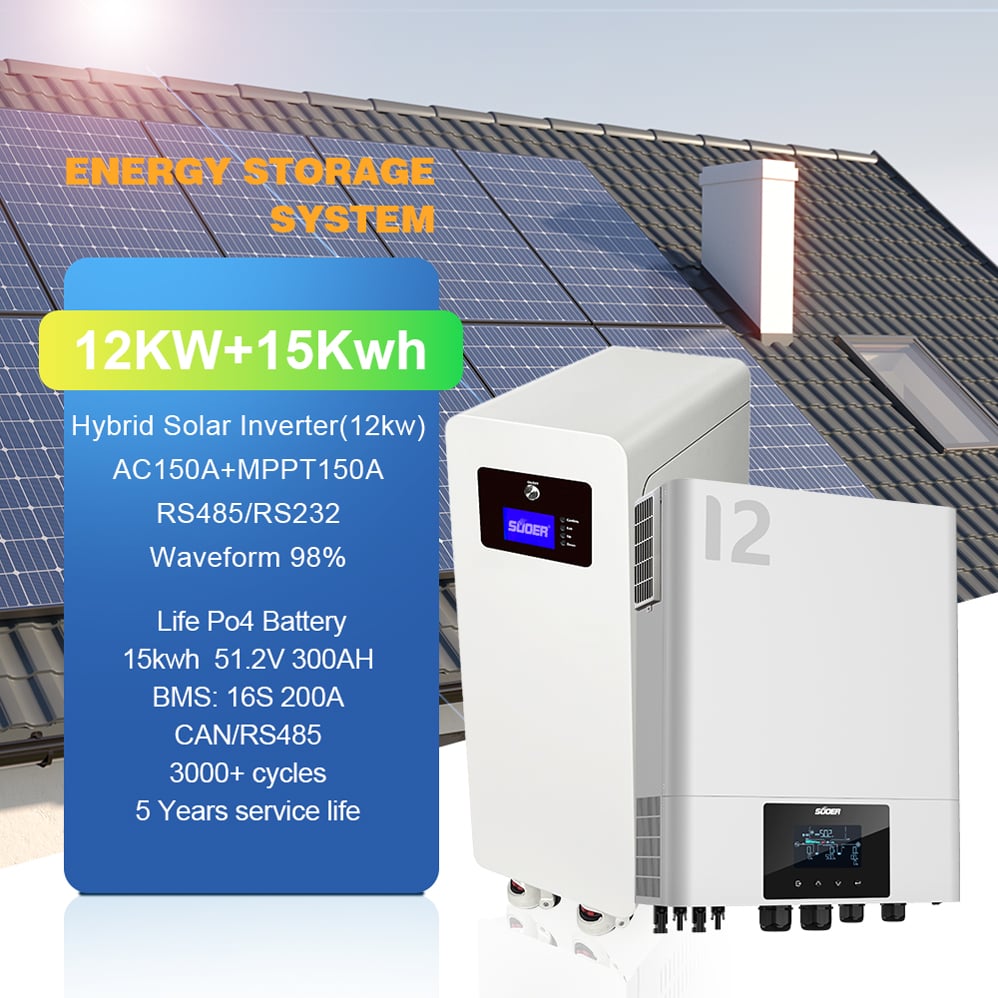
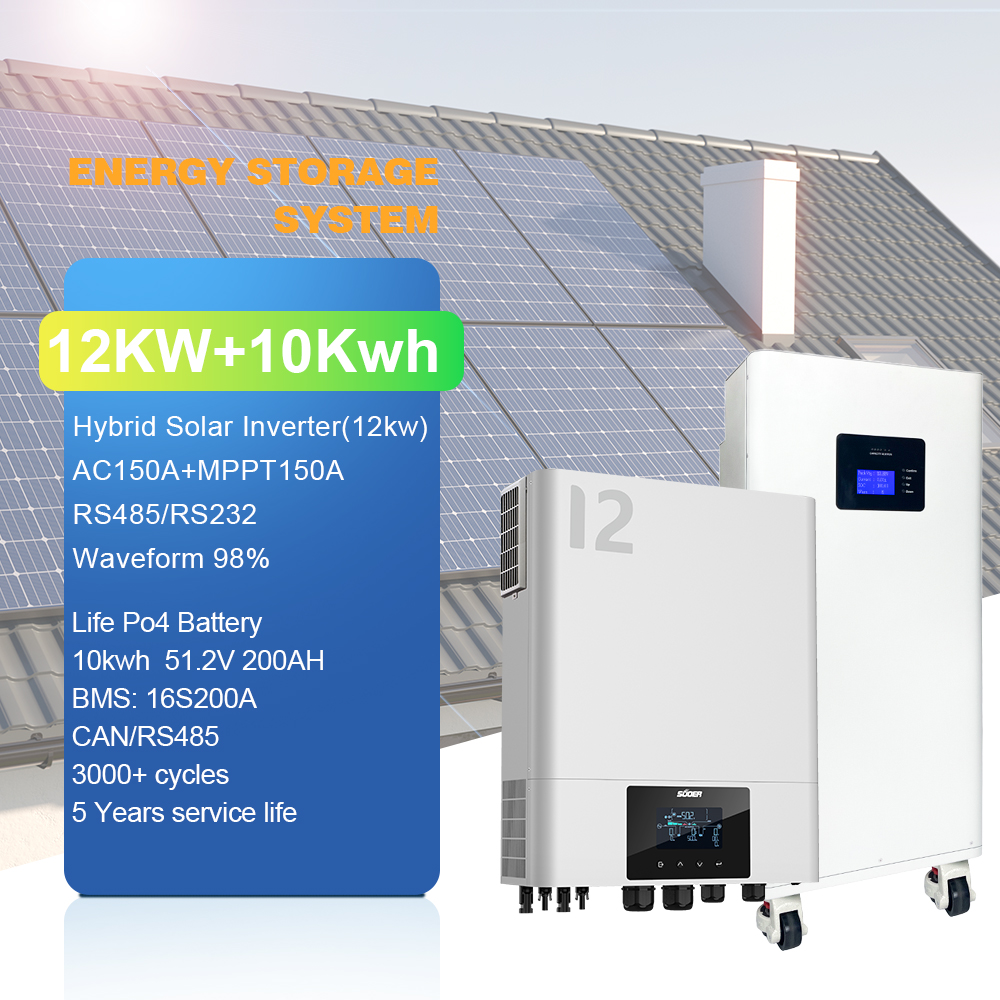
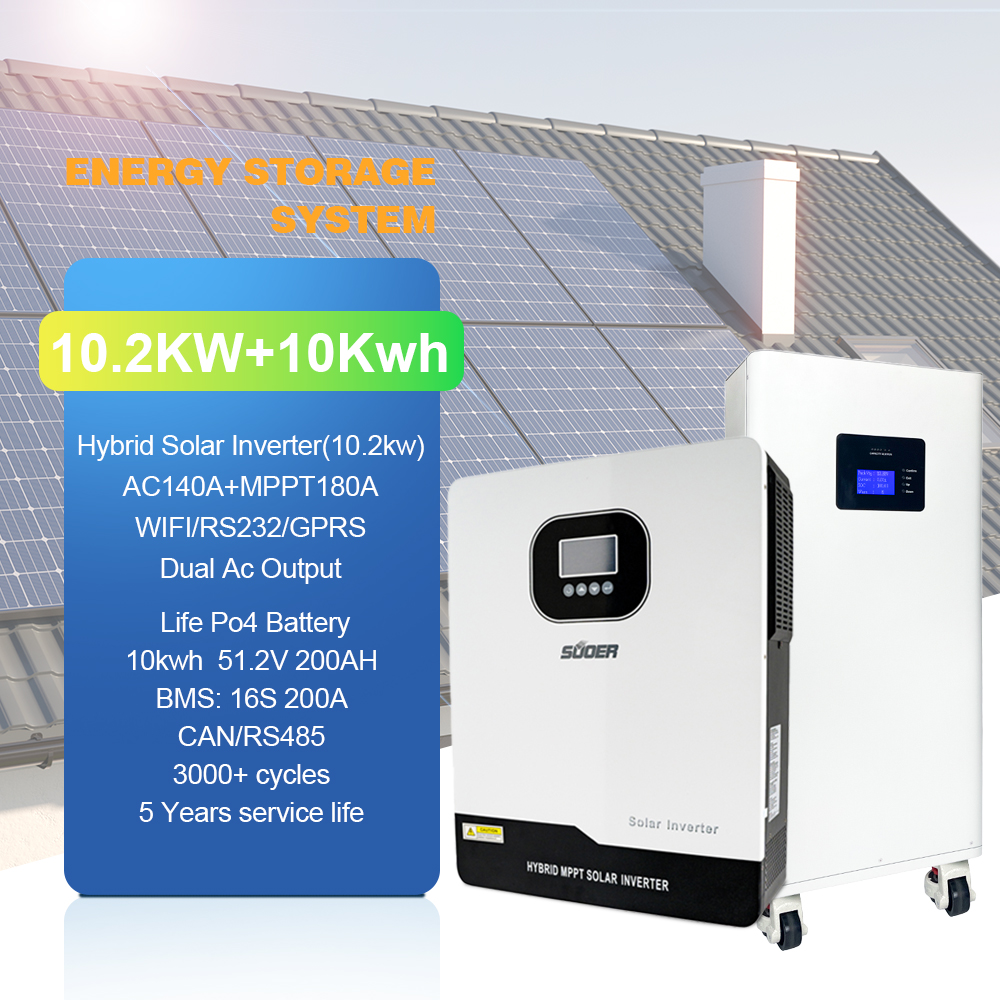
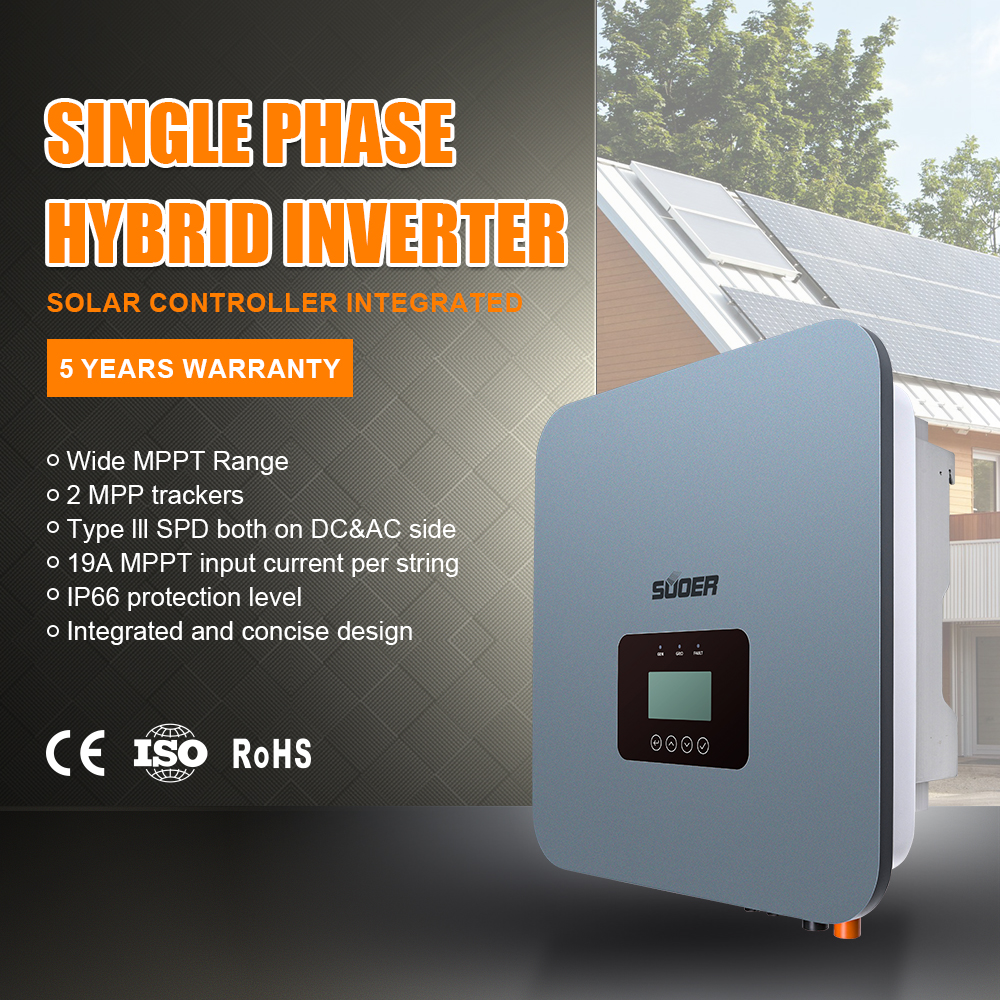
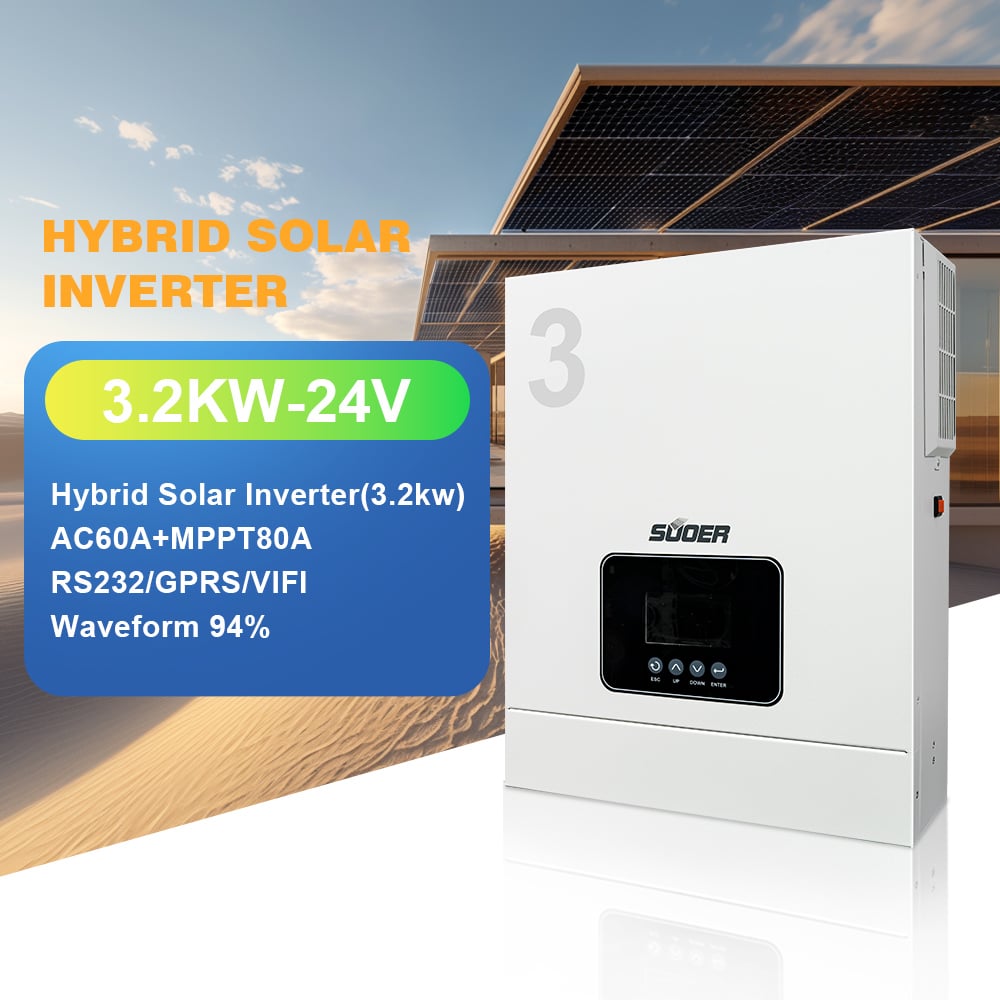
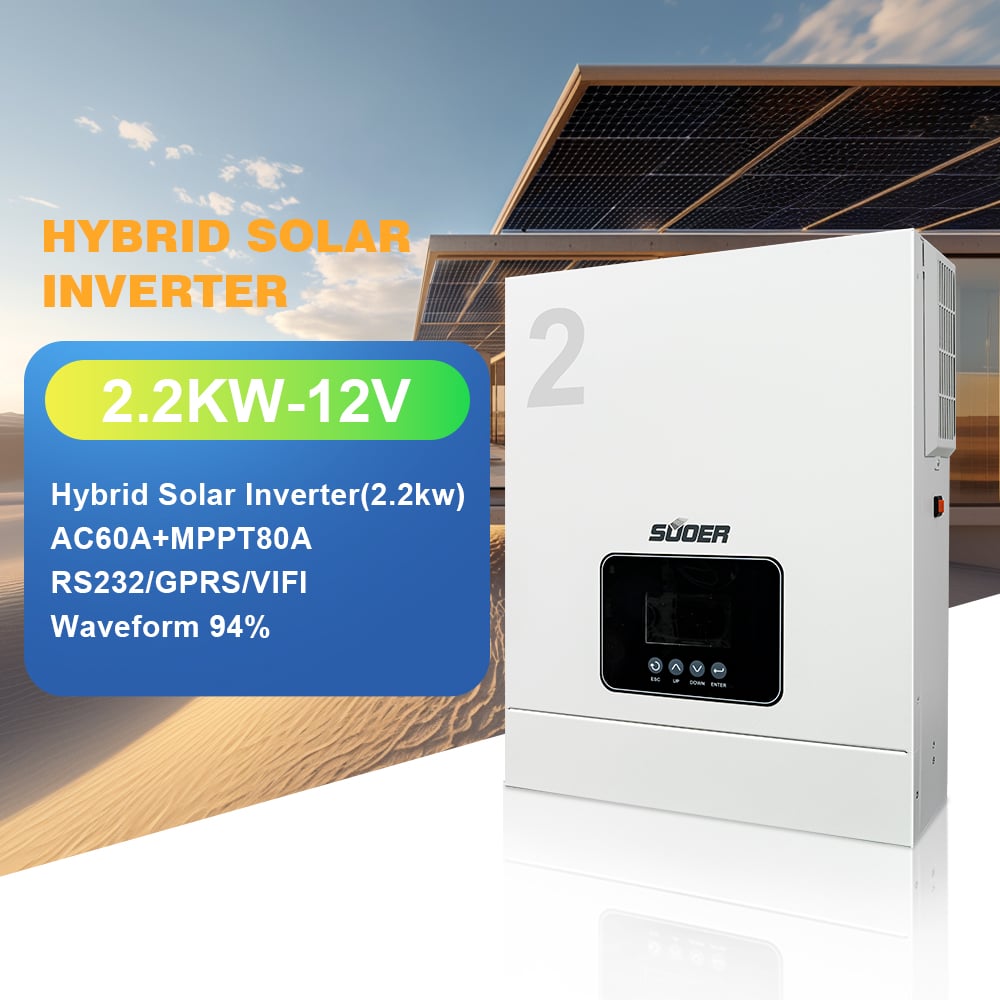
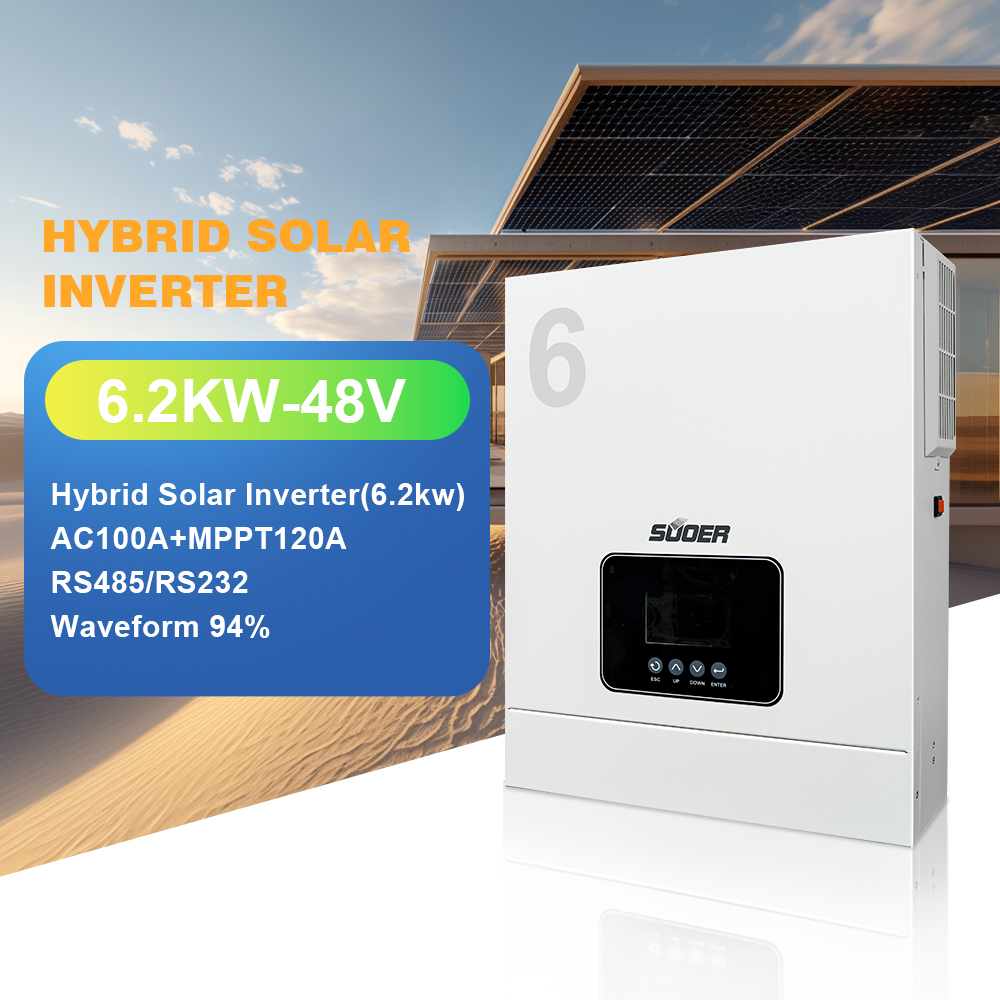
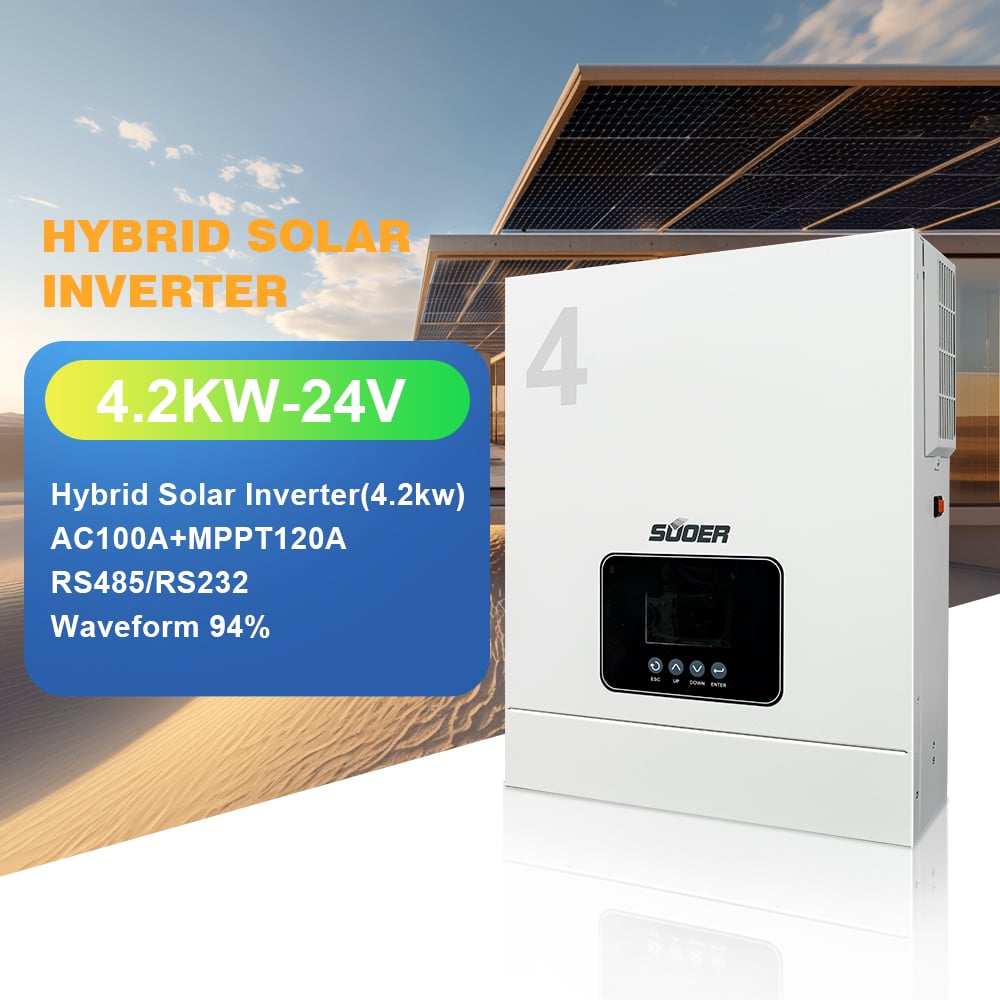
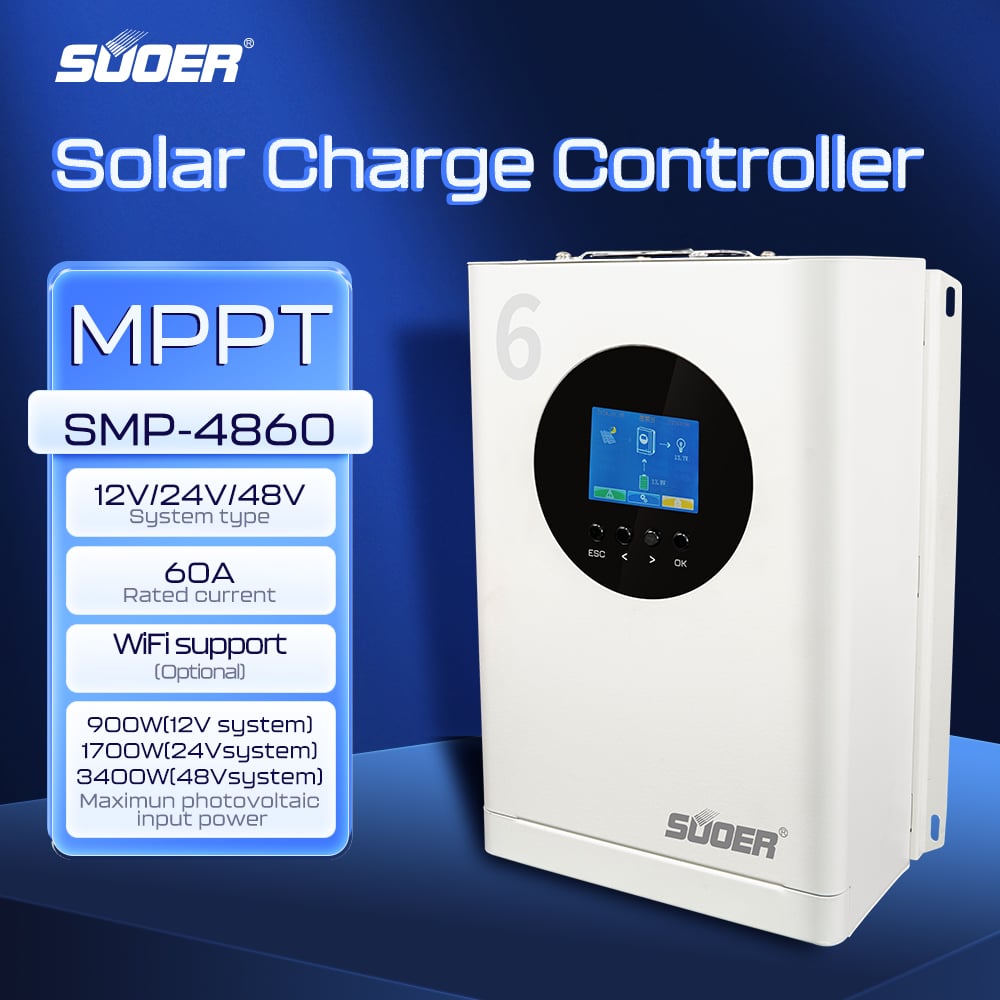
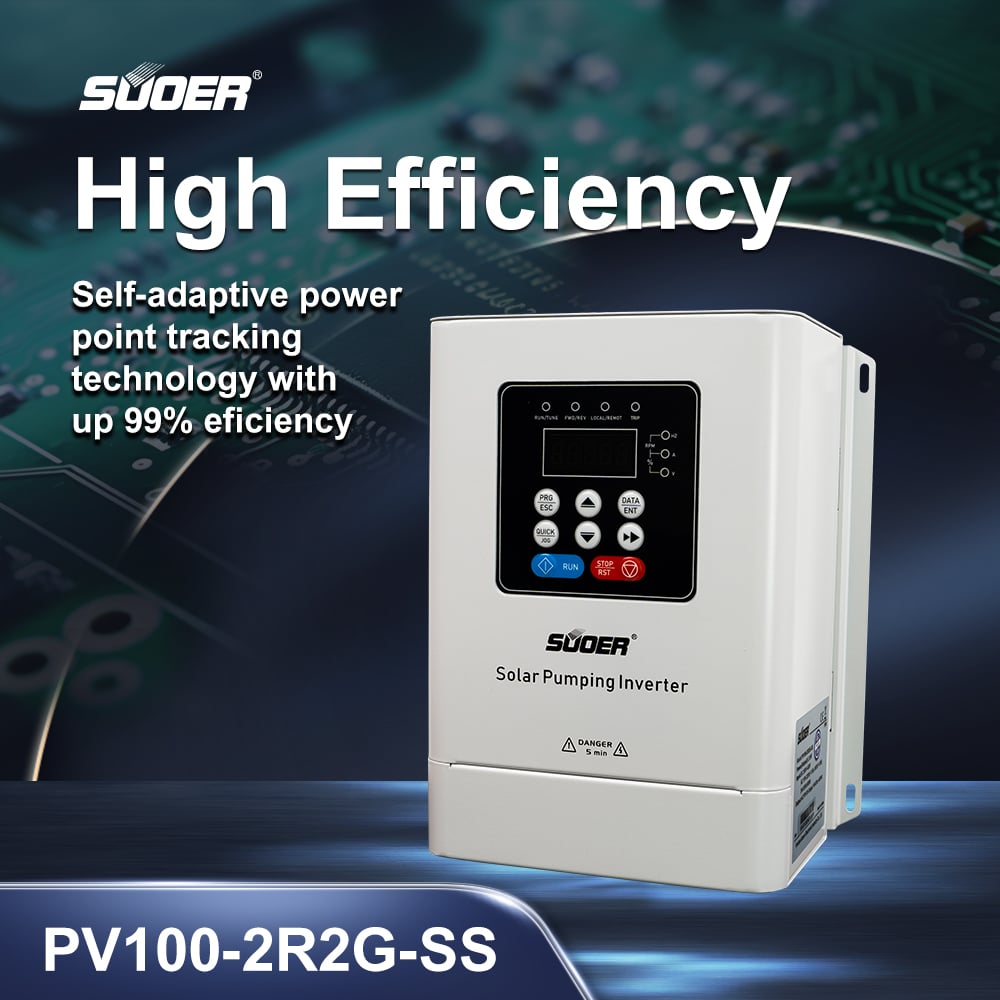
3kV solar inverters are critical components in photovoltaic systems, converting direct current (DC) generated by solar panels into alternating current (AC) suitable for use in electric grids. For B2B buyers, especially those involved in large-scale solar projects, understanding the key factors in sourcing, evaluating, and installing these inverters is essential. This article will delve into what to consider during procurement, how to assess quality, where to find reliable suppliers, installation guidelines, and common issues faced with 3kV solar inverters, providing valuable insights for informed purchasing decisions.
When sourcing 3kV solar inverters, several factors must be taken into account to ensure that the product meets the performance and reliability requirements of your specific application. Key considerations include:
Specifications: Confirm the inverter's power rating, efficiency, and compatibility with your solar panel system. The inverter should support the maximum output of your solar array while providing high conversion efficiency to minimize energy losses.
Certifications: Look for products that comply with industry standards and certifications such as ROHS, CE, and ISO9001. These certifications indicate adherence to safety, environmental, and quality management standards.
Customization Options: Depending on the project requirements, you might need specific features or configurations. Discuss customization options with suppliers to ensure the inverter fits your project's unique needs.
Supplier Reputation: Research suppliers' backgrounds, including their experience in the industry, customer reviews, and their track record of delivering quality products on time.
Pricing and Payment Terms: Understand the pricing structure, including bulk discounts and payment options. Ensure that pricing aligns with your budget while considering the total cost of ownership over the inverter's operational lifespan.
Assessing the quality of 3kV solar inverters is crucial to avoid costly issues later on. Here are some steps to evaluate quality effectively:
Material Quality: Investigate the materials used in the inverter's construction. High-quality components should be resistant to environmental conditions such as humidity and temperature fluctuations, which can affect performance and longevity.
Performance Testing: Request documentation of performance tests conducted by the manufacturer, including efficiency ratings, thermal performance, and electrical safety tests. Verify that these tests meet or exceed industry standards.
Sample Approval: Before committing to a bulk order, consider obtaining samples for testing. This allows you to assess the inverter's performance under your specific operating conditions and ensures it meets your expectations.
Warranty and Support: Check the warranty offered by the manufacturer. A robust warranty indicates confidence in the product's quality and provides recourse in case of defects or performance issues. Additionally, ensure the manufacturer offers adequate technical support.
Finding reliable suppliers for 3kV solar inverters involves thorough research and evaluation. Here are effective methods to identify trustworthy vendors:
Industry Networks and Trade Shows: Attend industry events and trade shows focused on renewable energy and solar technology. These events provide opportunities to meet suppliers, assess their products, and establish relationships.
Online Marketplaces and Directories: Utilize B2B platforms and directories specializing in renewable energy products. Look for Suoer grid tie hybrid solar inverter suppliers with verified profiles, positive reviews, and a history of successful transactions.
Referrals and Recommendations: Seek recommendations from industry peers who have experience with solar projects. They can provide insights into reputable suppliers and share their experiences regarding product quality and customer service.
Supplier Audits: If possible, conduct audits of potential suppliers' manufacturing facilities. This allows you to verify their production capabilities, quality control processes, and compliance with industry standards.
Proper installation of 3kV solar inverters is vital for optimal performance and longevity. Consider the following guidelines tailored for different applications:
Site Assessment: Conduct a thorough site assessment to determine the best location for the inverter. Ensure it is positioned to allow adequate ventilation and protection from harsh weather conditions.
Electrical Compatibility: Confirm that the inverter is compatible with the existing electrical infrastructure. This includes verifying voltage, current ratings, and grid connection requirements.
Installation Standards: Follow industry best practices and local regulations during installation. Engage qualified electricians familiar with solar systems to ensure compliance and safety.
Testing and Commissioning: After installation, perform comprehensive testing to verify functionality. This includes checking connections, monitoring performance metrics, and ensuring that the inverter operates within specified parameters.
Maintenance Plan: Develop a routine maintenance plan to monitor inverter performance, clean components, and address any issues promptly. Regular maintenance can significantly extend the lifespan of the inverter.
While 3kV solar inverters are generally reliable, they can encounter issues that may affect performance. Here are common problems and their solutions:
Overheating: Inverters may overheat due to inadequate ventilation or high ambient temperatures. To mitigate this, ensure proper installation with sufficient airflow and consider installing cooling systems if necessary.
Voltage Fluctuations: Fluctuating input voltage can lead to inverter malfunction. Implement voltage regulation devices to ensure stable input power, protecting the Suoer china solar inverters from potential damage.
Communication Failures: Inverters equipped with monitoring systems may experience communication failures with monitoring platforms. Regularly update firmware and inspect communication lines to ensure reliability.
Component Failures: Component failures can occur due to manufacturing defects or environmental factors. Maintain a close relationship with your supplier for warranty support and replacement parts to minimize downtime.
Performance Degradation: Over time, inverters may experience performance degradation. Regular maintenance and performance monitoring can help identify issues early and ensure optimal operation.
By understanding these considerations, B2B buyers can make informed decisions regarding 3kV solar inverters, ensuring their projects are successful, efficient, and sustainable.
Discover Suoer’s premium range of solar inverters and power inverters designed for reliable renewable energy solutions.Trusted by customers worldwide for exceptional performance and durability.
Suoer Industrial Zone, Ercun Road Section, Yanfeng Avenue, Shishan Town,Foshan city,Guangdong Province,China
Copyright © 2024 Foshan Suoer Electronic Industry Co., Ltd. Privacy Policy - Blog
 EN
 AR
 NL
 FR
 DE
 EL
 IT
 JA
 KO
 PT
 RU
 ES
 VI
 TH
 TR
 BG
 HR
 CS
 NO
 PL
 TL
 ID
 SR
 UK
 SQ
 HU
 MT
 AF
 MS
 IS
 HY
 AZ
 BN
 BS
 GU
 LO
 LA
 MN
 NE
 TA